REVIEW · OSAKA
Make Ramen and Gyoza with Homemade Secret Recipe
Book on Viator →Operated by 株式会社Japanticket · Bookable on Viator
Ramen gets personal when you make it yourself. In Osaka, you’ll cook Japanese comfort food step by step in a small class near Matsuyamachi Station. It’s practical cooking you can actually repeat at home, not just watch-from-the-side entertainment.
I love that you choose your soup base from soy sauce, miso, or salt, then build your bowl around that decision. I also love the human touch: Chef Shohei (with helpful support from Marie) keeps things clear and upbeat while you work.
One possible drawback: this is an active 2.5-hour session, and the price doesn’t include drinks, so come prepared with whatever you normally need to stay comfortable. If you have allergies or a vegetarian diet, you must flag it when you book so the kitchen can plan ahead.
In This Review
- Key highlights before you go
- Entering The Osaka Studio Right Near Matsuyamachi Station
- Choosing Soy Sauce, Miso, or Salt for Your Own Ramen Soup
- Making Noodles with the Noodle-Making Machine (Not Just Watching)
- Gyoza Dumplings: From Bean Paste Filling to Pan-Frying
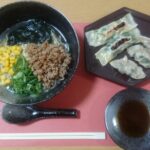
- The Meal You Actually Eat: Half-Rice Ramen with Gyoza
- Photos, Recipes, and Take-Home Cooking Chopsticks
- Price and Value: What $84.70 Actually Buys You
- Timing, Group Size, and How to Get the Most Out of 2.5 Hours
- Who Should Book This Ramen and Gyoza Class
- Should You Book Make Ramen and Gyoza with Homemade Secret Recipe?
- FAQ
- How long does the ramen and gyoza cooking class last?
- Where do I meet for the tour?
- What soup bases can I choose for my ramen?
- Do we make gyoza during the class?
- Is food provided as part of the experience?
- What is included in the $84.70 price?
- Is the experience refundable if I cancel?
Key highlights before you go
- Choose your ramen soup base: soy sauce, miso, or salt
- Make noodles using a noodle-making machine
- Learn gyoza from filling to pan-frying
- Eat what you make with a half-rice ramen style
- Leave with recipes plus a take-home gift (including cooking chopsticks)
- Small group size (maximum 15), which helps you get hands-on time
Entering The Osaka Studio Right Near Matsuyamachi Station
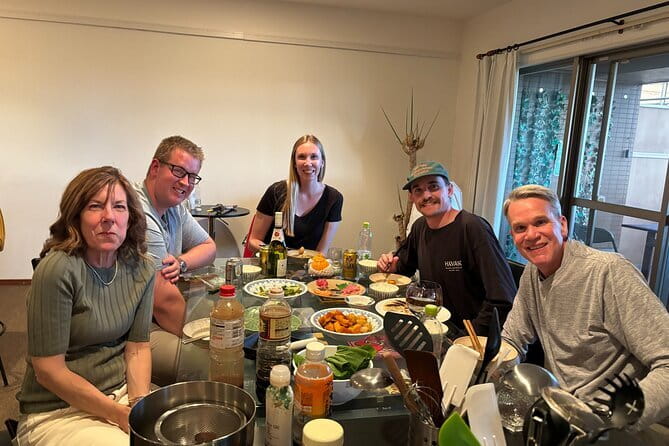
This class starts with a simple plan: meet at Matsuyamachi Station, then walk about five minutes to the cooking studio. You’ll keep it easy on logistics, since it’s near public transportation and the session ends right back at the meeting point. The mobile ticket format also helps you feel set once you arrive.
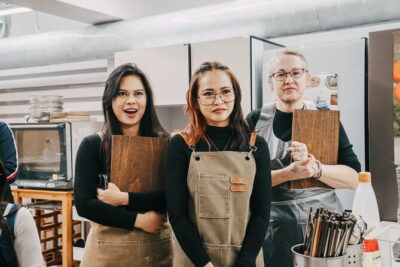
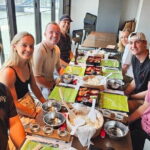
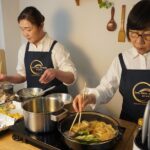
Once you’re in, you’ll get the rhythm of the lesson fast. The chef team explains what’s next, and you rotate through the tasks so you’re not stuck waiting while others cook. With a max group of 15, you’re more likely to get real-time guidance when your dough or filling needs a tweak.
If you’re the type who likes understanding what you’re eating, this is a good match. It’s built around method, not just flavor ideas. You’re going to see how choices like soup base and gyoza technique change the final bowl.
You can also read our reviews of more tours and experiences in Osaka.

Choosing Soy Sauce, Miso, or Salt for Your Own Ramen Soup
Your ramen starts with one of the most fun decisions in the whole experience: picking a soup base. You choose between soy sauce, miso, or salt, and the class treats that selection like it matters (because it does). That means you’re not just making noodles and hoping the rest works out.
Here’s the practical payoff: ramen shops can be intimidating because every bowl feels like a fixed formula. In this class, you learn the logic behind the formula, so later at home you’ll know what to aim for. Soy sauce tends to feel straightforward and savory. Miso brings a deeper, broader taste profile. Salt keeps things lighter and cleaner on the palate.
You’ll also be guided through making your ramen soup as part of the workflow. That’s important because many cooking classes teach a dish, but not the process that makes it reliable. This one connects the soup base to the meal you’ll assemble at the end.
Making Noodles with the Noodle-Making Machine (Not Just Watching)
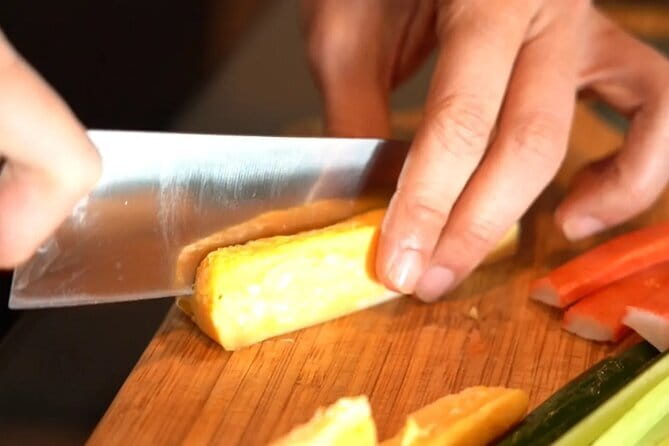
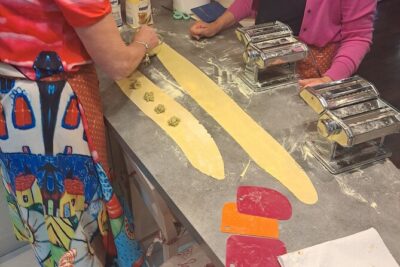
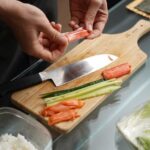
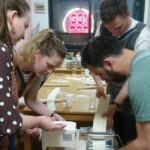
Ramen noodles are where most people feel disconnected from the food. You buy them in packages and move on. Here, you actually work with the noodle-making machine, so you can feel how noodle thickness and handling affect the result.
You’ll make the noodles as part of the class, and you’ll see how the kitchen approach keeps it manageable. Not everyone has made noodles before, and that’s okay. The instructor-led pacing matters more than starting with experience.
A key lesson you’ll likely remember: ramen is simple ingredients, careful technique. The noodle machine step is where that truth becomes obvious. You’re not doing magic—you’re getting consistency, which is what makes ramen taste like ramen.
If you’re cooking with friends or family, this is also the part where the class becomes fun fast. It feels like hands-on engineering for dinner. You’ll leave with a better sense of what to ask for when you buy fresh noodles in Japan later.
Gyoza Dumplings: From Bean Paste Filling to Pan-Frying
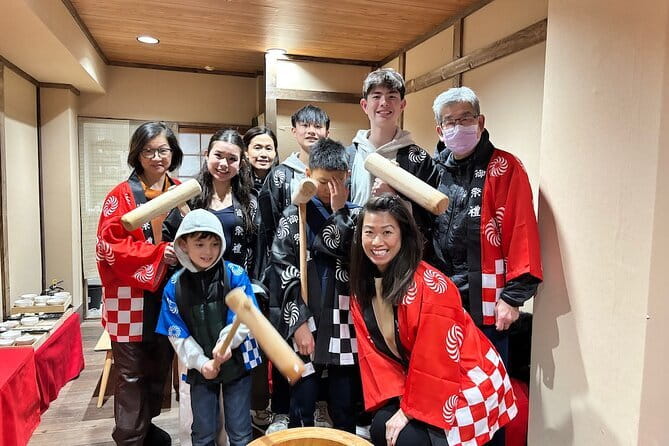
If ramen is the main character, gyoza is the side plot you’ll talk about later. The class teaches gyoza hands-on, starting with the filling and then moving into pan-frying. That sequence matters because dumpling texture depends on what you do at each stage.
You’ll work on preparing the filling with bean paste, then shape your dumplings as you go. After that, you pan-fry the gyoza as part of the guided process. You’re learning the technique that gives gyoza its signature look: crisped bottoms with tender interiors.
One of the best signs here is that the class doesn’t treat gyoza like a throw-in. They guide the full workflow, so you’re not just assembling a final plate. You’re learning how the dumpling comes together from scratch.
And yes, the class is thoughtful about diets. If you request vegetarian or have allergies during booking, they will make adjustments. One review specifically praised their willingness to make a vegetarian gyoza version, which is exactly the kind of consideration you want when you’re spending money and time on a cooking class.
The Meal You Actually Eat: Half-Rice Ramen with Gyoza

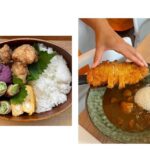
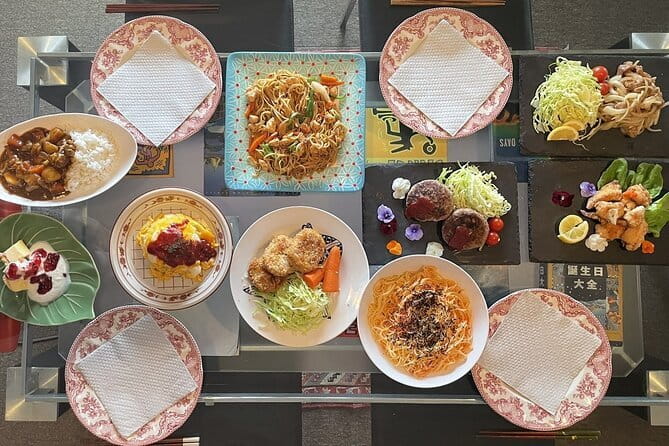
At the end, you get to enjoy what you cooked, not just take photos and escape. The meal is described as half-rice ramen with gyoza, which is a clever format. It lets you experience ramen flavor while also enjoying the comfort of rice alongside dumplings.
This matters because ramen can be a bit much if it’s only noodles. Adding rice changes the way you pace the meal, so it feels more balanced. You also get a chance to compare your soup base choice with the gyoza you made—soy, miso, or salt isn’t an abstract decision anymore. It becomes part of your actual bite.
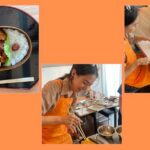
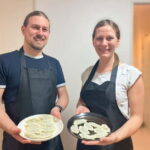
You’ll also be able to take photos during the experience, which is a nice extra. Food-focused classes often feel like a production line, but this one builds in the moment where you sit down with your results.
Photos, Recipes, and Take-Home Cooking Chopsticks
Good cooking classes end in one of two ways: you either remember it vaguely, or you leave with tools to recreate it. This experience aims for the second option. You’ll receive the recipes you learned in the course, plus souvenirs based on them.
There’s also a take-home gift: cooking chopsticks. It’s a small item, but it signals a real intention. This class wants you to keep cooking after Osaka, not just remember a fun afternoon.
For practical value, the recipe handoff is the big deal. If you’re the kind of person who likes to cook at home but forgets how a meal came together, written steps save you. You’ll also have a clearer mental map of the order of operations the next time you cook noodles and dumplings.
Price and Value: What $84.70 Actually Buys You
At $84.70 per person for about 2 hours 30 minutes, this is not the cheapest thing you can do in Osaka. But it’s also not pretending to be a bargain street snack. The value comes from what’s included.
Your price covers materials, the cooking lesson fee, the venue fee, and tableware/cooking equipment rental. It also includes a souvenir fee and a take-home component tied to what you learned. That means you’re paying for instruction and ingredients, not just “access” to a kitchen.
What’s not included is drinks or alcohol, plus your transportation to the meeting point. So plan your budget like this: pay for the cooking experience, then handle your personal beverage preferences separately.
When I look at value for classes like this, I ask one question: will I be able to reproduce the meal without guessing? Here, you leave with recipes and techniques that match what you cooked. That’s how you get your money back later, in the form of dinners you actually enjoy.
Timing, Group Size, and How to Get the Most Out of 2.5 Hours
The class runs multiple daily time slots, which helps you match it to your travel rhythm: 7:30–10:00, 11:00–13:30, 14:30–17:00, and 18:00–20:30. That flexibility matters in Osaka, where weather and energy levels can swing quickly.
The duration is listed at about 2 hours 30 minutes, and it feels built for steady progress. You’ll start with a meeting and walk to the studio, then move into soup base, noodle work, gyoza steps, and finally eating. You don’t want to arrive late, because the whole flow depends on starting on time.
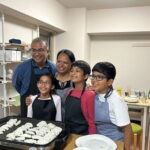
With a maximum of 15 travelers, you should expect a more hands-on feel than big-group classes. That also means the chef team can adjust when someone’s dumpling shaping needs a reset.
What should you bring? The listing doesn’t mention special gear, but you’ll be working with food, so wear comfortable clothes. Also consider asking in advance about your allergies or vegetarian requirements so they can adjust during booking.
Who Should Book This Ramen and Gyoza Class
This class is ideal if you want an Osaka food experience that feels authentic and repeatable. It’s also a strong option for people who enjoy learning the method behind a dish, not just the final taste.
I’d especially recommend it if any of these are true:
- You like cooking but want a structured, guided way to learn ramen and gyoza.
- You’re traveling with a small group and want a shared activity with clear steps.
- You want something indoor-friendly when the weather is less cooperative, since the main work happens in the studio.
One note for picky eaters: the class is built around ramen and gyoza, so you’re committing to those flavors and textures. If you dislike dumplings or noodles, it may not be your best use of time.
Also, if your diet is limited, don’t wait. The experience asks you to inform them about allergies or vegetarian needs at booking. That’s how you get the best results and avoid awkward surprises.
Should You Book Make Ramen and Gyoza with Homemade Secret Recipe?
I’d book it if you want a hands-on Osaka experience where you choose your soup base, make noodles, learn gyoza from filling to pan-frying, and then eat what you made. The price is higher than a casual food stop, but the inclusions make it feel closer to a paid lesson than a simple tasting.
Skip it if you’re hoping for a mostly passive experience, or if you’d rather spend your time exploring on your own rather than cooking in a 2.5-hour block. Also consider your food comfort level—this is ramen and dumpling focused, not a broad sampler of many dishes.
FAQ
How long does the ramen and gyoza cooking class last?
The experience lasts about 2 hours 30 minutes.
Where do I meet for the tour?
You meet at Matsuyamachi Station.
What soup bases can I choose for my ramen?
You can choose from soy sauce, miso, or salt.
Do we make gyoza during the class?
Yes. You’ll learn the process of making gyoza, including preparing the filling and pan-frying.
Is food provided as part of the experience?
Yes. You’ll enjoy and taste what you cooked at the end, and you’ll take photos.
What is included in the $84.70 price?
The price includes material costs, the cooking lesson fee, venue fee, souvenir fee, and tableware/cooking equipment rental.
Is the experience refundable if I cancel?
No. This experience is non-refundable and cannot be changed for any reason.