REVIEW · OSAKA
Osaka: Ramen and Gyoza Cooking Class in Dotonbori
Book on GetYourGuide →Operated by Cooking Sun · Bookable on GetYourGuide
Ramen and gyoza go from street food to real cooking skill. This Osaka class gets you kneading wheat for ramen noodles, then making gyoza with a minced chicken filling, all with fresh ingredients and step-by-step English guidance. It ends the way the best lessons do: with a warm bowl and crisp dumplings that come from your own hands.
Two things I love: you get hands-on practice with the parts people usually skip when they just order, like cutting ramen noodles with a noodle machine. And you leave with written recipes, so you can recreate soy sauce ramen or switch to a miso-style soup at home. The vibe is also small and personal, and instructors like June and Miki (and sometimes teachers named Yoshi or Kasa) keep things moving without talking over you.
One drawback to plan for: it is not the easiest building to find. The meeting point is specific (Cooking Sun Osaka, room 807), and the entrance requires you to press 807 and the call button when you arrive.
In This Review
- Key things you’ll like before you book
- Entering Osaka’s Ramen-Making World (Dotonbori energy, classroom focus)
- Kneading, Cutting, and Timing: The ramen noodle skill you keep
- Soy Sauce Ramen vs. Miso Ramen: How you customize a classic
- Gyoza from Scratch: Crisp edges, confident filling
- Small-group help at Cooking Sun Osaka (Room 807 instructions that matter)
- Vegan and fish-broth substitutes: Comfort food that adapts
- What you get at the end: eating your own ramen and gyoza
- Price and value of a $70 ramen and gyoza class
- Who this class is best for (and who might skip it)
- Should you book this Osaka ramen and gyoza cooking class?
- FAQ
- What dishes will I make in the Osaka class?
- Is the cost ($70) a meal, or does it include cooking supplies too?
- Does the class include hotel pickup and drop-off?
- Where do I meet, and what do I do when I arrive?
- How long is the cooking class?
- Does the class run with a small group?
- Are there options for vegans or dietary restrictions?
Key things you’ll like before you book
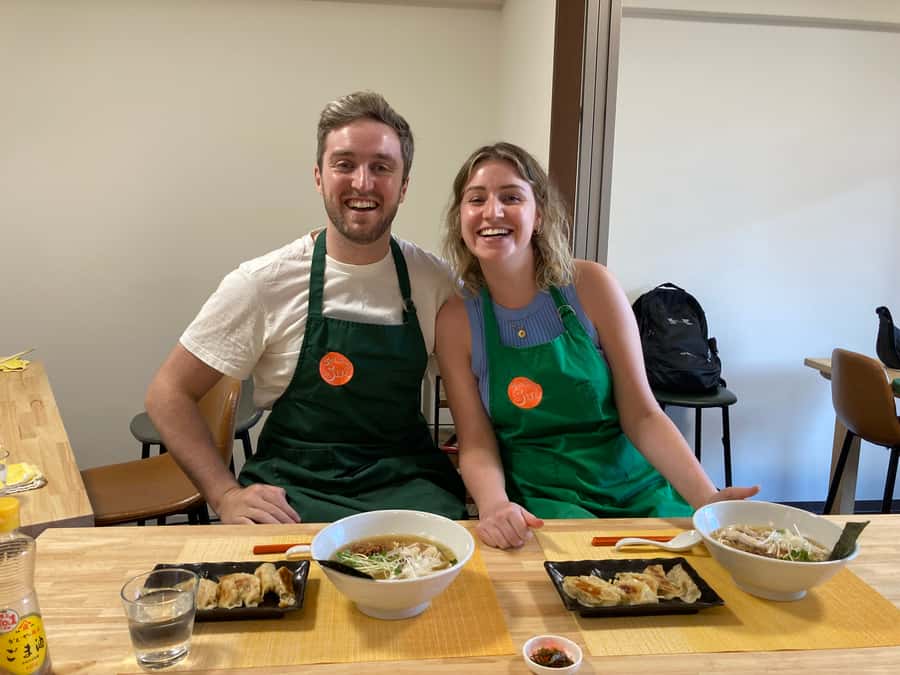
- Knead ramen dough yourself, then cut noodles using a noodle machine
- Soy sauce ramen basics, with options to customize toppings or go miso
- Gyoza made from scratch, including the minced chicken filling
- Small group format (often described as up to 7–8 people) for real help
- Dietary adjustments possible, including plant-based gyoza options mentioned by vegan diners
- Take-home recipe sheets so the lesson keeps going after Osaka
Entering Osaka’s Ramen-Making World (Dotonbori energy, classroom focus)
Osaka is famous for food, but this class turns the noise of Dotonbori into something calmer: a working kitchen and a clear goal. You will cook two of Japan’s most ordered comfort foods together: ramen and gyoza. It is built around one simple idea: learn the technique, then understand why the dish tastes the way it does.
The ramen portion starts with the foundation. You are not just assembling ingredients. You’re kneading wheat to form ramen noodles, then cutting them with a noodle machine. That one step changes how you understand ramen. Most people only see springy noodles at a shop. Here you learn how texture and thickness affect bite, and why the dough needs the right feel before it goes through the machine.
You will also learn the flavor backbone of a classic bowl. In this class, the standard is soy sauce ramen, and the soup is made from chicken bones plus dried sardines. That combo is a big deal in Japanese dashi culture, and once you smell and taste it, ramen stops being mysterious.
You can also read our reviews of more tours and experiences in Osaka.

Kneading, Cutting, and Timing: The ramen noodle skill you keep
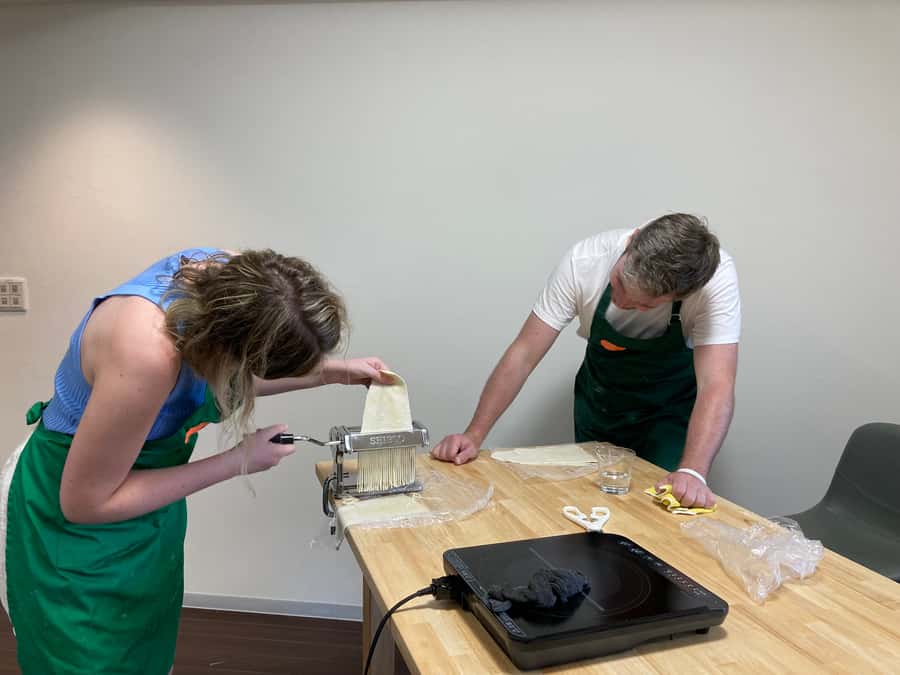
This class treats ramen noodles like the star they are. You’ll knead the wheat dough by hand, then work with the noodle machine to cut the noodles. The instructions are in English, and the guides stay close enough to help if your pace lags.
Here’s the practical value: ramen dough is not “hard,” but it is exact. Small differences in dough handling can change how noodles cook and how they hold sauce. In a classroom, you can learn that through feedback instead of guessing at home.
One more thing I appreciate: the class pacing is described as well timed. People specifically mention that they did not feel rushed. That matters because ramen noodles and dumpling wrappers both need attention at the right moment. If you are distracted, things can go from perfect to slightly off. In this setup, you are usually guided to stay on track.
Also, come hungry. More than one person said they finished everything. If you show up with a big snack already in your stomach, you’ll lose some of the fun of the final bowl.
Soy Sauce Ramen vs. Miso Ramen: How you customize a classic
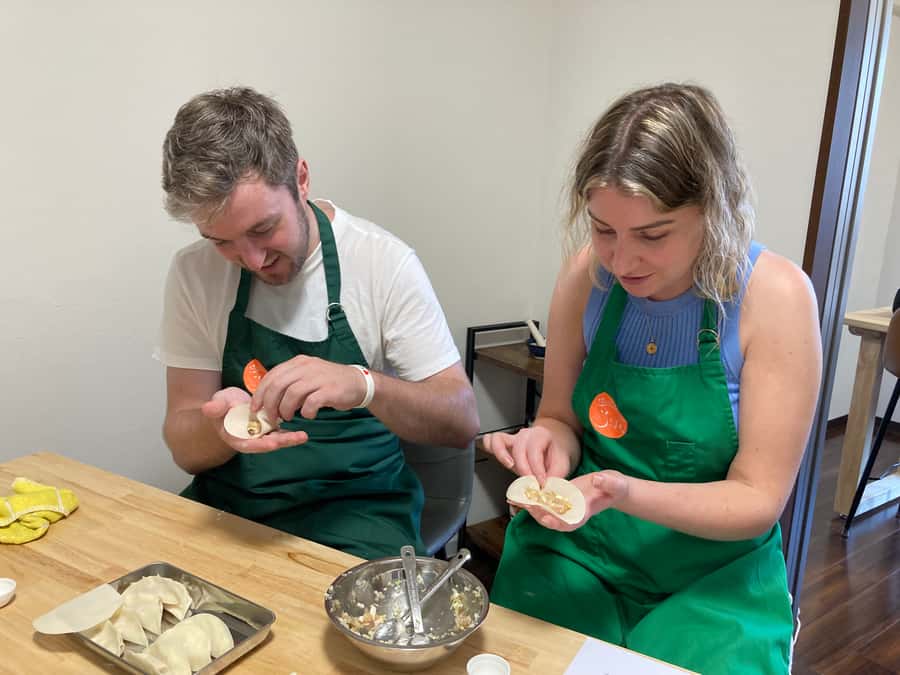
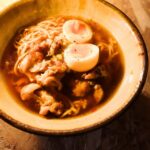
The ramen you make in class is centered on a standard soy sauce base. The soup uses chicken bones and dried sardines, which gives it that savory depth that makes a simple bowl feel special.
Then comes the part you’ll actually use later: toppings and soup variation. You can add various toppings as you like during the class. You can also make it a miso ramen style by adding miso to the soup. You’re not just learning one final dish. You’re learning the logic of how Japanese ramen shops build flavor.
From an everyday-traveler point of view, this is what makes the class worth more than a normal restaurant meal. You learn the parts you can control. Back home, you can stop chasing a single recipe and instead replicate the style: savory base, then miso or soy, then toppings that match your preferences.
Gyoza from Scratch: Crisp edges, confident filling
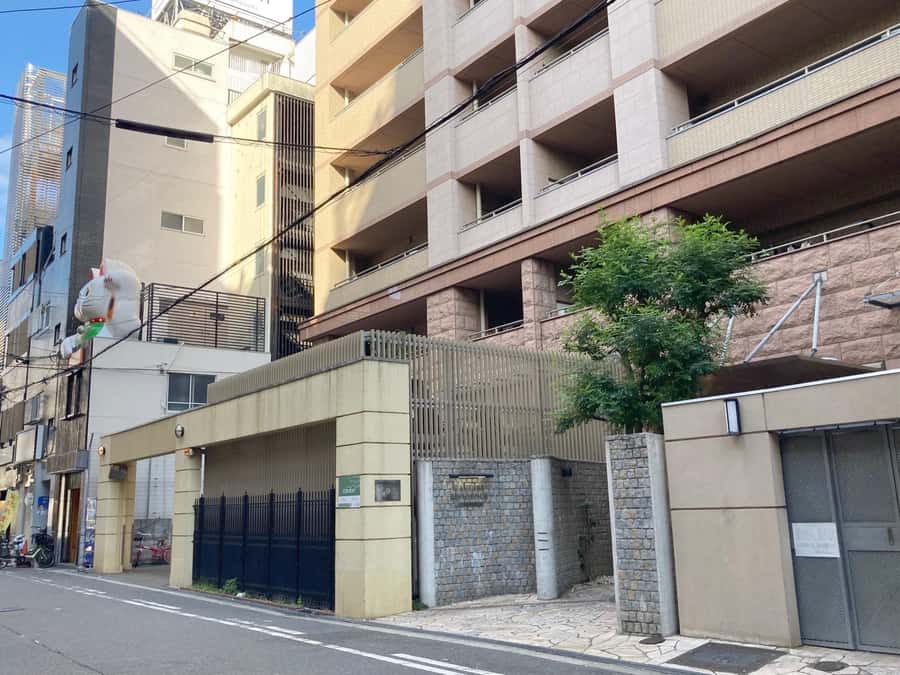
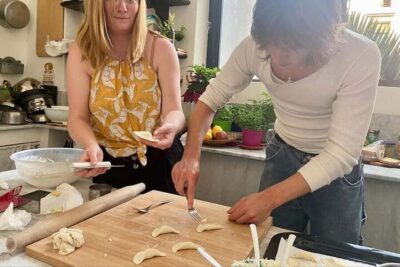
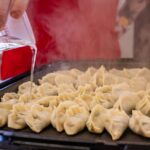
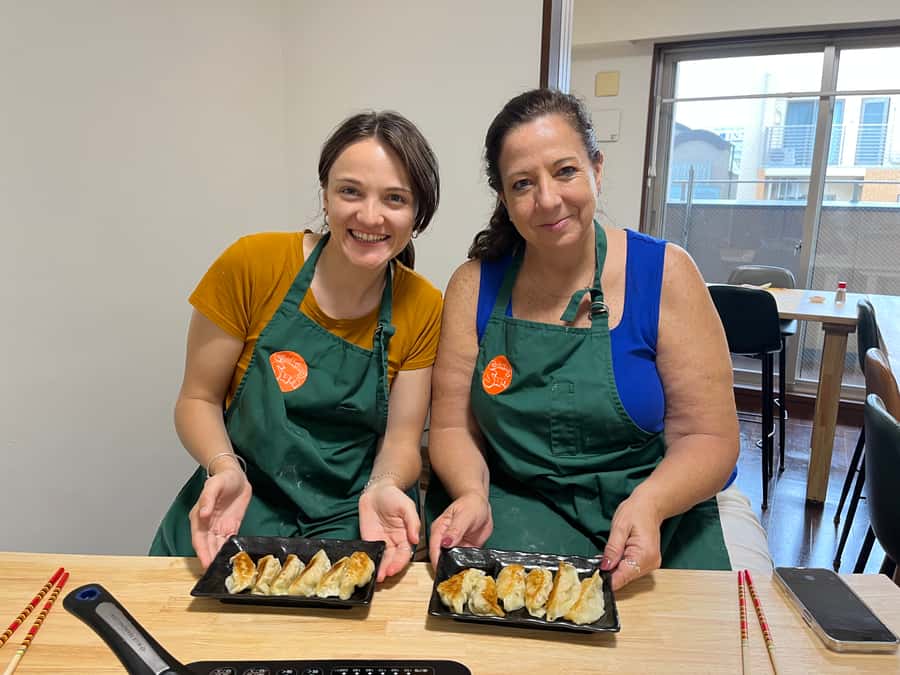
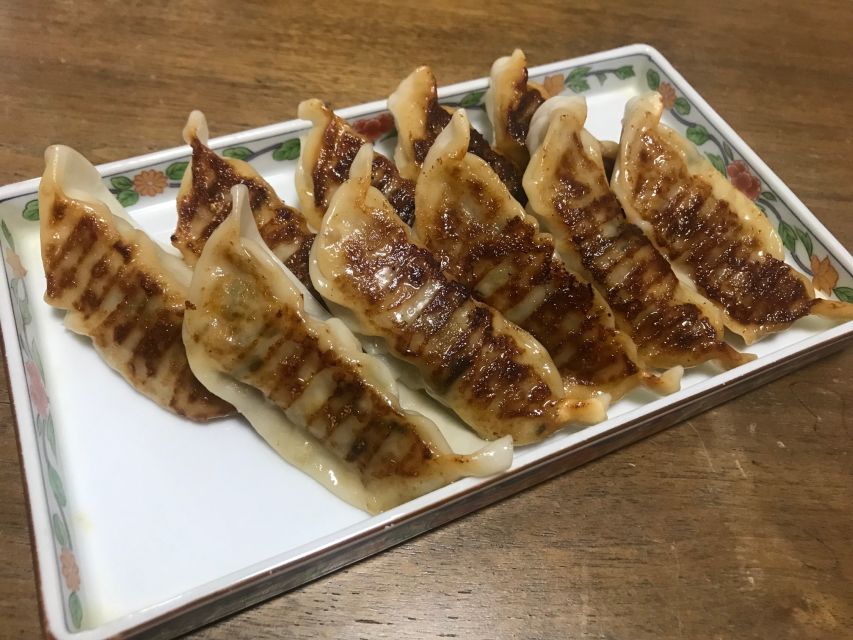
Gyoza is the second centerpiece, and it’s handled with the same hands-on focus. You will make original dumplings and work on the minced chicken filling. That includes prepping and portioning the filling so you can stuff the wrappers evenly.
The best part is that gyoza is forgiving compared to noodles, but it still rewards technique. Good gyoza has a contrast: tender inside, crisp edges outside. Even if you don’t master the perfect sear on day one, you will learn what to aim for and how to correct if something feels off while cooking.
Some classes also pair gyoza prep with the downtime in ramen making. One participant described making gyoza while ramen dough rested. That’s smart because it keeps your time productive and reduces that long stretch of waiting around that some cooking classes accidentally create.
If your interest is Japanese food beyond just ramen shops, gyoza is a great entry point. It shows how Japan does comfort food with technique: wrapping, filling, then cooking for texture.
Small-group help at Cooking Sun Osaka (Room 807 instructions that matter)
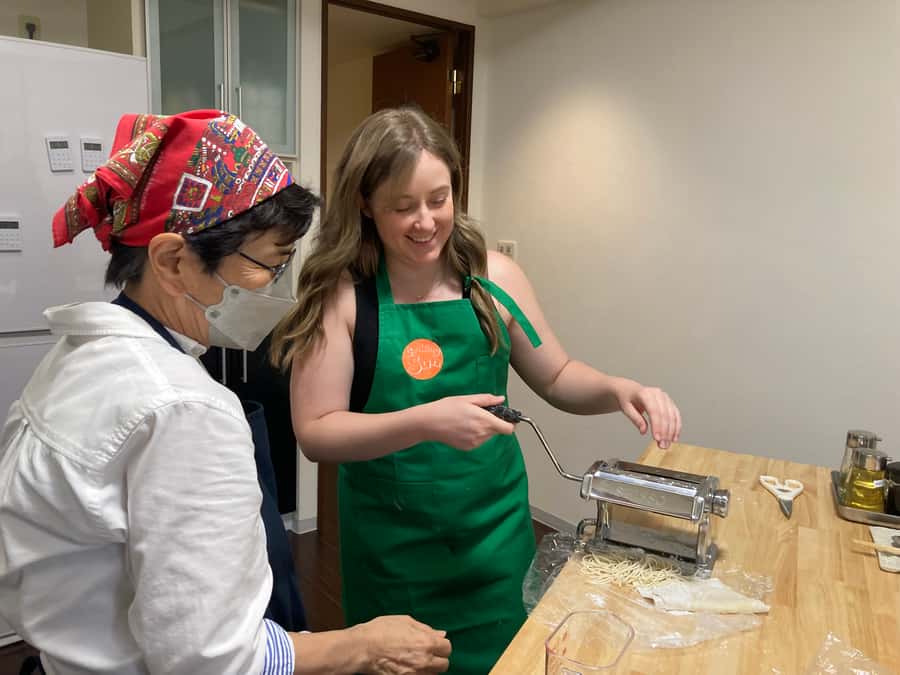
The meeting point is Cooking Sun Osaka, room 807. When you arrive, press 807 and the call button at the entrance. The class ends back at the meeting point, so you do not need to plan onward transport in the middle of your meal.
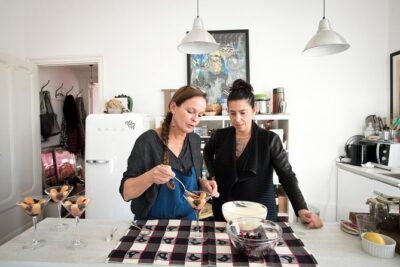
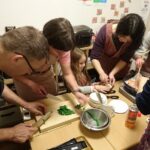
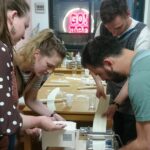
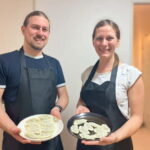
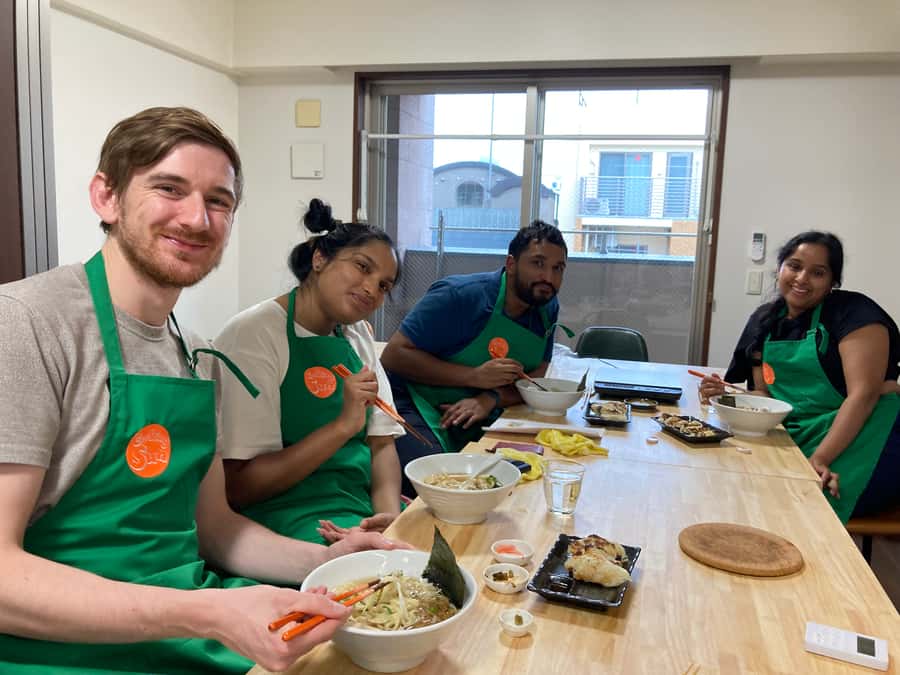
Many people describe this as intimate, often with around 7 to a class, and up to 8 people mentioned. That small size is not a marketing detail. It affects how much feedback you get while working the dough and forming dumplings.
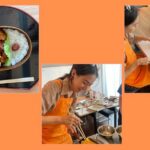
In reviews, people repeatedly praise instructors for stepping in when someone falls behind. That is what makes a hands-on class work. If you are learning noodle cutting and dumpling prep, you want eyes on what you are doing, not a lecture from across the room.
One more practical note: the building can be a little tricky to locate. If you are navigating on foot, give yourself a few extra minutes and don’t assume the entrance will be obvious.
Vegan and fish-broth substitutes: Comfort food that adapts
One surprise win here is flexibility. If you mention a dietary preference on arrival, the class may adjust. At least one vegan diner reported they were quickly offered a plant-based option, and vegetarian or vegan participants were looked after.
There’s also mention of substitutions related to fish broth. That matters because ramen broth often uses fish-derived ingredients. If you are avoiding specific ingredients, it helps to know the instructors are willing to work with the menu rather than forcing you to sit out.
What I suggest: if you have a dietary restriction, tell the staff clearly when you arrive. You cannot assume substitutions will be automatic, but the class has shown it can adapt.
What you get at the end: eating your own ramen and gyoza
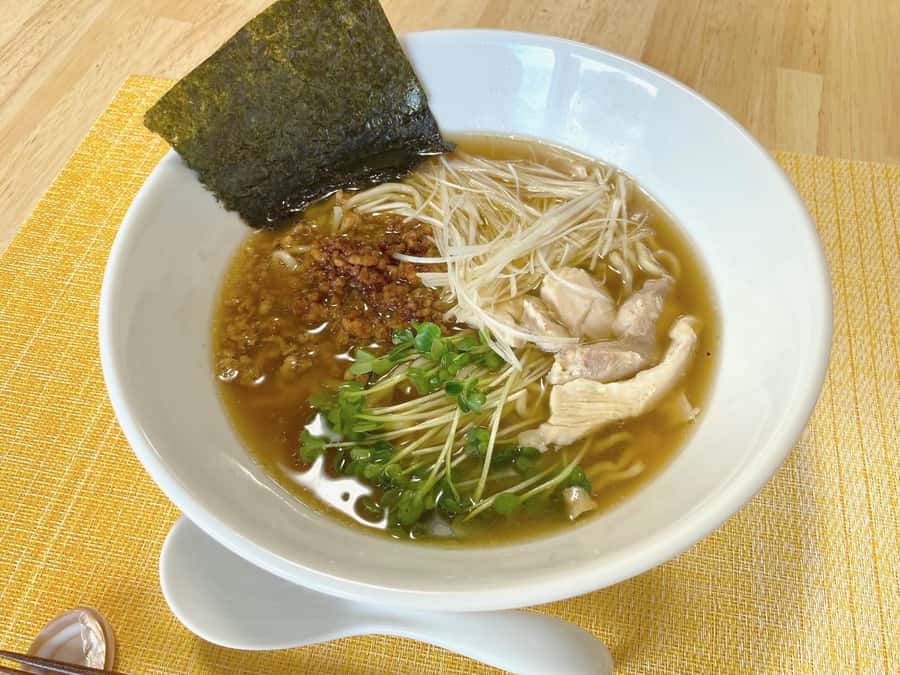
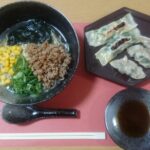
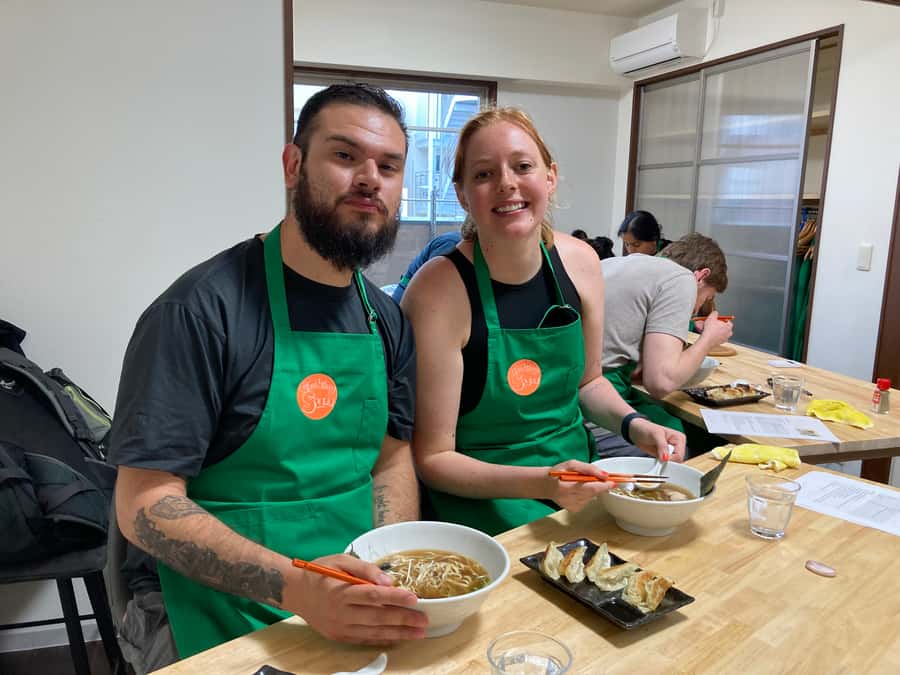
The payoff is immediate. After you finish making both dishes, you sit down and eat what you made. That sounds obvious, but in real life it’s the difference between a fun activity and a learning experience that sticks.
People praise the finished ramen as rich and flavorful. Gyoza also gets strong marks for being some of the best dumplings people had in Japan. If you are the type who hates wasting time, you’ll appreciate that the hands-on work leads to an actual meal, not a take-a-look-then-leave situation.
Also, some guides help with photos on request. That’s a small thing, but it helps you capture the moment without awkwardly juggling your own camera while handling dough.
Price and value of a $70 ramen and gyoza class
At $70 per person, this is not the cheapest thing you can do in Osaka. But it’s also not just a dinner. You’re paying for ingredients, instruction, and technique practice that you could not easily replicate from scratch in your own kitchen while on vacation.
Here’s the math I use for value:
- If you try to learn ramen noodles alone at home, you would still need time, tools (especially a noodle machine), and ingredient sourcing.
- In this class, you get guidance on the exact steps, plus the broth build for a classic soy sauce ramen.
- You leave with written recipes, which extends the value beyond the meal.
So the cost makes more sense as a skills purchase than as a food purchase. If you enjoy cooking, ramen culture, or Japanese comfort food, this can be a better deal than paying for one more bowl and calling it learning.
Who this class is best for (and who might skip it)
This works especially well if you:
- want a memorable Osaka food experience beyond restaurant hopping
- enjoy cooking and want a repeatable skill, not just a tasting
- travel in a small group or as a couple and like getting personalized help
- have kids who enjoy hands-on tasks (an 11-year-old is mentioned as loving the class)
You might consider skipping if:
- you dislike kitchens and prefer restaurant meals
- you need ultra-flexible scheduling, since the class relies on timing for noodles and dumplings
- you hate the idea of kneading dough and dealing with food prep mess
But if you are open to getting your hands in the process, it is one of the more satisfying “do something” experiences in Osaka.
Should you book this Osaka ramen and gyoza cooking class?
I think you should book it if you want real technique and not just a food stop. The strongest reasons are simple: you cut ramen noodles yourself, you build a soy sauce ramen base from scratch, and you make gyoza filling by hand. Then you eat it right there.
If you are coming for the taste only, a restaurant ramen bowl might feel more convenient. But if you want the “now I understand how this dish works” feeling, this class delivers. Just plan for finding the meeting spot at Cooking Sun Osaka, room 807, and come ready to cook.
FAQ
What dishes will I make in the Osaka class?
You will make ramen and gyoza from scratch, using ingredients provided by the class.
Is the cost ($70) a meal, or does it include cooking supplies too?
The class price includes the ingredients needed for the cooking. It is not just a meal where you watch and eat.
Does the class include hotel pickup and drop-off?
No. Hotel pickup and drop-off are not included.
Where do I meet, and what do I do when I arrive?
The meeting point is Cooking Sun Osaka, room 807. When you arrive, press 807 and the call button at the entrance.
How long is the cooking class?
The class timing is described as about 2 to 3 hours, depending on the session pace.
Does the class run with a small group?
Yes. Many descriptions mention an intimate group size, often up to around 7 to 8 people.
Are there options for vegans or dietary restrictions?
Vegan and vegetarian adjustments are reported. One guest said the class quickly adapted the recipes with a plant-based option, and there are mentions of substitutions related to broth ingredients.