REVIEW · OSAKA
Cooking Ramen&Gyoza/KatsuCurry/Bento/Okonomiyaki+Store Tour@Osaka
Book on Viator →Operated by Osaka Cooking Base · Bookable on Viator
This is the fastest way to learn Osaka cooking. You get a guided food walk near Osaka Tenmangu Shrine, then you cook your choice of iconic dishes. I like that the class is taught in English and the instructor coaching helps you nail real techniques. My only caution: the shop walk is more about learning how locals buy and cook than a guaranteed full ingredient shopping trip for every recipe.
The private-group feel matters here. You’ll work closely with your teacher—one past instructor named Rie stood out for her clear English and hands-on guidance—and the atmosphere is friendly enough for families and serious food nerds alike. If you’re expecting a strict, pre-locked schedule of shopping plus cooking, go in with flexible expectations.
You’ll meet at Tenjinbashi in Kita Ward and finish back where you started, making it easy to plug into an Osaka day. And since it runs around 3 hours with a mobile ticket, you don’t need a complicated plan to get value from your time.
In This Review
- Key highlights you’ll actually care about
- A 3-hour private Osaka cooking base that turns cravings into skills
- Finding the meeting point near Tenmangu Shrine (and why it helps)
- The local shop walk: how Osaka shopping habits shape flavor
- Choosing your dish: what each Osaka option teaches you
- Okonomiyaki: sauce, batter, and timing
- Bento: assembly skills you can use at home
- Katsu curry: crispy outside, saucy inside
- Ramen & gyoza: comfort food with real handling
- In the kitchen with a patient teacher (and real feedback)
- What you eat, and why it changes how you cook later
- Price and value: what you really get for $85.89
- Who this Osaka cooking base class fits best
- Should you book this cooking class in Osaka?
- FAQ
- FAQ
- What dishes can I cook on this Osaka tour?
- How long does the experience last?
- Is this class taught in English?
- Where do I meet for the tour?
- Is the tour private or shared with other groups?
- How do I get my ticket?
- Can the class handle larger groups?
- What if I have allergies or dietary restrictions?
- Is there a cancellation fee?
- What happens if the weather is bad?
Key highlights you’ll actually care about
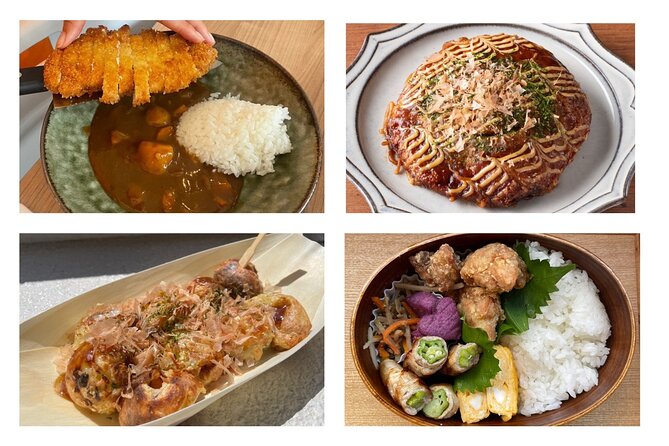
- Choose your dish: okonomiyaki, bento, katsu curry, or ramen & gyoza
- Learn in English with beginner-friendly recipes you can recreate at home
- Shop like a local on a short walk near Osaka Tenmangu Shrine
- Small-group coaching with lots of Q&A and technique feedback
- Private by group (with options for larger groups at extra cost)
- Hands-on and full: you cook, then you eat what you make
A 3-hour private Osaka cooking base that turns cravings into skills
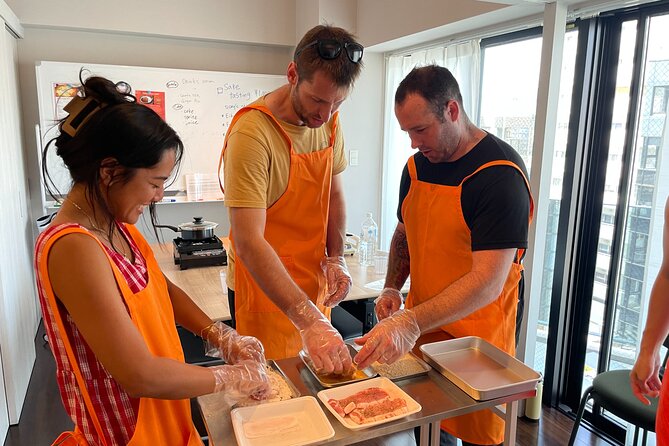
Osaka is famous for eating well and eating often, but this experience gives you something extra: technique you can reuse. In about 2.5 to 3 hours total, you’ll go from seeing local food routines to cooking one of four classic dishes yourself. That change is the whole point. You’re not just sightseeing with chopsticks in hand.
The “private” part is also meaningful. Your group is the only group in the session, so you’re not squeezed into someone else’s pace. It also tends to make questions feel easier, which matters when you’re learning things like texture, heat control, and timing.
The menu choice is another big win. You get to pick katsu curry, bento, okonomiyaki, or ramen & gyoza rather than being stuck with one predetermined dish. That makes the lesson feel personal, especially if there’s one Osaka flavor you already love.
One practical note: this isn’t a restaurant meal where everything is done for you. You’ll be working. You’ll also be eating, but don’t treat it like a quick snack stop. Plan your day like you’re scheduling cooking time.
You can also read our reviews of more tours and experiences in Osaka.

Finding the meeting point near Tenmangu Shrine (and why it helps)
You’ll meet at 1-chōme-17-10 Tenjinbashi, Kita Ward, Osaka 530-0041, Japan, and the activity ends back at that same point. That round-trip setup is convenient. It means you’re not hunting for transit with greasy hands and a full stomach.
The meeting area matters, too. The start location sits in the Tenjinbashi/Kita Ward zone, close to the Osaka Tenmangu Shrine area that the walk is based around. That puts you in a neighborhood where food culture is part of daily life, not just a tourist display.
It’s also described as easy to reach by public transportation, which is what you want in Osaka. You can build the rest of your day without planning around taxis or complicated detours. A mobile ticket keeps things simple on arrival.
If you’re doing other activities the same day, aim for a schedule that doesn’t require you to rush right after. You’ll want time to taste the food you made and take a breath before your next stop.
The local shop walk: how Osaka shopping habits shape flavor
Before the kitchen portion, you’ll take a guided walk through smaller, local shops near Osaka Tenmangu Shrine. This part isn’t a long lecture. It’s meant to be practical and visual—where locals shop, what seasonal ingredients look like, and how ingredients are used in everyday cooking.
This is where you learn the “why” behind flavors. When someone points out seasonal produce or ingredient choices, you start understanding how Osaka kitchens think: not just what tastes good, but what ingredients make sense right now.
The guide experience is also built around interaction. You meet friendly shop owners and you can ask questions. That’s a big difference from walking through a market where you only watch. You’re participating in the food culture, even if your participation is just asking smart questions and tasting what’s around.
One thing to know: a few people hoped for more of a full ingredient-shopping experience tied directly to the recipes. The walk is culturally focused, and you might not come away with the impression of a dedicated shopping stop for every item you’ll use in class. So if your dream is to buy everything for your cooking plan that day, set your expectation as more “learning and light tasting” than “complete supply run.”
Choosing your dish: what each Osaka option teaches you
The class lets you pick one dish from four big-name Osaka favorites. That choice isn’t just variety; it changes what skills you practice.
Okonomiyaki: sauce, batter, and timing
Okonomiyaki is a great option if you want a savory “make it yourself” dish with instant payoff. You’ll work on the batter and the cooking rhythm needed for that right texture. It’s also the kind of meal where small technique changes make a noticeable difference, so you’ll get coaching on form and heat.
If you’ve tasted okonomiyaki in Osaka before and wished you knew how the base comes together, this is the path. The lesson helps turn that restaurant magic into repeatable steps.
Bento: assembly skills you can use at home
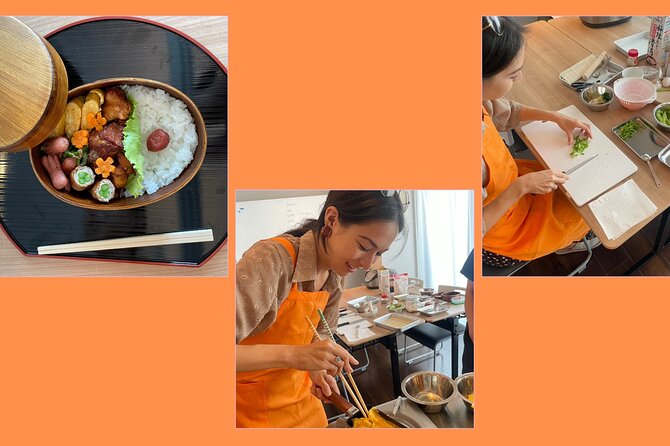
If you want something practical beyond one meal, pick bento. Bento cooking training is often about organization—how you structure parts, balance flavors, and keep things working on the plate. Even if you’re not a daily lunchbox person, these skills translate well to home cooking.
Bento also tends to feel less stressful than dishes where everything depends on one short window of heat. If you want controlled progress, it’s a smart choice.
Katsu curry: crispy outside, saucy inside
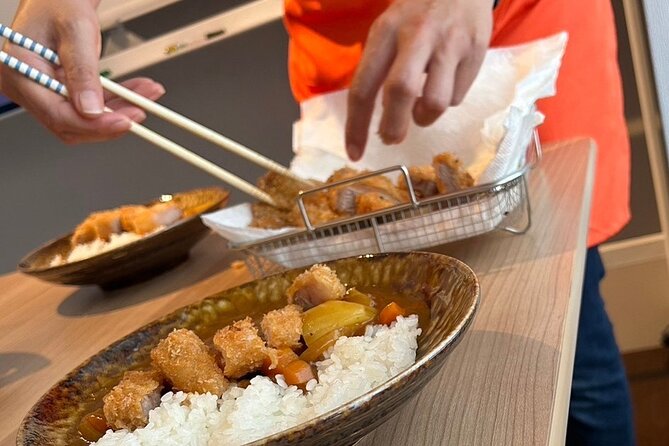
Katsu curry is a favorite for a reason: crisp cutlet plus rich curry sauce. You’ll practice the steps that help keep the coating crunchy and the inside tender. The curry part gives you a chance to understand how the sauce comes together rather than treating it as a mysterious bottle-and-brown mixture.
One of the standout themes from past classes is how doable the dish felt afterward. People liked that they could reproduce the katsu and curry flavors at home, which is exactly what you want from a cooking lesson.
Ramen & gyoza: comfort food with real handling
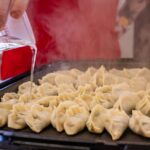
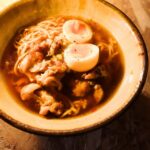
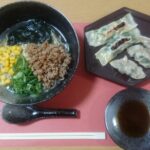
Ramen & gyoza is a strong choice if you’re chasing comfort-food mastery. Ramen brings you into the world of hot broth timing and assembling components. Gyoza adds technique: the handling and cooking method matter for the right bite.
This option is a good match if you like the idea of learning a full duo rather than a single dish. It also feels special because it’s more “complete meal” than a simple snack.
In the kitchen with a patient teacher (and real feedback)
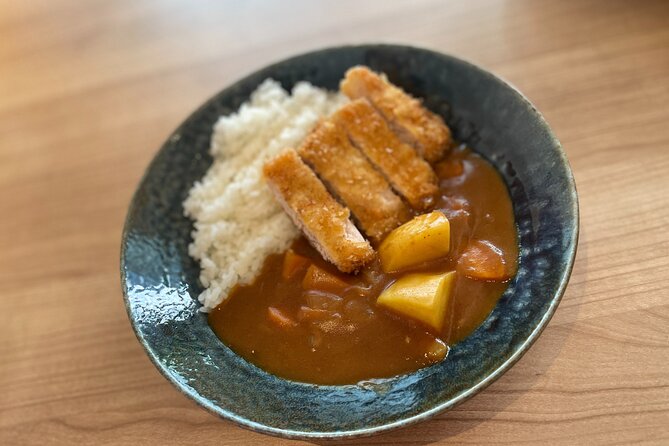
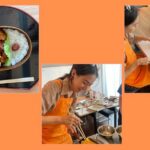
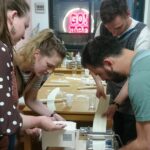
After the walk, you head back to the kitchen portion of the experience. Classes are taught in English, and the recipes are described as beginner-friendly. That’s important in a cooking class because beginner-friendly doesn’t mean low standards—it means the steps are taught clearly enough that you can actually succeed.
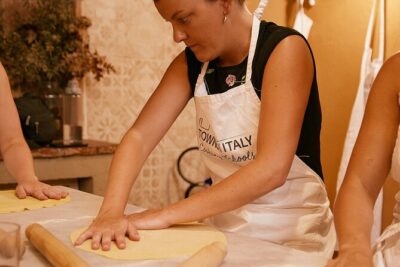
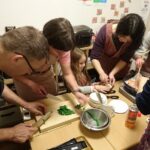
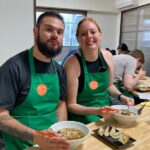
Past participants highlighted how personal the teaching felt. People pointed out that instructors took time to ensure they had a good experience and delivered feedback so the cooking steps made sense. One instructor named Rie stood out for being excellent and supportive, especially for learners who wanted to do the work themselves rather than just observe.
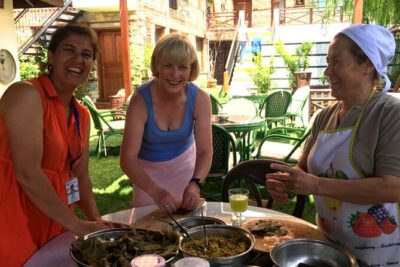
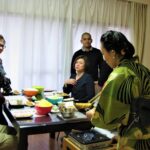
You’ll also experience the warmth of the setting. The class is described as a welcoming space where travelers, families, and locals come together through food. In one case, the session included a chef and an obachan, which signals the kind of home-style friendliness you want in a Japanese cooking lesson.
What you can expect in practice is simple: the teacher explains the technique, checks what you’re doing, and helps adjust. That feedback loop is where your confidence comes from. When you’re cooking something like katsu, okonomiyaki, or gyoza, “almost right” isn’t good enough. Small corrections make the difference between edible and enjoyable.
What you eat, and why it changes how you cook later
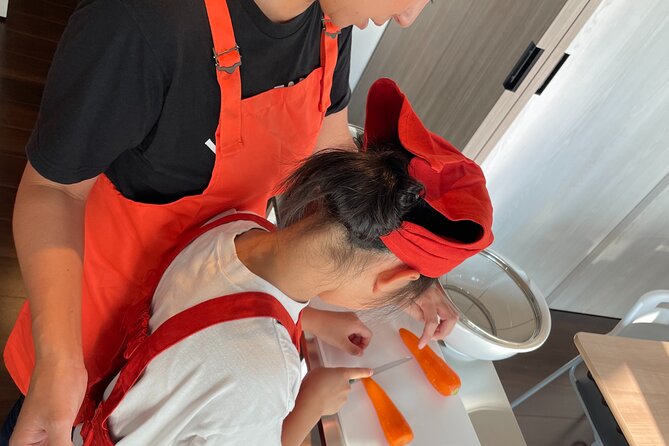
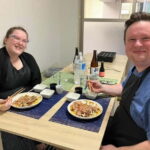
This isn’t just a hands-on class where you make food and then send it away untouched. You eat what you make. That matters because tasting is the fastest way to understand technique.
When you taste your own katsu curry or okonomiyaki, you start noticing the exact qualities that make the dish feel correct: crispness, sauce balance, texture, and how the components work together. Then, when you cook at home, you have a reference point.
The recipes being designed to be recreated at home long after your trip is another key value. A cooking class can be fun and still not help you later. Here, the focus is on giving you steps that make sense outside Japan, which is what you want if you’re paying to learn.
If you’re cooking for family, this matters even more. A class like this can give you the confidence to host a mini Osaka night at home. People have described kids especially enjoying making their own dish—like being proud of a katsu curry they cooked—so it can be a great family bonding activity, not just a solo foodie stop.
Price and value: what you really get for $85.89
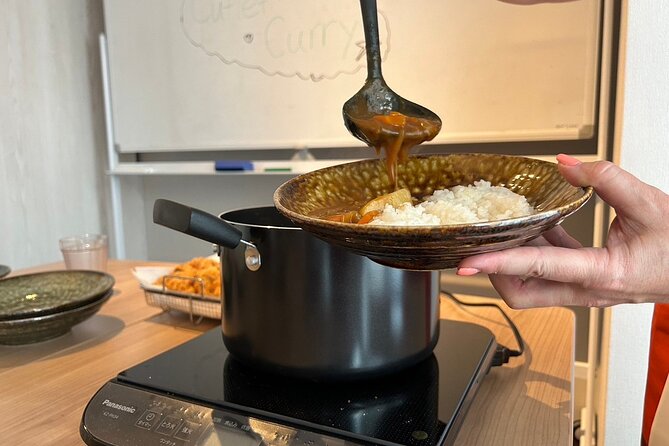
At $85.89 per person, this is priced like an experience that includes more than a meal. You’re paying for three things at once: a guided walk near Tenmangu Shrine, a small-group English-taught cooking class, and the chance to eat what you cook.
You’re also getting structure. A cooking lesson saves you from the guesswork of trying to recreate Osaka dishes from random recipes. Instead, you get coaching in real time, so you’re not just collecting information—you’re practicing.
Is it cheap? No. But for Osaka, this is also not priced like a high-end tasting menu. It sits in the sweet spot for travelers who want hands-on value without the hassle of hiring private chefs for full days.
Timing is part of the value too. With a total duration around 3 hours and a simple start/end setup, it fits easily into a typical sightseeing day. If you’re already planning to eat your way through Osaka anyway, this gives your food budget a learning payoff.
Who this Osaka cooking base class fits best
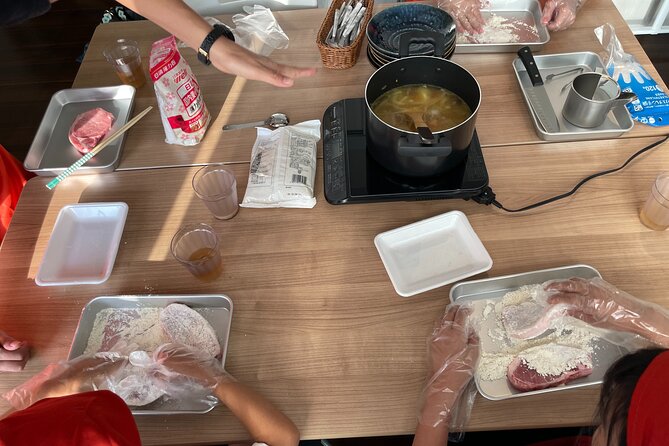
This works best if you want practical skill, not just photos. It’s ideal for:
- Beginners who want clear steps and English explanations
- Food lovers who already have a favorite Osaka dish and want to recreate it
- Families with teens, since the experience is described as welcoming and hands-on
- Adults who like local food culture and enjoy asking questions
If your goal is only to sample street food from stalls, you might find the “cook and eat” focus changes the pacing. You’ll still taste and learn, but you won’t be doing a long, wandering food crawl of everything Osaka offers. This is a class with cultural context, not a pure tasting tour.
If you have allergies or dietary restrictions, the instruction is to consult in advance. That’s the safe move because the class description doesn’t list any specific substitutions for every restriction.
Also, consider the weather requirement. The experience notes that it requires good weather, and if it’s canceled due to poor weather you’ll be offered a different date or a full refund. Osaka weather can be unpredictable, so check the forecast close to your day.
Should you book this cooking class in Osaka?
Book it if you want a focused Osaka food lesson with real technique and an easy schedule. I’d especially recommend it if you’re excited about one of the four choices and want to leave with more than a memory.
Skip or reconsider if you were hoping for a heavy shopping tour where you buy everything for the recipe on the spot. The shop walk is designed to teach how locals buy and cook, and it may not feel like a full ingredient procurement stop.
If you’re deciding between options, pick based on the dish you want to replicate at home. The class isn’t trying to force you into a generic menu. It’s set up so you can cook what you actually came for—whether that’s okonomiyaki, bento, katsu curry, or ramen & gyoza.
FAQ
FAQ
What dishes can I cook on this Osaka tour?
You can choose to cook one of four dishes: katsu curry, bento, okonomiyaki, or ramen & gyoza.
How long does the experience last?
The experience runs about 3 hours total, and the cooking class portion is described as 2.5–3 hours.
Is this class taught in English?
Yes. The cooking class is taught in English.
Where do I meet for the tour?
The meeting point is 1-chōme-17-10 Tenjinbashi, Kita Ward, Osaka, 530-0041, Japan.
Is the tour private or shared with other groups?
It’s private for your group only. Only your group will participate.
How do I get my ticket?
You’ll receive a mobile ticket.
Can the class handle larger groups?
Larger private groups can be accommodated for an additional cost.
What if I have allergies or dietary restrictions?
You should consult with the provider in advance if you have food allergies or dietary restrictions.
Is there a cancellation fee?
Cancellation is free. You can cancel up to 24 hours in advance for a full refund.
What happens if the weather is bad?
The experience requires good weather. If it’s canceled due to poor weather, you’ll be offered a different date or a full refund.