REVIEW · OSAKA
Sushi Making Osaka! Popular Sushi Class in Japan!
Book on Viator →Operated by Sushi Making Tokyo | Cooking Class in Japan · Bookable on Viator
Sushi gets real when you roll it. This class pairs a short sushi history intro with hands-on practice making nigiri and maki, then you eat your creations. One catch: there’s no hotel pickup, so you’ll want to map your own route to the meeting point in Osaka.
I like that it’s run by an English-speaking local team and kept to a small group (up to 10), so beginners get patient guidance, not a lecture. The vibe is clean and modern, and the pace feels made for first-timers.
Because you get a mobile ticket and the class starts and ends at the same spot, it’s easy to plug into an Osaka day. The meeting point is in Higashishinsaibashi (Chuo Ward), near public transport.
In This Review
- Key Highlights You’ll Care About
- Osaka Sushi Making: Why This 90-Minute Class Fits Real Travel Days
- The Class Flow: History First, Then Your Hands Learn Sushi
- Nigiri and Maki: What You’ll Be Learning (and Why It’s the Right Pair)
- The Instructor Experience: Small Group Attention in Plain English
- What You Eat: The Best Part Is You Get to Finish Your Own Work
- Dietary Options in the Real World: What’s Offered, What to Request
- Price and Value: How $35.75 Becomes a Full, Taught Meal
- Where It Starts in Osaka: Getting There Without Stress
- A Practical Osaka Add-On: Ask for Okonomiyaki Where You Can
- Who This Sushi Class Is For (and Who Might Want Something Else)
- Should You Book Sushi Making Osaka?
- FAQ
- Where is the meeting point?
- How long is the sushi making class?
- What types of sushi will I learn to make?
- Do you offer gluten-free, vegan, or halal options?
- What about allergy restrictions?
- Is hotel pickup included?
- Are service animals allowed?
Key Highlights You’ll Care About
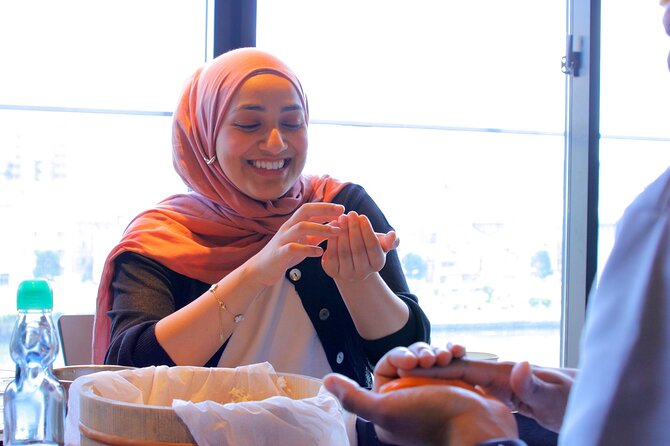
- Two sushi styles, hands-on: Nigiri and maki, with step-by-step help.
- Make, then eat: You’ll produce sushi during the session and enjoy it at the end.
- Small group size (max 10): More attention when you’re figuring out rice, cuts, and roll shape.
- English instruction with friendly energy: Instructors like Hayato and Takara are often mentioned by name in feedback.
- Dietary options available: Gluten-free standard, vegan/vegetarian, halal, plus allergy-focused options.
Osaka Sushi Making: Why This 90-Minute Class Fits Real Travel Days
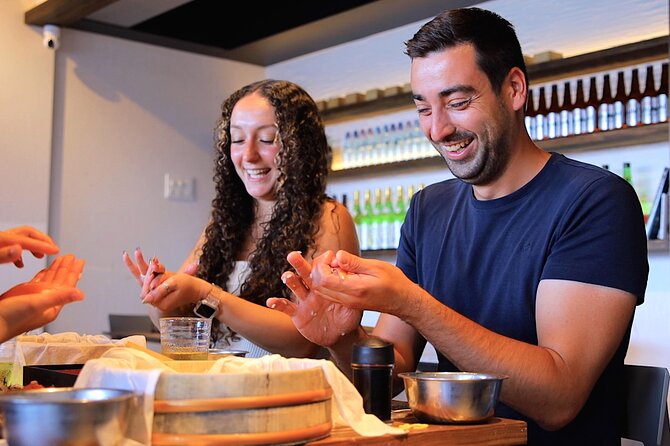
Osaka is one of the easiest Japanese cities to build a day around food. You’ve got neighborhoods you can walk between, subway stations that make cross-city travel simple, and plenty of places where food is the main event. A sushi class works well here because you can treat it as one “food anchor” in your itinerary, then keep exploring afterward.
This particular class is also a good deal for what you get. At $35.75 per person, you’re paying for an English-speaking instructor, the ingredients, and a meal you actually make yourself. It’s not just watching someone else work and then leaving hungry. The structure is simple: learn the basics, make multiple pieces, then eat what you produced.
One more reason I like it: the menu and staff are set up to support different diets if you plan ahead. That matters in Japan, where “plain” can still be packed with hidden ingredients. If you’re traveling with someone who needs gluten-free, vegan/vegetarian, or halal options, this class gives you a real path to join in.
You can also read our reviews of more tours and experiences in Osaka.

The Class Flow: History First, Then Your Hands Learn Sushi
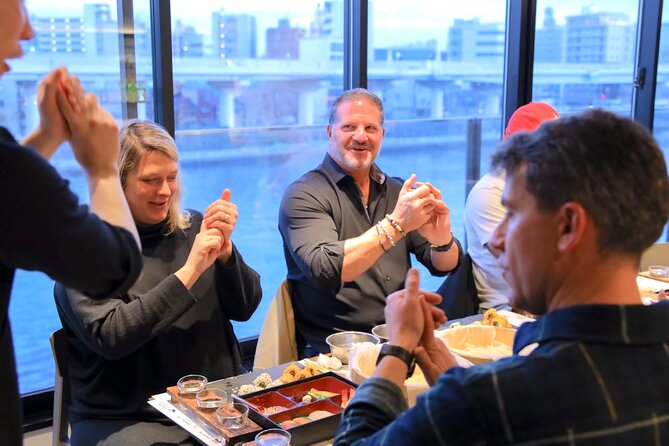
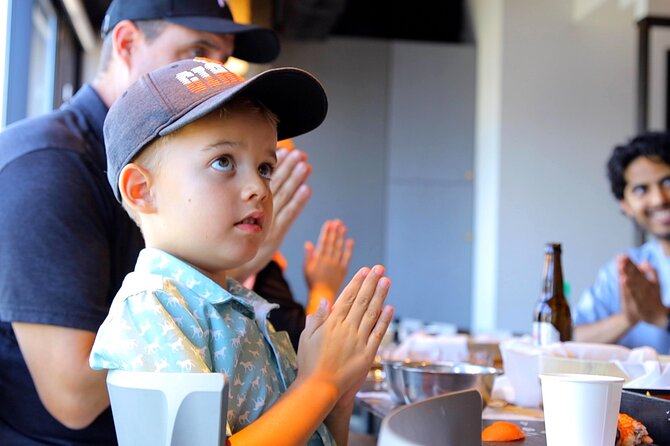
The class runs about 90 minutes, and it’s intentionally split into two parts. The first half is mostly about context and technique basics, with sushi history and some fun quiz-style moments (the kind that keep you paying attention without turning it into school).
Why the history piece matters: sushi doesn’t come out of nowhere. When you understand that nigiri is the standard, and that maki is the roll style you see worldwide, the steps you’re doing start to make sense. You’re not memorizing moves; you’re building a mental model of what you’re trying to create.
Then the second half is the “real work”: making sushi. You’ll learn how to make two types—
- Nigiri sushi (the classic, standard form)
- Maki sushi (roll sushi made by rolling ingredients with rice)
In practice, this layout is ideal for beginners. You don’t get overwhelmed right away. You get the why, then you get the how. And because you’re guided while you work, it’s less intimidating than trying to recreate sushi basics at home with only YouTube videos and a cutting board.
Nigiri and Maki: What You’ll Be Learning (and Why It’s the Right Pair)
This class doesn’t try to turn you into a full restaurant chef. Instead, it focuses on two representative styles that teach you the core skills behind sushi.
Nigiri sushi is a great first target because it teaches form and balance. You’ll practice how the rice and topping come together into a bite-sized unit. Even if your first pieces aren’t perfect, you’ll quickly learn what matters: texture, how much you pack, and how toppings sit on the rice.
Maki sushi (roll sushi) is the complementary skill. Rolls teach coordination: rice distribution, ingredient placement, and how tight you roll without crushing everything. Maki is also the style most people recognize, so it’s satisfying to make something you can point to and say, I made that.
If you’re a sushi fan, this pairing is smart. Nigiri feels like the foundation, while maki is the flexible crowd-pleaser. You leave with two different “wins” instead of mastering one form and then realizing you still can’t roll at home.
The Instructor Experience: Small Group Attention in Plain English

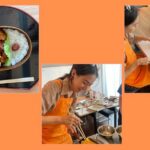
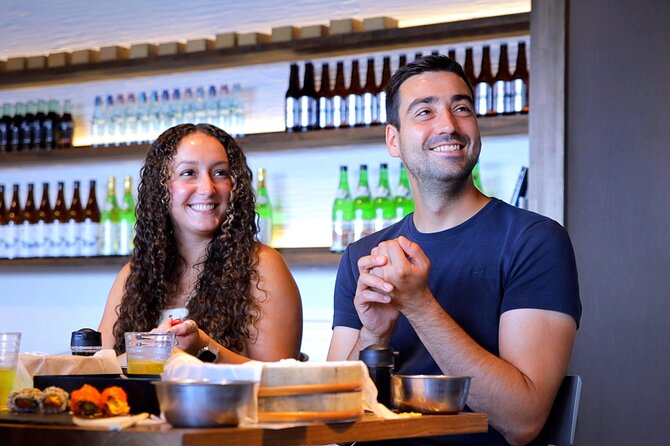
A big reason this class earns a perfect score is the teaching style. The staff are local, they speak clear English, and they run the class with energy that stays friendly rather than frantic.
In feedback, people often mention that instructors are funny and patient, and that the instruction is easy to follow even if you’ve never made sushi before. Names that come up include Hayato and Takara, which you can think of as a clue that this isn’t run by a rotating cast of anonymous “helpers.” The teaching tends to feel consistent.
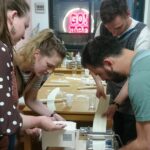
What that means for you: you’ll likely get real-time corrections. Sushi making is tactile. Small changes in how you hold rice or how you shape a roll can make a difference. With a small group size of 10 travelers max, you’re not fighting for attention.
There’s also something underrated here: the atmosphere stays comfortable. Multiple people describe the setting as clean and modern, with a pace that lets you keep up. For a short class, pacing is everything. You want enough structure to feel productive, without feeling rushed.
What You Eat: The Best Part Is You Get to Finish Your Own Work
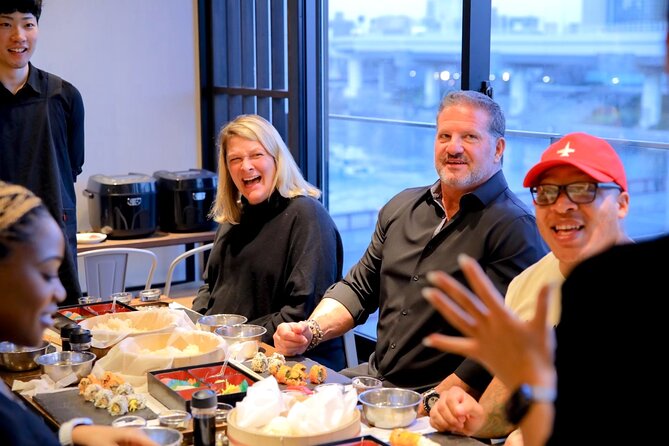
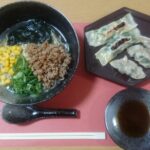
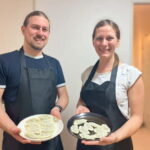
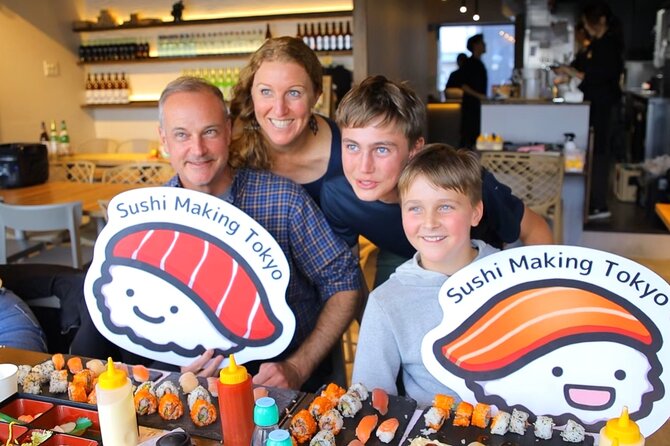
The included meal is the heart of the experience. You make sushi during the session, then you eat it afterward. And the class is designed so you end up with a satisfying amount of food, not a tiny sample plate.
That matters for two reasons:
- Value: You’re paying for ingredients and instruction, and you should get fed from that same process.
- Motivation: When you know you’ll eat what you make, you pay attention. You care about the small details, because you’ll taste the results.
The “make as many as you like” structure also helps. If you’re hungry (or simply enjoying it), you can keep going during the making phase. If you’re cautious, you can take your time without feeling like you’re behind.
And quality comes through in the final bite. People describe the ingredients as fresh and the sushi as tasty. That doesn’t happen by accident. When a class wants you to enjoy the meal portion, the prep and ingredients usually get treated seriously.
Dietary Options in the Real World: What’s Offered, What to Request
This class lists several menu adjustments:
- Standard (gluten-free)
- Vegan / vegetarian
- Halal
- Allergy options (not used: meat, nuts, fruits, dairy)
This is where planning ahead matters. The class notes that you should contact them about menu changes when you make your reservation, and they can’t respond on the day. They also don’t accept ingredient specifications. Translation: you can request the categories they offer, but you can’t micromanage every single ingredient.
If you have a serious allergy, this is still worth reviewing carefully before booking. The allergy option clearly outlines what they do not use, but the message doesn’t list every possible allergen. If your needs are complex, send the reservation request early and make sure the offered category fits.
For most visitors, these options are a big win. They reduce the risk of being stuck with plain rice in a sushi setting and make the class feel welcoming to different diets.
Price and Value: How $35.75 Becomes a Full, Taught Meal
Let’s talk numbers honestly. At $35.75 per person, this isn’t a “cheap activity,” but it also isn’t priced like a high-end tasting. The value comes from what’s included:
- English-speaking instructor
- Ingredients
- Meal (the sushi you make)
You’re paying for time (about 90 minutes), instruction, and food. In many cities, a sushi meal alone can take a meaningful chunk of your budget. Here, the price spreads across an experience plus a meal, and you leave with the satisfaction of having made it yourself.
One more value signal: it’s booked about 26 days in advance on average. Popular classes tend to run well because the staff get plenty of repeat practice with different skill levels and diets. You also get a hint that scheduling can fill up, so you’ll do better if you reserve early rather than last-minute.
Where It Starts in Osaka: Getting There Without Stress
The meeting point is Sushi Making Osaka, 1-chōme-16-20 Higashishinsaibashi, Chuo Ward, Osaka, 542-0083. The class ends back at the same spot, so you don’t need to plan a second “where do we meet now” step.
There’s no hotel pickup or drop-off, so you’ll want to build in a few minutes to find the address and get settled. The upside: because it’s in the heart of Osaka near public transport, getting there is usually straightforward once you’ve got your station picked.
After class, you’re in a great spot to keep eating and exploring. Osaka is one of those cities where it’s easy to turn “one activity” into a full food day.
A Practical Osaka Add-On: Ask for Okonomiyaki Where You Can
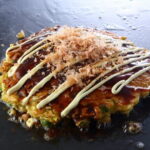
One standout tip from the experience: the staff suggested an okonomiyaki place called Hanahana, and the recommendation was described as amazing.
You don’t need to plan your whole day around that one stop. But it’s a good reminder of a travel hack: when you’re in a local food classroom, ask for one specific recommendation for the next meal. You’ll usually get a more current, practical suggestion than what you find from generic guide lists.
Who This Sushi Class Is For (and Who Might Want Something Else)
This is a strong fit if:
- You love sushi and want to understand what you’re eating
- You’re a beginner and want step-by-step guidance
- You want an activity that ends with a real meal
- You have dietary needs and want to join in with appropriate options
- You’d rather do something interactive than sit through another museum
You might hesitate if:
- You hate navigating to specific street-level meeting points (no pickup)
- You want a longer class or a bigger variety of sushi styles
- You’re expecting a restaurant-style tasting menu rather than a hands-on workshop
For most first-time visitors to Osaka, though, this hits a sweet spot: it’s culturally connected, practical, and short enough to fit without hijacking your schedule.
Should You Book Sushi Making Osaka?
Book it if you want a fun, structured way to learn sushi basics and leave with food you helped make. The class’s biggest strengths are the small-group feel, the English instruction, and the clear rhythm of history first, then making and eating. At $35.75, you’re also getting good value because you’re paying for ingredients and a meal, not just a demonstration.
If you’re the type who enjoys food learning and wants something more hands-on than a typical meal, this is one of the easiest “yes” choices in Osaka. Just plan your route ahead since there’s no hotel pickup.
FAQ
Where is the meeting point?
The class meets at Sushi Making Osaka, 1-chōme-16-20 Higashishinsaibashi, Chuo Ward, Osaka, 542-0083, Japan. It ends back at the same meeting point.
How long is the sushi making class?
It runs about 1 hour 30 minutes (approximately 90 minutes), with sushi history and making/ eating split across the session.
What types of sushi will I learn to make?
You will learn how to make two types: Nigiri sushi and Maki sushi (roll sushi).
Do you offer gluten-free, vegan, or halal options?
Yes. Menu changes are available for Standard (gluten-free), Vegan/vegetarian, and Halal. You need to contact about the menu change when you book.
What about allergy restrictions?
There is an allergy option category. The class lists items not used as meat, nuts, fruits, and dairy. If you have an allergy, request the appropriate option when reserving, since they can’t respond on the day.
Is hotel pickup included?
No. Hotel pickup and drop-off are not included.
Are service animals allowed?
Yes, service animals are allowed.