REVIEW · PARIS
Paris Evening Cooking Class French Dinner and Market Visit Option
Book on Viator →Operated by Le Foodist · Bookable on Viator
A market-to-dinner class, with French wine. This is one of those Paris nights where the food lesson feels practical, not performative: you’ll shop for your meal in the Latin Quarter (if you book that option) and then cook a full 3-course dinner with an English-speaking chef. I like the hands-on setup and the fact that you get electronic recipes you can recreate later. One possible drawback: regular classes can’t accommodate vegan or dairy-free diets, and wine is part of the experience, so there are age limits.
If you’re short on time, the 4.5-hour class still gets you cooking and eating. If you want the extra context, the 6-hour version adds an open-air market walk so you start with ingredients chosen on the spot. Either way, you’re back at the meeting point when the evening wraps up, which makes the logistics easy.
In This Review
- Key things to know before you go
- Choosing the 4.5-hour vs 6-hour dinner class
- Meeting in Mabillon and how the evening actually runs
- Quartier Latin market walk: what you’re learning and what to expect
- In the kitchen: turning a menu into real French technique
- Wine, cheese, and pairing tips you can use at home
- What you’ll eat: why this menu feels like Paris
- Small-group energy: better attention, less chaos
- Price and value: what $252.74 really buys you
- Timing and practical logistics that matter in Paris
- Who should book this and who might skip it
- Tips to make your night smoother
- Should you book this Paris French dinner class?
- FAQ
- How long is the Paris evening cooking class?
- Is the food market visit included?
- What’s included with the meal?
- Is the class taught in English?
- What are the age requirements for this experience?
- Can the class accommodate vegan or dairy-free diets?
- How big is the group?
Key things to know before you go

- Latin Quarter market walk (optional): You pick ingredients with your instructor, then turn them into dinner.
- 3-course structure: Starter, main, and dessert are planned and cooked in one focused evening.
- Wine + cheese pairing: You’ll have white and red wine and learn how pairing works in French meals.
- Small group size (max 12): You get more personal attention while staying social.
- English-only instruction: Clear guidance, including technique tips as you cook.
- Chef-led French technique (not just recipes): You learn methods you can reuse at home, not only steps.
Choosing the 4.5-hour vs 6-hour dinner class
Start by deciding how much of the evening you want to spend on ingredients versus cooking time. The shorter class is built for a smooth, early-evening flow: meet your instructor, plan the 3-course menu, then move directly into cooking.
The longer 6-hour option is for people who like to understand what goes into French food before the apron goes on. You’ll add an open-air market visit in Paris’ Latin Quarter, which changes the whole feel of the night. Instead of reading about ingredients, you’re handling them, asking questions, and then seeing how those choices show up in the final dishes.
If you’re the type who enjoys a market as part of the meal, the 6-hour option is usually the better match. If you just want to cook and eat without extra walking, the 4.5-hour class still delivers a full French dinner experience.
You can also read our reviews of more tours and experiences in Paris.
Meeting in Mabillon and how the evening actually runs
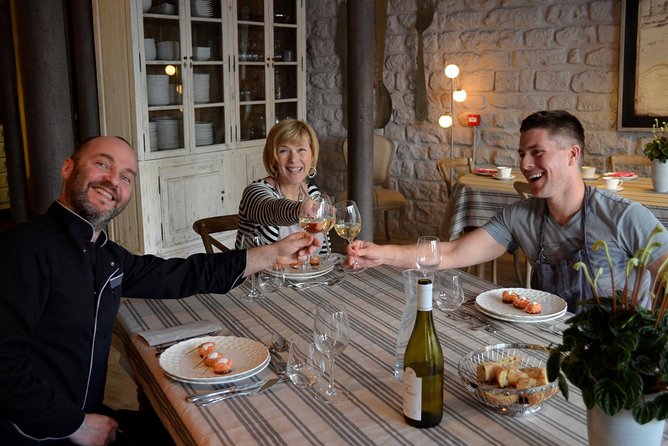
The evening begins at Mabillon (75006), and it ends back at the same meeting point. That matters in Paris, where getting across neighborhoods can eat time if you’re relying on last-minute navigation.
Once you arrive, you meet your instructor and get the evening’s plan. You’ll start by mapping out your 3-course dinner, so you’re not just reacting to recipes—you know what you’re building toward. Then the cooking portion kicks off with technique-focused guidance and the required equipment and attire provided for you.
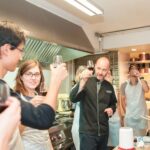
During the work in the kitchen, you’ll also have wine to accompany the meal, and you’ll dine together once the dishes are ready. After dinner, the host shares traditions and customs tied to French culture and cuisine, which turns the night from a cooking session into a cultural snapshot.
Quartier Latin market walk: what you’re learning and what to expect
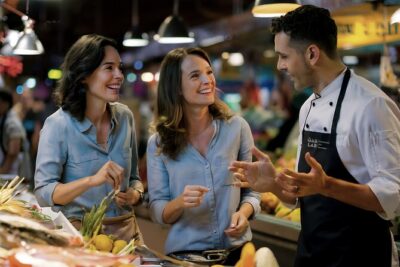
If you book the 6-hour experience, your first major stop is the Quartier Latin. This isn’t just a sightseeing walk. You’re going stall to stall with your instructor to choose ingredients that fit the menu you’ll cook.
Here’s why that matters: French cooking relies heavily on ingredient quality and on using what’s best at the moment. When you buy with a chef, you start to see the logic behind flavor—what makes a fish fresher, what sort of fruit works best for poaching, how dairy and eggs affect texture, and how herbs and citrus change a dish.
Practical note: markets can get crowded, especially around busy evenings. If the group is moving quickly or the market is loud, you’ll do best staying close to the guide so you can hear the cooking reasoning as you walk.
In the kitchen: turning a menu into real French technique
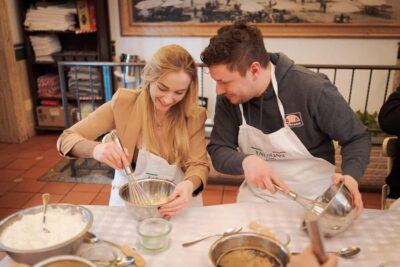
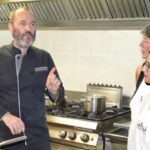
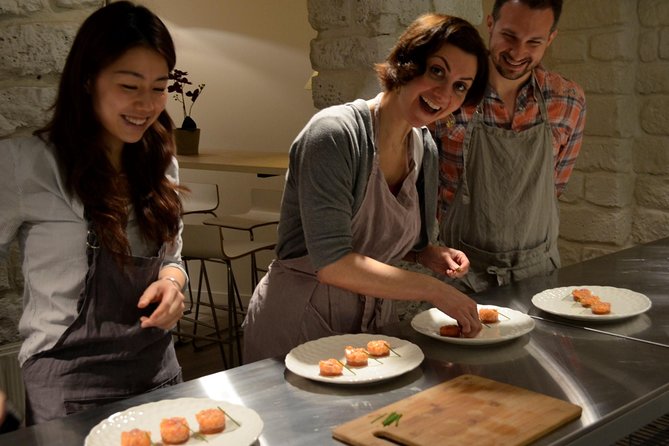
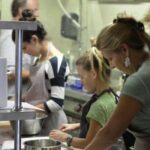
The kitchen time is where the class earns its keep. You’re not watching from the sidelines. You follow a menu plan and cook classic French dishes with support from your instructor.
The sample menu for this experience includes:
- Starter: salmon tartare with yuzu
- Main: Parisian-style coq au vin
- Dessert: poached peach, raspberry coulis, and homemade vanilla ice cream
Even if the exact menu shifts, the skills are the point. You’ll learn how French technique shows up in everyday cooking: prepping proteins for tartare-style textures, building flavor for a braised or wine-based chicken dish, and handling temperature and timing for desserts like poached fruit and ice cream.
One safety-and-skill detail that stands out from guest experiences: you may be taught with extra care around tools like a mandoline. In the Le Foodist style, it’s treated seriously (often nicknamed finger guillotine), which is a good thing. It signals you’ll get guidance so you can focus on learning instead of worrying.
This is also one of those formats where the pace is structured. You’re working through steps, but you’re still eating together after you’ve finished cooking—so you’re not stuck waiting hours for the payoff.
Wine, cheese, and pairing tips you can use at home
Wine is baked into the experience. You’ll have the equivalent of half a bottle of wine to accompany your meal, split across white and red during dinner. The class also includes pairing guidance, including tasting one French cheese and learning the fine art of matching cheese with wine.
What I like about this part is that it’s educational without getting preachy. Instead of only being told what goes with what, you taste and compare. That’s how pairing sticks in your mind when you’re planning dinner later.
Also, this is a class where wine is not just a drink ticket. You’re cooking and then using wine as part of the meal rhythm, so pairing advice feels connected to the food you made.
Reminder: there’s a minimum drinking age of 18. The tour has a minimum age of 12, but children can’t be unaccompanied. If you’re booking as a family, make sure your group matches the drinking rules.

What you’ll eat: why this menu feels like Paris
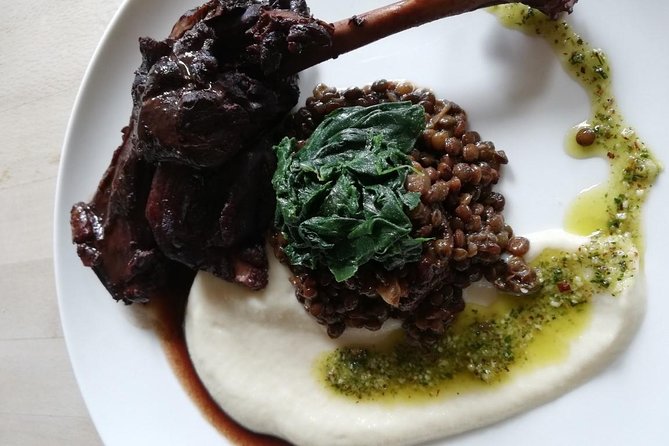
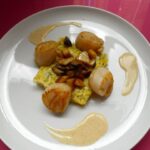
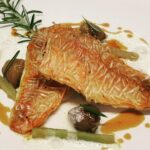
The menu reads like a highlight reel of classic French flavors, with a couple of modern twists. Salmon tartare with yuzu is fresh and bright, which helps the meal start lighter. Coq au vin is the comfort-food anchor: wine-led depth, slow-cooked flavor, and that distinctly French sense of “let it develop.” And dessert takes the dinner home with a poached fruit component plus a raspberry coulis and homemade vanilla ice cream.
Even if you don’t cook much at home, this combination is a smart learning set. It shows how French meals often work as a balance:
- Acid and freshness to start
- Slow, wine-based savoriness for the main
- Fruit + dairy sweetness to finish
If you’re thinking about replicating it later, you’ll get the best results by focusing on the techniques you were taught—how to build the main flavor, how to handle poaching, and how to make dessert textures correctly. The electronic recipe copy is included, which makes it easier to cook again without guessing.
Small-group energy: better attention, less chaos
The class caps at 12 travelers. That size is a big deal. You can still chat with other people, but you’re not stuck in a huge crowd where the chef talks and you wait.
In practice, small groups help with questions during cooking—what to look for when a sauce thickens, how to judge doneness, and how to handle prep steps without rushing. The structure also makes the market-to-kitchen flow feel tighter. You’re not just buying ingredients; you’re turning them into a menu you already discussed.
You’ll also likely meet a friendly mix of people. It’s the kind of evening where the shared project—cooking together, then eating together—creates conversation fast.
Price and value: what $252.74 really buys you
At $252.74 per person, this isn’t a cheap add-on. But it also isn’t just “dinner plus a class.”
You’re getting:
- A professional instructor guiding you through cooking
- A 3-course dinner you prepare
- Wine included (half a bottle equivalent)
- Market visit if you choose the 6-hour option
- Required equipment and attire
- An electronic copy of recipes
- A complimentary Drop-Stop for pouring (one of those practical, small tools that actually helps)
When you compare this to the cost of dinner out in Paris plus wine plus a cooking workshop, it lands in a more reasonable zone. The value comes from doing several things at once: learning technique, shopping with a guide (in the longer option), and getting a full meal with pairing education.
If you care about taking home reusable skills, the recipe copy and technique focus make the price easier to justify. If you only want to eat well, you might wonder why you’re paying for the lesson. But for most people who love food, the hands-on format is the whole point.
Timing and practical logistics that matter in Paris
This experience runs about 6 hours for the longer version, with a 4.5-hour option available. Either way, it’s an early-evening plan, which helps you avoid a late-night scramble after dinner.
The meeting point is near public transportation, and you get a mobile ticket, which keeps the start simple. You should also plan for the market walk if you book the 6-hour option. You’ll want comfortable shoes, because you’ll be on your feet moving from stalls to kitchen supplies.
English instruction is included, which is a major plus if you’re not fluent. Just remember that market noise can still be a factor, so try to stay in the guide’s line and listen for the cooking rationale as you go.
Who should book this and who might skip it
This tour is a strong fit if:
- You want classic French techniques with a clear, hands-on plan
- You like learning through cooking, not only watching
- You enjoy markets and want to connect ingredients to dishes
- You’d like wine pairing education with dinner that you helped make
It might not be the best fit if:
- You need a vegan or dairy-free menu in a regular class, since those diets can’t be accommodated
- Your group is very strict about wine-based elements, given the included wine and the 18+ drinking age rule
- You dislike longer guided evenings, since the market version can run a full afternoon-to-night stretch
If you’re a family booking with children, the minimum age is 12 and children can’t be unaccompanied. So the setup works best when an adult in your party can manage the wine rules.
Tips to make your night smoother
A few small choices can make a big difference:
- Book the 6-hour market option only if you truly want ingredient shopping. Otherwise, the 4.5-hour class is still a full dinner arc.
- If you’re sensitive to crowds or noise, pick moments in the market to position yourself so you can hear the chef’s explanations.
- Share dietary needs at booking. The class allows you to advise requirements, but vegan and dairy-free regular accommodation isn’t available, so clarity matters.
- Plan to savor the meal. This isn’t a quick “eat and run” dinner—it’s built for cooking, wine, then sitting down together.
If you’re traveling during a busy season, give yourself a little buffer in your schedule. Paris evenings can run later than you expect, and this experience is designed to be unhurried once you’re in it.
Should you book this Paris French dinner class?
I’d book it if you want a practical French cooking night with real structure: you shop for ingredients (in the longer option), cook a full 3-course dinner, then get wine and pairing lessons alongside the meal. The small group size makes it feel personal, and the electronic recipes are the kind of included perk that helps you recreate the experience at home.
I’d think twice if your dietary needs don’t fit the regular class limits, or if your group wants dinner with zero alcohol elements. And if you dislike market walking, stick with the 4.5-hour version.
If your goal is to leave Paris with more than photos—something you can actually cook again—this is the kind of evening that delivers.
FAQ
How long is the Paris evening cooking class?
The experience runs about 6 hours for the longer market-and-cooking option. A shorter class option is available at about 4.5 hours.
Is the food market visit included?
A market visit is included only if you choose the option with the Latin Quarter market walk. If you choose the shorter class, you won’t include the market stop.
What’s included with the meal?
You cook a 3-course dinner and enjoy white and red wine (the equivalent of half a bottle per person). You’ll also taste one French cheese and receive electronic recipe copies.
Is the class taught in English?
Yes. The classes are only offered in English.
What are the age requirements for this experience?
The minimum age is 12 years. There is a minimum drinking age of 18 years, and no unaccompanied children are accepted.
Can the class accommodate vegan or dairy-free diets?
In regular classes, vegan or dairy-free diets can’t be accommodated. You should advise any dietary requirements at booking.
How big is the group?
The class has a maximum of 12 travelers, keeping the experience small-group sized.