REVIEW · PARIS
Paris French Cuisine Small Group Cooking Class with Lunch
Book on Viator →Operated by Meeting the French · Bookable on Viator
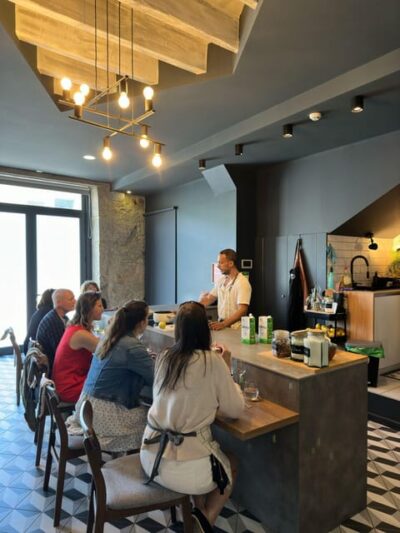
Cooking in a Paris apartment feels personal. You cook a full French meal hands-on with a real French chef in a small group, with an optional market stop to pick your own ingredients.
My favorite parts are the market tour option and the way the chef teaches you practical technique you can actually repeat at home. I also like that you end by eating what you make, with a glass of wine, and you get take-home recipe guidance plus the ingredients handled for you.
One drawback to plan around: you’re going to a specific apartment, not a big restaurant, and if you’re more than 20 minutes late, access can be refused with no refund. So check your address info early and give yourself margin.
In This Review
- Key points to know before you go
- Cooking in a Parisian apartment: the small-group advantage
- The market tour option: shopping like a local (and why it matters)
- Your chef-led lesson: from starter to dessert
- The kind of skills you’ll practice
- Hands-on reality check
- What you actually eat: lunch with wine and take-home recipes
- Price and value: what $217.77 really covers
- Getting there smoothly: the apartment address and time rules
- Who should book this cooking class in Paris?
- Who might prefer something else
- Chef personalities and the English-language experience
- What to ask before you arrive (dietary needs and allergies)
- The best way to get the most from your class
- Should you book this Paris French cuisine cooking class with lunch?
- FAQ
- How long is the class?
- Is lunch included?
- Is there a market tour?
- How many people are in the class?
- What language is the class taught in?
- What will I cook?
- Are dietary requirements and allergies accommodated?
- Is hotel pickup included?
- What if I’m late?
- How do I cancel?
Key points to know before you go
- Small group, max 8: more attention and less waiting around.
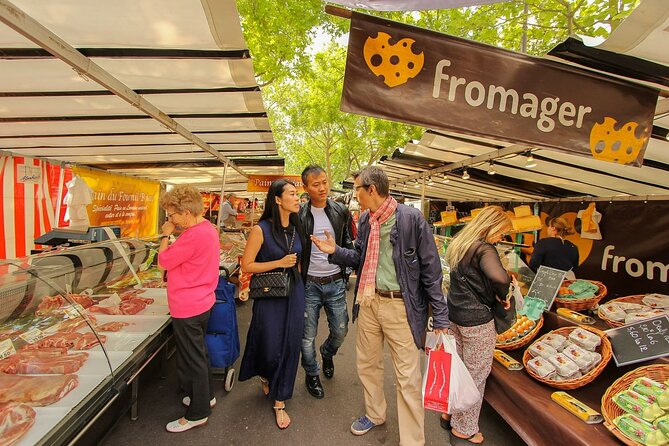
- Market tour is optional: you shop for what you’ll cook at an open-air market.
- You cook three courses: starter, main, and dessert made from scratch.
- Apartment setting: you get a lived-in, real Paris kitchen feel.
- Hands-on coaching: chefs guide your technique and timing, not just demonstrations.
- Lunch plus wine: you finish with a proper meal you helped create.
Cooking in a Parisian apartment: the small-group advantage
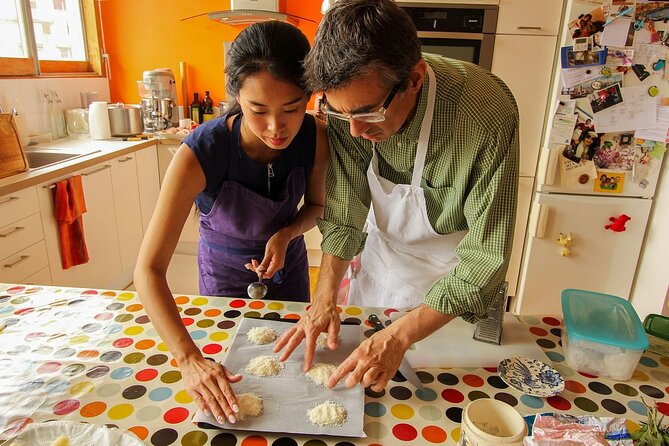
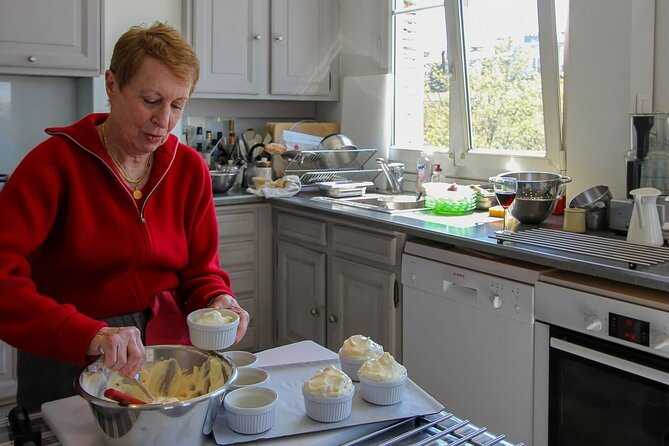
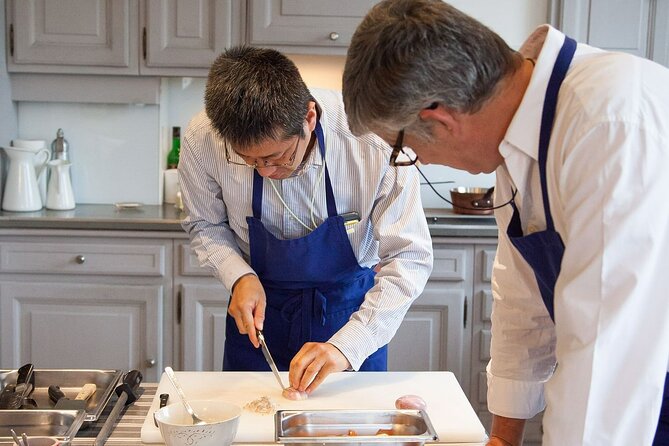
This is one of those Paris experiences that feels like it could only happen in Paris: you’re cooking inside a chef’s apartment kitchen. That might sound small (because it is), but it’s exactly the point. With a maximum group size of 8, the chef can actually watch what you’re doing, correct your knife angle, and pace the cooking so everyone can participate.
In plain terms, you’re paying for access and instruction. Big group classes can feel like you’re orbiting the kitchen; here, the setup is designed for you to get your hands into the work. And because the class is offered in English, you’re not stuck translating everything while you try to remember how to make a French sauce.
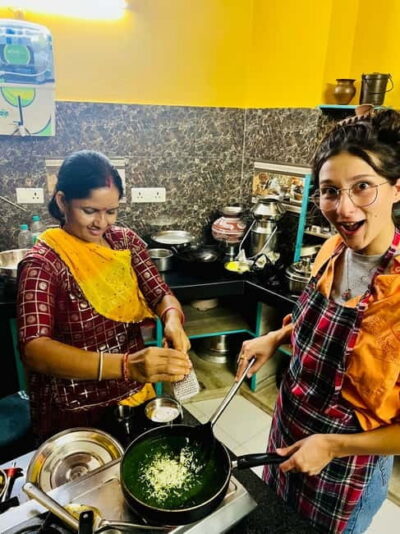
Another underrated benefit: the apartment vibe makes conversation easy. Several chefs (for example, Carole, Dominique, Frederic, Jack, and Myriam) are described as warm hosts, and the class often turns into a back-and-forth about French ingredients and what to look for in local markets.
You can also read our reviews of more tours and experiences in Paris.


The market tour option: shopping like a local (and why it matters)
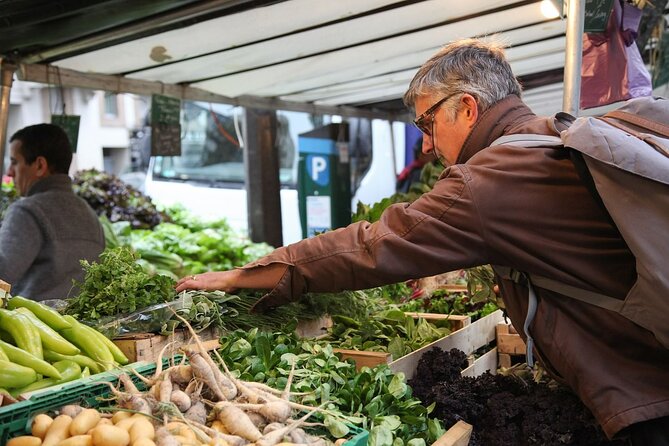
Choose the longer format and you’ll add a market tour before cooking. It’s an open-air market, and you select fresh ingredients that will become part of your meal. This is more than a nice extra stop. It changes how you cook because you’re starting with the same produce and proteins locals are choosing that day.
Even if you’re not a super confident cook, market shopping teaches you what to prioritize:
- what looks freshest
- how ingredient quality affects taste
- how French meals build flavor from the beginning
A few menu examples have shown up in prior classes, including items like Mediterranean zucchini, chicken prepared with a marinated approach, and desserts such as a mini chocolate lava cake. With a market component, you’re more likely to understand why those ingredients work together instead of treating them like a set list.
If you’re the type who loves wandering food shops and learning what different cheeses or produce are good for, the market option tends to be the most rewarding part of the day.
Your chef-led lesson: from starter to dessert
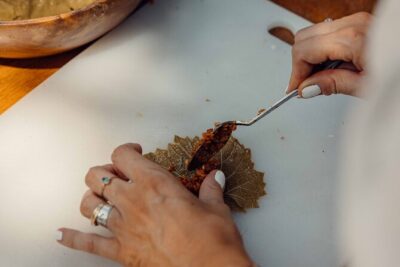
Whether you book the shorter or longer version, the core of the class is the same: you learn to make a traditional French meal from scratch with a French chef. The structure is hands-on and timed for a group, so you’re not just watching someone else cook for four hours.
You’ll prepare:
- a starter
- a main dish
- a dessert
Sample menus have included Mediterranean zucchini as a starter, marinated chicken as the main, and mini chocolate lava cake for dessert. Your exact menu can vary by the class and what the chef sources, but the format stays focused: three courses, French technique, and you actually doing the work.
The kind of skills you’ll practice
The data you provided doesn’t list a specific technical curriculum for every session, but the cooking is clearly instruction-led. In past experiences, participants have reported learning practical skills like:
- knife skills and basic cutting techniques (including julienne-style prep)
- how to manage timing across multiple courses
- step-by-step guidance that makes simple recipes taste impressive
Also, many chefs explain ingredients in context—where they come from and how flavor profiles work together. That matters because it’s how you stop relying on exact recipes and start understanding what substitutions will still taste good.
Hands-on reality check
One consideration: in some cooking lessons, not everyone stands over their own individual plate the whole time. A previous participant described a format where the group contributed in turns rather than each person fully producing a personal version of every dish. That doesn’t mean it’s bad; it just means you should expect some rotation and brief downtime.
If you want maximum hands-on time every minute, the best bet is to choose the class format that fits your comfort level and arrive with questions. Chefs often adapt tasks to experience level, so tell them if you’re a confident home cook or if you want the gentler pace.






What you actually eat: lunch with wine and take-home recipes
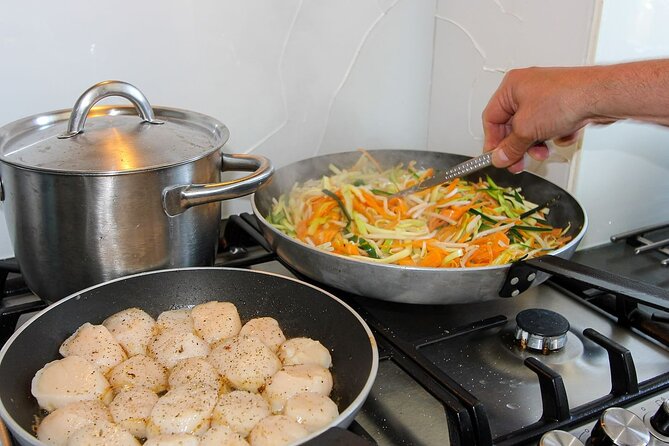
The best cooking classes end with the meal. This one does. After you finish cooking, you sit down and enjoy the lunch or dinner depending on which option you choose. And yes, there’s also a glass of wine included with the meal.
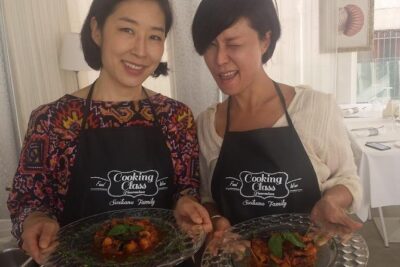
That combination—food you cooked + wine + a chef who can explain what you’re tasting—is what turns the class into a memory, not just a cooking session. You get to connect technique to flavor immediately. For instance, if the chef explains the logic behind a marinade or a sauce balance, you can test that idea with your own bite.
You also get:
- use of an apron and cooking utensils
- all ingredients
- copy of the recipe to take home
That last part is key. Recipes in a class like this tend to be written for what you just did, not a generic internet version. It’s the difference between I made something once and I can recreate it.
If you’re traveling with a partner or friends, the shared meal is a natural social buffer. You’re not just eating quietly; you’re tasting what you made together, comparing how each course came out, and chatting with your chef about what you should try at home next.
Price and value: what $217.77 really covers

At about $217.77 per person, this isn’t a budget activity. But for Paris, the value math is pretty clear. You’re paying for multiple things bundled into one:
- a French chef teaching you in person in an apartment kitchen
- a small group (maximum 8)
- the ingredients and cooking supplies
- instruction time covering starter, main, and dessert
- the market tour if you choose the longer option
- lunch (or dinner) and a glass of wine
When you compare that to the cost of buying groceries and trying to replicate a multi-course French meal with a few quality ingredients, the chef-led time is the big difference. Many home cooks can follow recipes, but they struggle with technique and sequencing—timing starter vs. main vs. dessert so everything finishes together.
This class is built to solve that problem for you. You get guided execution and a finished result that tastes like you know what you’re doing (even if you’re a beginner). If you enjoy hands-on learning, that’s exactly what you’re paying for.
Getting there smoothly: the apartment address and time rules
This experience happens at a French chef’s apartment within Paris city limits. The exact name and address are sent after you reserve, so treat that confirmation message like it’s part of the ticket. If you don’t receive it within 72 hours of your date, you should contact the provider.
Also, there’s no hotel pickup. You’ll need to get yourself there by public transportation, and the location is described as near public transit. That’s good news, because it usually means you can plan with Metro lines and walk the last stretch.
But here’s the practical warning: some people have ended up at the wrong address due to booking instructions not matching reality. You can avoid the same headache by double-checking the address details as soon as they arrive, and by using a map app that lets you confirm the exact street and building entry.
Finally, plan your arrival time with margin. If you’re more than 20 minutes late, access can be refused and there’s no refund. This isn’t the time to squeeze in one more Metro transfer. Build cushion.
Who should book this cooking class in Paris?
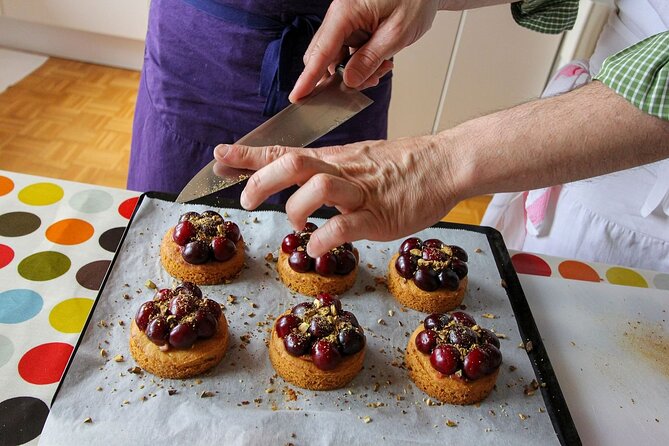
This works especially well if you want:
- a true hands-on French cooking lesson (starter, main, dessert)
- a smaller, quieter setting than the usual tourist cooking factory
- an experience where food and conversation go together
If you’re traveling as a couple, a parent with a teen, or a small group of friends, the apartment setting often feels more personal and less staged. Many chefs mentioned in prior experiences were described as making guests comfortable quickly, which helps if you’re nervous about cooking in public.
It also fits food lovers who want to understand ingredients beyond recipes. Some lessons have included cheese tastings and discussions about where foods come from, plus guidance on what to look for at markets.
Who might prefer something else
If you want a big restaurant-style show with constant action from start to finish, you may find this format calmer than expected. One participant noted a rotation style where the group took turns contributing, which can involve periods of standing and watching. Also, if your main goal is strict, solo production of every course, you’ll want to mentally prepare for shared steps.
Chef personalities and the English-language experience
This class lives or dies on the chef. Good news: the chefs named in the provided information are repeatedly described as warm, skilled, and clear with explanations. Names that come up include Carole, Dominique, Frederic, Jack, and Myriam.
You can also expect the teaching to be structured for English speakers. The experience is offered in English, and at least one chef (Dominique) has been described as speaking good English. That matters because you’re more likely to understand the why behind the how, which is what you need to recreate French cooking at home.
A few chefs were also praised for thorough ingredient explanations—what different components are doing and how they fit together. That kind of food literacy is what separates a fun class from a useful skill you can bring back to your own kitchen.
What to ask before you arrive (dietary needs and allergies)
The provider asks you to advise dietary requirements and allergies at booking. They’ll do their best to accommodate, but they may tell you if a specific dietary requirement can’t be met.
In other words: don’t assume they can change everything. Instead, be clear and early. If you have allergies (food or animal-related) list them plainly, and if you’re vegetarian, pescatarian, or have a specific restriction, say so.
In prior experiences, accommodations have happened. For example, one group described pescatarian-friendly cooking options, which suggests the chefs can be flexible when they plan.
The best way to get the most from your class
To make this day really pay off, show up ready to participate and take notes even if you think you’ll remember. French cooking is often about timing and small technique choices, not fancy tricks.
A simple game plan:
- Read the menu and ingredient list when it’s shared (so you’re not surprised).
- Ask one question early about how the chef wants you to cut, season, or time each course.
- Taste as you cook, not only at the end. When you taste during the process, you learn faster.
- After lunch, ask for one ingredient you should buy back home and how to use it.
You’ll leave with more than recipes. You’ll leave with a sense of what makes French food taste French: balance, technique, and respect for fresh ingredients.
Should you book this Paris French cuisine cooking class with lunch?
If you want a genuinely useful cooking lesson in Paris, I’d say yes—especially if you like hands-on learning and you’re open to cooking three courses in a small group setting. The combination of chef-led instruction, apartment authenticity, market shopping (if you choose it), and lunch with wine makes the value feel more “all-in” than a typical one-off activity.
I would think twice if:
- you hate logistics around finding an apartment address
- you’re unlikely to arrive on time with a strict 20-minute tolerance
- you expect each person to fully produce every dish start-to-finish with no rotation
If you fall in the first camp, book it. It’s one of the best ways to leave Paris with edible skills, not just photos.
FAQ
How long is the class?
You can choose either a shorter 3-hour cooking lesson or a longer 4.5-hour lesson that includes a market tour.
Is lunch included?
Yes. You’ll enjoy lunch or dinner depending on which option you book.
Is there a market tour?
There’s a market tour option. If you select it, you’ll visit an open-air market and choose fresh ingredients for your dishes.
How many people are in the class?
The group size is limited to a maximum of 8 travelers.
What language is the class taught in?
The class is offered in English.
What will I cook?
You’ll prepare a starter, a main dish, and a dessert from scratch with the chef.
Are dietary requirements and allergies accommodated?
You should advise any dietary requirements and allergies at booking. The provider will do their best to accommodate and will let you know if a specific requirement can’t be met.
Is hotel pickup included?
No. Hotel pickup and drop-off are not included.
What if I’m late?
If you are delayed by more than 20 minutes, access to the class may be refused and no refund will be granted.
How do I cancel?
Free cancellation is available if you cancel at least 24 hours before the experience’s start time for a full refund.