REVIEW · SANTORINI
Cooking Class in Traditional cave house in Santorini!
Book on Viator →Operated by To Spitiko Mas · Bookable on Viator
If your Santorini plans are all views, this adds food. Cooking in an old Megalochori cave house turns a simple meal into something you can actually picture and repeat at home, with a small group and local wine flowing while you cook.
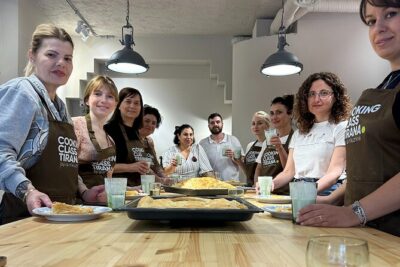
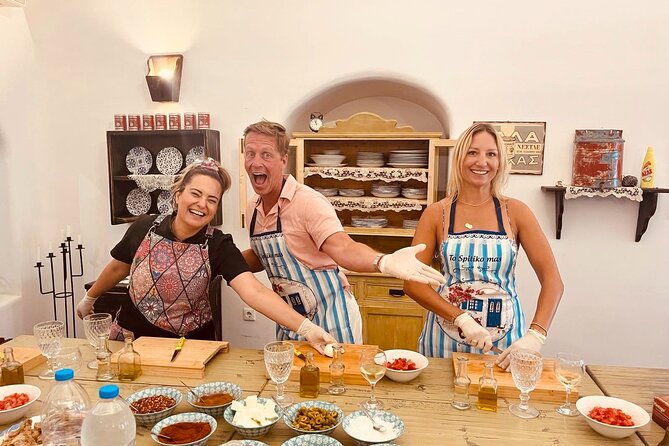
I love the hands-on teaching style—chef Alexandra stays close, fixes mistakes in real time, and makes it feel doable even if you’re not a confident cook. I also like that you don’t just taste; you build a full lunch, then sit down to eat it in the traditional setting (some of it even under a bougainvillea tree, depending on how the space is set up).
One thing to consider: at least a few people felt the class time leans a bit toward watching versus active cooking, so if you’re paying mainly for nonstop chopping and stirring, mentally pace yourself. Also keep in mind one participant reported an apron wasn’t provided as expected, so you might want to plan for small extras.
In This Review
- Key reasons this cave-house class hits the right notes
- Why Santorini Cave Houses Make This Class Feel Real
- The 3-hour rhythm: what happens after 11:00 at To Spitiko Mas
- Cooking the Santorini menu: what you’ll make and why it matters
- Assyrtiko wine during prep and lunch: the pacing detail you’ll notice
- Small-group class energy with Alexandra and Elinor
- Price and value: what $133.08 really buys you
- Who should book this (and who might want to skip it)
- Practical tips before you go to the cave house
- Should you book To Spitiko Mas?
- FAQ
- What time does the cooking class start?
- Where is the meeting point?
- How many people are in the group?
- What is included in the price?
- Is transportation included?
- Is the class offered in English?
- Can I cancel and get a full refund?
Key reasons this cave-house class hits the right notes
- Actual local dishes: a traditional menu built around Santorini ingredients and flavors
- Small-group feel: a maximum of 15 travelers means more back-and-forth with the hosts
- Wine during prep and lunch: Santorini Assyrtiko is served throughout
- Hands-on, not hands-off: the chef closely guides so you’re not just standing there
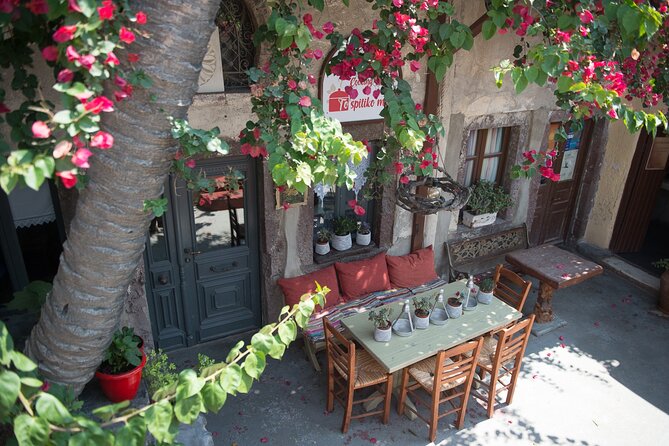
- Eat in a real cave house: the setting is part of the experience, not decoration
Why Santorini Cave Houses Make This Class Feel Real
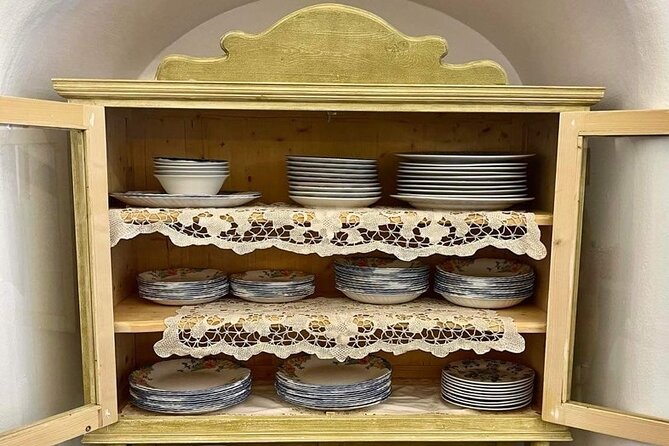
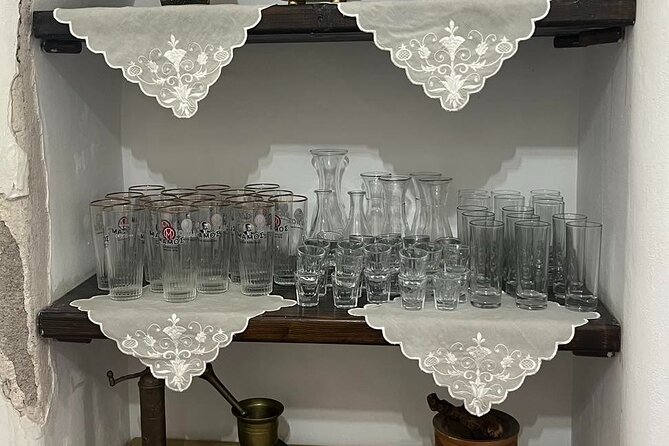
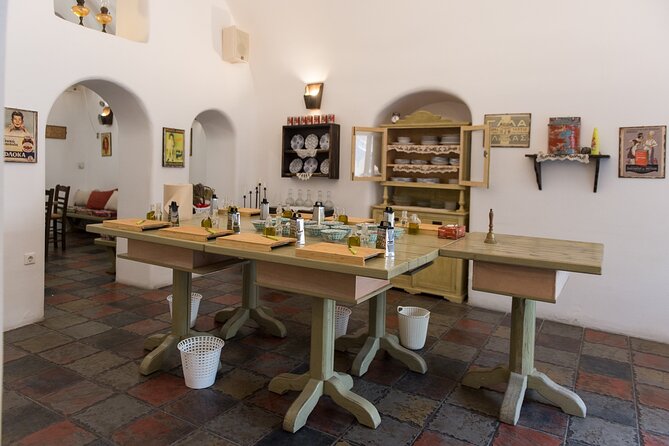
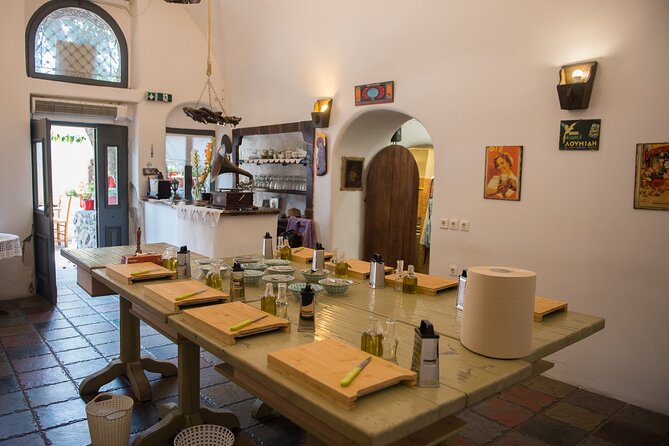
Santorini can be a lot of white buildings and photo stops. This class shifts the focus into a working, lived-in space: a stone cave house in Megalochori. The walls help set the mood right away. You’re not doing a generic “cook-and-sit” activity. You’re cooking in the style of the island and in the kind of home locals built.
That matters because your brain remembers places by scenes. Here, you’ll associate the foods with the setting: mixing, smelling, tasting, then eating in the same atmosphere. Several people also noted that the cave house includes antiques and that you’ll hear stories about the home itself—not just the food.
You can also read our reviews of more tours and experiences in Santorini.
The 3-hour rhythm: what happens after 11:00 at To Spitiko Mas
Your session starts at 11:00 am at To Spitiko Mas in Megalochori, and it ends back at the meeting point. The total time is about 3 hours. So you get a full meal experience without sacrificing an entire day on the island.
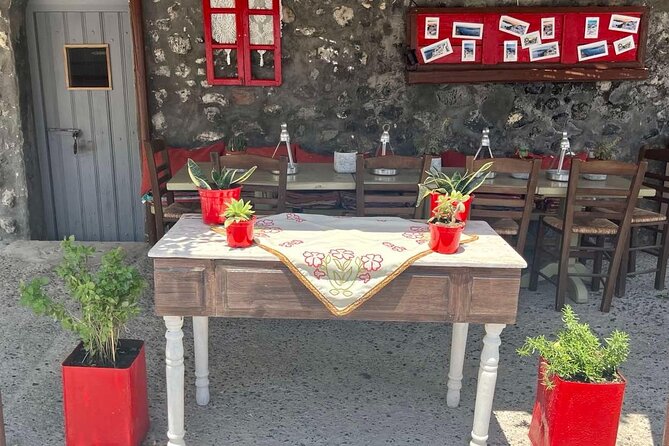
A typical flow goes like this: you arrive, meet your hosts, and get oriented before cooking. Then you work through the menu together, with the chef guiding steps and keeping things moving. Finally, you eat the lunch you made—either in the cave house or outside under the bougainvillea tree—while continuing to enjoy the Assyrtiko wine.
The practical upside is clear: you don’t have to hunt down lunch afterward. You’ll finish with a belly full of food, plus recipes you can try at home.
Cooking the Santorini menu: what you’ll make and why it matters
This is described as a traditional Santorini five-course cooking class, followed by lunch. The sample dishes give you a strong sense of the flavors and variety: fresh, savory, and very “island table.”
Here’s what the menu examples include:
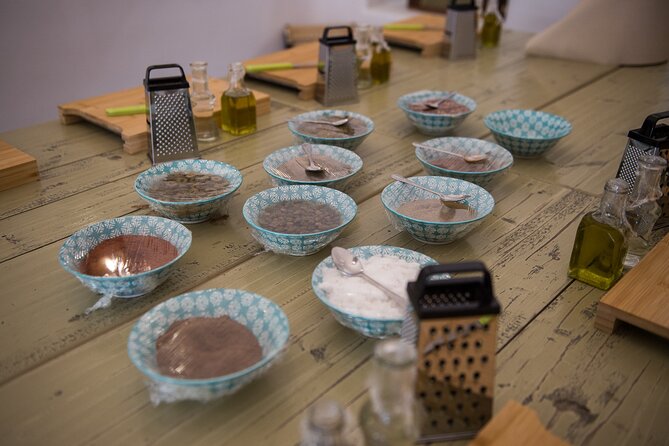
- Santorini Salad: local Santorini tomatoes, cucumber, onions, green peppers, capers, and feta
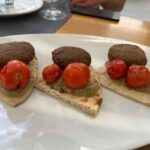
- Tomato Fritters: tomatoes with flour, spices, and herbs—classic island-style comfort food
- Fava: a spread made from locally sourced beans
- Santorini Garlic Pasta: pasta in a red sauce with garlic
In real life, you’ll likely spend part of the time actively cooking and part of the time watching the chef demonstrate. One review specifically mentioned the balance leaning toward watching and making yourself, not just fully teaching every step equally. That doesn’t mean it’s passive—most accounts call the instruction engaging and supportive—but it does mean you should be ready for some “learn by doing,” not a total hands-only workshop.
Why this menu is a smart choice: it’s not built around ingredients that feel foreign to Greece. It’s built around things Santorini is known for on the plate—tomatoes, beans, feta, capers, and garlic-forward flavors. You’ll leave understanding how they combine, not just tasting one dish.
Assyrtiko wine during prep and lunch: the pacing detail you’ll notice
This class serves local Santorini Assyrtiko wine throughout both cooking and lunch. That changes the whole tone of the experience. You’ll be chopping and tasting in a relaxed setting, and then you’ll keep your glass going while you sit down to eat.
One consistent theme from reviews: people mentioned the atmosphere being lively and that wine flowed in a friendly way. It’s not described as an after-lunch add-on. The timing matters because it keeps morale up while you work through multiple courses.
Practical tip: if you’re not used to drinking with meals, sip slowly. You’ll want to stay sharp for the “how to make it” parts, especially if you’re the type who plans to recreate this at home.
Small-group class energy with Alexandra and Elinor
This is capped at 15 travelers, which makes a big difference. In a larger class, you’d get answers from the chef only when someone finally asks. Here, you’re more likely to get a real exchange—questions, clarifications, and small moments where the chef adjusts your technique.
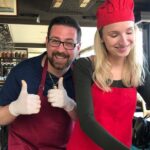
Chef Alexandra comes up again and again in the feedback. People described her as funny and hands-on, and praised how she won’t let you ruin the dish if you’re nervous. Host Elinor is also frequently mentioned—supportive, welcoming, and part of why the experience feels like a small group hangout with skill and stories built in.
Beyond recipes, you’re also told why foods matter. Reviews mention history behind ingredients and even learning about the cave house setting, not just the menu itself. If you like cultural context tied directly to what you eat, this class fits.

Price and value: what $133.08 really buys you
At $133.08 per person, the cost isn’t low. But you’re not just paying for someone to hand you a fork.
What’s included:
- The lunch you cook (menu prepared during the class)
- Local Assyrtiko wine
- All equipment used during the cooking class
- The products used during the cooking class
That inclusion changes the math. You’re getting several dishes built with ingredients, instruction, and a full meal experience. Plus, you get the venue: an authentic cave house in Megalochori, not a rented room that could be anywhere.
Still, it’s fair to listen to the caution from at least one review. Some felt the lesson time itself didn’t match the price, mainly because cooking time can be a mix of watching and doing. So if you’re the type who needs maximum hands-on activity, manage expectations.
Also note the extra-cost surprise one participant reported: they expected an apron but were told they could buy one for 15 euros. That doesn’t mean it happens every time, but it’s a good reminder to be ready for small purchases if something isn’t included.
Who should book this (and who might want to skip it)
This class is a strong match for:
- Food lovers who want a real Santorini meal rather than another tasting flight
- Travelers who like small groups and want time to ask questions
- Families with teens or older kids—multiple reviews said it worked well across ages
- People who want cooking they can repeat, not just a one-time experience
It may be less ideal if:
- You want nonstop hands-on work for the full three hours
- You’re very sensitive to value-for-time (the cooking portion may feel paced, not frantic)
- You eat in a way that requires specific dishes—one review mentioned the meal was vegetarian, and another thought it wasn’t enough for the men in their family
If you’re in that last category, the menu examples are what you can anchor on: salad, tomato fritters, fava, and garlic pasta. The five-course framing suggests there’s additional structure beyond those listed items, but the exact full set isn’t spelled out here.
Practical tips before you go to the cave house
A few small choices can make your class smoother:
- Arrive hungry. You’ll get a full lunch at the end, and several people said they left properly stuffed.
- Don’t count on takeout containers. One review specifically said they made a lot of food and wished take-away containers were provided. If leftovers matter, bring your own container if you can.
- Think about your apron plan. Since one participant reported needing to buy an apron, it’s smart to be flexible. If you hate cooking without one, consider bringing your own.
- Treat wine as part of the lesson timing. It’s served during prep and lunch. That’s fun, but you’ll still want steady judgment so you can remember the steps.
- Ask questions when you get a moment. With small group size, you can usually get answers. And you’ll hear more about both the food and the cave house setting.
One more nice touch: a few reviews mention photos being taken while you cook. If you want to capture the moment, you can also snap a few pictures yourself—this place looks like it belongs in an old-story book.
Should you book To Spitiko Mas?
If you want Santorini that’s more than scenery, I think you’ll like this. It combines a small group, a real stone cave house setting, a structured traditional menu, and wine served during the whole experience. You’re not only tasting Santorini—you’re learning how its flavors fit together.
I’d book it if you’re a hands-on learner who enjoys stories tied to food and you don’t mind that the class may mix cooking with watching. I’d hesitate if your main goal is pure active cooking time, or if value is your top priority and you hate paying for instruction plus wine even if the “stirring” isn’t constant.
Either way, it’s a memorable way to spend a half-day in Megalochori without needing to plan lunch afterward.
FAQ
What time does the cooking class start?
It starts at 11:00 am, and the activity lasts about 3 hours.
Where is the meeting point?
You meet at To Spitiko Mas, Megalochori 847 00, Greece. The experience ends back at the meeting point.
How many people are in the group?
The class has a maximum of 15 travelers.
What is included in the price?
Lunch (the menu you cook), local Santorini Assyrtiko wine, all cooking equipment, and the products used during the class.
Is transportation included?
No private transportation is included.
Is the class offered in English?
Yes, the experience is offered in English.
Can I cancel and get a full refund?
Yes. You can cancel up to 24 hours in advance for a full refund. If you cancel less than 24 hours before the start time, the amount paid isn’t refunded.