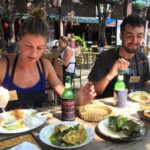
Start in a Balinese market, finish at the stove. This Nia Balinese Cooking Class turns ingredients into dinner with a morning market run, then teaches you how to cook staples like Ayam Betutu (banana-leaf wrapped) and Nasi Goreng. I also like that the whole experience is built around doing, not watching. One thing to plan for: it runs about 5 hours and you’ll be on your feet for most of it.
You meet at Warung Nia in Seminyak, then the day flows from ingredient shopping to a structured kitchen session with snacks, drinks, and a full lunch. For $45, you get the class, lunch, a certificate, and a recipe book—plus the chance to learn Balinese flavors from the ground up. And yes, small-group energy matters here: it’s capped at 15 travelers (though a few classes may run a bit higher on certain days).
In This Review
- Key highlights at a glance
- From Warung Nia to the ingredient hunt in Seminyak Square and the flea market
- What you’ll cook: Ayam Betutu, Nasi Goreng, and a full plate of dishes
- The kitchen method: shared-group cooking, chef guidance, and a fast pace
- Lunch, certificate, and the recipe book you’ll actually use
- Price and logistics: what $45 buys you in Seminyak
- Who should book this cooking class in Bali, and who should skip it
- Should you book Nia Balinese Cooking Class?
- FAQ
- How long is the Nia Balinese Cooking Class?
- Where do I meet for the class?
- What time does the tour start?
- What’s included in the price?
- Do they include transportation to and from your hotel?
- Is this class hands-on or a cooking show?
- How many dishes will I cook?
- What’s the group size limit?
- Is the class safe for people with allergies?
- Is this experience near public transportation?
Key highlights at a glance
- Seminyak market ingredient hunt before you cook, so spices and produce make instant sense
- Hands-on prep for around 9 dishes, including classics like Ayam Betutu and Nasi Goreng
- A structured day with snacks and drinks, then lunch centered on what you made
- Certificate + recipe book so you can recreate the dishes later
- A friendly, high-energy team with hosts and chefs like Tommy and Chef Komang mentioned in recent classes
- Great value for a full half-day in Seminyak, especially if you want more than a cooking demo
From Warung Nia to the ingredient hunt in Seminyak Square and the flea market
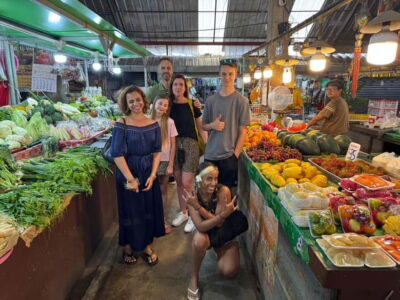
The day starts at Warung Nia Balinese Food & Pork Ribs at Kayu Aya Square (Jl. Kayu Aya No. 19–21). Start time is 8:00 am, and the food-focused part begins at 8:30 am with a traditional market visit. You’ll head out from the meeting point area and then spend time at Seminyak Square and the Flea Market Seminyak—the kind of places where locals actually buy what they cook.
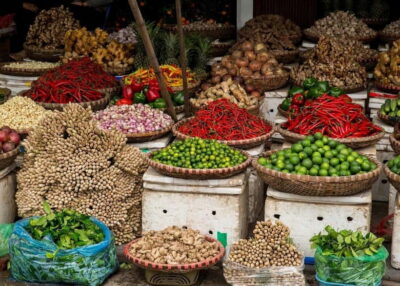
This market segment is one of the best parts because it gives you real context. You get to see ingredients in the way you’d see them at home in Bali: whole spices, produce, and the bits that make Balinese cooking taste like Balinese cooking. It’s also where you start picking up the logic behind seasoning blends. In plain terms: you learn what you’re looking at, then you cook with confidence later.
A practical note: markets can be warm and busy, and this tour stays active early. Wear shoes you can stand in. Bring water if you’re the type who likes to sip constantly; the class includes drinks later, but the market morning still has heat and walking.
You can also read our reviews of more tours and experiences in Seminyak.

What you’ll cook: Ayam Betutu, Nasi Goreng, and a full plate of dishes
After the market run, you shift into the cooking part. The structure is simple: snacks and drinks first, then cooking of 9 dishes. Some groups end up with slightly different counts depending on pacing, but the core promise is a full lineup—enough variety that you don’t feel like you spent five hours on just one recipe.
Two dishes get special attention in the description and match what people remember most:
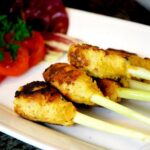
- Ayam Betutu: traditionally wrapped in banana leaves, including a specific folding method. This matters because Bali cooks aren’t just about spices. Wrapping and steaming change texture and flavor. You’ll get to see the form and technique, not just the final bite.
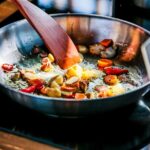
- Nasi Goreng: the popular fried rice that shows up across Indonesian cuisine. In Bali, it tends to be richer and more aromatic, so learning the method is more valuable than it sounds.
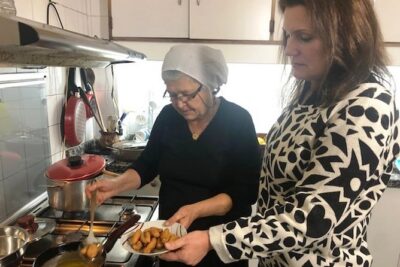
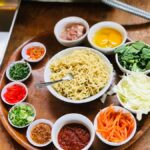
You also make other Balinese dishes during the class session, and you’ll likely spend time prepping components—chopping, mixing spice pastes, and assembling steps—before cooking finishes. The kitchen is set up so you can participate instead of waiting for a turn.
One more thing that surprised a lot of people: the experience is designed around lots of food. Many classes end with you eating everything you cooked, plus lunch that reflects that day’s work. If you show up hungry, the whole thing makes more sense.
The kitchen method: shared-group cooking, chef guidance, and a fast pace
This class works as a group. That’s part of the fun, but it does change how the experience feels compared with a private, one-student-at-a-time style. In practice, you’re usually cooking with your group and working through steps together as the chef demonstrates. Several recent participants highlighted the pace and the fact that the class runs like an organized operation with staff rotating tasks so you keep moving.
People also mention named leaders. You might interact with hosts like Tommy, and some days are led by chefs including Chef Komang. Regardless of the name you see on your day, the pattern stays similar: the team keeps the flow running, cleans up as you move on, and makes sure everyone is included at the burners and prep stations.
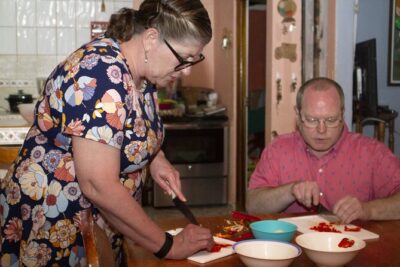
Expect to be hands-on. You’re not just tasting sauces and taking notes. You’re doing the prep, learning seasoning, then watching the dish come together step-by-step. And yes, multiple reviews mention the team taking photos and videos, and some say they share photos afterward. If you like remembering the day, it’s worth planning to take a few quick shots too, but let the team guide where photos are allowed.
The biggest pacing reality: you’re in a kitchen for about 5 hours, and there’s a lot packed in. If you’re the type who needs long, slow breaks, this may feel intense. But if you like momentum and learning by doing, it’s a great fit.
Lunch, certificate, and the recipe book you’ll actually use
When the cooking wraps, you eat a proper lunch based on what you prepared. The tour description includes lunch, and multiple participants describe it as a big spread—so don’t assume it’s a small tasting plate. Many people advise eating less before you arrive. That’s not just hype; the amount of food built into the schedule is real, and you’ll likely go from snacks to a substantial meal without much time to recover.
After lunch, you get two take-home items that help this class stay useful beyond your first meal:
- Cooking certificate (included)
- Recipe book (also included)
For Bali, this is one of the better “souvenirs” you can bring home. Spices and ideas matter more than magnets, and a recipe book helps you translate what you learned back into your kitchen. You won’t remember every pinch of seasoning right away, so having written steps gives you a shortcut.
Also, because you start with a market ingredient tour, the recipe book lands differently. When you read a method later, you can recall what the ingredients looked like when you bought them—and that helps you source substitutes if you can’t find the same items locally.
Price and logistics: what $45 buys you in Seminyak
At $45 per person for about 5 hours, this class is strong value if your goal is a full cooking-and-food experience. You’re paying for:
- market time to learn the ingredients
- a structured cooking session with snacks and drinks
- lunch
- a certificate
- a recipe book
- staff support to keep the class moving
Most cooking classes either focus on a demo or deliver only a meal. This one blends both, and the market start gives you a head start on understanding flavor. That’s why so many repeat bookings happen. It’s also why people who like learning by doing often rate it higher than short cooking samplers.
Logistics are straightforward, but there’s one practical detail: no drop-off transport is provided. The description says staff can help you get transport afterward. So you’ll plan to make your own way back to your hotel area. The good news: the meeting point is noted as near public transportation, which gives you options.
You’ll also use a mobile ticket, so have it ready on your phone when you arrive.

Who should book this cooking class in Bali, and who should skip it
This works best if you want Balinese cooking you can understand and repeat later. It’s ideal for:
- Foodies who like technique, not just tasting
- Couples and small groups who want a social, hands-on day in Seminyak
- Travelers who appreciate culture learned through food—especially if you enjoy markets
A few personal filters to consider. The tour notes that it’s not recommended for travelers with vitamin allergy. If that applies to you, skip this unless you can confirm ingredient safety with the operator beforehand.
Also consider your energy level. Reviews repeatedly point out that you’ll be standing and moving for most of the day. If your legs aren’t great, wear supportive footwear. And if you’re planning a packed Bali schedule later that day, leave some buffer. You’ll come home full and a bit tired—in a good way, but plan for it.
Should you book Nia Balinese Cooking Class?
If you want a hands-on Balinese cooking day that includes an ingredient market run, this is an easy yes—especially for the price. The mix of market + cooking + lunch + take-home recipe book hits the sweet spot most people want in Bali.
Book it if:
- you like learning by doing
- you want to cook Balinese classics like Ayam Betutu and Nasi Goreng
- you’re excited to spend about 5 hours active in the kitchen
Consider skipping or asking questions first if:
- you have a vitamin allergy
- you can’t do long standing/walking periods
- you prefer private, one-on-one instruction (this is structured for a group day)
One final tip: this experience needs good weather, so check conditions around your date. If it’s rainy in Seminyak, you may need to reschedule or choose a different day.
FAQ
How long is the Nia Balinese Cooking Class?
The experience runs for about 5 hours.
Where do I meet for the class?
Meet at Warung Nia Balinese Food & Pork Ribs, Kayu Aya Square, Jl. Kayu Aya No. 19–21, Seminyak, Bali.
What time does the tour start?
The start time is 8:00 am, with the market visit beginning at 8:30 am.
What’s included in the price?
The price includes lunch, a cooking class certificate, and a recipe book.
Do they include transportation to and from your hotel?
No drop-off transport is provided. The staff can help you with getting transport after the class.
Is this class hands-on or a cooking show?
It’s hands-on. You join the cooking process for multiple dishes with snacks and drinks before lunch.
How many dishes will I cook?
The class is described as teaching 9 dishes.
What’s the group size limit?
The tour lists a maximum of 15 travelers.
Is the class safe for people with allergies?
It’s not recommended for travelers with vitamin allergy.
Is this experience near public transportation?
Yes. The meeting area is noted as near public transportation.