REVIEW · SALVADOR DA BAHIA
Cooking class in Salvador, an authentic dinning experience
Book on Viator →Bookable on Viator
Moqueca tastes better when you cook it. In this 4-hour, private class in Salvador da Bahia, you make classic dishes from scratch—starting with caipirinha and working your way through pão de queijo, queijo coalho, and moqueca—while Karla ties each recipe to local ingredients and how they fit into everyday Bahian food. Two things I really like: the hands-on flow (you’re doing the cooking, not just watching) and the drink-and-learn setup, where you can keep caipirinhas coming as you cook and chat.
One consideration: there’s no private transportation, so you’ll want to plan how you’ll get to the meeting point in Stella Maris (and back again) using public options.
In This Review
- Key Highlights You’ll Care About
- Stella Maris Home Cooking: Why This Class Feels Personal
- The 4-Hour Menu Plan: From Caipirinha to Moqueca (Step by Step)
- 1) Caipirinha first: fruit choice sets the mood
- 2) Pão de queijo: the warm, iconic bread
- 3) Simple vegetables: learning the roots without overcomplicating
- 4) Queijo coalho + pineapple pepper jelly
- 5) Camarão na tapioca: deep-fried shrimp with a twist
- 6) Dessert timing: brigadeiro gets started first
- 7) Moqueca main dish: marinate first, then cook with care
- 8) Sides that make the meal complete
- 9) Coffee from Bahia, then liqueur
- If You’re Thinking Market Time: What That Adds to the Class
- Karla’s Hosting Style and How the Class Really Works
- Drinks, Coffee, and the Alcohol Question (Without Pressure)
- Price and Value: What You’re Really Paying For
- Who This Cooking Class Is Best For
- Practical Logistics: Meeting Point, Timing, and Getting There
- Should You Book This Cooking Class in Salvador?
- FAQ
- How long is the Salvador cooking class?
- Where do I meet for the class?
- Is transportation included?
- Can the menu be adjusted for dietary restrictions?
- Is alcohol included?
- What’s the cancellation policy?
Key Highlights You’ll Care About
- Start with a caipirinha, customize your fruit, and ease into the lesson
- Pão de queijo, queijo coalho, and pineapple pepper jelly in appetizer mode
- Brigadeiro first, so dessert is already cooling while you cook
- Moqueca main dish built from marinated fish or seafood, plus classic sides
- Coffee from Bahia region and a final liqueur finish
- Private format: only your group, with dietary changes available when you book
Stella Maris Home Cooking: Why This Class Feels Personal
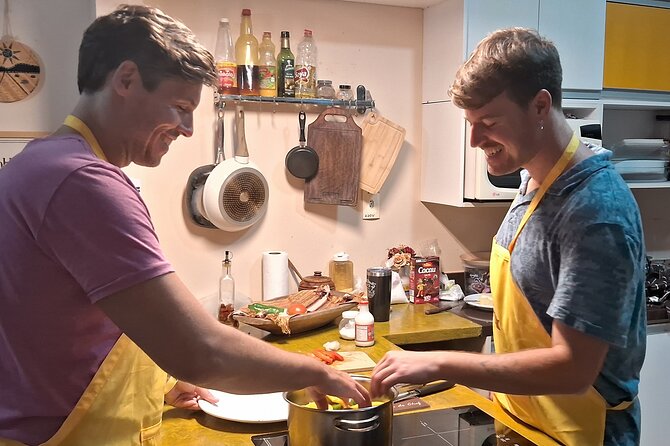
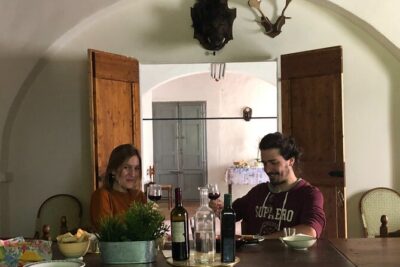
This isn’t a factory-style cooking show. The experience is set up as a private session where you cook in a real home kitchen in the Stella Maris area, starting and ending back at the meeting point on R. Eng. Adozindo Magalhães, 255.
If you only book the cooking class, you begin at the home where the activity happens. That matters because you’re not spending the whole time in a classroom. You’re learning in the same rhythm that locals use: taste, adjust, and keep moving. One of the best parts is that Karla comes across as welcoming and warm, and the class runs with a casual conversation tone—so asking questions feels normal, not forced.
Also, English support is strong. From what I’ve picked up from past participants, Karla’s communication makes a big difference if you’re not Portuguese-fluent, especially when you want to understand the “why” behind ingredients.
You can also read our reviews of more tours and experiences in Salvador da Bahia.
The 4-Hour Menu Plan: From Caipirinha to Moqueca (Step by Step)
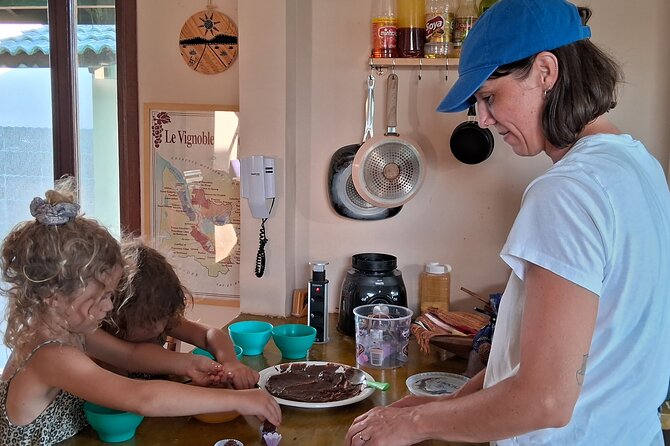
The class runs about 4 hours, and the biggest value here is the structure. You’re not just making one dish. You work through a full Bahian meal with around 8 recipes across appetizers, main, and dessert.
1) Caipirinha first: fruit choice sets the mood
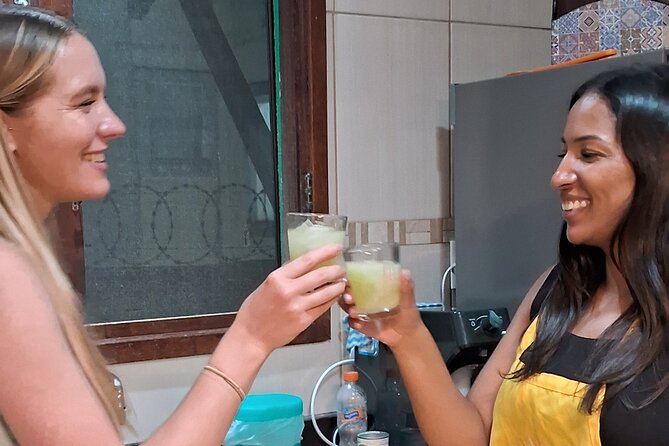
You start by making the signature drink caipirinha, choosing a fruit of your option. As you sip and snack on appetizers, you begin prep for pão de queijo.
What this does for you: it lowers the “pressure to learn” feeling. You’re already in the cooking mindset, and you’re tasting something local right away.
If you’d rather skip alcohol, there’s also a no-alcohol fruit cocktail option, so you’re not forced into drinking.
2) Pão de queijo: the warm, iconic bread
Next up is pão de queijo, where you’ll learn about ingredients and their origins. This is one of the spots where the class moves beyond recipe steps and into food culture—why certain ingredients show up in Brazilian cooking, and how they became part of regional habits.
You’ll be actively preparing, not just watching someone mix dough.
3) Simple vegetables: learning the roots without overcomplicating
You also try vegetables cooked in a very simple way, presented as part of the cuisine’s roots. This is smart teaching for home cooks at any skill level: simple doesn’t mean bland when the ingredients and timing are right.
4) Queijo coalho + pineapple pepper jelly
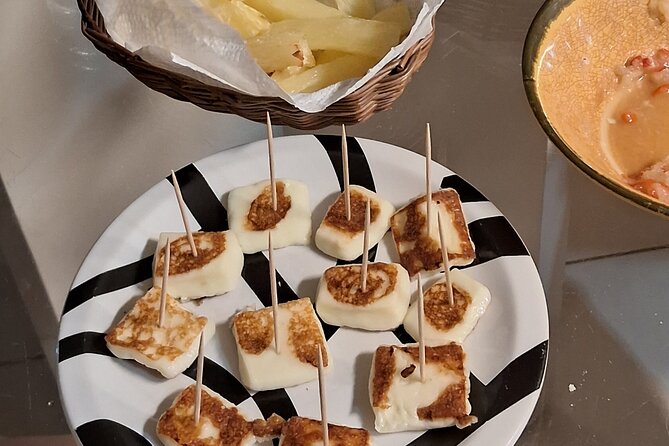
Then you get to queijo coalho, which you pair with a pineapple pepper jelly. This combo is the kind of contrast Bahian food does well—sweet plus spice, dairy plus fruit, and familiar comfort made more interesting.
You’ll learn how the flavors fit together, not just how to assemble them.
5) Camarão na tapioca: deep-fried shrimp with a twist
For camarão na tapioca, you’ll make deep-fried shrimp using tapioca as part of the approach. It’s hands-on, it’s fun, and it gives you a clear taste of how seafood can show up in street-food style and home cooking at the same time.
6) Dessert timing: brigadeiro gets started first
Here’s a practical move: since dessert needs time, you prepare brigadeiro first. Brigadeiro is a traditional Brazilian sweet that’s popular in cafés and at everyday gatherings, so it’s an easy win even if you’re not used to Brazilian desserts.
By the time you finish the main part of the meal, dessert is already under control.
7) Moqueca main dish: marinate first, then cook with care
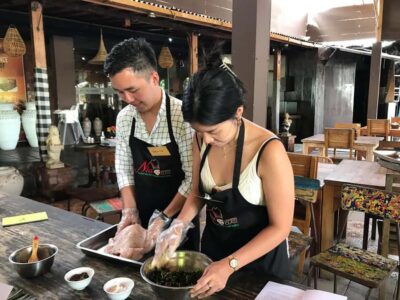
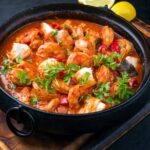
For the main dish, you marinate fish, prawns, or seafood, which will become moqueca. The exact seafood option can be adjusted based on what you want (more on dietary help below).
Moqueca is a signature Bahian dish, and the class teaches you how the marinating step affects flavor. It’s the kind of lesson you’ll actually use later, because it’s not just “follow this recipe,” it’s “this stage changes the outcome.”
8) Sides that make the meal complete
You also prepare Brazilian-style sides, including:
- Brazilian rice
- pirão
- farofa
These sides matter because moqueca alone can feel like one note. Rice brings steadiness. Pirão ties things together with a thicker, savory feel. Farofa adds texture—often the thing that makes you keep going back for a second bite.
9) Coffee from Bahia, then liqueur
To finish, you have coffee from the Bahia region, and then liqueur. It’s a classic closing rhythm: hot drink after a meal, then a final sip.
If You’re Thinking Market Time: What That Adds to the Class
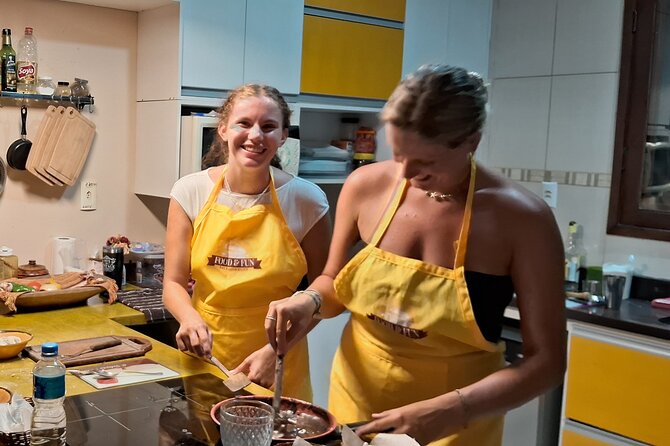
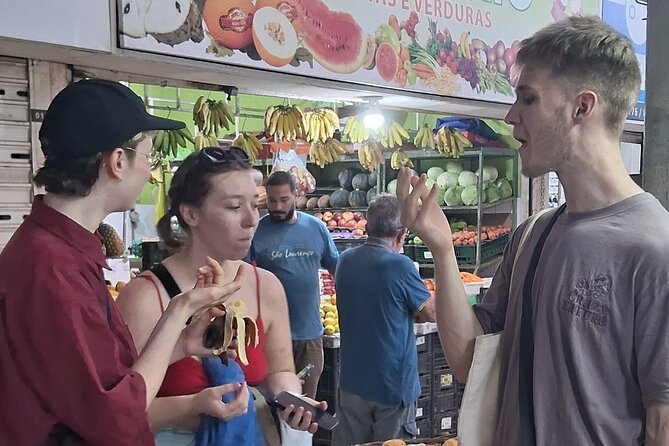
Some sessions include a market step before you head to the kitchen. When that happens, you get to see local produce and food staples up close, and you can ask questions while tasting fruits and sweets along the way.
This matters because when you understand ingredient choices early, the recipes later make more sense. You’re not just learning how to cook; you’re learning what ingredients are common in Bahia and how people use them.
One more reason I like this format: it turns the class into a true Salvador food moment, not just a private cooking workshop.
Karla’s Hosting Style and How the Class Really Works
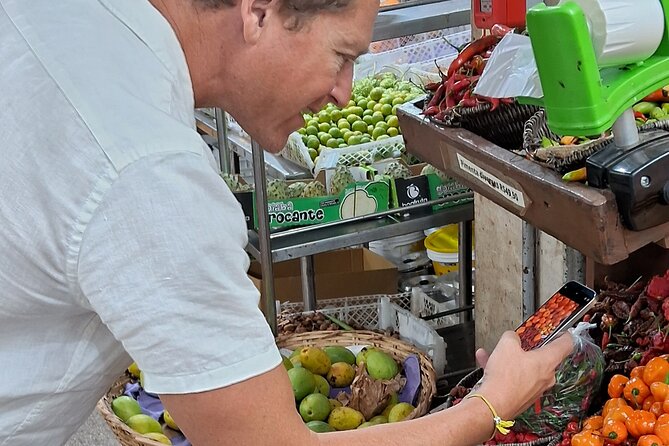
Karla runs the session like a host, not a lecturer. In the best moments, you’re chatting while you cook, and she’s explaining ingredients and techniques in plain terms.
From previous experiences shared by participants, Karla also communicates clearly before the class. That’s important because the menu can change based on what you prefer. For example, if you don’t want seafood, she can adjust the plan to fit you.
That flexibility is a big reason this feels worth it. You’re paying for guidance, but you’re also paying for the ability to make the meal work for your tastes.
Drinks, Coffee, and the Alcohol Question (Without Pressure)
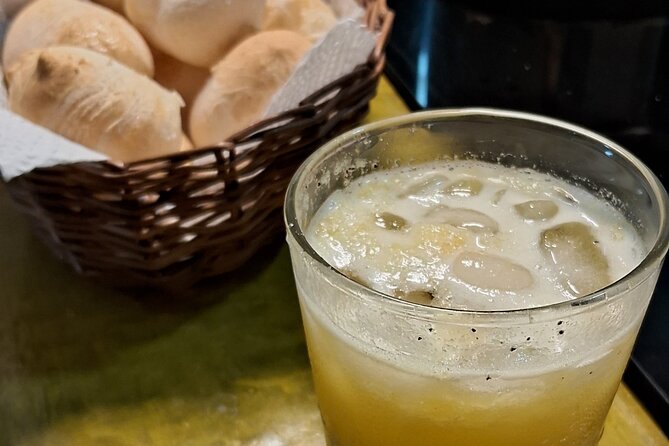
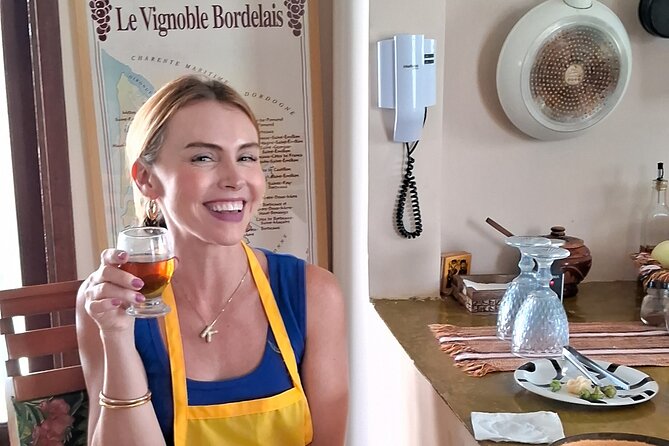
Alcohol is part of the fun here, but it’s not all-or-nothing. The class includes unlimited caipirinhas while you cook and learn, and it also includes other drinks like:
- Brazilian tea and soda (guaraná)
- fruit cocktail options if you prefer no alcohol
- sparkling water
- Brazilian coffee from the region
So you can keep the social vibe without feeling locked in.
One practical point: if you’re sensitive to alcohol, pace yourself. You’re cooking, tasting, and learning, so you’ll enjoy the lesson more if you stay comfortable.
Price and Value: What You’re Really Paying For
At $68.67 per person for about 4 hours, this can look like a lot at first glance. But you’re not just buying access to a recipe card.
You’re getting:
- a guided cooking class
- a full meal across 8 recipes
- unlimited caipirinhas during the cooking portion
- coffee and liqueur at the end
- options for dietary restrictions such as vegetarian, vegan, and gluten-free (tell them when booking)
Also, the class is private (only your group), which changes the value. You’re not competing with strangers for attention. If you want to ask questions, get help with timing, or adjust ingredients, that’s easier in a smaller, private format.
One more thing: the experience is often booked about 17 days in advance on average. If you’re traveling at a busy time, I’d plan to book sooner rather than later so you don’t get stuck with a less convenient slot.
Who This Cooking Class Is Best For
You’ll probably love this if:
- you want a real Bahian meal instead of a restaurant checklist
- you like hands-on cooking and don’t mind getting your hands busy
- you enjoy conversation and learning how ingredients fit together
- you’re traveling with friends or family and want a shared activity
It’s also a strong pick if you care about dietary options. The experience says it can accommodate vegetarian, vegan, and gluten-free needs—plus the menu can be modified when you book.
If you hate seafood and don’t want any fish or shrimp flavors at all, communicate that clearly when booking. The experience has shown it can adjust the menu to preferences, but you’ll get the best results when you share your limits up front.
Practical Logistics: Meeting Point, Timing, and Getting There
The start point is R. Eng. Adozindo Magalhães, 255 – Stella Maris, Salvador – BA. The activity ends back at the same meeting point.
Transportation isn’t included, and it’s not a hotel pickup situation. The good news is that it’s near public transportation, so you can plan your route without needing a private car.
Service animals are allowed, and confirmation is received at booking time, which helps with peace of mind.
Should You Book This Cooking Class in Salvador?
Yes, if you want a true Salvador food experience that’s practical, social, and built around eating what you cook. The standout strength is the structure: drink first, appetizers next, dessert started early, then moqueca with classic sides—plus coffee and liqueur to close it out.
I’d especially book it if you enjoy learning through doing, and if you want a private, conversation-friendly setting with Karla.
Skip it only if you prefer cooking lessons with zero alcohol and zero hands-on time. Even with no-alcohol options available, the experience is designed to be lively while you cook.
FAQ
How long is the Salvador cooking class?
It runs for about 4 hours.
Where do I meet for the class?
You meet at R. Eng. Adozindo Magalhães, 255 – Stella Maris, Salvador – BA, 41603-430, Brazil, and the activity ends back at the same meeting point.
Is transportation included?
No. Private transportation is not included. The meeting area is near public transportation.
Can the menu be adjusted for dietary restrictions?
Yes. The class can accommodate vegetarian, vegan, and gluten-free diets if you indicate your needs when booking.
Is alcohol included?
Yes. You can make and drink unlimited caipirinhas while you cook. If you prefer no alcohol, there’s an option for a no-alcohol fruit cocktail.
What’s the cancellation policy?
You can cancel for a full refund if you cancel at least 24 hours in advance. If you cancel less than 24 hours before the start time, the amount paid is not refunded.