REVIEW · BUDAPEST
Premium Hungarian Home Cooking Experience with Chef Marti
Book on Viator →Operated by Flavors of Budapest · Bookable on Viator
Hungary tastes better when you cook it. Chef Marti’s class is a small-group, hands-on evening in central Budapest where you make a full 3-course menu together in about four hours. You’ll also learn what’s behind the food: ingredients like paprika, plus stories tied to Hungarian customs and everyday life.
I especially like that the format is practical and friendly. You’re not just watching. You’re chopping, stirring, assembling, and learning the logic of Hungarian cooking as you go, with guidance from Chef Marti.
A second big win is what you leave with: the meal plus recipes to cook at home again. You also get local drinks like palinka and wine, which turns the whole night into a real dinner experience rather than a quick demo. The main consideration is that there’s no hotel pickup, and the class needs at least four people to run.
In This Review
- Key things that make this class special
- A Chef-Led Kitchen Session That Feels Like Dinner, Not a Show
- Where You Meet (and Why the Kitchen Setup Matters)
- The Cooking Flow: How the Night Builds From Tasting to Plates
- Your Menu Choices (A, B, or C): Pick Your Flavor Path
- Menu A
- Menu B
- Menu C
- Vegetarian option
- “Flavors of Budapest” Inside the Kitchen: What You Learn Beyond Recipes
- Drinks Included: Palinka and Wine Make the Meal Feel Complete
- Sample Evening You Might Recognize: Goulash Soup to Strudel
- Timing and Group Reality: What the Four Hours Actually Do
- Value in Plain Terms: What $131.87 Buys You
- Who Should Book This Class (and Who Might Hesitate)
- Should You Book Chef Marti’s Hungarian Home Cooking Class?
- FAQ
- FAQ
- What is the duration of the Hungarian home cooking experience?
- Where do I meet, and where does it end?
- What kind of meal will I eat?
- Can I choose my menu in advance?
- What drinks are included?
- Is there a vegetarian option?
- How big is the group?
- Is hotel pickup included?
- Can I cancel and get a refund?
Key things that make this class special
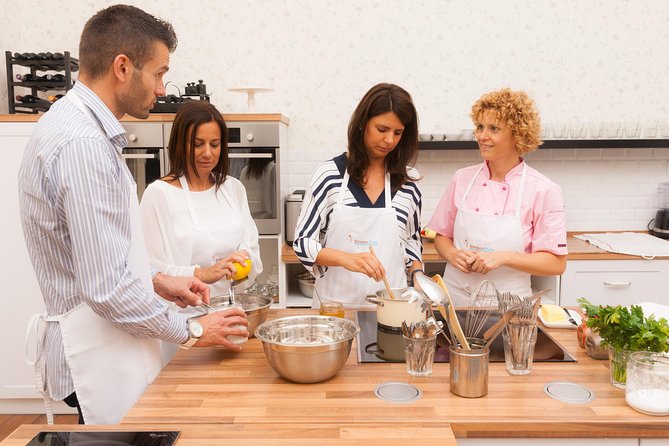
- A cozy, home-style studio kitchen in the center of Budapest (not a basement room)
- One shared menu for everyone: you all cook the same 3-course dinner, plus extra local starter bites
- Real Hungarian ingredients come to the table early, including paprika and other staples
- Drinks are part of the experience: palinka, Hungarian wine, soft drinks, and coffee
- Recipes to take home, so you can recreate the dishes later (not just remember them)
A Chef-Led Kitchen Session That Feels Like Dinner, Not a Show
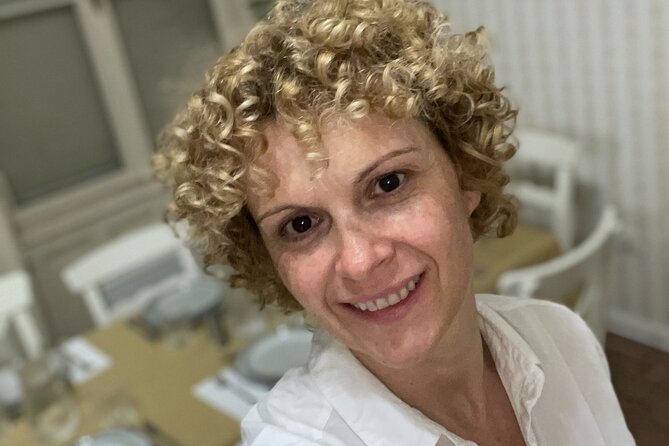
This isn’t a restaurant meal where you just sit back. It’s a cooking workshop where the whole goal is getting you comfortable with Hungarian home style cooking. Chef Marti runs it with a warm, casual energy, but the instruction stays serious about technique and flavor.
What makes it click for me is the rhythm. You’re guided step-by-step, with ingredients and the needed pots and kitchen tools already sorted. That means you spend your time cooking and learning, not figuring out how to operate someone else’s kitchen setup.
And because the group is small—maximum of eight—you’re more likely to get real interaction than a crowded class where you only do one tiny task. Even if you’re traveling solo, you’re usually not left out. The experience is built around people working together.
You can also read our reviews of more tours and experiences in Budapest.

Where You Meet (and Why the Kitchen Setup Matters)
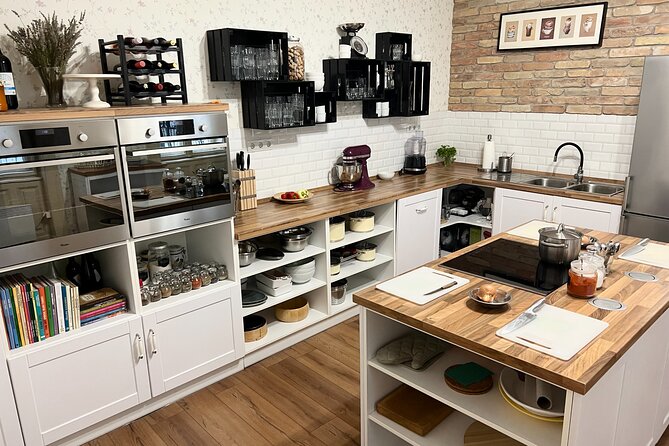
You meet in Budapest at Király u. 77, 1077. The activity starts there and ends back at the same meeting point, so you don’t have to plan transportation gymnastics afterward.
One thing I appreciate from the way the experience is described: it happens in a home-style, cozy kitchen studio in the center of Budapest, not an underground room. That small detail matters more than it sounds. A kitchen that feels like a real home base helps you relax. And when you’re relaxed, you learn faster—and you’re less stressed when it’s time to flip pancakes, roll dumplings, or assemble layered desserts.
The Cooking Flow: How the Night Builds From Tasting to Plates
The evening is built around making a Hungarian 3-course menu plus an extra starter experience. Everyone works together as a team, and you all prepare the same menu you chose when booking.
Here’s the typical flow you should expect:
1) Welcome and local ingredient intro
Before you fully cook, you get to taste local ingredients as part of a farmer’s plate starter. This is where you first see and taste key Hungarian food building blocks. It’s also where the chef’s storytelling usually starts—what paprika means here, how certain ingredients show up again and again, and why.
2) Starter prep and seasoning lessons
Your chosen menu includes a starter (for example, goulash soup, creamy potato soup with smoked sausage, or cold sour cherry soup). During this stage, Chef Marti guides you through the technique behind the flavor: building a soup base, balancing paprika intensity, and working with root vegetables and savory additions.
3) Main course cooking where you practice Hungarian classics
Your main course is where hands-on work really ramps up. Depending on your menu choice, you may cook chicken paprikas with dumplings, savory pancakes in the Hortobágy style, stuffed cabbage, or other substantial comfort food.
4) Dessert assembly and the final flour-and-sugar payoff
Dessert isn’t a small afterthought here. You’ll make a full Hungarian-style sweet, such as apple strudel with vanilla custard, Gerbeaud layered cake, Gundel pancake, or poppy-seed bread dumplings with vanilla custard.
5) Eat together, then pair it with Hungarian drinks
Once everything is done, you sit down to enjoy what you made. Along the way, you’ll get drinks included with the class—palinka, Hungarian wine, soft drinks, and coffee. Toward the end, you get a glass of Hungarian wine with the meal.
Finally, you receive recipes you can take home. This is important. Lots of cooking experiences end with full plates and fuzzy memories. Here, you get the written path back to your own kitchen.
Your Menu Choices (A, B, or C): Pick Your Flavor Path
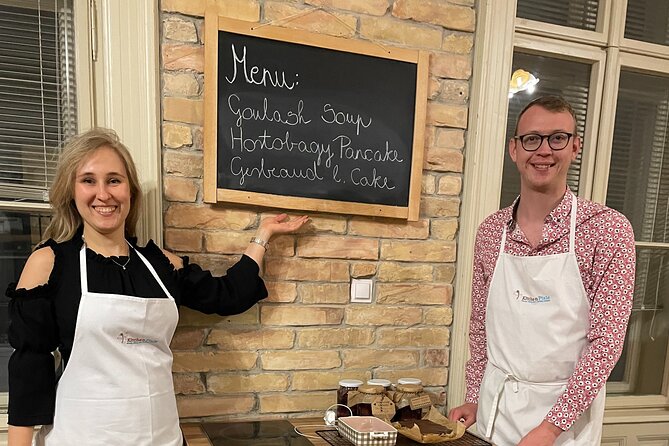
You choose only one menu option, and then you cook that exact same menu with the group. If you’re booking early, you’re more likely to lock in the menu you want, because everyone ends up making the shared menu that night.
Menu A
- Cold sour cherry soup
- Chicken paprikas with dumplings
- Gundel pancake
Menu A leans into bright flavors plus comforting dumplings and that unmistakable Hungarian paprika-and-chicken profile. Gundel pancake is a great choice if you like layered, spoonable desserts that feel special without being overly complicated.


Menu B
- Goulash soup (beef)
- Savoury pancake Hortobágy style (chicken)
- Gerbeaud layered cake
Menu B is the most straightforward “Hungarian greatest hits” option. Goulash soup gives you a deep savory base, and the Hortobágy-style pancake is where you see how tradition can show up in a modern, satisfying way on a plate. The Gerbeaud layered cake makes the finale feel like a celebration.
Menu C
- Creamy potato soup with smoked sausage
- Stuffed cabbage (pork meat)
- Poppy-seed bread dumplings + vanilla custard
Menu C is the comfort option for people who love hearty, slow-feeling meals. Smoked sausage in potato soup adds a smoky edge, the stuffed cabbage is pure home cooking energy, and the poppy-seed dumplings with vanilla custard create a dessert that’s both filling and classic.
Vegetarian option
A vegetarian option is available. You need to mention it when booking, but the data here doesn’t list exactly which dishes become vegetarian on that menu. If you care about specific vegetarian substitutions, ask when you book.
“Flavors of Budapest” Inside the Kitchen: What You Learn Beyond Recipes
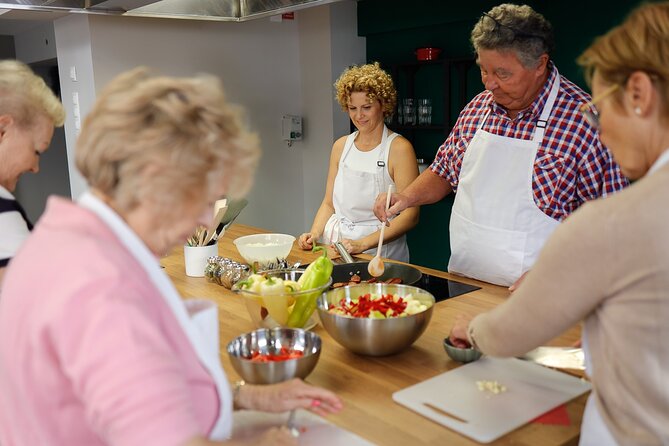
This class isn’t only about technique. It’s also about context, and that’s one of the most praised parts of the experience.
Chef Marti weaves history and food culture into the instructions, often tying the dish to Hungarian customs and everyday habits. You’re likely to hear personal stories and family-related culinary background. That turns cooking into something more grounded than a generic “food facts” talk.
One recurring theme you should expect: paprika. Hungarian cuisine leans on paprika for more than color. It shapes sweetness, smokiness, and mild heat depending on the dish and how it’s used. In this class, paprika shows up often enough that you’ll start understanding it as an ingredient with a job—not just a powder.
You’ll also learn about typical local ingredients beyond paprika. Think sausages, cheeses, root vegetables, and the way Hungarians build flavor in soups and stews. Even if your goal is “I want to make one dinner at home,” this kind of practical ingredient knowledge helps you cook confidently afterward.
Drinks Included: Palinka and Wine Make the Meal Feel Complete

If you want a dinner-like evening, you’ll appreciate that drinks are included. The class provides palinka (traditional fruit brandy), Hungarian wine, soft drinks, and coffee.
Palinka can be strong, so think of it as a flavorful sip to match the meal. Wine also helps you slow down and enjoy the results, especially if you’re working actively during the cooking and then suddenly need to switch modes to eating.
If you’re the kind of person who hates spending the evening “only” hungry, this is a good fit. The class is designed so you eat what you cooked, and you leave full.
Sample Evening You Might Recognize: Goulash Soup to Strudel
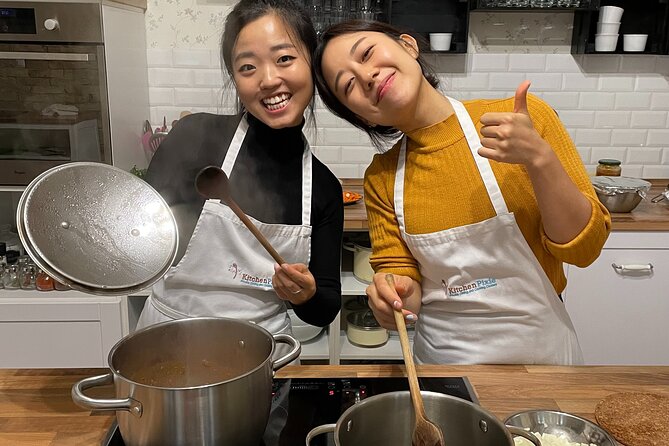
To help you picture the vibe, here’s a sample menu format you might see in action:
- Starter: goulash soup with beef and root vegetables
- Main: savoury meat pancake Hortobágy style with chicken
- Dessert: apple strudel (thin filo dough with warmly spiced apples) served with vanilla custard
Even if your night runs a different menu, the structure stays similar: hearty starter, satisfying main, and a dessert that clearly belongs to the same Hungarian table.
Timing and Group Reality: What the Four Hours Actually Do
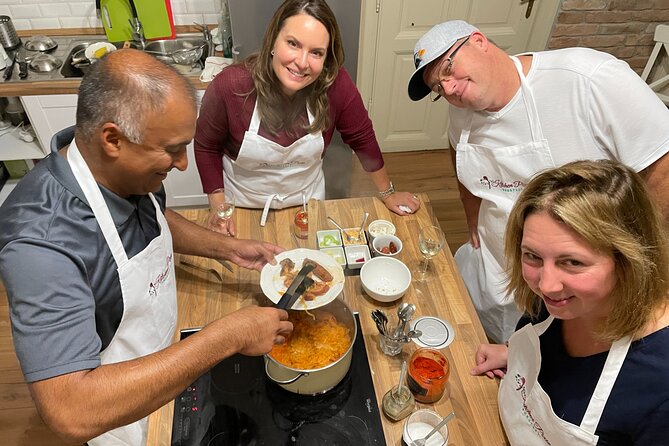
The class runs about four hours. For most people, that feels like a full evening, not a quick workshop. You’ll spend enough time cooking that your hands learn the process—not just your brain.
The group is kept small, but it’s still a group. Everyone cooks the same menu, and Chef Marti manages tasks so people stay involved. If you’re hoping for solo-style customization (different menus at once, for example), this is not that kind of class. The shared menu approach is part of what keeps the evening organized and interactive.
Also note the minimum requirement. The class needs at least four participants to run. If you book last minute and the group isn’t full, you might be asked to switch dates or get a refund, depending on what’s available.
Value in Plain Terms: What $131.87 Buys You
At $131.87 per person for about four hours, you’re paying for a chef-led, small-group experience with real food and drink included. Here’s what that adds up to in practical terms:
- You get a full meal: 3-course menu plus an extra local farmer’s plate starter
- You get included drinks: palinka, Hungarian wine, soft drinks, and coffee
- You get hands-on instruction: ingredients and kitchen equipment are provided
- You get take-home recipes: so the value doesn’t disappear when the night ends
- You get a small-group setting: max eight people, not a big crowd
If you tried to recreate this on your own, you’d be buying ingredients, gathering tools, and still needing guidance to get technique right. The included recipes help you do it faster and with fewer mistakes.
The main “cost” to consider is your time and logistics: no hotel pickup. You need to make it to Király u. 77 and plan your evening around the four-hour block.
Who Should Book This Class (and Who Might Hesitate)
I’d point this class toward you if:
- you want a real Hungarian dinner you can recreate
- you enjoy cooking and want to do more than taste
- you like cultural stories tied to what’s on the plate
- you want a smaller, more personal experience in Budapest
You might think twice if:
- you don’t want to cook at all and prefer a pure tasting tour
- you strongly prefer vegetarian versions of specific dishes (details aren’t listed here, and vegetarian substitutions aren’t described)
- you need hotel pickup or fully guided transport from wherever you’re staying
One more small heads-up, based on a review detail you may find in similar sessions: on at least one night, the chef had eaten earlier and didn’t sit down to eat with the group. That doesn’t affect your meal, but it’s good to know the chef’s role is still very much instruction-and-hosting.
Should You Book Chef Marti’s Hungarian Home Cooking Class?
If your goal is to learn Hungarian cooking in a way that actually sticks, this is a strong yes. The combination of hands-on cooking, meaningful food stories, included palinka and wine, and recipes to take home is exactly what turns a dinner into skills.
Book it if you want an offbeat cultural evening that’s still practical and satisfying. And if you have a menu preference, choose early so you’re more likely to get the dishes you want.
FAQ
FAQ
What is the duration of the Hungarian home cooking experience?
The class is about 4 hours.
Where do I meet, and where does it end?
You start at Budapest, Király u. 77, 1077 Hungary, and the experience ends back at the same meeting point.
What kind of meal will I eat?
You’ll cook and eat a 3-course Hungarian menu, plus a starter farmer’s plate with local ingredients.
Can I choose my menu in advance?
Yes. You choose one menu option (A, B, or C) when booking, and everyone in the class makes the same selected menu.
What drinks are included?
The experience includes palinka, Hungarian wine, soft drinks, and coffee.
Is there a vegetarian option?
A vegetarian option is available. You need to advise the provider at booking if you require it.
How big is the group?
It runs with a minimum of 4 participants and has a maximum of 8 travelers.
Is hotel pickup included?
No. Hotel pick-up and drop-off are not included.
Can I cancel and get a refund?
Yes. You can cancel for a full refund up to 24 hours in advance. If you cancel less than 24 hours before the start time, the amount paid isn’t refunded.