REVIEW · ELLA SRI LANKA
Ella: Traditional Sri Lankan Cooking Class
Book on GetYourGuide →Operated by Ranjani · Bookable on GetYourGuide
Banana-leaf Sri Lankan cooking turns dinner into a lesson. I love the open-air kitchen setup and how it keeps things airy while you cook. I also love the banana leaf meal, because you eat like locals and waste less. One thing to consider: this is a shared kitchen class, so it can get a little crowded and you won’t have a totally separate station for every dish.
With Ranjani (English and Singhalese), you’ll tackle classic favorites like hoppers, rice and curry, string hoppers, and honey roti. The class runs about 2 hours, usually around 11:00 AM or 5:00 PM, and you keep the momentum with a small group (limited to 8). Best part for taking it home: the recipes get sent after class through WhatsApp.
In This Review
- Key things you’ll enjoy in Ella’s Traditional Sri Lankan Cooking Class
- Getting Oriented at Chamathka Cooking Class
- The Open-Air Kitchen Setup That Keeps It Feeling Local
- Spices, Coconut, and the Stuff You Can Actually Use at Home
- What You’ll Cook: Hoppers, Rice and Curry, String Hoppers, Honey Roti, and More
- Veg and non-veg options
- Banana Leaves, No-Waste Eating, and That Final Plate Moment
- Hands-On Style in a Small Group: How the Format Works
- Timing in Ella: Why 2 Hours Might Feel Like More
- Recipes on WhatsApp: Your Take-Home Payoff
- Price and Value: Is $19 Worth It?
- Who This Class Fits Best (and Who Might Want Something Different)
- Should You Book Ella’s Traditional Sri Lankan Cooking Class with Ranjani?
Key things you’ll enjoy in Ella’s Traditional Sri Lankan Cooking Class
- Open-air kitchen flow that makes spice-steamy cooking feel comfortable
- Hands-on meals (not just watching) with lots of chances to help
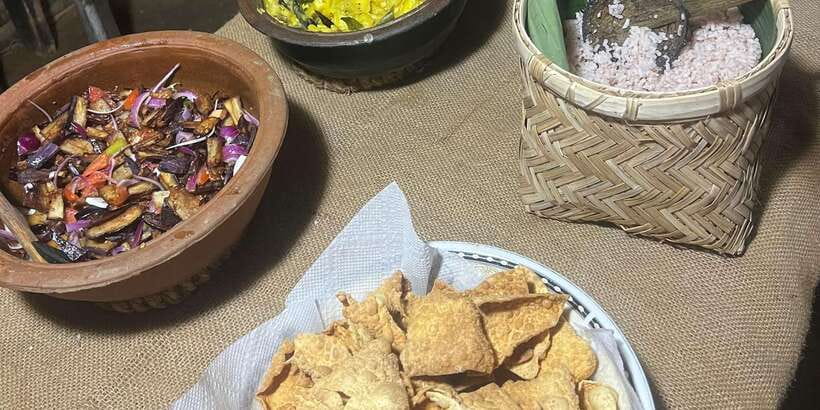
- Local-style serving on banana leaves, with a “finish what you make” mindset
- Spice and ingredient explanations from Ranjani, including health and natural-medicine angles
- WhatsApp recipes after class, so you can recreate dishes at home
Getting Oriented at Chamathka Cooking Class
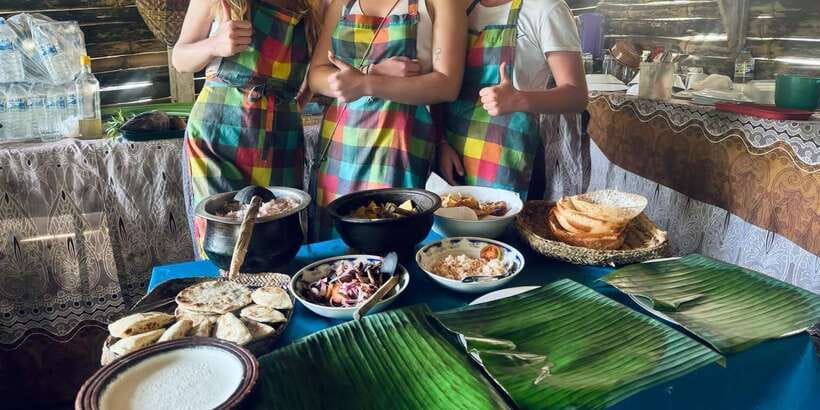
You’ll check in with the staff at Chamathka Cooking Class before heading into the kitchen area. This matters because the lesson moves fast once everyone’s settled—there’s prep, chopping, mixing, and then the cooking rhythm kicks in.
If you’re doing this on a travel day, plan a little buffer. The class normally runs at 11:00 AM and 5:00 PM, but the provider can adjust the time if you contact them in advance.
You can also read our reviews of more tours and experiences in Ella Sri Lanka.
The Open-Air Kitchen Setup That Keeps It Feeling Local
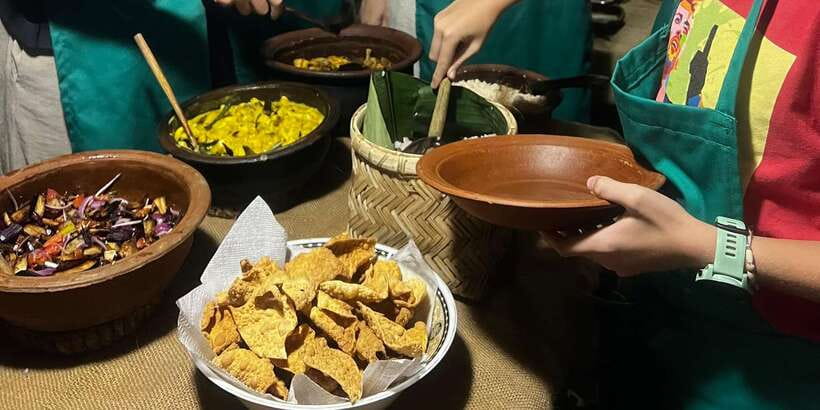
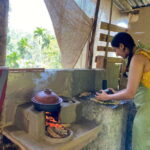
The first thing you’ll notice is the open-air kitchen. Instead of being locked in a closed room, you’re cooking with airflow around you, and you can see the greenery around Ella while you work. It’s a small detail, but it changes the whole vibe: the experience feels more like a real home kitchen routine than a staged performance.
Ranjani greets you and starts by introducing fresh ingredients. This isn’t random sampling. She uses those ingredients to teach the core “why” behind Sri Lankan cooking—what’s common, what’s important, and how flavors build through spice, coconut, and cooking method.
Some sessions start with a welcome touch—like tea and biscuits—before the chopping and cooking begins. Either way, you’re ready to go once the lesson starts.
Spices, Coconut, and the Stuff You Can Actually Use at Home
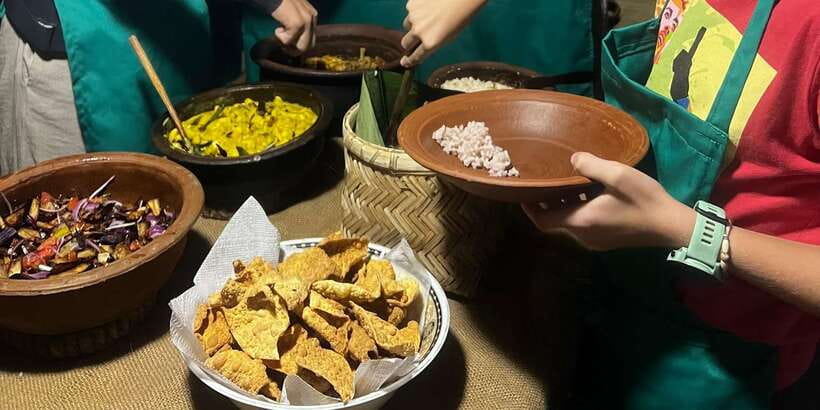
This class does more than teach recipes. You get the ingredient reasoning—especially around spices and herbs.
A few of the techniques and ingredient steps you might see (and help with) include:
- preparing coconut inputs (like grading/shredding and making coconut milk)
- creating sambola (Sri Lankan chili-coconut condiment)
- making a solid dhal (lentil curry) base
- prepping components for rice and curry style meals
Ranjani also talks about health benefits of ingredients and how certain spices are used for natural-medicine purposes. That’s useful even if you don’t want to go full herbal-medicine at home. It gives you a practical reason for why a spice belongs in a dish, so you’re not just following steps—you understand what you’re doing.
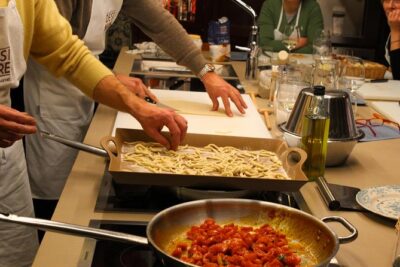
And yes, it’s hands-on. Many classes of this type let one person “perform” while others watch. Here, Ranjani encourages people to take part. Expect moments where you chop, season, mix, and taste rather than standing around.
What You’ll Cook: Hoppers, Rice and Curry, String Hoppers, Honey Roti, and More
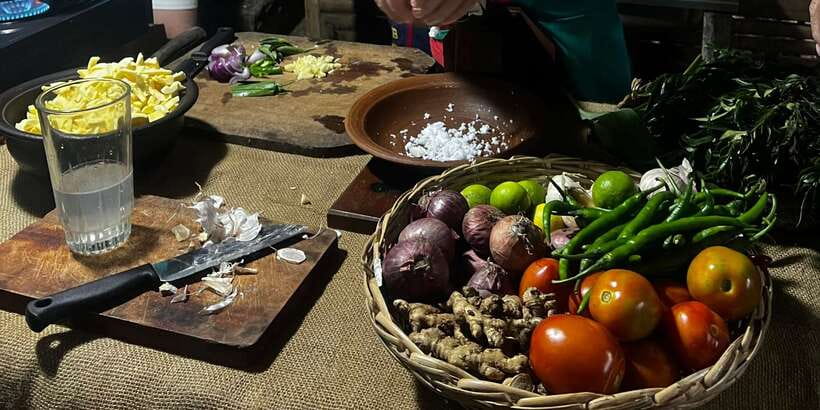
The menu can vary, but the class is built around classic Sri Lankan comfort food. You should expect a mix of dishes that balance starchy staples (pancake and hopper-style items) with curries and condiments.
Common dishes listed for this class include:
- hoppers (bowl-shaped pancakes)
- rice and curry
- string hoppers
- honey roti
Based on past course variations, you might also cook dishes like:
- dhal curry
- chicken curry
- coconut sambol
- aubergine salad
- papadam
Why that mix matters: it helps you build a home-cooking “toolkit.” You learn the difference between a curry base, a condiment that wakes up the whole plate, and a staple that soaks up flavor. And if you want to recreate Sri Lanka at home, you need more than one dish—you need the rhythm.
Veg and non-veg options
You may be able to choose between vegetarian and non-vegetarian options, but don’t assume all dishes will swap perfectly. If you have dietary restrictions (or you’re vegetarian/vegan), tell the organizer ahead of time. One vegan guest reported they could eat almost everything, but at least one dish wasn’t a fit—so confirmation helps.
Banana Leaves, No-Waste Eating, and That Final Plate Moment
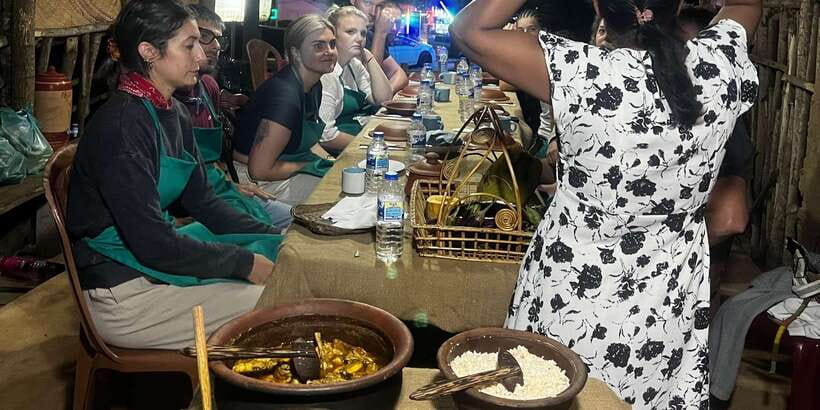
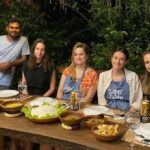
Once the cooking wraps up, you sit down and eat what you made. The class encourages a Sri Lankan tradition: you eat from banana leaves. It’s not just for show. It changes the feel of the meal—informal, communal, and practical.
There’s also a no-waste mindset built in. Eating from banana leaves naturally nudges people toward finishing what’s on the plate, and portions feel more flexible because everyone is eating the same style at the table.
What you’ll likely take away is that Sri Lankan meals aren’t just “curry + rice.” They’re a combination: curries plus crunch (like papadam), creamy elements, and chili-coconut sambol that ties everything together. If you ever wondered why Sri Lankan food tastes so layered, this is the moment it clicks.
Hands-On Style in a Small Group: How the Format Works
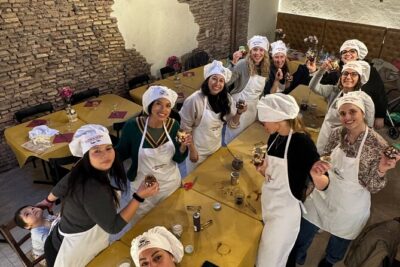
This class is limited to 8 participants, which is a good size. With fewer people, Ranjani can keep an eye on your progress and pull you in at the right time.
Still, the format is communal. Expect cooking to happen together in the same kitchen space. That’s part of the charm—everyone chips in—but it can mean the kitchen feels tight at peak prep.
One practical tip: wear clothes you don’t mind getting a little spice-scented. It’s open-air cooking, but curry and chili have a way of clinging to fabric.
If you prefer a structured class where you each do a single dish start-to-finish at your own station, this might feel different. Many people love the group rhythm and shared tasks here, but it’s worth knowing the style upfront.
Timing in Ella: Why 2 Hours Might Feel Like More
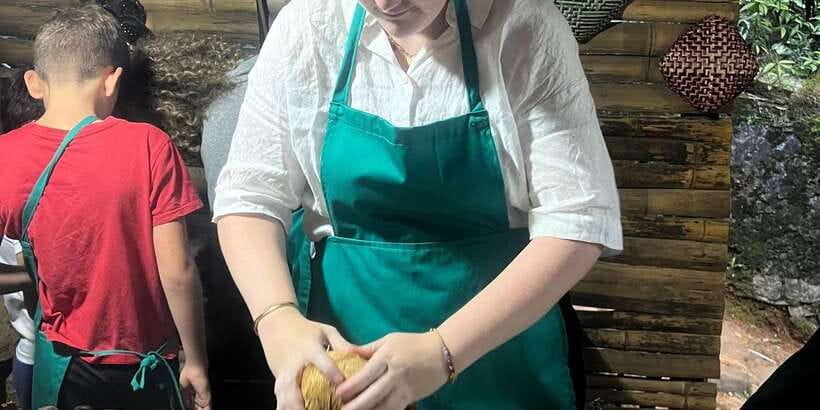
The class is listed as 2 hours, but you might find it runs closer to 2.5 hours depending on how things go—like weather or how the cooking pace lands that day.
Plan for a slight buffer, especially if you have a driver waiting or another reservation right after. You’ll be eating at the end, so you don’t want to feel rushed while digesting your banana-leaf feast.
If you’re doing it on your first evening in Ella, you’ll get more out of it if you’re not trying to cram another big activity right after.
Recipes on WhatsApp: Your Take-Home Payoff

The most valuable part for home cooks is the take-home support. After class, recipes are sent through WhatsApp. That means you’re not trying to remember measurements while the spices are still on your hands.
You’ll usually get enough detail to re-create the dishes later, and it’s easy to save everything in one place on your phone. Some guests even reported that a cook book PDF can be provided if you ask—so if you’re the type who likes a printable copy, it’s worth requesting.
Practical tip: screenshot anything that includes step timing or ratios as soon as it arrives, especially if you’re traveling without reliable data later.
Price and Value: Is $19 Worth It?
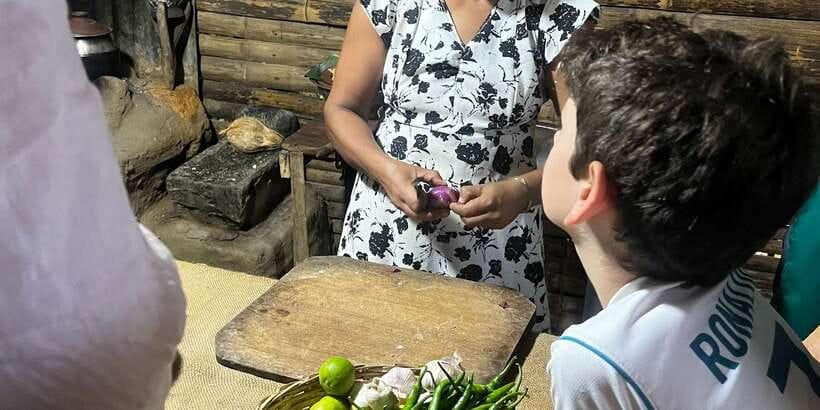
At about $19 per person for a roughly 2-hour experience, this is strong value for two reasons.
First, you’re not just learning technique—you’re eating a meal made from fresh ingredients. The class includes instructor time, cooking, the meal, and bottled water. That shifts the price from a “paid activity” to a “real food experience” that happens to teach you how to cook.
Second, you get more than one dish. A lot of cooking classes only cover one item. Here, the curriculum centers on staples and curries (like hoppers, rice and curry, and sambola-style elements), so your skills and your stomach both benefit.
What’s not included is transportation to the meeting point, so factor in the cost of getting yourself to Chamathka Cooking Class.
If you’re in Ella and you want one experience that’s both cultural and useful in your own kitchen later, this price usually lands in the sweet spot.
Who This Class Fits Best (and Who Might Want Something Different)
You’ll probably love this cooking class if:
- you want a hands-on Sri Lankan cooking session, not a watch-and-wait demo
- you enjoy understanding spices and ingredients, not just memorizing recipes
- you like the idea of eating your food banana-leaf style
- you want recipes you can use again, sent after class via WhatsApp
You might consider a different kind of class if:
- you need a fully customized menu with guaranteed substitutions
- you expect your own workstation for the whole session
- you’re trying to fit it between tightly timed appointments with zero buffer
Should You Book Ella’s Traditional Sri Lankan Cooking Class with Ranjani?
I think this is a smart booking for most people visiting Ella—especially if you care about food that you can recreate. The combo of hands-on cooking, a truly local-feeling setting (open-air kitchen, banana leaves), and practical take-home recipes on WhatsApp makes it more than a one-off meal.
If you’re choosing between “see Ella” and “learn Sri Lanka through dinner,” this class is one of the better ways to do the second option. Just give yourself a little timing slack, mention dietary needs ahead of time, and come ready to get your hands into the cooking.