REVIEW · ROME
Rome: Traditional Pasta with Cocktails Cooking Class
Book on GetYourGuide →Operated by Global Experiences · Bookable on GetYourGuide
Rome tastes better with a spritz in hand. This 3-hour chef-led class puts fresh pasta in your hands and pairs it with three iconic Roman spritz moments, and I like the intimate feel that keeps things personal with hosts such as Angela or Giovanna. One drawback to plan around: the menu can’t handle gluten-free needs, vegan diets, or lactose intolerance.
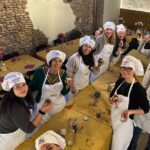
What really makes this experience feel like Rome (not a theme) is the pairing: a mixologist teaches the drinks, then you cook classic pasta and a famous sauce, and you actually sit down and eat your work. Reviews from the people I’d want to travel with are full of the same pattern: energetic chefs, clear instructions, and that relaxed, laughing-in-the-kitchen vibe led by people like Benjamin with helpers such as Dela (depending on the night).
Since you’re sipping three handcrafted spritzes, go in knowing it’s part cooking class and part friendly happy-hour. You do get unlimited water/soft drinks, so it’s smart to sip slowly, especially if you plan to wander Rome afterward.
In This Review
- Key highlights at a glance
- Pasta and spritz in 3 hours: why this class fits Rome
- Where you’ll meet: Via Cesare Balbo near Hotel 77
- The spritz lesson: Aperol, Hugo, and limoncello (and why it’s more than a drink)
- Fresh pasta from scratch: the hands-on part that makes you feel capable
- Sauce showdown: carbonara or cacio e pepe
- The meal moment: sitting down with your own spritz and pasta
- Price and value: is $100.82 worth it?
- Who should book this class (and who should skip it)
- Should you book this Rome pasta and spritz class?
- FAQ
- How long is the Rome pasta and cocktails cooking class?
- What is included in the class price?
- How big are the classes?
- Is the class offered in English?
- Can the class accommodate gluten-free, vegan, or lactose-free diets?
- Where do I meet for the class?
Key highlights at a glance
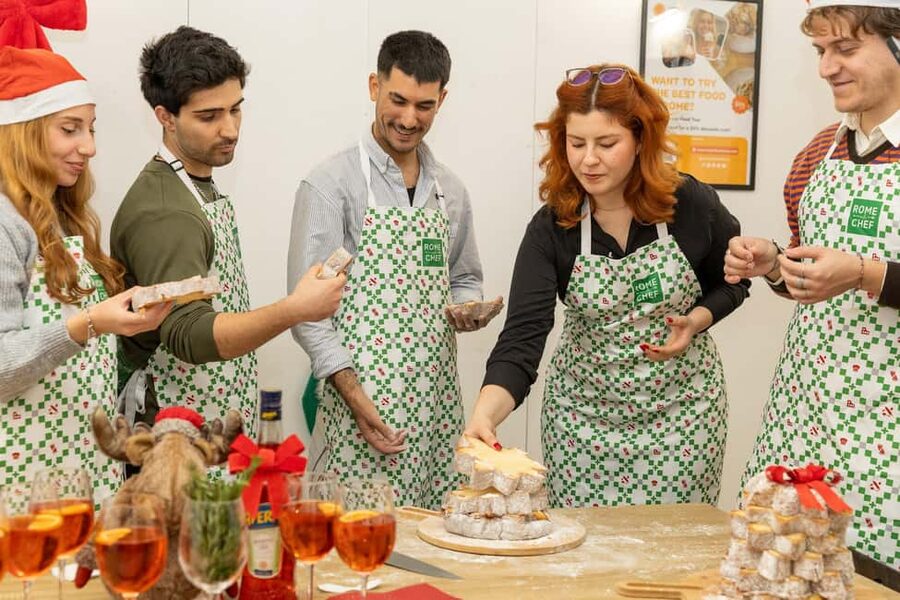
- Three spritz cocktails you make: Aperol, Hugo, and limoncello
- Small class size (max 14) for more hands-on help
- Chef-led fresh pasta from scratch, plus a choice of sauce
- Carbonara or cacio e pepe so you leave with a real Roman staple
- Eat what you cook, with recipes to take home
Pasta and spritz in 3 hours: why this class fits Rome
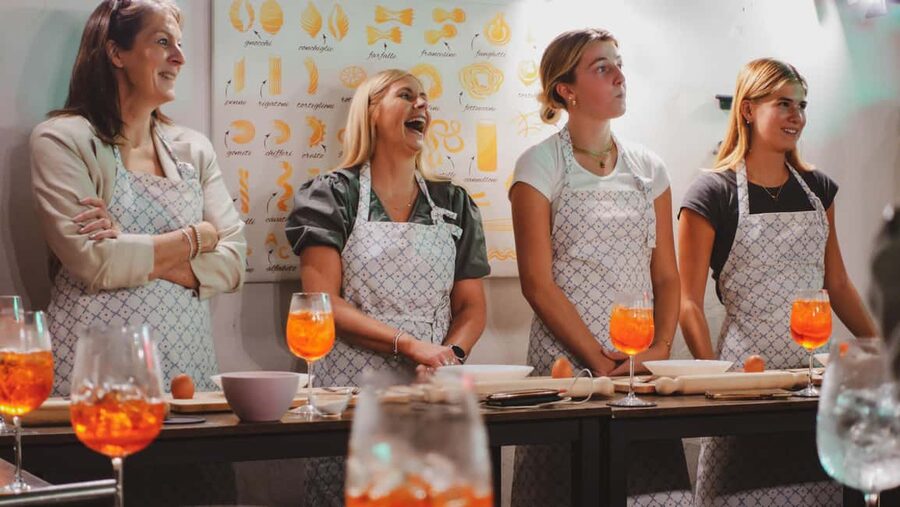
If your Rome plan includes at least one food-and-drink activity, this one makes sense. You get a full workflow: drink-making first (so you’re loosened up), then pasta, then sauce, then the payoff meal where you eat everything you made. It’s short enough for a busy itinerary, but structured enough that you don’t feel like you’re just watching.
I also like the practical angle. This isn’t only about tasting. You learn technique for fresh pasta and you learn how to build a sauce that actually behaves like the real thing. And because you take home recipes, it’s one of those rare classes where you can recreate the experience later instead of just remembering the photos.
The class has an English live guide feel, and it’s led by a chef with a mixologist host involved for the spritz side. That split matters: pasta has its own rhythm, and cocktails have theirs. You’re less likely to feel rushed or lost because the teaching matches what you’re doing.
You can also read our reviews of more tours and experiences in Rome.

Where you’ll meet: Via Cesare Balbo near Hotel 77
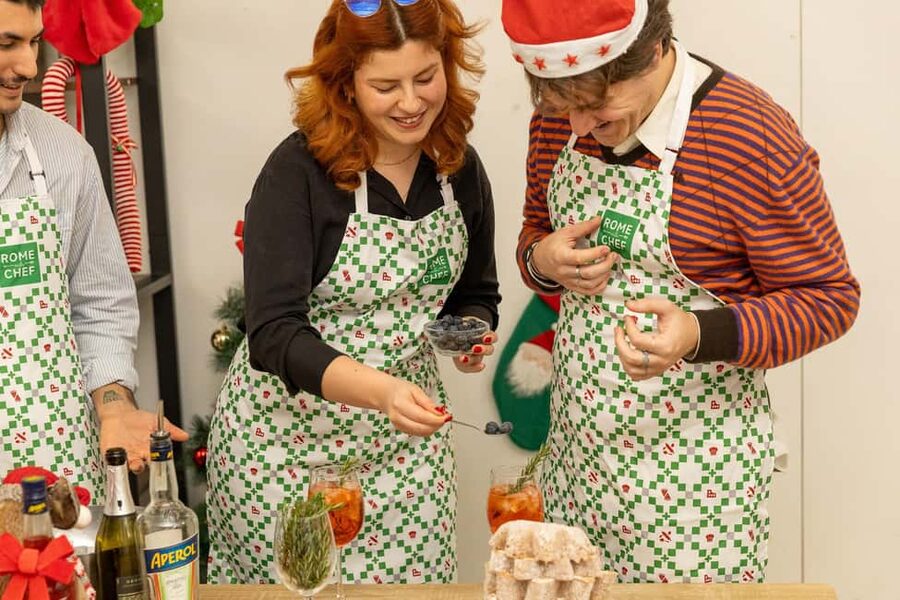
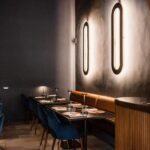
The meeting point is Via Cesare Balbo, 19 (00184), just around the corner from the Hotel 77 entrance. Look for a sign that says Rome With Chef outside the class.
For timing, assume you’ll arrive a few minutes early. Cooking classes run on the clock: dough needs attention, and spritz ingredients are measured. Getting there on time helps you start steady instead of flustered, especially if it’s your first evening out in central Rome.
The spritz lesson: Aperol, Hugo, and limoncello (and why it’s more than a drink)
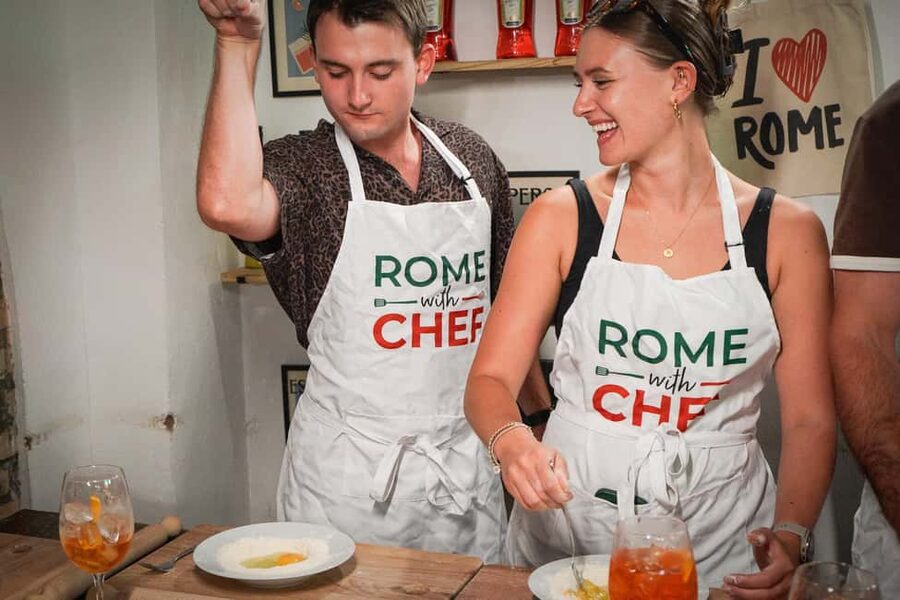
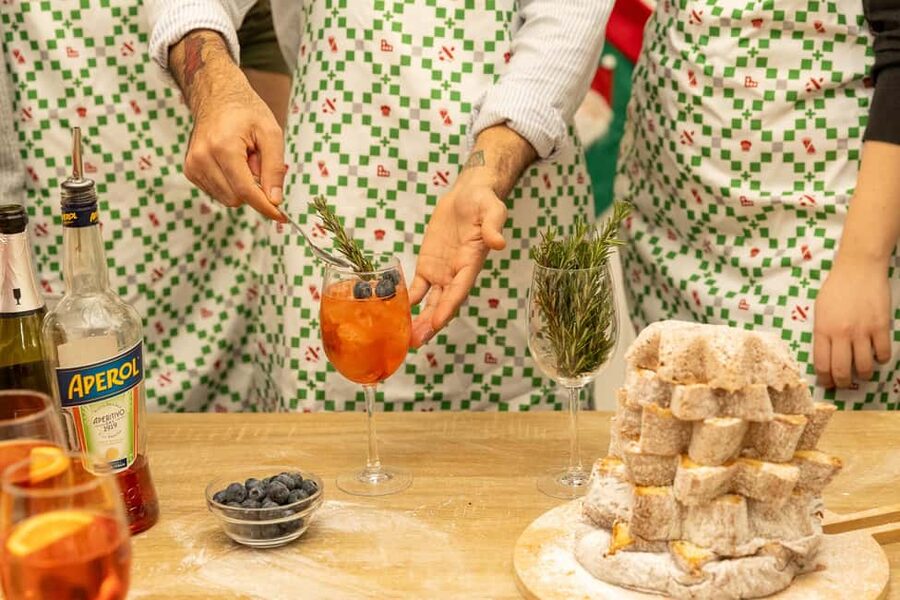
The class leans into spritz culture in a smart way. Instead of treating the spritz like a prop, you learn three versions and make them yourself: Aperol spritz, Hugo spritz, and limoncello spritz.
You’ll get guidance from the mixologist host, which is the difference between simply being handed a drink and understanding how the flavors fit together. The information provided also notes that the spritz dates back as far as the 1800s. Whether you care about exact dates or not, the point is clear: this isn’t a trendy, throwaway cocktail. It’s a long-running Italian style of sipping.
Here’s what you can look for as you cook and drink:
- You’ll likely learn how to balance sweetness and bitterness so the spritz stays refreshing, not syrupy.
- You’ll see how each spritz’s signature flavor changes the whole vibe of the meal.
Then, you drink along the way. The class includes one of each spritz, and the meal is paired with the third spritz. So the drinks aren’t separate from the food experience—they’re timed to match the flow.
Fresh pasta from scratch: the hands-on part that makes you feel capable
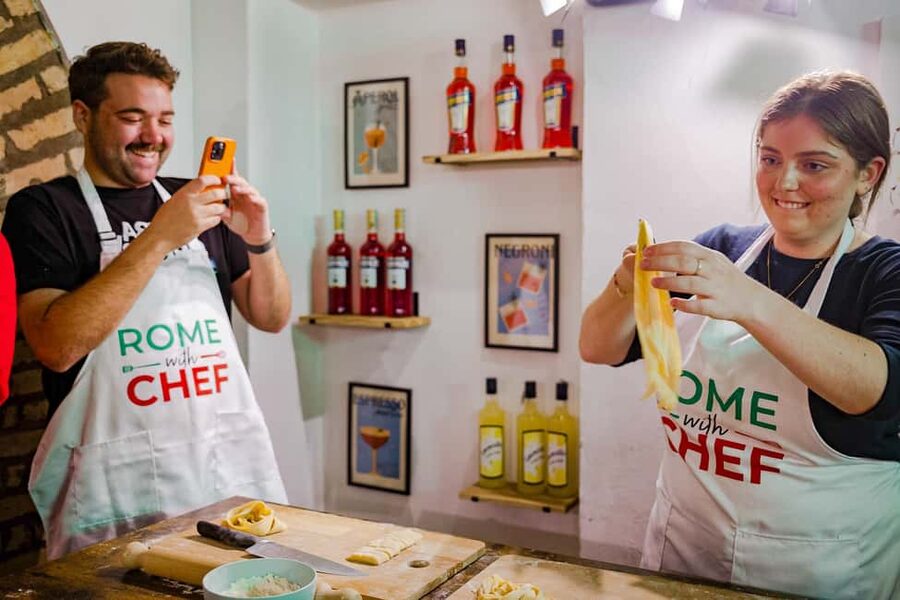
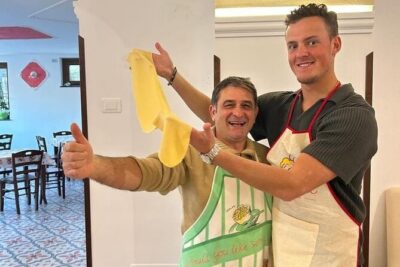
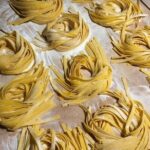
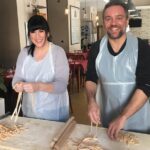
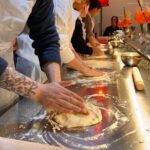
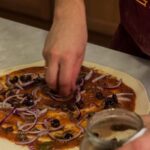
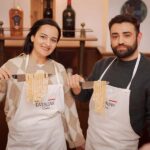
After the spritz start, the energy moves to the kitchen work: handmade pasta and sauces, with vegetarian options available. You’ll follow classic Italian recipes and cook your own fresh pasta.
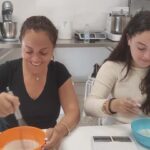
This is the part I’d call the heart of the value. When a cooking class is truly hands-on, you leave with muscle memory. Pasta dough has texture cues that you can only learn by doing: how it comes together, how it feels, and what it looks like when it’s ready. Even if you’re a total beginner, a good chef instruction style helps you get unstuck fast.
From the teaching vibe shared by multiple hosts (names like Laura, Jim, Marzia, and Jem show up in different nights), the common thread seems to be clear directions and a fun atmosphere. In practice, that means you’re not standing around waiting for someone else to finish the steps.
One practical note: the class is not built for gluten-free or vegan diets, and it can’t accommodate lactose intolerance, since dairy is used. If you fall into one of those categories, you may want to skip this specific class and look for a different menu designed for your needs.
Sauce showdown: carbonara or cacio e pepe
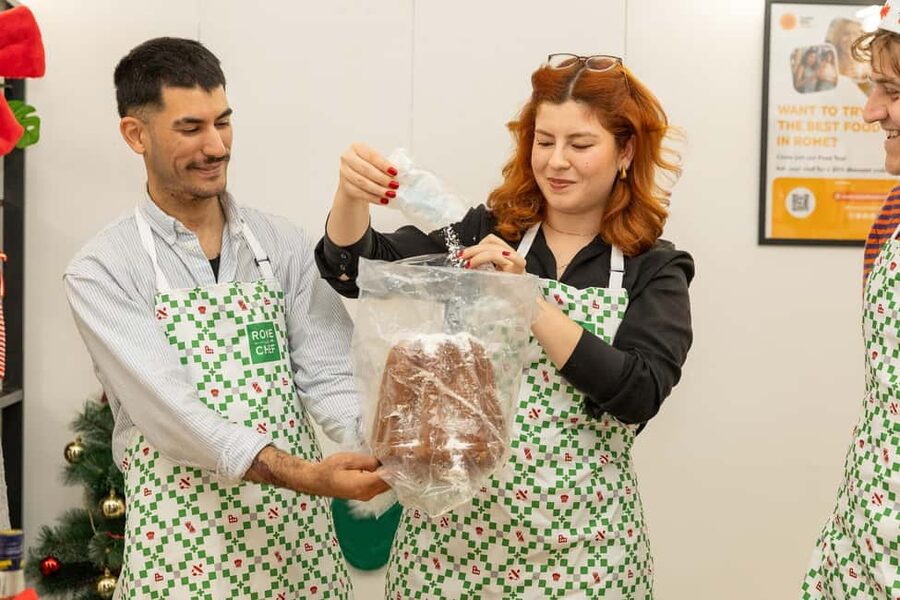
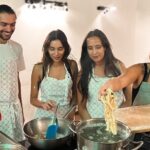
This class lets you choose one of two classic Roman sauces: carbonara or cacio e pepe. After your pasta is ready, you learn the sauce approach and then you smother your pasta in it—then you eat it.
Why this choice is smart:
- Carbonara is creamy and savory and teaches a different technique than a cheese-only sauce.
- Cacio e pepe is all about how cheese and seasoning come together, which helps you understand the underlying logic of Roman simplicity.
Either way, you’re not learning a “sauce concept” in the abstract. You’re learning a real pairing that depends on how the pasta behaves. That’s what helps you re-create it later, especially if you’ve struggled in past attempts where sauces turned out too thick, too thin, or separated.
If you’re vegetarian, the class indicates vegetarian options are available. Just know the restrictions are broader than that: gluten-free, vegan, and lactose intolerance have specific limits here.


The meal moment: sitting down with your own spritz and pasta
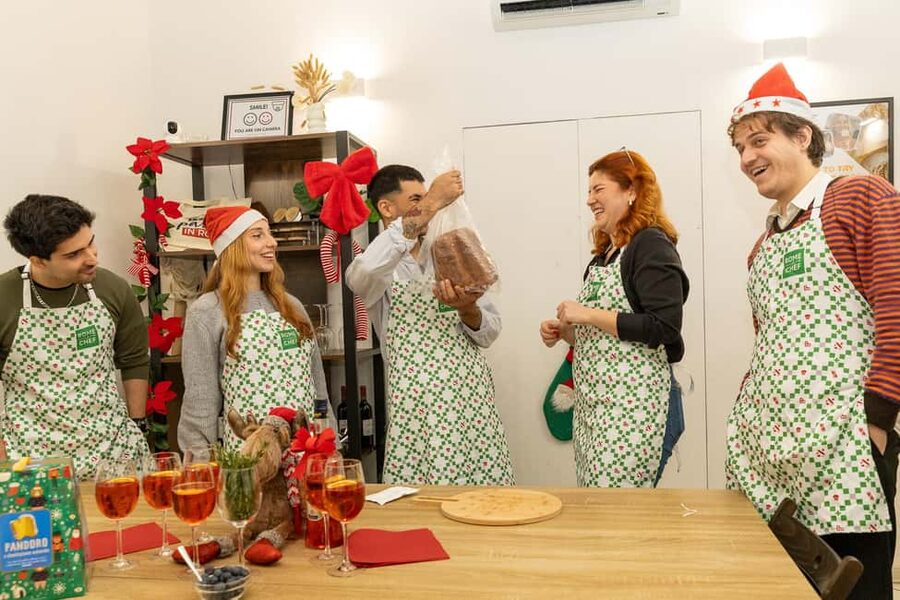
Once cooking is done, you eat. The class includes a meal pairing that includes the third spritz plus everything you cooked. This is where the pacing matters.
Three hours sounds short, but it works because you’re busy the whole time. You’re not stuck in a long lecture, and you’re not waiting an hour for the food. The “drunken cooking” style is playful—spritz in hand—but the meal feels like a reward rather than an afterthought.
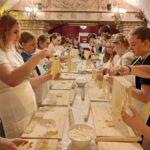
This is also where the small group size pays off. With no more than 14 people, you get more back-and-forth with the chef and mixologist. It’s easier to ask a question, fix a mistake, and then get back to cooking before the group resets.
And because the class provides recipes to take home, the meal becomes more than delicious memory. You can think: ok, I made this, I can repeat this, and I know what to adjust.
Price and value: is $100.82 worth it?
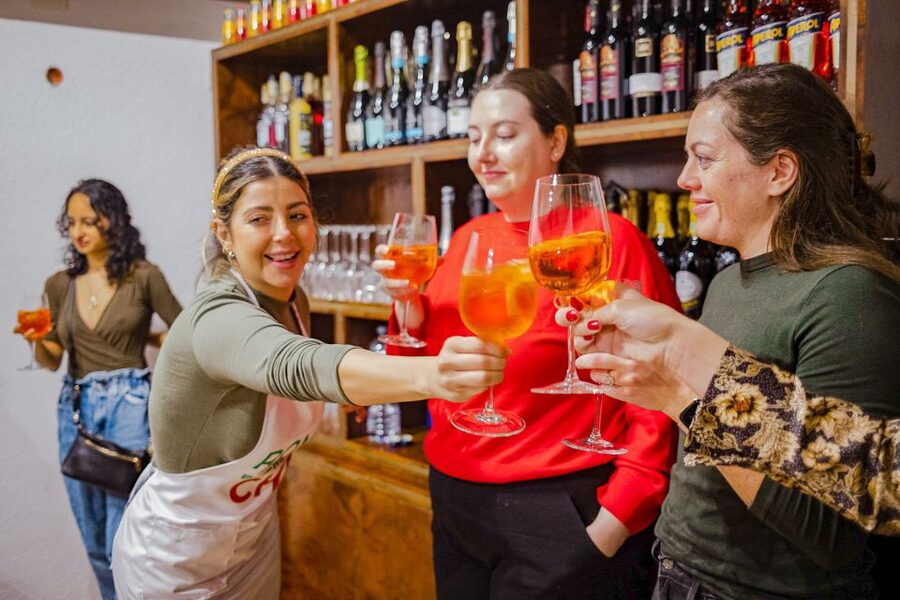
At $100.82 per person for about 3 hours, you’re paying for more than “an experience.” You’re paying for ingredients, instruction, and the fact that you leave with recipes plus a full meal and multiple drinks.
Here’s how I’d judge value:
- You’re making three spritzes (Aperol, Hugo, limoncello) instead of buying one drink token and moving on.
- You’re making fresh pasta and a real Roman sauce instead of eating pre-made food.
- You’re capped at a small group (max 14), which usually means more attention and less standing around.
- You get eat-and-drink along the way, so you don’t need extra dinner plans immediately after.
If you’d rather do a cheaper “walk, taste, and leave” style activity, this might feel steep. But if you want an interactive cooking skill and a meal that ends your class day, this price is in line with what you’d expect for a chef-led, ingredient-based workshop in central Rome.
Who should book this class (and who should skip it)
This is a great match if you:
- Want a hands-on pasta experience with a real technique focus
- Enjoy spritz culture and want to learn more than just how to order one
- Like small groups and a host-led, music-and-laughs atmosphere (a lot of the named hosts in feedback sound like they keep the class moving)
- Want recipes you can actually use later
It’s not a great match if you need:
- Gluten-free for coeliac or gluten intolerance
- A vegan menu
- Lactose-free accommodations (dairy is used)
Also consider the drinking aspect. You’ll have spritzes included as part of the class, so plan your night accordingly. Unlimited water/soft drinks are included, which helps, but the class is still built around alcohol.
Should you book this Rome pasta and spritz class?
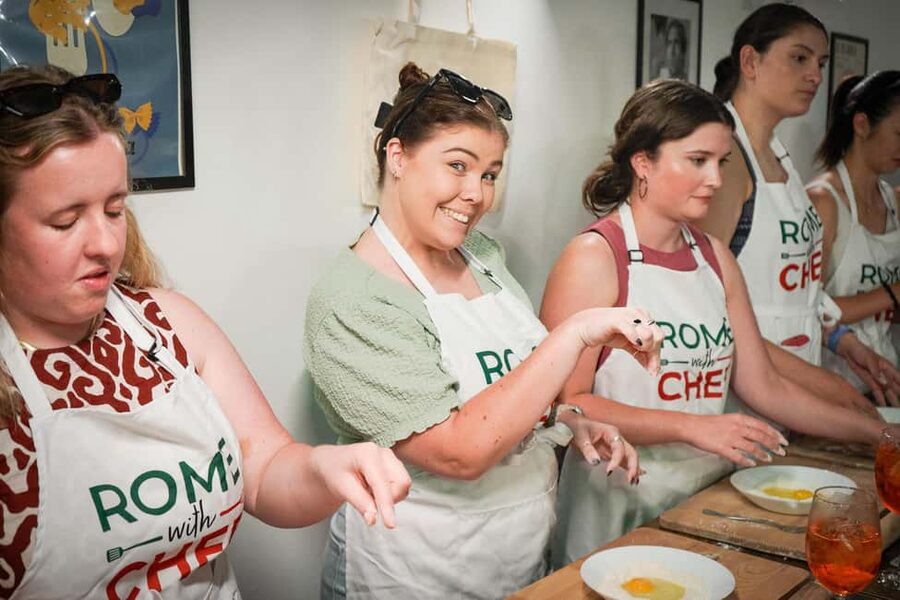
Yes—if your ideal Rome evening includes skill-building, food you eat immediately, and a fun host who keeps things easy and upbeat. The combo is strong: three spritz cocktails you make, fresh handmade pasta, and a Roman sauce choice in one compact 3-hour block.
I’d book this especially if you’re traveling with a friend or small group and you want something more personal than a big group food tour. And if you’re celebrating something, it’s the kind of activity that naturally turns into a shared story—between the spritz-making and the moment you sit down with your own food.
Skip it if dietary needs are non-negotiable for gluten, vegan, or lactose restrictions, because the class can’t accommodate those menus.
If you want one food-and-drink experience that feels genuinely Roman rather than performative, this is a very solid bet.
FAQ
How long is the Rome pasta and cocktails cooking class?
The class lasts 3 hours.
What is included in the class price?
You get spritz and pasta workshop time with fresh ingredients, a mixologist guide, three handcrafted spritzes (Aperol, Hugo, limoncello), unlimited water/soft drinks, handmade pasta and sauces (vegetarian options available), you eat and drink your creations, and recipes to take home.
How big are the classes?
The class is small and intimate, with no more than 14 people.
Is the class offered in English?
Yes, there is a live tour guide in English.
Can the class accommodate gluten-free, vegan, or lactose-free diets?
No. The class can’t accommodate coeliac disease, gluten intolerance, or vegan diets, and it also can’t accommodate lactose intolerance because dairy products are used. If you have restrictions, you need to tell them in advance.
Where do I meet for the class?
Meet at Via Cesare Balbo, 19 (00184), around the corner from the Hotel 77 entrance. Look for a sign that says Rome With Chef outside the class.