REVIEW · ROME
Rome: Fettuccine and Tiramisu Cooking Class with Wine
Book on GetYourGuide →Operated by Eat and Walk Italy · Bookable on GetYourGuide
Pasta and tiramisù, taught by real Romans. You’ll learn to make fettuccine from scratch and finish with tiramisu, then eat what you made with Italian wine in the middle of Rome. It’s equal parts technique, fun, and dinner.
What I like most is the hands-on, step-by-step teaching from an English-speaking chef—people like Chef Mimi, Chef Maria, Chef Carlota, or Chef Tomas are named as instructors. I also love that you choose your pasta sauce (tomato and basil, Amatriciana, or Cacio e Pepe), so your meal doesn’t feel like a one-size-fits-all demo.
One thing to keep in mind: it’s a 3-hour class, so the pace can feel fairly brisk. If you like slow, unhurried cooking, go in ready for action.
In This Review
- Key highlights worth planning for
- Meeting Inside Restaurant Gusto: A Real Roman Setting
- What You Make in 3 Hours: Fettuccine, Sauce Choice, and Tiramisù
- Sauce Choices That Feel Like Roman Decision-Making
- From Dough to Fettuccine: The Hands-On Part You’ll Actually Use
- Shaping Fettuccine the Right Way (Not Just Cutting It)
- The Chef Factor: English-Language Coaching You Can Count On
- Wine, Limoncello, and Coffee: Food That Turns into a Proper Meal
- Group Size, Pace, and Class Vibes: How to Know What You’re Getting
- Is It Good Value at $67.40? Here’s What You’re Really Paying For
- Who Should Book This Rome Cooking Class
- Should You Book This Fettuccine and Tiramisu Class?
- FAQ
- Where does the class start?
- How long is the cooking class?
- What dishes will I make?
- Can I choose the pasta sauce?
- What drinks are included?
- Is the class taught in English?
- Is there an age limit?
- Are pets allowed?
- Can I cancel for a refund?
- How much does it cost?
Key highlights worth planning for
- Central Rome start at Restaurant Gusto, with the class beginning inside and ending back at the same spot
- You make both courses: fettuccine (from scratch) and tiramisù (made by you)
- Choose your sauce: tomato and basil, Amatriciana, or Cacio e Pepe
- English instruction plus clear guidance from chefs such as Mimi, Maria, Carlota, and Tomas
- Food + drinks included: wine (or non-alcoholic option), plus limoncello or coffee
- Small-group vibe can happen, with at least one session reported as only five people
Meeting Inside Restaurant Gusto: A Real Roman Setting
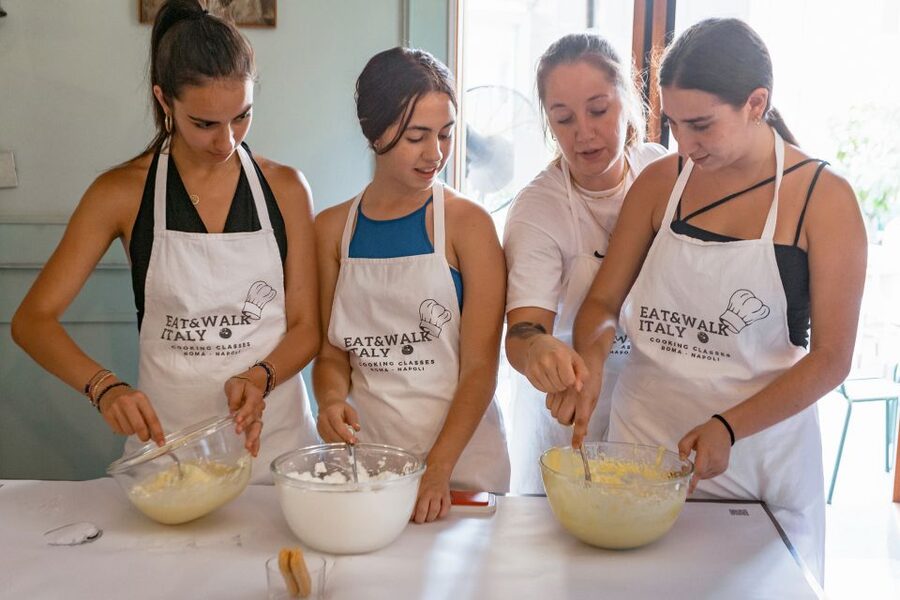
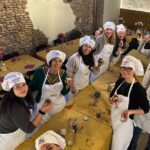
This class starts in the heart of Rome, inside Restaurant Gusto. That matters more than you’d think, because it puts you in a normal, lived-in dining environment rather than a blank classroom set up for tourists. You’re there to cook and eat, not just watch.
You’ll meet your chef inside, get oriented, then get right to work. Expect the flow to be practical and organized—hands clean, stations ready, and instructions coming in a way you can actually use while your dough is still under your hands.
You can also read our reviews of more tours and experiences in Rome.

What You Make in 3 Hours: Fettuccine, Sauce Choice, and Tiramisù
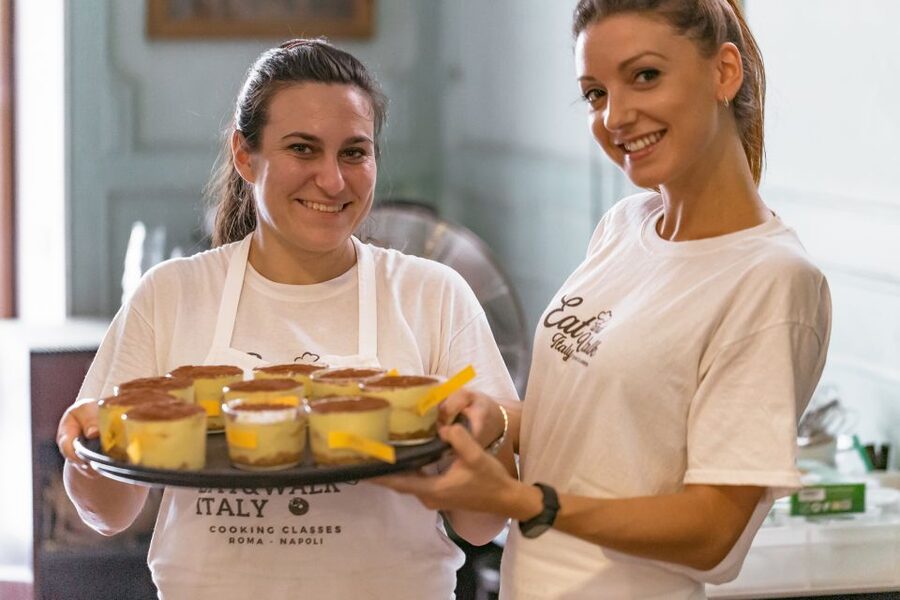
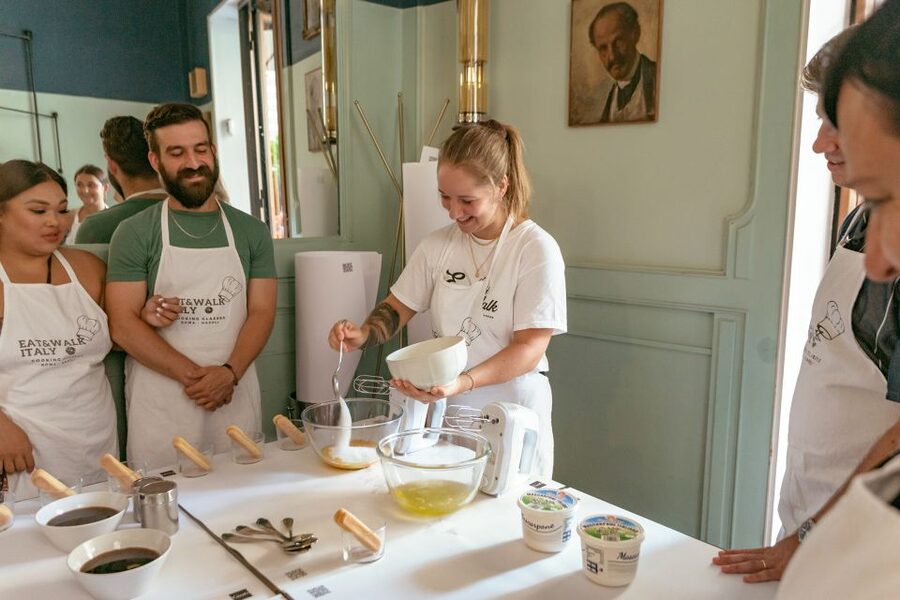
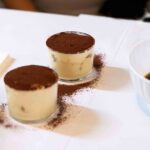
The menu is simple on paper and satisfying in practice: homemade fettuccine first, then tiramisù. You’ll craft the pasta, select a sauce to match your mood, and make the tiramisù from scratch.
A big rhythm point: the tiramisù gets set aside to rest in the fridge before your pasta finishes. That break isn’t wasted time. It keeps the class on schedule while still letting you enjoy both dishes as fresh, not as something you assemble later from pre-made components.
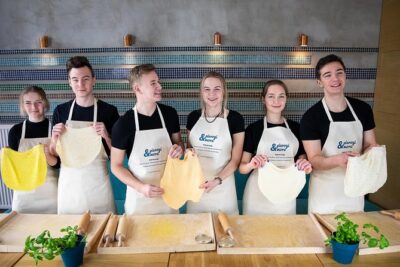
Once the pasta is ready, your chef walks you through shaping—yes, actual technique for fettuccine form. Then you sit down and enjoy your creations, paired with wine and finished off with limoncello or coffee.
Sauce Choices That Feel Like Roman Decision-Making
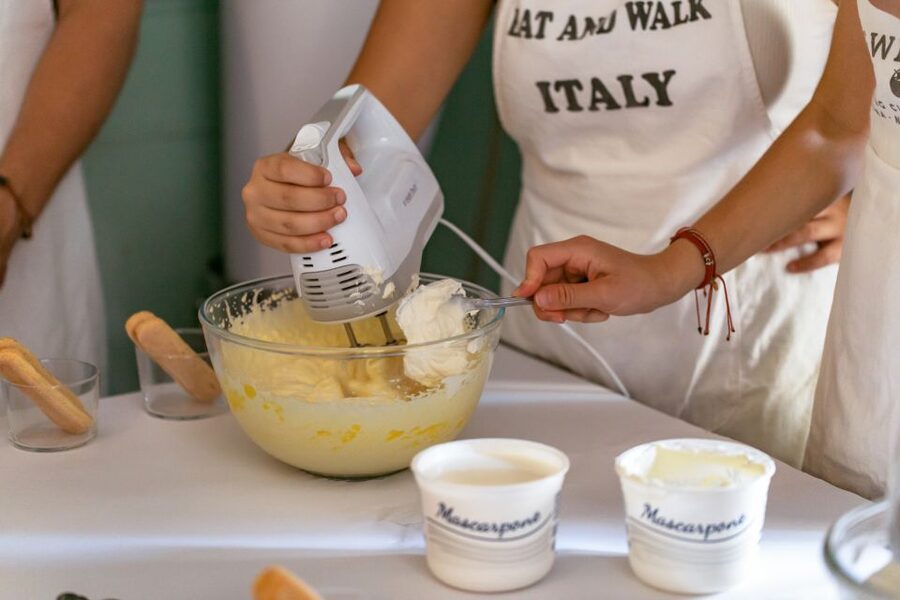
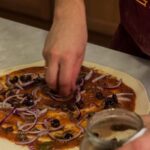
One reason this class lands well for food people: you don’t just make pasta, you get to choose what you put on it. Your sauce options include tomato and basil, Amatriciana, or Cacio e Pepe—each one with a different personality.
- If you pick tomato and basil, you’re choosing brightness and comfort.
- Amatriciana leans savory and hearty, the kind of sauce that makes you want bread even if you don’t think you will.
- Cacio e Pepe is all about restraint and craft, with cheese and pepper doing the heavy lifting.
I like that the sauce choice gives you agency without turning the class into a complicated decision tree. It’s easy to pick in the moment, and it changes the final outcome enough that you’ll remember your plate as yours.
From Dough to Fettuccine: The Hands-On Part You’ll Actually Use
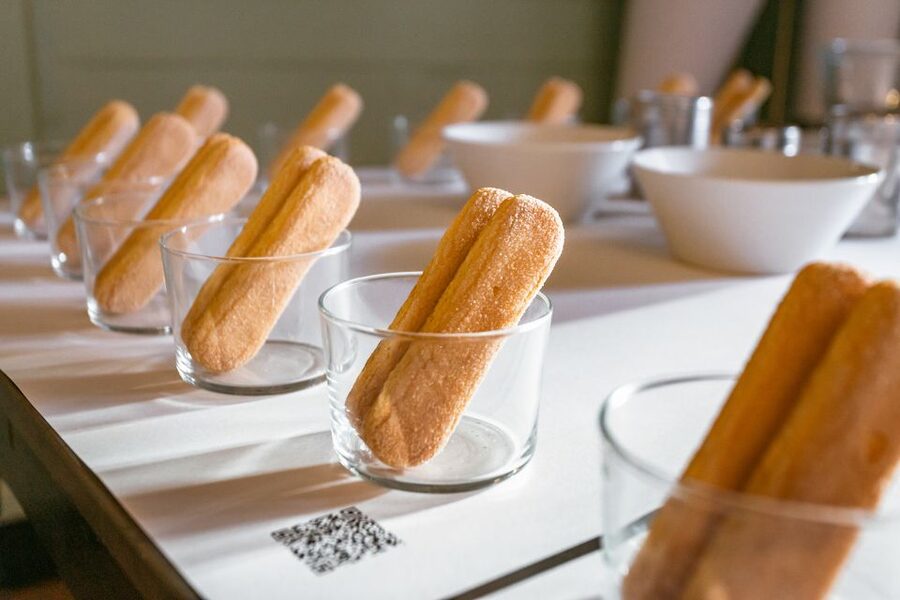
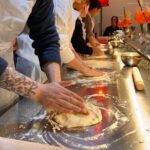
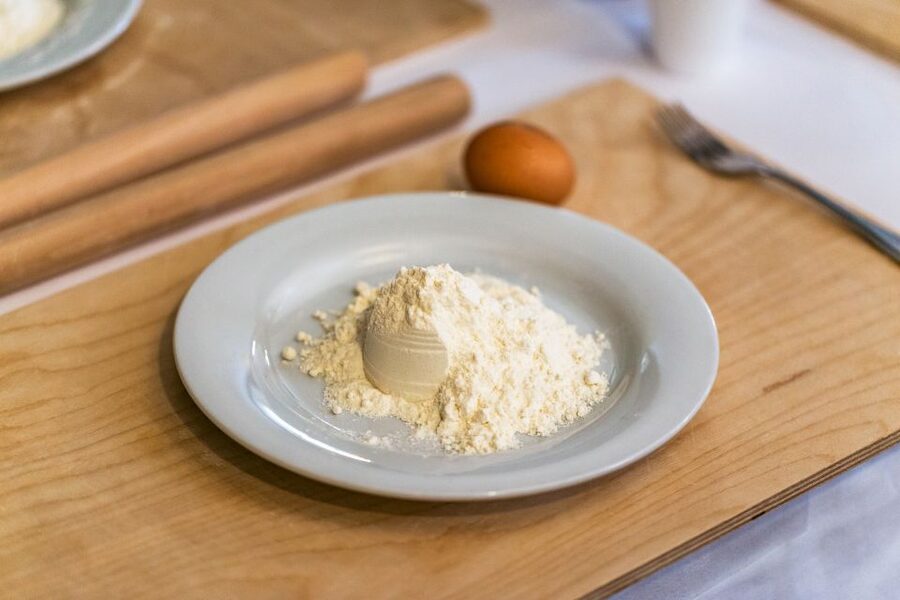
You’re not just mixing ingredients. You’ll make the pasta from scratch, then shape it using a specific method taught by the chef. That’s where the value hides: in the small technique steps you can repeat at home later.
If it’s your first time making pasta, you’ll still be able to follow along because the instruction is described as step-by-step and supportive. Several instructors are praised for being patient and giving clear directions, including Chef Mimi and Chef Maria, with multiple people highlighting how helpful and encouraging the teaching felt.
One practical tip I’d carry into any pasta-making attempt: don’t rush the dough stage. Pasta-making is one of those activities where being slightly more careful beats being slightly faster. Here, the structure helps you focus on what matters so you’re not guessing.
Shaping Fettuccine the Right Way (Not Just Cutting It)
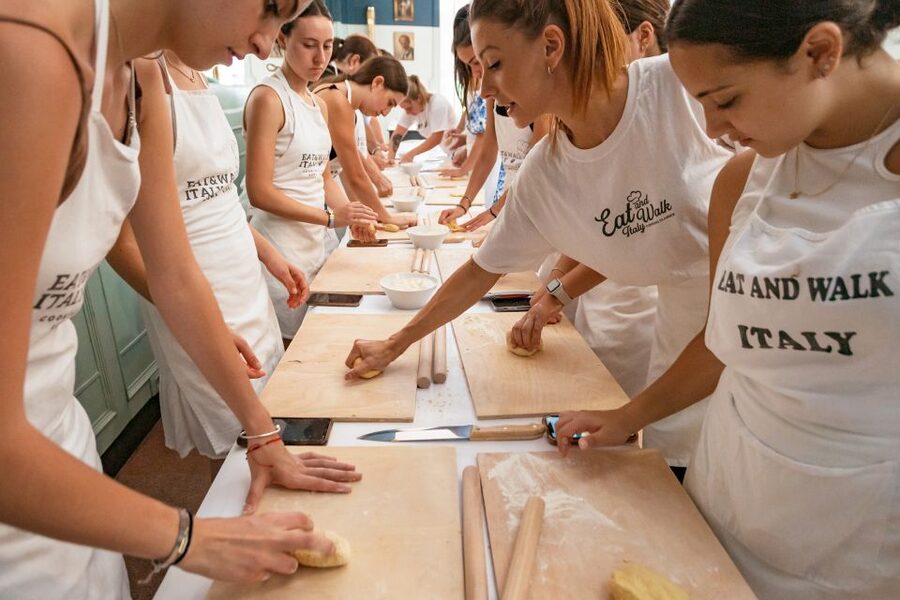
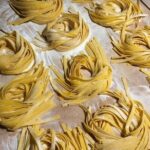
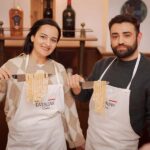
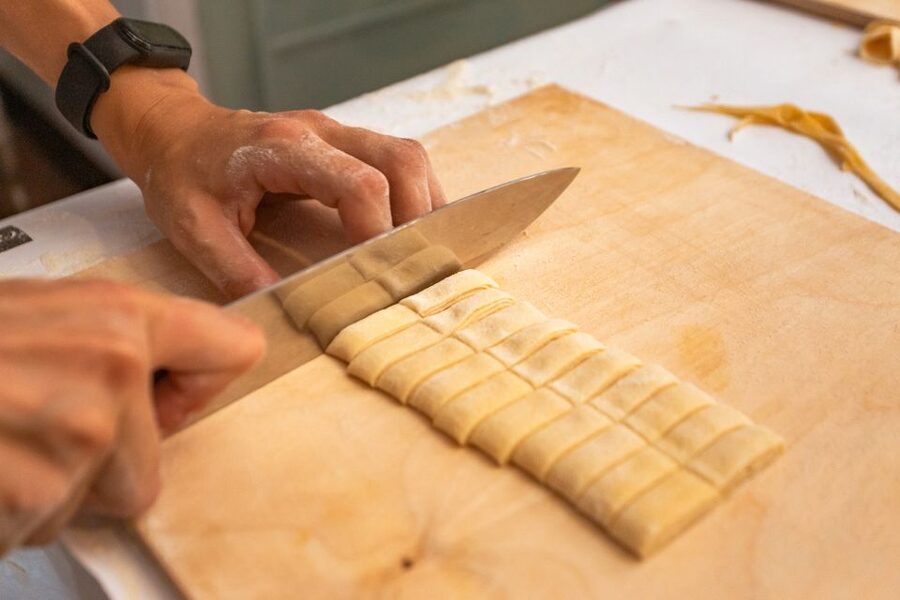
The class includes a special recipe specifically for shaping the famous fettuccine. That’s a detail worth noting because most people think fettuccine is just “cut into strips,” and it’s more nuanced than that.
When you learn shaping in a guided way, you understand how thickness and form affect cooking and texture. Your chef’s explanation turns the task from messy trial-and-error into something repeatable—even if you still feel a little clumsy at first.
And honestly, this is the part that makes your end result feel like real Italian cooking, not a fun kitchen craft. When you finally eat what you shaped, the satisfaction hits harder.



The Chef Factor: English-Language Coaching You Can Count On
The instruction is in English, which makes a difference in Rome where people often move between languages quickly. You’ll be able to ask questions and understand what you’re doing without playing guessing games.
Chefs named in the experience include Mimi, Maria, Carlota, Lori, Kiki, Tomas, Tommy, Matty, Laura, and others. The consistent theme is not just energy, but clarity—people mention patient teaching, good pacing of instructions, and explanations that make the steps click.
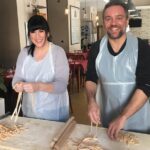
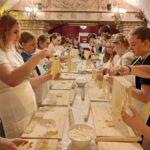
This class is also designed to be interactive. You don’t just stand back. You work alongside the chef and classmates, and you get feedback as you cook.
Wine, Limoncello, and Coffee: Food That Turns into a Proper Meal
Yes, you eat what you make—and you eat it with drinks included. You’ll get a glass of wine (or a non-alcoholic drink), plus limoncello or coffee after the class.
This isn’t about turning cooking into a party. It’s about making the meal feel complete so you leave with both food and technique. The wine pairing and the limoncello/coffee finish make the whole thing feel like a real Roman evening, not a lesson that ends when the kitchen gets messy.
If you’re a light drinker, you’ll still enjoy the experience because the included non-alcoholic drink option keeps it inclusive. Water is also provided, which sounds obvious, but in practice it makes the class feel well run.
Group Size, Pace, and Class Vibes: How to Know What You’re Getting
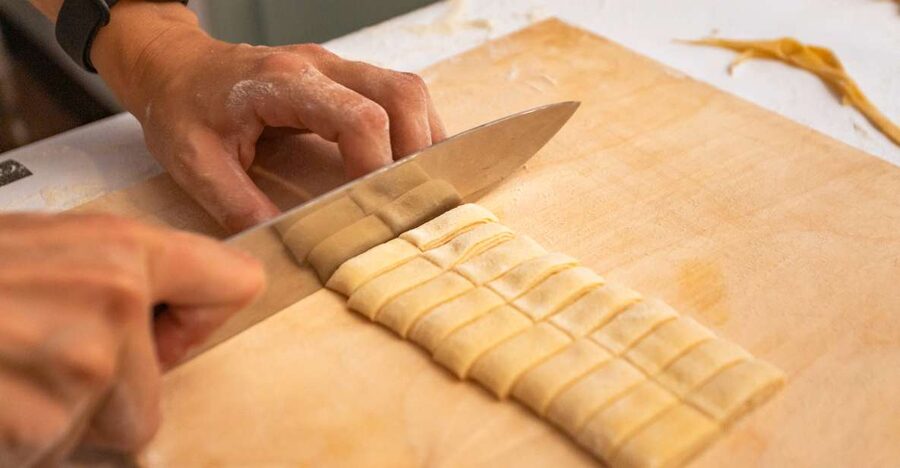
The class runs for about 3 hours. That’s long enough to cook two dishes, but short enough that the workflow stays tight. Some people love the momentum; one person noted it can feel rushed or fast-paced.
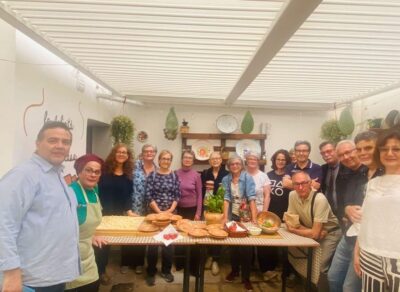
Small-group experiences are reported too—one session was described as only five people, which can make it easier to connect and feel less “on the outside.” Since group sizes can vary, it’s smart to go in with the mindset that you’ll be cooking alongside other personalities.
Here’s the practical caution: because it’s a group activity, the room dynamic depends on the people in it. If you’re sensitive to noise or you prefer quiet focus, you might want to pick a time slot when you expect a calmer crowd (weekday evenings often feel more relaxed than peak tourist periods, but you’ll need to decide based on your own travel style).
Is It Good Value at $67.40? Here’s What You’re Really Paying For
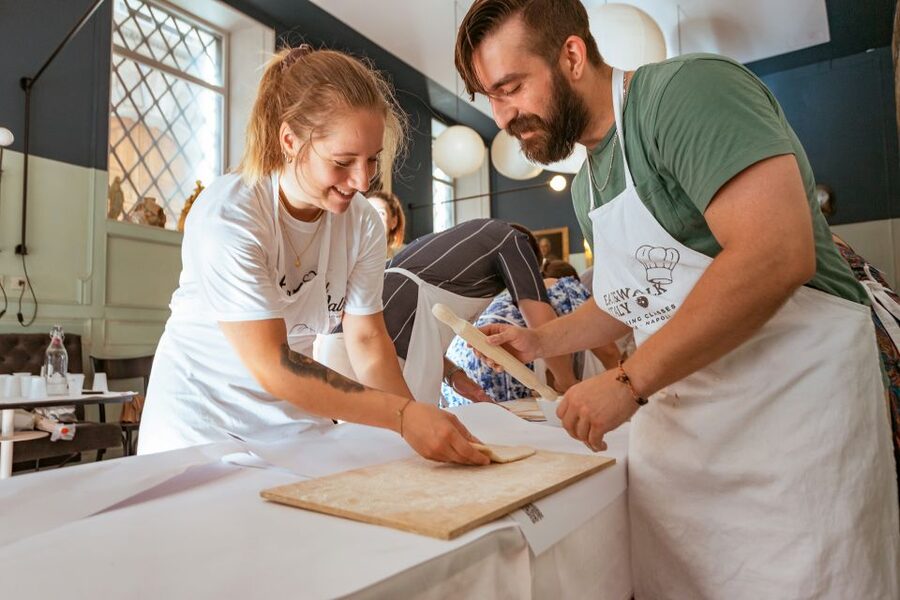
At $67.40 per person for about 3 hours, you’re paying for a full, guided meal experience—not just a cooking demonstration. The price covers the instructor, the cooking class, your fettuccine with sauce of your choice, the tiramisù you make, a glass of wine (or non-alcoholic drink), limoncello or coffee, and water.
That package adds up because you’re getting:
- Ingredient work done with chef guidance (so you’re not struggling alone)
- Two full dishes instead of one taste or a quick sample
- Drinks that would normally cost extra in a restaurant setting
- The satisfaction of eating your own work, in a real Roman dining space
If you already cook well, you might wonder what’s new. But the real value here is structure: learning the pasta steps and the fettuccine shaping technique in a way you can’t easily “figure out from a video” while you’re dealing with dough that changes minute by minute.
Who Should Book This Rome Cooking Class
This is a strong fit if you want a hands-on Rome experience that’s still relaxed enough for beginners. People with no pasta experience are specifically called out as having a great time, mainly because the instruction is supportive and the steps are broken down.
It’s also great for food lovers who like variety: you get pasta, sauce choice, and tiramisù in one sitting. Couples and friends tend to enjoy the shared meal angle, and some families have taken it as well (just note it’s not suitable for children under 4).
If you’re the kind of traveler who wants one ticket that turns into one memorable meal, this works. If you hate cooking and prefer sightseeing, you might feel like you’re giving up too much time in the kitchen.
Should You Book This Fettuccine and Tiramisu Class?
I think you should book it if your idea of a great Rome day includes learning technique and then eating immediately. The combination of hands-on pasta making, your sauce choice, and the fact you leave with tiramisù plus wine and limoncello makes it feel like a complete evening.
Skip it if you’re craving quiet, slow, deeply theoretical cooking instruction. This is practical and active, and it moves with the clock. If that sounds like your style, you’ll likely have one of the most satisfying, flavorful “I did that” moments in Rome.
FAQ
Where does the class start?
You meet your chef inside Restaurant Gusto in Rome.
How long is the cooking class?
The class duration is 3 hours.
What dishes will I make?
You’ll make homemade fettuccine and tiramisù (made by you).
Can I choose the pasta sauce?
Yes. You can choose among tomato and basil, Amatriciana, or Cacio e Pepe.
What drinks are included?
You’ll get a glass of wine or a non-alcoholic drink, plus a glass of limoncello or coffee. Water is also included.
Is the class taught in English?
Yes, instruction is in English.
Is there an age limit?
It is not suitable for children under 4 years old.
Are pets allowed?
No, pets are not allowed.
Can I cancel for a refund?
You can cancel up to 24 hours in advance for a full refund.
How much does it cost?
The price is $67.40 per person.