REVIEW · ROME
Italian Gelato, Tiramisu and Cannolis Cooking Class in Rome
Book on Viator →Operated by VICE ITALIA · Bookable on Viator
Your sweet tooth has a new plan. This cooking class runs inside a real Roman pastry lab, where you make tiramisu, Sicilian cannoli, and gelato from scratch instead of just watching. The venue sits just steps from Battistini metro station on Line A, so you can reach it from central Rome without turning your day into a logistics puzzle.
What I like most is the hands-on pace and the professional setup. You get the tools, ingredients, and step-by-step guidance to make all three desserts, then you leave with everything wrapped so you can enjoy it later. I also like that the class is small, with a maximum of 15 people, which makes it easier to get help when your hands get messy.
One consideration: the lab is not in the historic center. If you want to keep your schedule tight, you’ll likely budget a taxi or metro ride out to Battistini (the venue can be a few miles from where most people stay).
In This Review
- Key highlights to look for
- Inside Vice Italia’s pastry lab near Battistini metro
- How the class runs: hands-on stations, clear instruction, take-home sweets
- Roman tiramisu: espresso flavors and proper assembly
- Sicilian cannoli: ricotta filling you can actually master
- Gelato from scratch: fresh toppings and fruit
- The chef team and what small groups make easier
- Price and value: what $94.37 really buys you
- Dietary limits and allergy notes you need to take seriously
- Getting there smoothly from central Rome
- Should you book this cannoli, tiramisu, and gelato class?
- FAQ
- How long is the cooking class?
- What desserts will I make?
- Where do I meet for the class?
- Is the class offered in English?
- Is this class suitable for celiac disease or severe gluten allergy?
- What drinks are included?
- What is the maximum group size?
Key highlights to look for
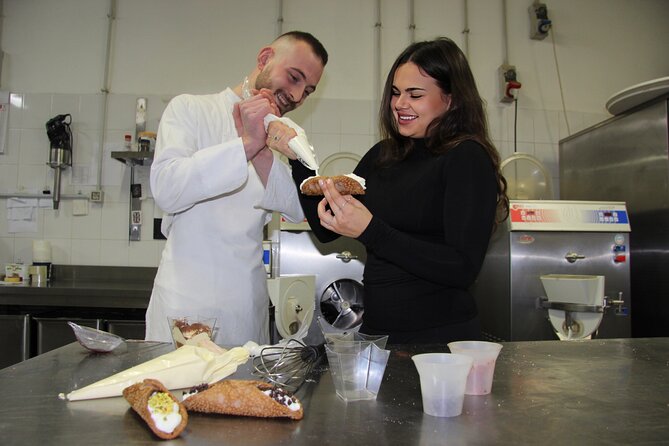
- A real pastry lab: spacious, professional, and built for production, not a cramped demo room
- Three iconic desserts: tiramisu, cannoli, and gelato from scratch
- Small group feel: up to 15 people, so the chefs can actually watch your technique
- Take-home setup: your desserts are wrapped so you can eat them later
- Even the drink is included: a glass of prosecco for adults, plus juice for children
Inside Vice Italia’s pastry lab near Battistini metro
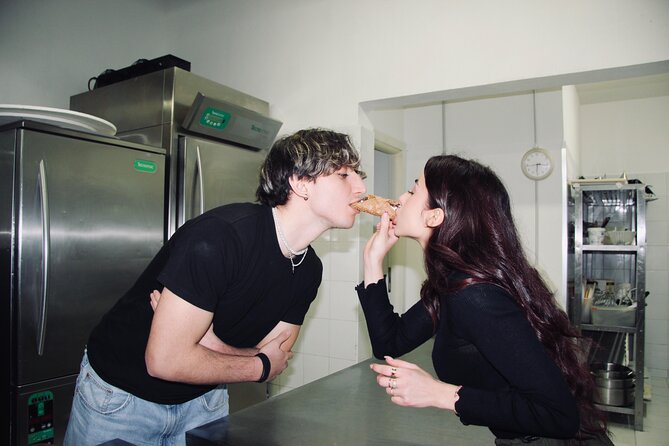
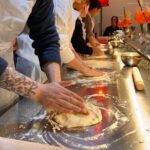
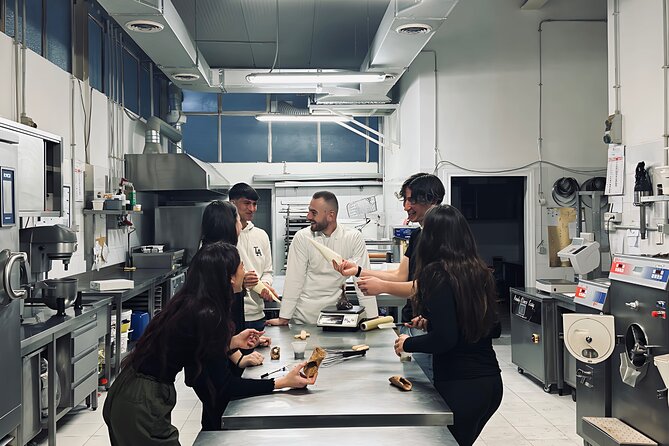
The biggest “wow” here is the setting. You’re not in some kitchen classroom copy of Italy. You’re in a working pastry space where chefs teach production techniques, and where the equipment and ingredients are there for a reason. That matters because gelato, tiramisu, and cannoli each have their own temperature and texture rules. A lab-style environment makes those rules easier to learn without guesswork.
The location also helps. The meeting point is Via Soriso 68a, and the lab is just steps from Battistini metro station on Line A. Line A is one of the most direct ways to get across the city, so you’re not stuck transferring through half of Rome. If you’re planning other stops the same day, this class is much more doable than options hidden deep in the suburbs.
You should still plan around the fact that this is not a “walk out your hotel, stroll to the activity” kind of experience. Even though the metro connection is convenient, you may want to factor in extra time depending on where you’re staying.
You can also read our reviews of more tours and experiences in Rome.
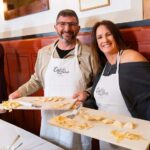

How the class runs: hands-on stations, clear instruction, take-home sweets
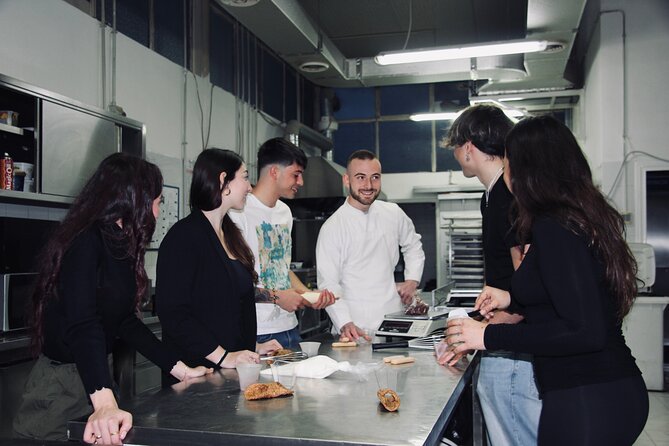
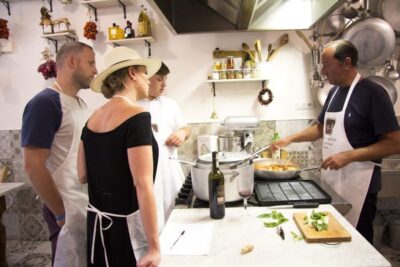
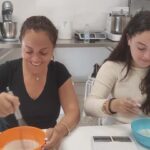
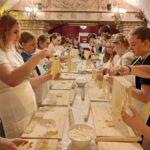
This is a structured workshop with hands-on cooking. The format is built around you making three desserts, using the provided ingredients and equipment, and getting advice along the way. That’s a big deal if you’re the type who wants to go home with a skill, not just a plate of dessert.
The class also leans into real learning. You don’t just get recipes dumped at the end. You get recipes plus dedicated follow-up support to help you recreate the desserts at home. Some guests also mention that recipes were shared by email, which fits the idea that you’ll have a usable guide once the trip glow wears off.
Group size is capped at 15. In practice, that usually means you’ll spend more time with the instructor and less time waiting for your turn. It also makes it easier to ask small questions like why a custard set the way it did, or what texture the ricotta filling should have.
At the end, your desserts are wrapped. That’s helpful because Rome days can be unpredictable. You might want to eat right away, but you might also want to keep it for later without stress.
Roman tiramisu: espresso flavors and proper assembly
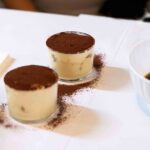
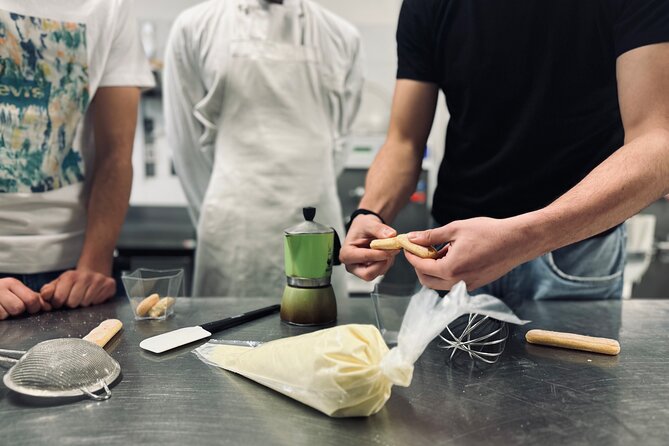
Tiramisu is the dessert many people think they know. Then you make it and realize timing and assembly are everything. In this class, you make an Italian Tiramisu with espresso coffee. You’re working toward the real look and feel: creamy layers, coffee flavor that stays punchy, and a finished dessert you can actually store.
The teaching style is practical. You’ll get guidance while you work, and chefs will correct technique when needed. That’s especially valuable for tiramisu, because it’s one of those desserts where a small change can shift the whole texture. If you’ve ever had tiramisu that was too wet or too stiff, you’ll appreciate learning the method rather than copying an internet guess.
In the lab setting, you can focus on the “why” behind each step. And because you’re making it as part of a full dessert run, the tiramisu isn’t just a standalone activity. It becomes part of your overall take-home lineup, wrapped and ready.
Sicilian cannoli: ricotta filling you can actually master
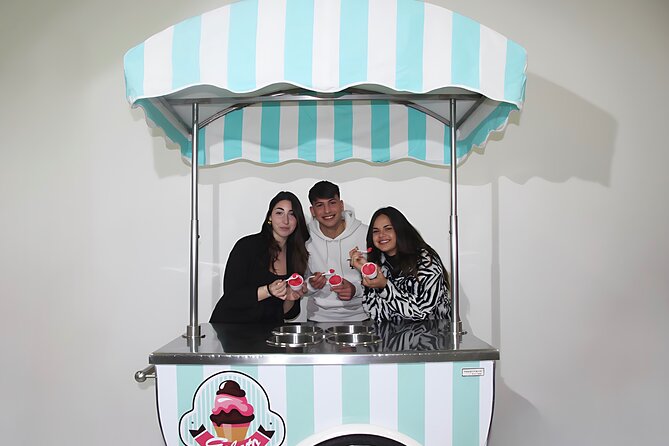
Cannoli can look simple until you try to fill them and keep everything tasting right. The class has you make Sicilian cannolis filled with ricotta cheese, with the focus on step-by-step production.
What stands out in the feedback is how much patience guests felt they received while getting the pieces right. Cannoli is assembly-driven, and it’s easy to feel rushed if the pace is too fast or the group is too large. Here, the small-group setup helps. It’s also a reason cannoli comes across as a learning experience rather than a cookie-cutter worksheet.
You also get to see the full “production mindset.” The goal isn’t only making a dessert that looks right once. It’s making one that tastes right and holds up long enough for you to enjoy it later. That’s part of why a professional lab helps: you learn what matters for texture and timing, not just what ingredients go into the bowl.
If you’re the type who wants a repeatable recipe you can bring back to your kitchen, cannoli is a great target. It’s specific enough to feel rewarding when you nail it, and forgiving enough to practice.
Gelato from scratch: fresh toppings and fruit
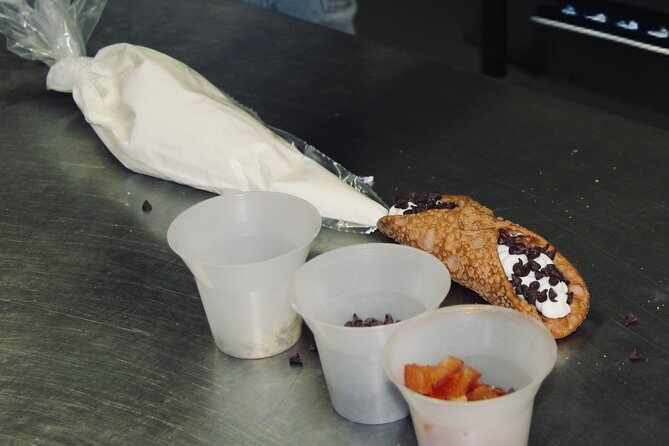
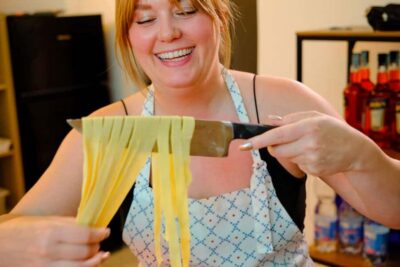
Gelato is the third pillar, and it’s where the class turns into something you can’t just fake at home easily. You make gelato with fresh home-made toppings and fruit. That means you’re not only learning gelato base technique, but also how toppings change the final eating experience.
Gelato can be sensitive to texture, and different styles require different handling. In a pastry lab class, you get the advantage of seeing technique in action and getting feedback while you work. It’s the kind of learning that helps you understand what consistency you’re aiming for, which is the real secret to getting results that taste like what you bought in Italy.
Another plus from the way the class finishes: you’re set up to taste your creations in the lab. That’s useful because you can correct what you learn immediately. If something tastes off, you’re still in a context where an instructor can guide you on what to adjust next time.
And yes, you’ll likely appreciate the toppings. Fresh fruit and made-from-scratch add-ons help the gelato taste less like a frozen dessert and more like a balanced treat.



The chef team and what small groups make easier
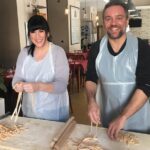
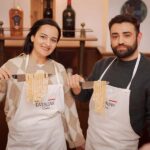
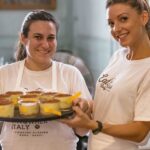
This class is built around chefs who teach in a friendly, energetic way. In the feedback, instructors and staff mentioned by name include Shiva, Bea, Riccardo, along with greeters Anna and Julia. Different names show up for different sessions, but the pattern is consistent: guests describe an atmosphere that stays fun while the technique stays serious.
Small-group teaching also changes how you learn. You’re not competing for attention. If you’re unsure about a step, you’re more likely to get a direct answer. That shows up again in guests’ notes about how the chefs explained steps clearly and helped them get the recipes to turn out.
There’s also an “instruction culture” built into the included tools and ingredients. You’re not gathering supplies before class. That reduces stress and keeps the time focused on learning the desserts themselves.
Price and value: what $94.37 really buys you
At $94.37 per person for about 2 hours 30 minutes, this isn’t a budget cooking class. But the value story here is pretty straightforward: you’re making three desserts that are traditionally time-consuming and technique-heavy, inside a professional lab, with guidance and ingredients included.
Your cost also covers:
- all ingredients and equipment needed for the recipes
- bottled water
- the tiramisu, cannoli, and gelato you make
- a glass of prosecco (juice for children)
- recipes plus dedicated follow-up support for recreating them later
In other words, you’re paying for instruction and a kitchen setup that would cost much more if you tried to replicate it as a one-off in your own rented space. If you’ve done other classes in Rome that feel like one dessert plus a snack, this one tends to feel fuller because you leave with a full lineup.
If you’re comparing options, think about the “take-home chemistry.” With this class, you aren’t just learning flavors. You’re learning technique you can repeat: layering tiramisu properly, assembling cannoli fillings, and handling gelato so it eats well.
Dietary limits and allergy notes you need to take seriously
This class clearly labels what it can and can’t handle. Here’s what you should know before booking.
Not suitable for:
- celiac disease or severe gluten allergy
- nut allergies
- vegans
- lactose intolerance
It can accommodate:
- gluten intolerance
If you have any allergy, intolerance, or dietary restriction, communicate it during booking by message or email. Service animals are allowed, so that’s helpful if you travel with one.
If you’re traveling with people who avoid gluten, nuts, dairy, or meat-free diets, you’ll want to double-check suitability early. Don’t assume a “swap” will be possible for everything, because the class has stated limits.
Getting there smoothly from central Rome
The lab is connected by metro. You can use Line A to Battistini, then walk a short distance to the pastry lab. This is usually the easiest option if you’re already building your day around metro travel.
If you’re coming from areas where walking is hard or you’re traveling as a family, a taxi can be faster door-to-door. Some guests also specifically suggest taxi planning because the venue is a few miles outside the Roman center. In other words, don’t wing it with only walking time in your head.
Tip: when planning the rest of your day, treat this as a destination with its own rhythm. You’ll have a meeting point at Via Soriso 68a, and you should plan enough buffer so you arrive ready to cook, not frazzled.
Should you book this cannoli, tiramisu, and gelato class?
Book it if you want a practical, hands-on dessert workshop in Rome’s pastry lab setting. The best match is:
- couples and friends who want an active food experience
- families who like learning in a group and eating what they make
- travelers who care about repeatable recipes, not just a tasting
Skip or reconsider if:
- anyone in your group has celiac disease, severe gluten allergy, nut allergies, lactose intolerance, or needs a vegan option
- you strongly prefer staying within the historic center with no extra travel time
For most people, the decision comes down to this: you’re paying to make three iconic Italian desserts with real guidance and go home with a wrapped take-home set. That’s exactly the kind of souvenir that doesn’t end when the flight does.
FAQ
How long is the cooking class?
The class lasts about 2 hours 30 minutes.
What desserts will I make?
You’ll make Italian tiramisu, Sicilian cannoli, and gelato.
Where do I meet for the class?
The meeting point is Via Soriso, 68a, 00166 Roma RM, Italy. The activity ends back at the meeting point.
Is the class offered in English?
Yes, it’s offered in English.
Is this class suitable for celiac disease or severe gluten allergy?
No. It is not suitable for celiac disease or severe gluten allergy. It can accommodate gluten intolerance.
What drinks are included?
Adults get a glass of prosecco. Children get juice.
What is the maximum group size?
The maximum group size is 15 travelers.