REVIEW · ROME
Rome: Neapolitan Pizza Cooking Class in Front of the Vatican
Book on GetYourGuide →Operated by ELISA'S TOUR · Bookable on GetYourGuide
Vatican views and wood-fired pizza, together? This Neapolitan cooking class turns that idea into a practical, hands-on hour where you shape dough, top it, and bake in a wood-fired oven. I especially like the expert pizzaiolo guidance and the step-by-step structure, which makes even first-time pizza-makers feel in control.
I also like the setting: you’re meeting at Pizzeria Dieci Dodici e 50, right by the Vatican area and easy from Ottaviano metro. One thing to consider: even though the experience is marketed with a Vatican view, a couple of details suggest it may be more like close by than a dramatic view from your chair, and one guest noted the class timing felt shorter than an hour.
In This Review
- Key things I’d zero in on
- Meeting at Pizzeria Dieci Dodici e 50: easy to find, easy to start
- What you actually learn: Neapolitan technique you can use again
- The wood-fired oven moment: why this class is worth the money
- The Vatican area setting: close enough for the view vibe (with one caveat)
- Eating your pizza (and the wine): what comes after the work
- Who this is best for (and who should plan differently)
- Price and value: $63 for an hour of dough, heat, and dinner
- Small-group feel and real interaction: why your questions get answered
- Timing tips for fitting this into your Vatican day
- Should you book this Neapolitan pizza class in front of the Vatican?
- FAQ
- How long is the pizza cooking class?
- Where do I meet for the class?
- Is the class hands-on or mostly watching?
- Does the class include ingredients and food to eat?
- Is there wine included?
- What languages are offered?
- Is it good for families and kids?
- What’s the price per person?
- Can I cancel or change plans?
Key things I’d zero in on
- Hands-on Neapolitan dough work (rolling/shaping/tossing gets taught, not just watched)
- Wood-fired oven time where you actually bake your pizza
- Fresh ingredient focus with classic Neapolitan components like mozzarella and tomatoes
- Photo-friendly hosts who take pictures during the class and dining
- Family-friendly energy with activities that keep kids engaged
- Small-group feel for a quicker back-and-forth with the instructor and staff
Meeting at Pizzeria Dieci Dodici e 50: easy to find, easy to start
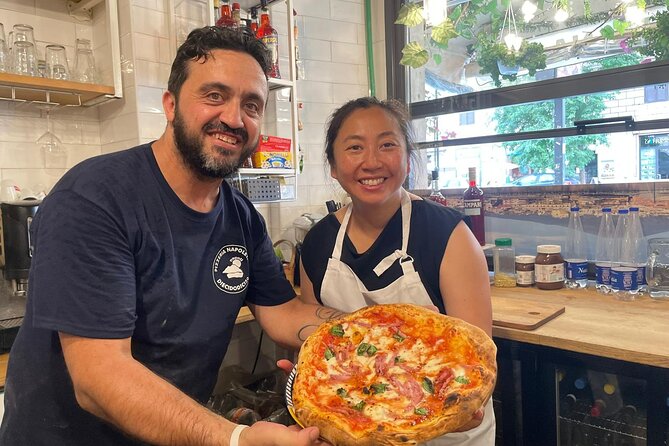
You start at Pizzeria Dieci Dodici e 50, which is positioned for people doing the Vatican area first. If you’re planning your day like most visitors do (St. Peter’s Square, then nearby sights), this spot is a convenient bookend. The nearest metro reference is Ottaviano, so you’re not stuck hunting through Rome’s maze on foot with flour on your hands.
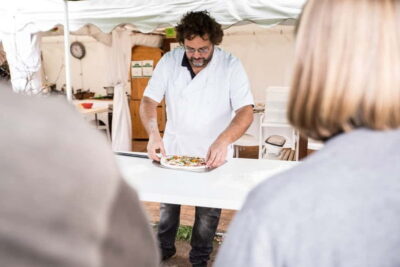
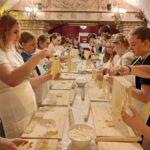
When you arrive, the tone matters: this isn’t a lecture. The class is built around you doing the work—mixing your attention, learning the technique, and then turning it into a pizza that comes out hot and ready to eat. That’s a big part of the value here. You’re paying for an experience where your time directly becomes dinner.
You can also read our reviews of more tours and experiences in Rome.

What you actually learn: Neapolitan technique you can use again
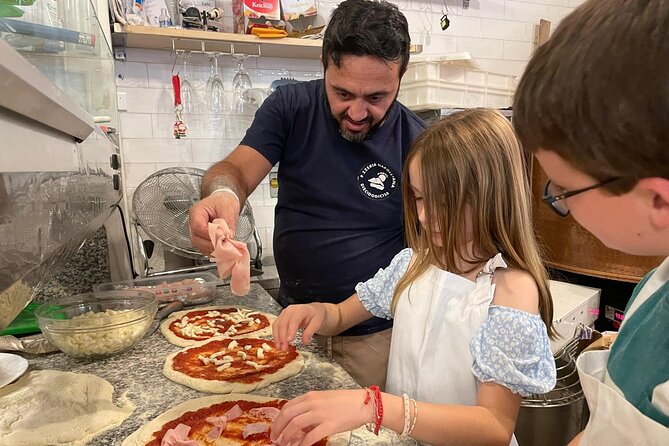
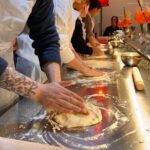
The centerpiece is learning the art of true Neapolitan pizza from expert pizzaiolos. The format is guided, step-by-step, so you’re not guessing when the dough feels sticky or when it should stretch without tearing.
Based on the teaching style described by participants, you can expect the class to focus on a few practical skills:
- how to shape and roll out the dough so it ends up with the right feel and structure
- how to toss or manage the dough (some sessions include a second attempt, which is great if your first one is a little uneven)
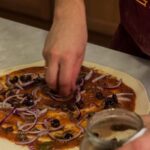
- what to do with toppings in the classic Neapolitan style—think tomato and mozzarella before baking
Even if you’re not planning to make Neapolitan pizza at home next week, these lessons help you understand what separates a good Roman slice or a tourist-trap margherita from the real deal. Neapolitan pizza is about dough handling and heat timing as much as it is about ingredients.
One nice detail: the staff doesn’t shut down technical questions. If someone in your group asks about fermentation or produce choices, the instructors appear ready to explain. That’s not always true with short cooking experiences.
The wood-fired oven moment: why this class is worth the money
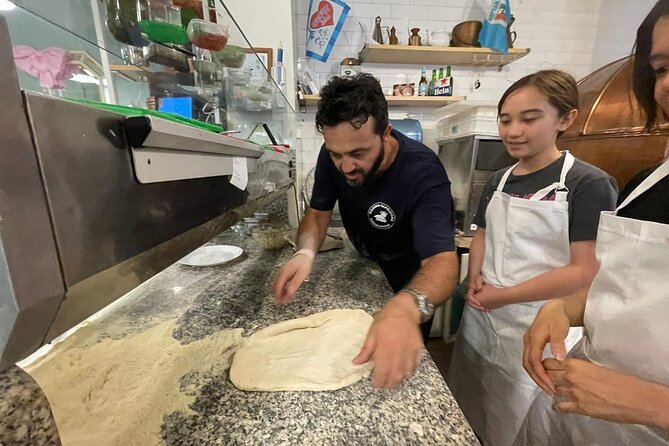
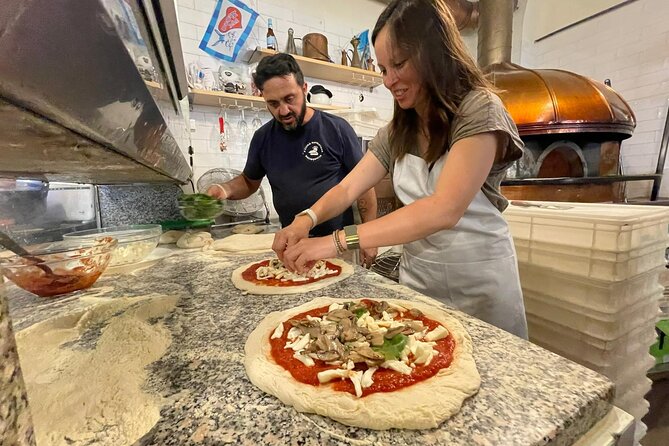
A wood-fired oven changes everything. It’s not just a gimmick—it affects crust texture, speed, and how toppings behave. In this class, you’ll prepare and bake your pizza using those conditions, then eat what you made.
This matters for two reasons. First, you’ll see how the dough transforms when it hits intense heat. Second, you’ll taste the difference between a dough that was handled properly and one that wasn’t. That’s the kind of learning you can’t get from a pan-pizza tutorial.
One more value point: the class includes not only baking but also a sit-down tasting/dining moment afterward. You’re not rushed out the door; you get to enjoy your work. And if you’re with kids, that pay-off becomes the whole point of the afternoon.
The Vatican area setting: close enough for the view vibe (with one caveat)
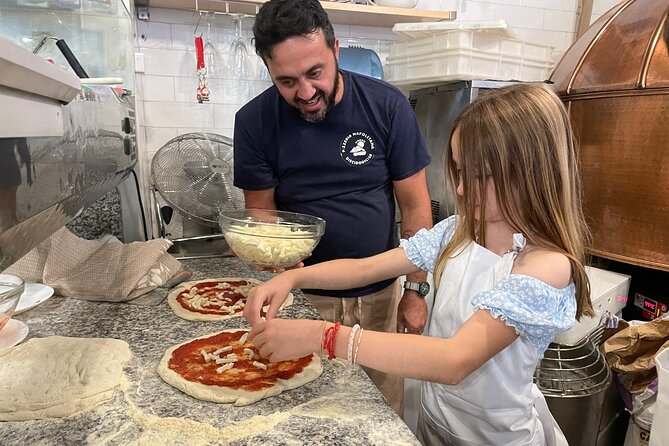
The experience is positioned with a scenic Vatican backdrop, and the meeting point is right in the Vatican zone. That gives you the “Rome in the foreground” feeling even when you’re not inside the biggest sights.
That said, it looks like the view may be more like proximity than a guaranteed, postcard-style view from every angle. Some people noted it felt more like a walkable location than a direct view of the Vatican from the class space. So if you’re booking primarily for a dramatic view, adjust expectations and aim to enjoy it as a location advantage—especially if you’re pairing this with Vatican time.
Practical tip: if the Vatican is the first stop on your itinerary, this class is a smart follow-up. It keeps your energy up after lots of walking and queue time, and it gives you something hands-on to do with your hands instead of your phone.
Eating your pizza (and the wine): what comes after the work
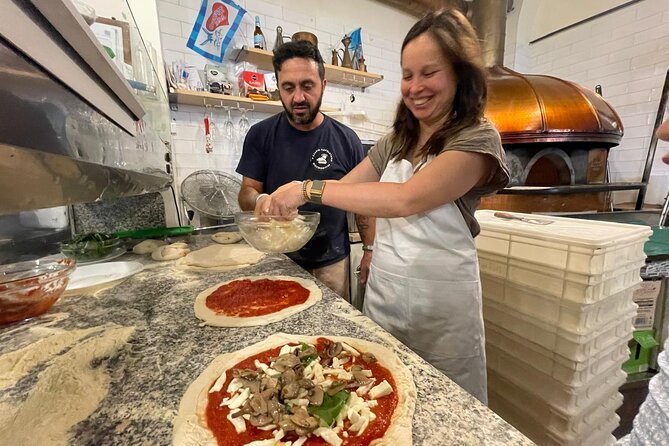
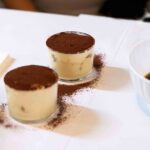
Once your pizza is baked, you eat it where the class finishes. The experience includes a glass of Italian wine with your meal, and the dining portion is part of the package—not an extra purchase to consider.
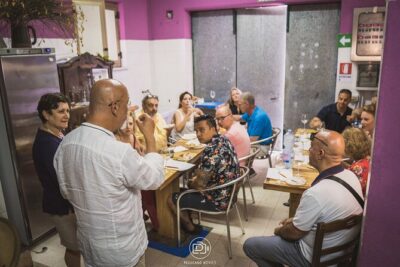
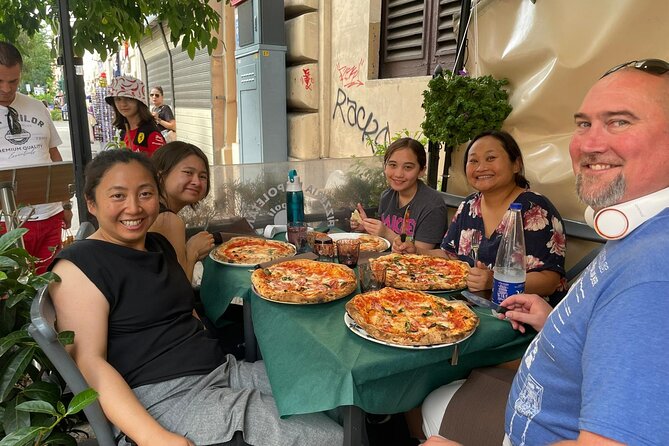
Participants also described eating outside afterward, which makes the experience feel more like a Rome evening than a studio class. If you’re traveling with kids, that outside element plus the finished pizza is a good mix: they get something to do, then a reward that tastes like they earned it.
A practical consideration: the oven action depends on how the session is run. Some people mentioned being able to take their pizza out of the oven, but you should treat that as a “you might get the chance” moment rather than a promise. Either way, you’re still baking and tasting your own pizza.



Who this is best for (and who should plan differently)
This is a strong pick for:
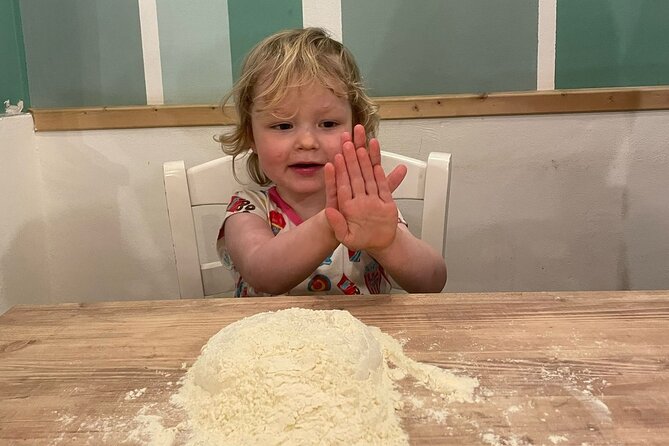
- Families with kids who need an activity that keeps attention while still being “real.”
- First-timers who want structured guidance rather than a chaotic kitchen where you just copy shapes.
- Food lovers who care about ingredients and method, not only the final photo.
- Couples who want a memorable experience that’s active and social without being exhausting.
It may be less ideal if:
- you want a long, slow cooking session (the class is listed as 1 hour, but timing can feel shorter depending on how your session runs)
- you’re booking only for a guaranteed Vatican panorama from the exact cooking spot
Price and value: $63 for an hour of dough, heat, and dinner
At about $63 per person for a 1-hour experience, the value depends on how you weigh skill plus food. For many people, this price lands in a sweet spot because you’re getting:
- guided instruction from pizzaiolo experts
- fresh ingredients used for your pizza
- wood-fired baking
- a meal afterward that includes a glass of Italian wine
If you compare it to paying for a standalone cooking workshop that doesn’t result in a proper bake-and-eat meal, the “do it yourself” part is where this earns its cost. Also, the photos and the emphasis on step-by-step teaching add real-world convenience: you don’t have to document it with awkward handholding, and you leave with something you can recreate later.
Small-group feel and real interaction: why your questions get answered
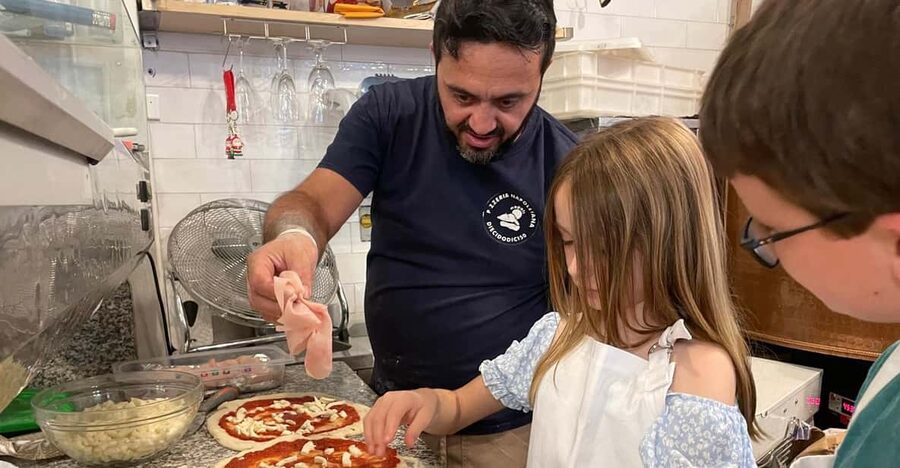
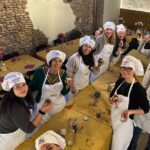
Even though Rome classes can be busy, this one tends to feel intimate. Participants described it as small-group or personal, which is what you want for hands-on dough work. If you’re struggling with shaping, you need a quick correction before your dough goes from stretchy to tear-prone.
This is also why technical questions seem to land well. One person asked specific things about fermentation process and produce, and the staff took time to explain. If you’re the kind of traveler who hates vague answers, that kind of engagement is a quiet win.
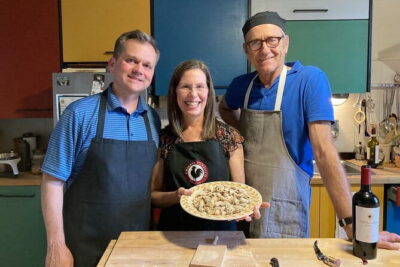
And yes, there’s a social side. The host and staff take photos throughout the class and also appear to send them afterward. That means you can spend your attention on learning instead of staging shots.
Timing tips for fitting this into your Vatican day
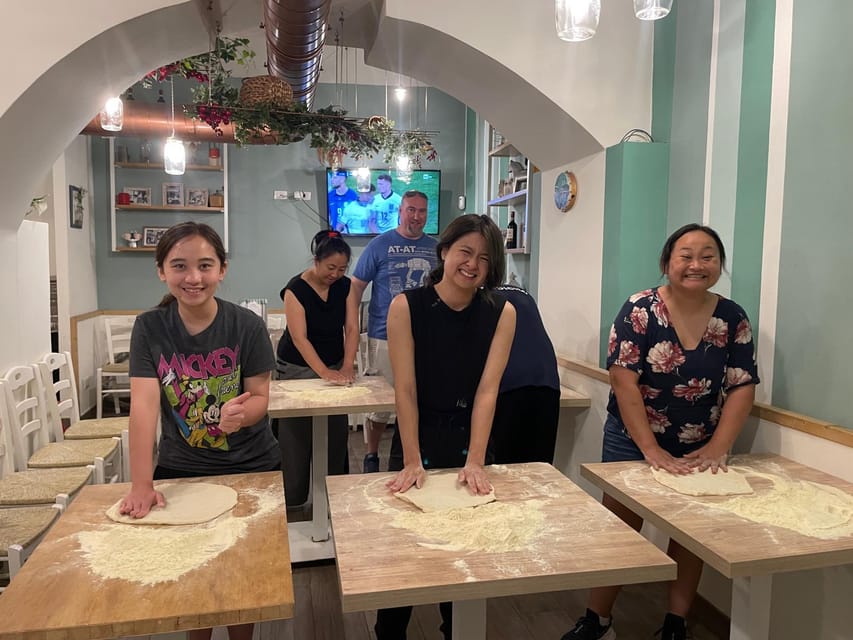
Because this is a short experience, timing matters more than usual. If your day is packed with major sights, I’d treat this class like your “reset dinner plan,” not an optional detour.
A solid strategy:
- do the Vatican first
- come here while you’re still in active mode
- finish with your own hot pizza instead of hunting for food again
Also, since it’s near Ottaviano metro and the Vatican area, you’re not forced into a far-flung commute right after a long walking day.
Should you book this Neapolitan pizza class in front of the Vatican?
If you want a short, hands-on Rome experience that ends with food you made yourself, I’d say yes. The best reasons to book are the dough-shaping instruction, the wood-fired oven baking, and the fact that you eat right after while the pizza is at its best.
Book it if you’re traveling with kids, with a partner, or on a foodie-focused itinerary. It’s also a nice choice if you’d rather spend an hour learning real technique than spending that hour standing in line again.
The only real caution: if you’re chasing a guaranteed, dramatic Vatican view from the exact class spot, don’t bet everything on that. Treat the location as a convenience advantage and a Rome-in-the-background bonus, not as a promised skyline.
If that trade-off sounds fine, Elisa’s pizza class is the kind of activity that gives you a story you can taste.
FAQ
How long is the pizza cooking class?
The experience is listed as 1 hour. One booking mentioned the class may feel shorter than that, so it’s a good idea to plan for a compact schedule.
Where do I meet for the class?
Meet at Pizzeria Dieci Dodici e 50. It’s described as right in front of the Vatican area and is close to the Ottaviano metro station.
Is the class hands-on or mostly watching?
It’s hands-on. You’ll learn step-by-step with expert guidance, and you’ll prepare and bake your own Neapolitan pizza.
Does the class include ingredients and food to eat?
Yes. The class includes fresh ingredients, and after baking you sit down to enjoy what you made.
Is there wine included?
Yes. After baking your pizza, you can enjoy it with a glass of Italian wine.
What languages are offered?
The instructor is available in Italian, English, and French.
Is it good for families and kids?
It’s described as a family-friendly activity. Kids can participate in the dough work and enjoy eating the pizza they help make.
What’s the price per person?
The price is $63 per person.
Can I cancel or change plans?
Free cancellation is available up to 24 hours in advance for a full refund. There is also a reserve now and pay later option listed, which lets you hold a spot without paying immediately.