REVIEW · ROME
Kitchen of Mamma: Pasta Cooking Class with market visit in Rome
Book on Viator →Operated by YellowSquare · Bookable on Viator
Fresh pasta beats any souvenir.
This 6-hour Rome experience pairs a walk through Nomentano Market with a hands-on pasta class in a local kitchen, then turns it all into a relaxed lunch you actually eat. I love that it’s built around real ingredients you buy with your chef, not just a recipe handout, and I also like that you’re capped at a small group (maximum 14), so questions don’t get lost in the crowd. The day starts at 11:00 am at Via Palestro 51 and ends back there.
Two things I really like: the market portion feels like learning how Italians shop, with the chef pointing out what matters for the dish you’ll make, and the class itself is practical—dough texture, rolling, and shaping are the focus, not just watching. You’ll finish by eating your pasta for lunch, with a glass of Italian wine plus coffee and limoncello.
One drawback to consider: this is a shared-group experience with minimum numbers, so it can be canceled or changed if there aren’t enough participants. And based on at least one reported case, chef no-shows can happen when sign-ups are very low, so I suggest confirming your booking details and keeping an eye on any day-of messages.
In This Review
- Key Highlights Worth Marking on Your Map
- Rome Market-to-Kitchen: The Real Flow of This 6-Hour Pasta Day
- Price and What You’re Actually Getting for $151.23
- Via Palestro at 11:00 am: Meeting Point Reality Check
- Nomentano Market With the Chef: Shopping for Dinner Like Italians
- YellowSquare Kitchen: How You Learn Pasta, Not Just Recipes
- Eating Your Work: Lunch, Wine Pairings, Coffee, and Limoncello
- Small Group Size: Why Max 14 Matters
- Who This Pasta Class Is Best For (and Who Should Skip It)
- Practical Tips for a Smooth Pasta-Making Day in Rome
- Should You Book Kitchen of Mamma for Pasta in Rome?
- FAQ
- How long is the Kitchen of Mamma pasta cooking class in Rome?
- What time does the tour start, and where do I meet?
- Is transportation included from hotels?
- What’s included in the price?
- Is the class suitable for gluten-free diets?
- Are vegetarian options available?
- What’s the group size limit?
- What’s the cancellation policy?
- Is there a minimum age requirement?
Key Highlights Worth Marking on Your Map
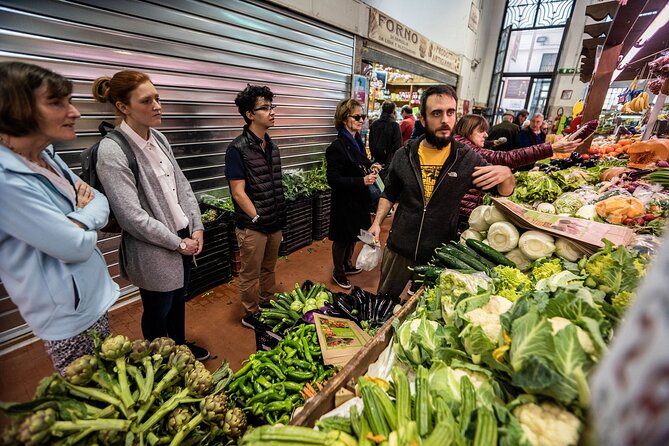
- Nomentano Market walk guided by an Italian chef so you understand what you’re buying and why
- Hands-on homemade pasta where you learn classic techniques, not just an assembly line
- Eat what you make for a sit-down lunch with wine pairings included
- Small group size (max 14) makes it easier to get help while you work the dough
- Coffee and limoncello round out the meal with a very Roman, very casual finish
- Recipes and a participation certificate mean you can recreate the day later
Rome Market-to-Kitchen: The Real Flow of This 6-Hour Pasta Day
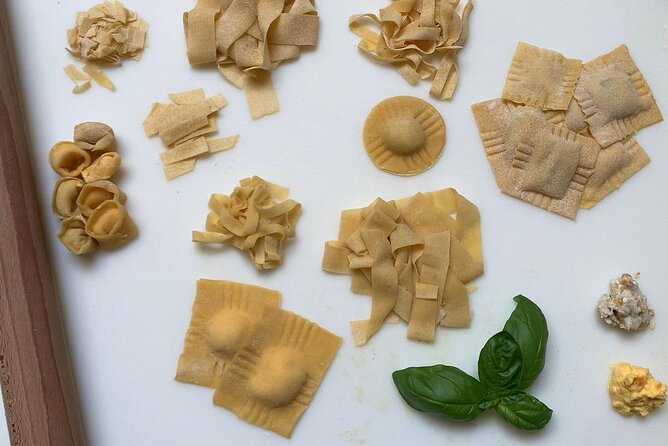
The magic of this tour is the structure: you don’t just learn pasta, you build it from scratch in the order Italians actually think about food—ingredients first, technique second, and eating last. The pace is meant to feel unhurried. You’re walking, shopping, learning, then finally settling in for lunch with what you made.
Because it runs about 6 hours, it’s long enough to get your hands good and messy without feeling like a whole-day grind. It’s also timed for a late morning start (11:00 am), which makes sense in Rome. You get the market before the afternoon rush, and lunch lands right when you’re ready for it.
You can also read our reviews of more tours and experiences in Rome.
Price and What You’re Actually Getting for $151.23
At $151.23 per person, you’re not paying only for cooking instructions. You’re paying for a guided market walk, market-to-kitchen ingredient work, a full meal, and drinks.
Here’s how the included stuff adds up in real-life value:
- Market walking tour with an Italian chef (not self-guided wandering)
- Lunch featuring the pasta you make
- A glass of Italian wine included
- Coffee and limoncello after your meal
- Participation certificate + pasta recipes, which helps if you want to cook at home
What’s not included is also clear: you handle your own way to and from the meeting point, and there’s no hotel pickup. For the money, the deal only really works if you’re the type who likes learning while doing—watching is fine, but kneading and shaping are where this class earns its keep.
Via Palestro at 11:00 am: Meeting Point Reality Check
You meet at Via Palestro, 51, 00185 Roma RM at 11:00 am, and the tour ends back at the same place. That simple start/end matters in Rome, where neighborhoods can feel like different worlds.
It’s also near public transportation, and the tour uses a mobile ticket, so you shouldn’t need to print anything. Dress code is casual—think comfortable shoes first, nicer clothes second. You’re walking in the neighborhood and then working at a kitchen station.
Because you’ll be doing hands-on pasta making, I’d keep your outfit simple: sleeves that can handle flour, and shoes you can walk in for a while without pain.
Nomentano Market With the Chef: Shopping for Dinner Like Italians
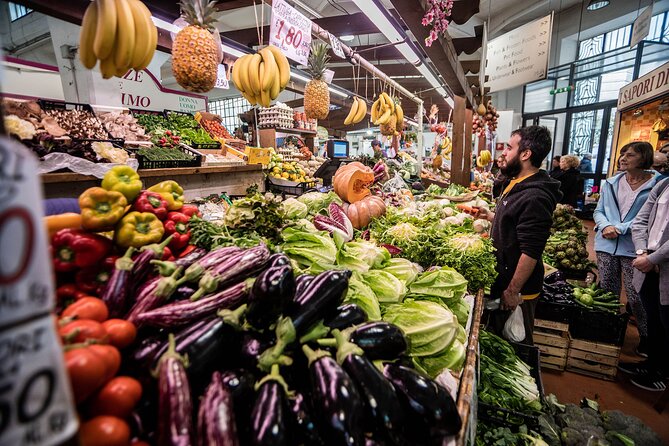
The market stop is one of the main reasons this class feels different from the usual pasta show. You’re not only learning what to buy—you’re learning the logic behind it.
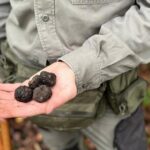
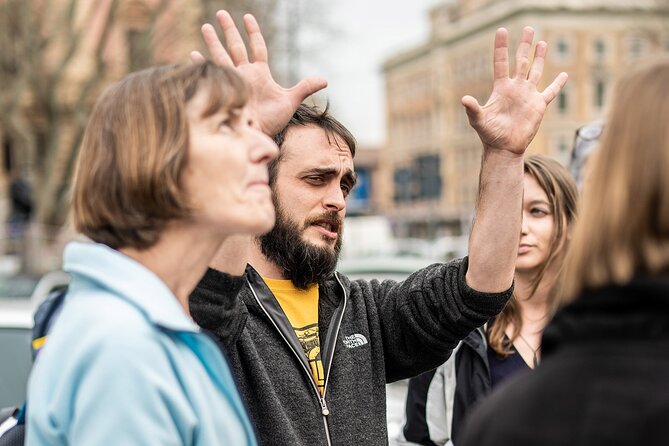
You’ll be walking with an Italian chef through Nomentano Market (the tour specifically calls this one out), then heading back to the kitchen at YellowSquare. In practice, that means:
- You get a guided look at Italian products used in classic pasta dishes.
- You’re more likely to remember what each ingredient does because you’ve already seen it on the shelves.
- You’re setting yourself up to cook better, because you’ll understand what you’re aiming for.
This is also a great moment to ask food questions that don’t fit into a kitchen workflow. If you’re the curious type—why that flour, why that ingredient, how to choose something at home—this market walk gives you room to ask.
YellowSquare Kitchen: How You Learn Pasta, Not Just Recipes
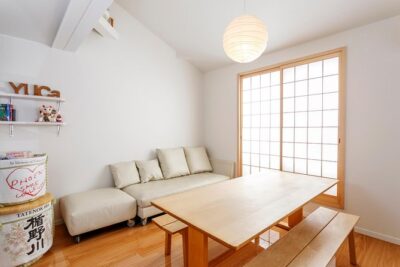
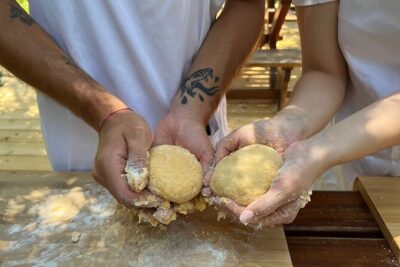
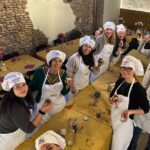
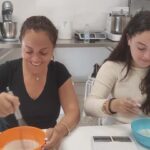
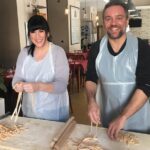
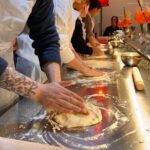
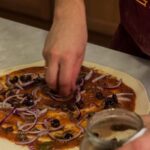
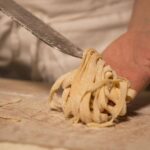
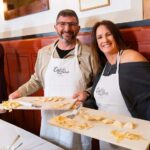
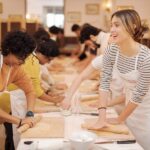
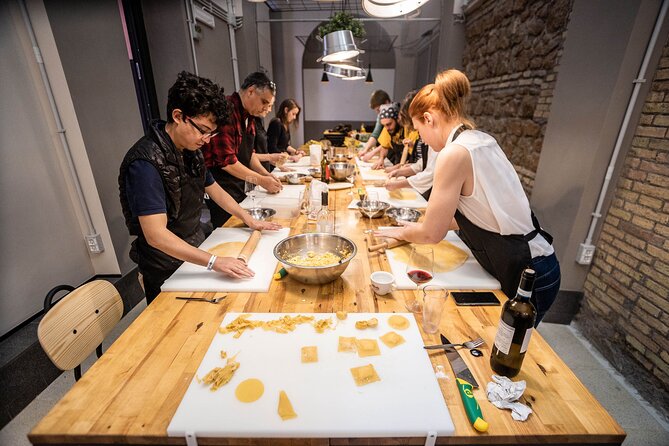
Once you’re back at YellowSquare, the class shifts to technique. You’ll learn to make homemade pasta in a hands-on format, and the pacing is designed so you can actually participate rather than just stand by and hope someone notices your question.
The standout theme from the experience is instruction that stays friendly and practical. The chef-led approach focuses on how dough should look and feel, and you’ll get tips along the way if your dough doesn’t behave. That might mean the difference between pasta that rolls smoothly and pasta that fights you.
Another smart aspect: the class is built around classic pasta dishes. You’re learning techniques that translate, not only recipes that sound good on paper. After a day like this, you’re more likely to cook pasta again because you understand the process.
Vegetarian options are available upon request—tell the chef when you arrive. If you’re vegan, or gluten-free, plan around the reality that the experience doesn’t offer vegan or gluten-free options.
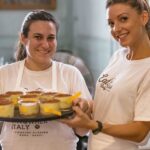

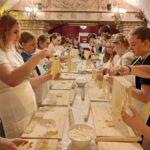
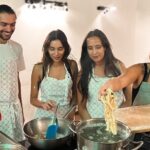
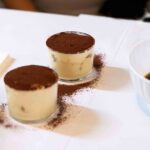
Eating Your Work: Lunch, Wine Pairings, Coffee, and Limoncello
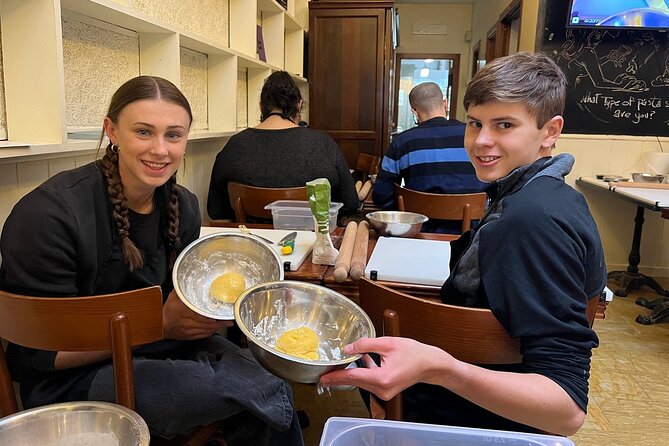
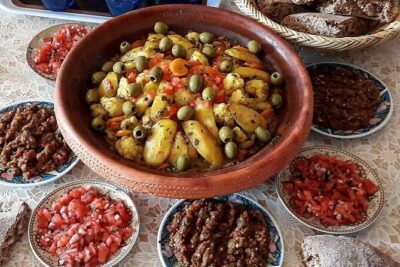
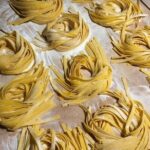
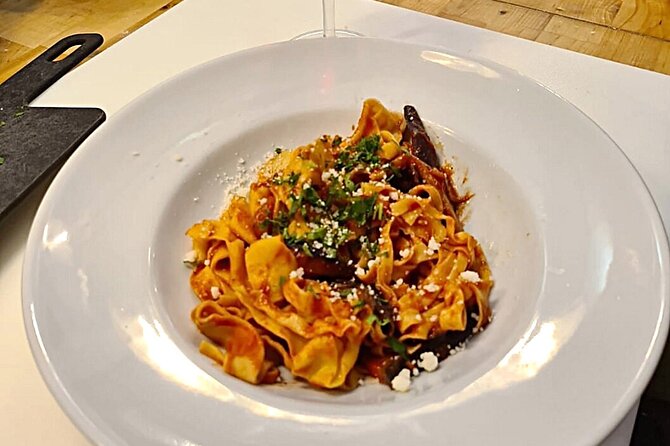
This is the part I’d frame as the payoff. You make the pasta, then you sit down and eat it at a leisurely lunch. That “make, eat, repeat” structure turns learning into something you remember because your taste buds were involved.
Included with lunch:
- A glass of Italian wine
- Coffee
- Limoncello
- And the pasta you prepared
The wine pairing is also a big deal for value. A lot of cooking tours include food but treat drinks like an optional extra. Here, it’s part of the experience design, which keeps the meal relaxed and celebratory without feeling like a business transaction.
If you’re thinking about timing, this food stop is ideal: you’re not stuffing yourself at the beginning, and you’re not waiting until the end of the day when your energy might drop.
Small Group Size: Why Max 14 Matters
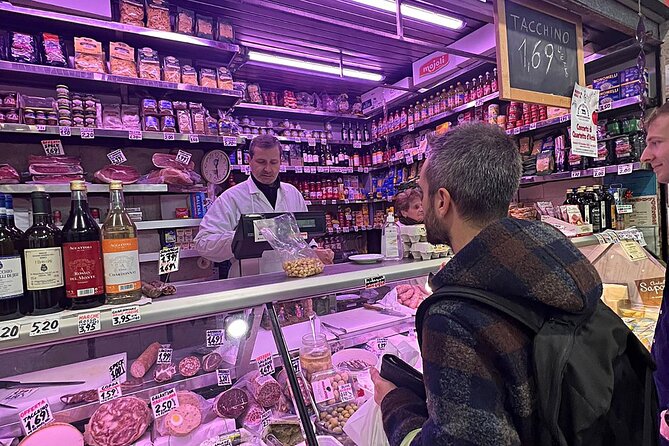
This tour caps at 14 travelers, and that affects the whole feel of the class. Smaller groups mean:
- You get more chances to ask questions while you’re working.
- The chef can correct your technique instead of only giving general advice.
- You spend less time waiting for your turn.
One caution: even when the group is small, classes can run late if the day’s pace slows down. It doesn’t appear to be the norm, but it has happened. If you’re tight on dinner reservations afterward, give yourself a buffer.
Who This Pasta Class Is Best For (and Who Should Skip It)
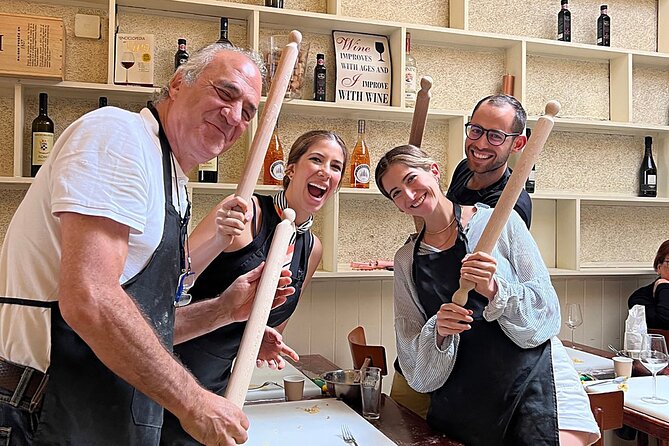
This works especially well for:
- Food lovers who want a Rome experience that isn’t just sightseeing
- People who like interactive learning—hands-on beats passive
- Travelers who enjoy markets and ingredient shopping
- Couples, families with kids (minimum age is 8), and groups who want a friendly shared day
It may not be the right fit if:
- You need gluten-free food (not suitable for gluten-free diet)
- You need vegan options (not available)
- You want a tour with no cooking mess at all (this is real pasta dough, so expect flour on you)
Vegetarians can often be accommodated if you request it at the right time. Do it when you arrive, so the chef can plan within the course flow.
Practical Tips for a Smooth Pasta-Making Day in Rome
Here are my no-fuss tips so you enjoy the day instead of managing small annoyances:
- Wear shoes you can walk in. You’ll move between spots and spend time standing at a work station.
- Bring a quick-dry layer. Cooking can be warm, and market walks can shift with Rome weather.
- Plan to eat. The lunch includes wine and finishes with coffee and limoncello, so don’t schedule a huge late meal right after.
- Ask about your dough early. If something seems off—texture, stickiness, dryness—ask sooner rather than later.
- If you’re vegetarian, tell them clearly. Request vegetarian options upon arrival as the tour instructs.
- If you’re gluten-free, skip this class. The experience explicitly isn’t suitable.
Should You Book Kitchen of Mamma for Pasta in Rome?
I’d book it if you want a real, hands-on Rome food day: market shopping with an Italian chef, then making classic pasta and eating it with wine. The small group size and the market-to-kitchen structure make it feel like a cohesive experience, not a disconnected checklist.
I’d think twice if you’re strict about dietary needs (no gluten-free and no vegan), or if you’re relying on a very fixed schedule with no buffer after the class. Also, because it depends on minimum numbers, I’d confirm your booking details as your date gets closer so you’re not stuck dealing with last-minute changes.
If you’re flexible and you like learning by doing, this is the kind of Rome activity that pays off twice—once in the classroom, and again when you’re eating pasta you made with your own hands.
FAQ
How long is the Kitchen of Mamma pasta cooking class in Rome?
It lasts about 6 hours.
What time does the tour start, and where do I meet?
It starts at 11:00 am. You meet at Via Palestro, 51, 00185 Roma RM, Italy, and the tour ends back at the same meeting point.
Is transportation included from hotels?
No. Transportation to and from attractions is not included, and there is no hotel pick-up or drop-off.
What’s included in the price?
The experience includes a walking tour to a local market, lunch with the pasta you make, a glass of Italian wine, coffee and limoncello, plus a participation certificate and pasta recipes.
Is the class suitable for gluten-free diets?
No, it is not suitable for travelers with a gluten-free diet.
Are vegetarian options available?
Yes, vegetarian options are available upon request. You should inform the chef upon arrival.
What’s the group size limit?
The tour has a maximum of 14 travelers.
What’s the cancellation policy?
You can cancel up to 24 hours in advance for a full refund.
Is there a minimum age requirement?
Yes, the minimum age is 8 years. Service animals are allowed.