REVIEW · ROME
Pizza and Tiramisu Cooking Class in Rome, Piazza Navona
Book on Viator →Operated by Eatalian Cooks · Bookable on Viator
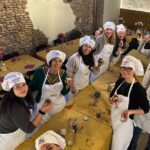
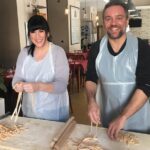
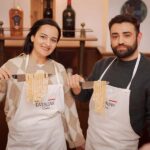
Rome turns better when you can cook it. This 2.5-hour pizza and tiramisu class is held right by Piazza Navona, inside Antica Trattoria Agonale, with an English-speaking instructor and plenty of time to make two classic Roman favorites. I love the small-group setup (max 10) because you get real back-and-forth, not just a show-and-tell. I also love that drinks are built into the experience, so you can keep a good pace without hunting for a café afterward. One drawback to know up front: there’s no gluten or lactose-free option, and regular sugar is used for the tiramisu.
What makes this feel very Roman is the mix of food craft and atmosphere. You start at Piazza Navona, learn how to shape and cook pizza dough that’s already been rested (24–48 hours), then move into a light tiramisu that needs time to set. If you’re hoping for a fully DIY, step-by-step takeover of every tiny measurement, you might still find the chef handles some parts for consistency and speed—common in cooking classes.
In This Review
- Key points before you go
- Pizza and Tiramisu at Piazza Navona: why this is such a smart Rome evening
- Meeting at Antica Trattoria Agonale: finding it and getting settled fast
- The pizza workshop: rested dough, shaping technique, and a wood-oven reality check
- Tiramisu prep: coffee, mascarpone cream, and the set-it time
- Drinks included: wine or beer, soda, coffee/tea, and limoncello by request
- What you actually get (and why the price can feel fair)
- How the small group changes the experience (and where it may feel “too short”)
- Who should book this class in Rome (and who should skip it)
- Tips to get better results during your pizza and tiramisu session
- Should you book Pizza and Tiramisu on Piazza Navona?
- FAQ
- What dishes will I learn to make?
- How long is the cooking class?
- What time does the class start?
- Where do I meet for the class?
- Is the instructor speaking English?
- How many people are in the class?
- Is there a gluten-free or lactose-free option?
- Is the tiramisu sugar-free?
- What’s not included in the price?
Key points before you go
- Piazza Navona corner location: you’re steps away from one of Rome’s most famous nighttime squares.
- Small group (max 10): more attention, fewer people standing in your way.
- English-speaking instruction: the “why” of the process is explained clearly.
- Pizza dough is pre-rested 24–48 hours: you’re learning technique, not waiting for dough.
- Tiramisu includes a chill period: the pacing is built around letting dessert set.
- Drinks included: wine/beer, soda, and coffee/tea, plus limoncello by request.
Pizza and Tiramisu at Piazza Navona: why this is such a smart Rome evening
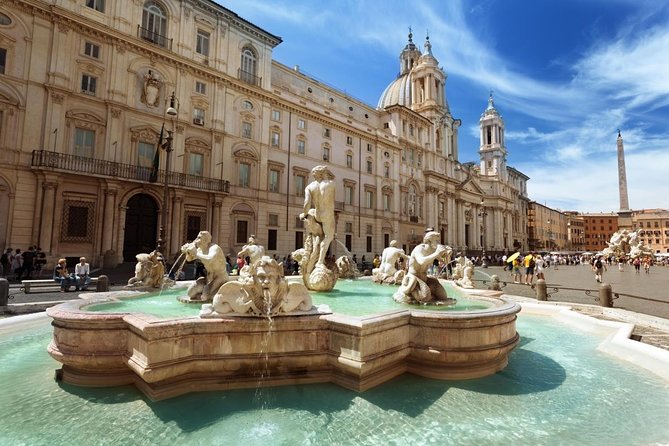
A Rome cooking class can be either a fun activity or a tiring tourist detour. This one works as an evening plan because it’s anchored in a real neighborhood scene: you meet near Piazza Navona, cook in a trattoria setting, then you get to eat what you made. It’s also timed for late afternoon/early evening (start time is 5:30 pm), when many big sights are busier and restaurants start to feel alive.
I like that it focuses on two dishes people actually eat in Italy: pizza and tiramisu. That means you leave with skills that translate to your own kitchen, not just a souvenir recipe card.
You can also read our reviews of more tours and experiences in Rome.
Meeting at Antica Trattoria Agonale: finding it and getting settled fast
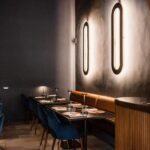
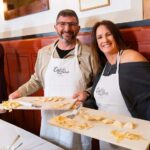
You’ll start at Antica trattoria Agonale, Corsia Agonale 9, 00186 Roma RM. The class ends back at the meeting point, so you don’t end up stranded across town or forced into a long post-class trek.
One practical tip: because it’s right in the Piazza Navona area, it can still take a few minutes to spot the exact doorway. Go a little early, take a quick look at the corner, and get your bearings. Since it’s also near public transportation, you can plan your day and then simply roll in without stress.
The experience is offered in English, and the class size is kept small. That matters in a hands-on workshop. When you can ask, clarify, and correct without language friction, you cook with confidence instead of just copying motions.
The pizza workshop: rested dough, shaping technique, and a wood-oven reality check
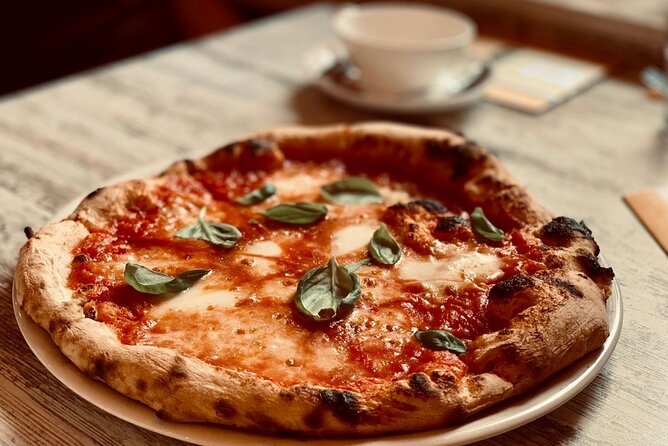
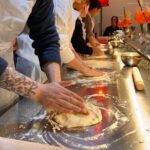
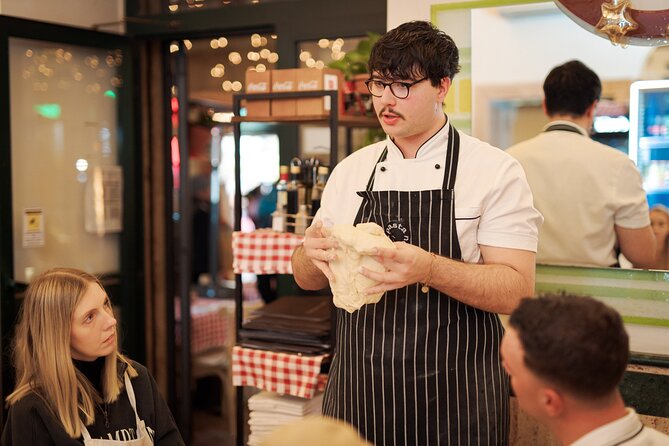
Here’s the deal with the pizza: the dough has already rested 24–48 hours. That’s not a minor detail. It’s what makes dough easier to stretch, helps it taste more developed, and gives you a better result even if you’ve never made pizza before.
The flow you can expect is:
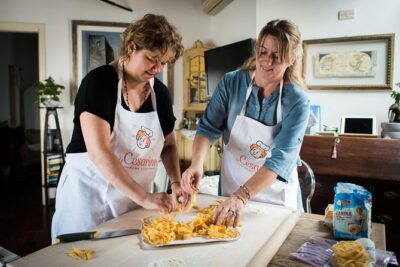
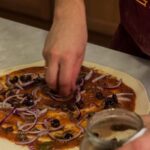
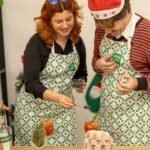
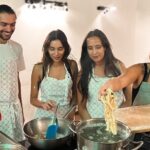
- You learn pizza-making basics from an English-speaking instructor.
- You help with the dough work and stretching steps.
- You cook the pizza in a restaurant-style setup.
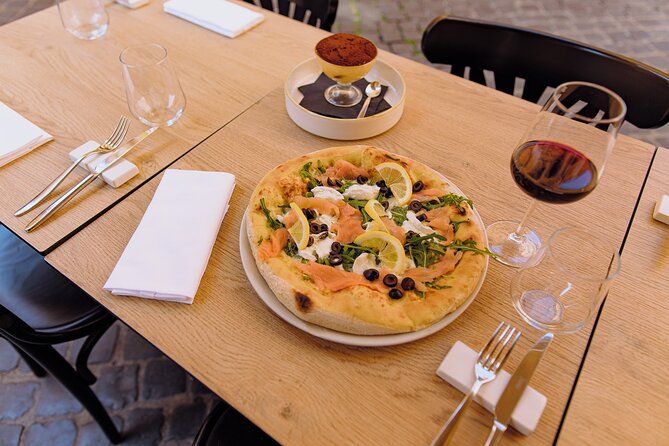
Cooking methods can vary by session, but one theme shows up in the experience: pizzas are cooked quickly when the oven is hot. You may even see a traditional wood beehive oven used, which can cook pizzas in just a few minutes once ready. If you notice browning differences, that’s not automatically a problem. Wood ovens can cook unevenly depending on where the pizza lands inside the chamber, so a little variation is normal—and edible.
What I like about this pizza portion is that you’re learning technique that actually matters: how the dough behaves, what good stretch looks like, and how to time cooking. You’re not paying for only a meal. You’re paying for the method.
Tiramisu prep: coffee, mascarpone cream, and the set-it time
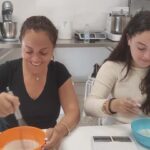
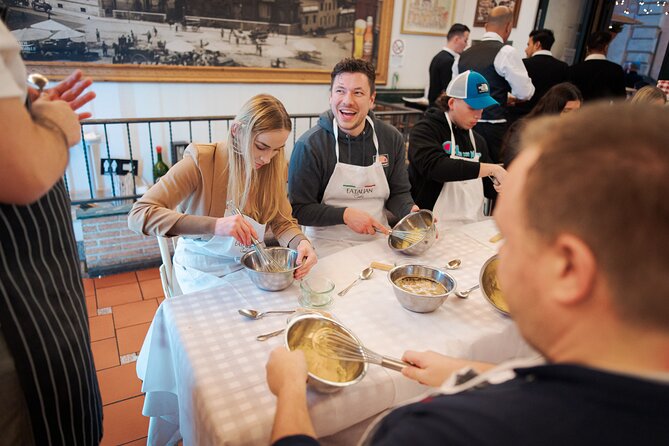
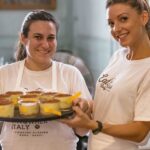
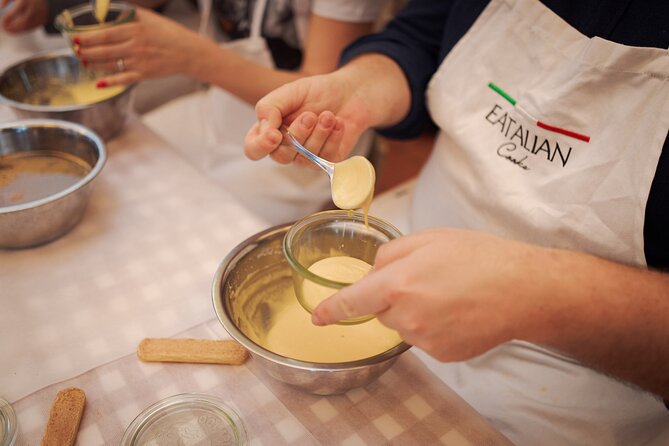
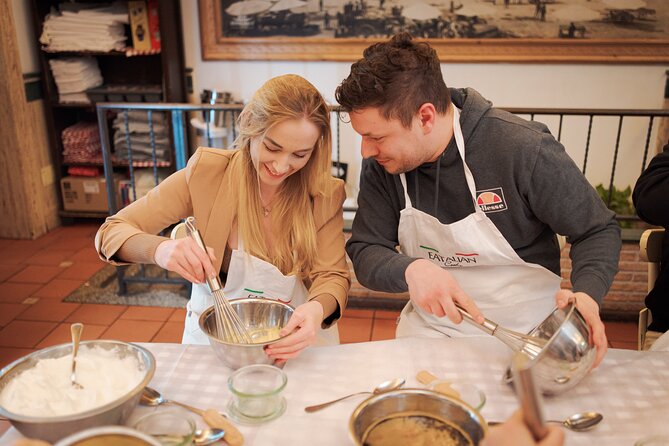
Then comes tiramisu, the “cherry on top” that feels like dessert magic even though it’s mostly technique and timing. You’ll learn to make a light coffee and mascarpone cream dessert.
A key thing to plan for: tiramisu benefits from chilling time. The workshop is typically paced so you’re not stuck waiting around. Often, the scheduling starts with tiramisu preparation so it can rest while you work on the pizza, and you circle back when it’s ready to eat.
Also, here’s a dietary reality check:
- There’s no lactose-free option.
- Regular sugar is used for the tiramisu.
If you need a special diet, you’ll want to think carefully before booking. If you’re managing diabetes, this one is explicitly not sugar-free, so you should plan accordingly.
Drinks included: wine or beer, soda, coffee/tea, and limoncello by request
Cooking makes you thirsty, and Rome evenings can run long. This class handles that. You can choose wine or beer, and for non-drinkers there’s soda. Afterward, you can ask for coffee and/or tea.
There’s also limoncello available by request near the end of the meal portion. That’s a nice touch because it turns the class into something that feels like a proper Roman dinner experience rather than just a kitchen lesson.
One more practical point: the class is not positioned as a full restaurant “lunch deal.” Anything beyond what’s included is paid separately at the restaurant.

What you actually get (and why the price can feel fair)
The price is $87.11 per person for about 2 hours 30 minutes. On paper, that may sound high if you’re only thinking about food.
But you’re paying for several things at once:
- A small-group class (max 10), so instruction isn’t diluted.
- Two hands-on items: pizza + tiramisu.
- Drinks included (wine/beer/soda and coffee/tea).
- The convenience of doing this at the Piazza Navona area without juggling reservations and kitchen chaos.
If you compare it to eating in a central Piazza Navona restaurant, you’d typically spend significant money just for the meal components and drinks—this class bundles those costs with the lesson. It’s one of those Rome “pay once for a full experience” moments.
Value also depends on your cooking mindset. If you like to learn and you’ll use what you make later, it feels like a strong deal. If you only want a meal with zero interest in technique, it may feel less worth it.
How the small group changes the experience (and where it may feel “too short”)
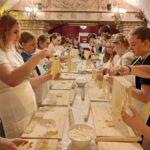
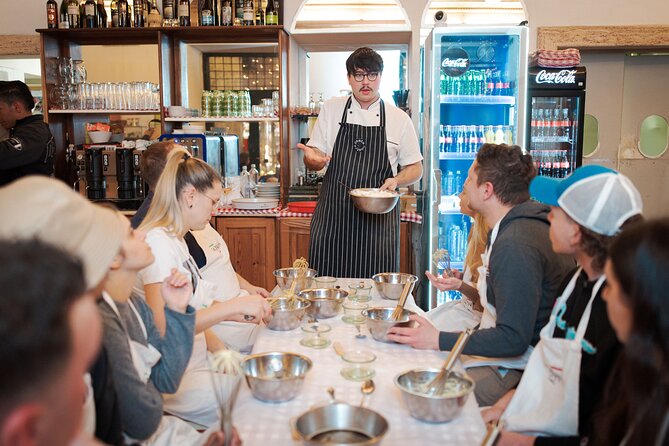
The class limits the group to 10 people, which is why so many people rate it highly. In a smaller room, the instructor can correct issues in real time: dough stretching, timing, and assembly steps for tiramisu.
Still, a balanced expectation helps. Some participants want maximum hands-on control over every step, and cooking classes can’t always be 100% hands-on for safety and speed. For example, some actions may be managed by the chef when it comes to oven use or certain technical steps. The overall pace is designed to finish and eat together without dragging.
So if your dream is to personally do every single step from start to finish, you might end up wanting more contact time with the process than what a typical 2.5-hour session allows. If your dream is to learn key techniques and produce a real result, this format usually delivers.
Who should book this class in Rome (and who should skip it)
This class is a great match if you:
- Want a hands-on activity that still feels like a relaxing evening.
- Are traveling with families or a mixed group of skill levels. It’s designed to keep beginners comfortable and still fun for experienced cooks.
- Prefer doing something interactive without spending the whole night on logistics and sightseeing.
It’s a weaker match if you:
- Need a gluten-free or lactose-free meal. The class explicitly does not offer these options.
- Need sugar-free ingredients. Regular sugar is used for tiramisu.
- Expect a long, deep, technical course. The workshop is built for results and enjoyment in a shorter time window.
Tips to get better results during your pizza and tiramisu session
- Arrive a bit early and settle in. This helps you start cooking calmly instead of hunting the doorway.
- Pay attention to dough behavior. The dough is pre-rested (24–48 hours), and that changes how it stretches and handles.
- Keep your questions simple and direct: what to fix now, not what to learn someday.
- Don’t skip the pacing. Tiramisu needs time to set, and pizza needs correct oven timing.
These sound obvious, but they’re the difference between a class that feels like a fun memory and one that turns into a technique you can repeat later.
Should you book Pizza and Tiramisu on Piazza Navona?
I’d book it if you want a Rome night that’s practical, hands-on, and located where you can still enjoy the city right after. The Piazza Navona setting is a real bonus, the class size stays small, and the lesson covers two dishes that are worth mastering.
I would not book it if gluten or lactose issues are part of your trip, or if you need sugar-free desserts. In those cases, you’ll likely leave with frustration instead of confidence.
If your goal is to cook, eat, and walk out with usable skills in a convenient central location, this is a strong choice for an evening in Rome.
FAQ
What dishes will I learn to make?
You’ll learn how to make two classic Italian dishes: pizza and tiramisu.
How long is the cooking class?
It runs for about 2 hours 30 minutes.
What time does the class start?
The start time is 5:30 pm.
Where do I meet for the class?
You meet at Antica trattoria Agonale, Corsia Agonale 9, 00186 Roma RM, Italy.
Is the instructor speaking English?
Yes. The class is offered in English.
How many people are in the class?
This experience has a maximum group size of 10 people.
Is there a gluten-free or lactose-free option?
No. There is no gluten or lactose-free option, and it is not recommended for travelers with gluten intolerance or lactose intolerance.
Is the tiramisu sugar-free?
No. Regular sugar is used for the tiramisu.
What’s not included in the price?
Lunch is not included. If you want anything not part of the class experience, you’ll pay for it at the restaurant.