REVIEW · SAN MIGUEL DE ALLENDE
Private Mexican Cooking Class with Licensed Chef
Book on Viator →Operated by Chef David Jahnke · Bookable on Viator
Four dishes, one chef, zero stress. In San Miguel de Allende, this private Mexican cooking class with Chef David Jahnke turns a simple meal into a hands-on lesson with history, technique, and plenty of eating. You cook in English in a real home-kitchen setting, and you can swap the sample menu for your own four-course plan from a long list.
I love two things most: the way the class pairs cooking steps with culinary history of ingredients, dishes, and techniques, and the flexibility to match your preferences. You can pick the style (hands-on or demonstration), then build your own four-recipe menu, with options noted for vegan, gluten-free, vegetarian, and pescetarian needs.
One thing to consider: this is an eat-and-learn class, not a take-home meal kit. If you’re hoping to leave with leftovers, ask about take-away expectations before you go, and plan to be fully fed during the session.
In This Review
- Key highlights you can plan around
- Chef David Jahnke and the way credentials shape the class
- The four-dish format: how the menu choice actually works
- How to pick dishes that teach you the most
- Hands-on cooking and tasting: what the class feels like in real life
- The garden factor
- Expect to be genuinely fed
- Sopa de Tortilla and Enchiladas Verdes: learning the sauce and tortilla rhythm
- Veracruz-style snapper in a banana leaf: a method you’ll actually remember
- Buñuelos: a dessert that teaches spice logic
- Price, time, and value in San Miguel: what $147 buys you
- How to handle dietary needs without ruining the experience
- A smart tip: tell your preferences early
- Where you meet and how to fit it into your day
- Should you book Chef David’s Mexican cooking class?
- FAQ
- How long is the cooking class?
- Is this a private class?
- Where does the class meet?
- What language is the class offered in?
- What dishes will I cook?
- Can I change the sample menu?
- Do you accommodate dietary restrictions?
- Is it hands-on or demonstration style?
- Are the recipes provided after the class?
- What is the cancellation policy?
Key highlights you can plan around
- A licensed, internationally trained chef: Germany professional cook plus chef educator and gastronomy credentials from France and Mexico
- Four dishes, not one: you cook (or observe, depending on your choice) and then eat what’s prepared
- Menu flexibility: follow the sample menu or choose your own four courses from many options
- Dietary accommodations: vegan, gluten-free, vegetarian, pescetarian, and more are mentioned
- Technique focus: knife skills and classic methods show up across the recipes
- More than recipes: nutrition and culinary history are part of the lesson, not just a bonus
Chef David Jahnke and the way credentials shape the class
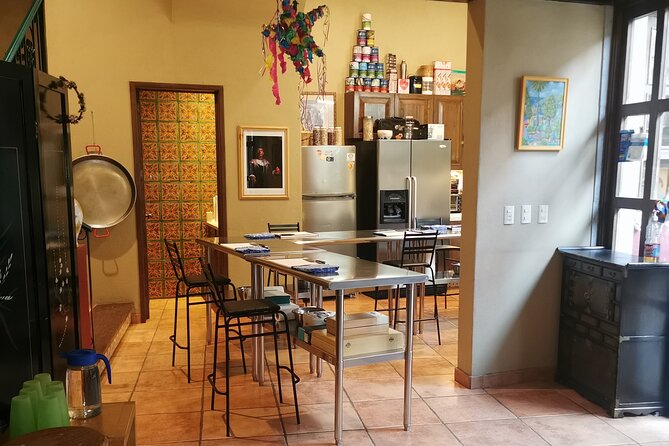
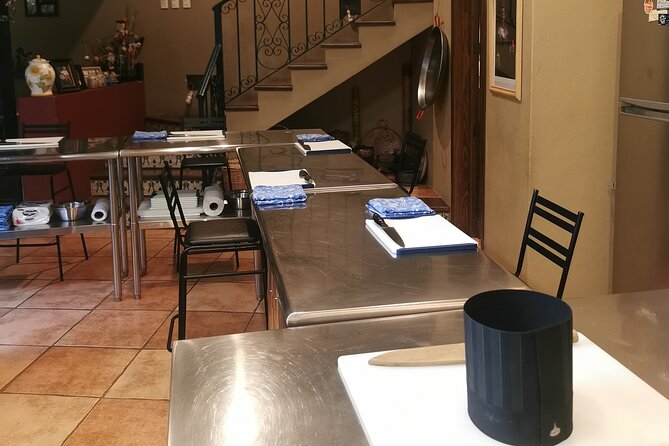
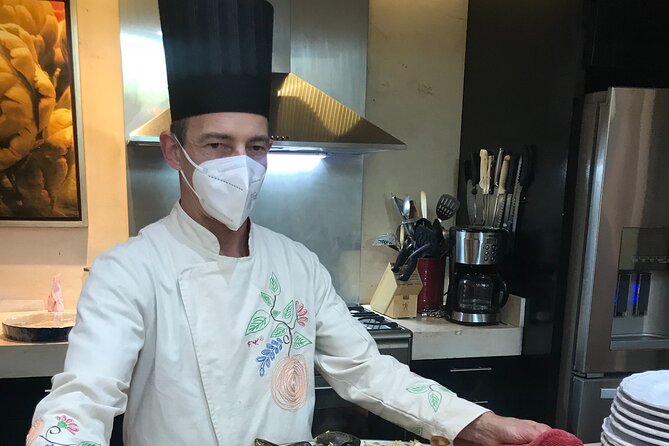
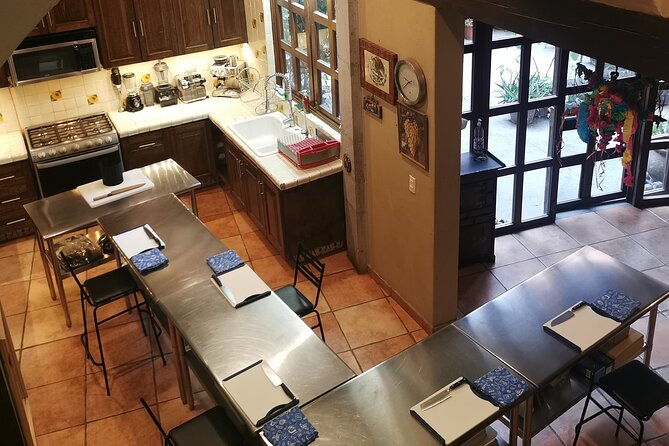
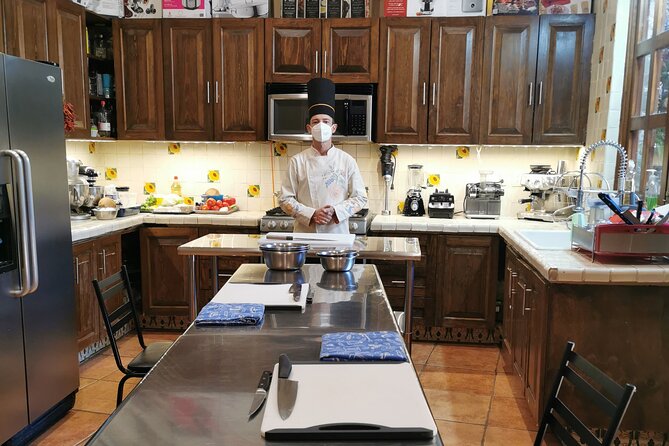
Chef David Jahnke runs this as a private experience in his own kitchen in San Miguel de Allende. The big difference here is that you’re not just buying dinner plus a recipe card. You’re working with a professional chef educator who brings formal training from multiple countries and institutions.
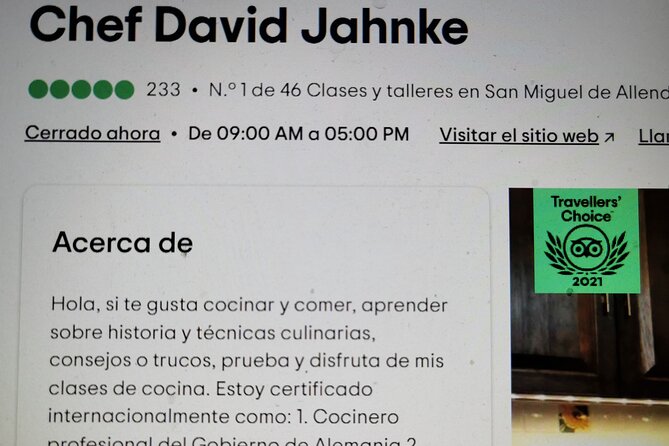
His credentials are a major clue about what you’ll feel during class: Professional Cook (Germany), Chef Educator (World Association of Chefs), a university gastronomy degree certified by the Secretary of Education of Mexico, and Maitre Cusinier (France culinary association). That background matters because the class is built to teach, not just entertain. You’ll get explanations that connect ingredients to technique and technique to results.
In practical terms, that usually means you get clear pacing and repeatable steps. One reason people rave about this class is the “workstation” feel—everyone gets involved in prep, the chef guides what to do, and you learn enough to recreate dishes at home. If you’re a confident cook, you’ll still appreciate the method. If you’re new to Mexican cooking, you’ll get the why behind the moves.
Also, the class doesn’t just chase authenticity as a buzzword. Several write-ups mention an emphasis on healthy eating and nutrition, along with the culinary history thread. So you’re not walking away with only flavor notes—you’re picking up ways to think about balanced cooking.
You can also read our reviews of more tours and experiences in San Miguel de Allende.
The four-dish format: how the menu choice actually works
The class is designed around making four recipes in about three hours. That “four” is important: it’s long enough to learn patterns across recipes—sauces, tortillas, seasoning builds, and finishing touches—without turning the experience into a day-long production.
You can start with the sample four-course menu, or you can customize. After booking, you’ll be sent a list of many other dishes you can choose from, and you can set up your own four-course menu. You also have flexibility on the style: you can choose hands-on or demonstration cooking.
Here’s the sample menu you might cook:
- Starter: Sopa de Tortilla (tortilla soup with a tomato/chicken broth, fried pasilla chili, corn chips, avocado, cream, and fresh ranchero cheese)
- Main 1: Enchiladas Verdes (chicken stuffed corn tortillas with tomatillo-chili sauce, topped with lettuce, avocado, Mexican cream, and fresh ranchero cheese)
- Main 2: Pescado a la Veracruzana (snapper steamed in a banana leaf with tomato sauce plus olives, capers, bell peppers, onion, and more)
- Dessert: Buñuelos (fritters with syrup sauce made with piloncillo sugar plus guava, citrus fruit, anise, cinnamon, vanilla, and more)
You’ll also see from the broader set of options that the menu isn’t stuck to only these four. Some groups describe choosing dishes like Mole Poblano or Flan de Chocolate, and even a ceviche-style option. So if you have favorites—sweet, savory, spicy, seafood—you should be able to shape the meal.
How to pick dishes that teach you the most
When you choose your four courses, think like a student. Two savory mains is great, but include at least one dish where you can see a key technique:
- If you want sauce fundamentals, consider dishes built around tomatillo or a mole-style sauce.
- If you want corn/tortilla skills, pick one dish where tortillas are stuffed or layered.
- If seafood calls to you, a banana-leaf style dish gives you a very different method than baking or frying.
- For dessert, buñuelos-style fritters show how Mexican sweets use spices and syrup.
If you’re unsure, tell Chef David what you like to cook at home and how spicy you handle. The class is set up to adjust, including vegan, gluten-free, vegetarian, and pescetarian preferences.
Hands-on cooking and tasting: what the class feels like in real life
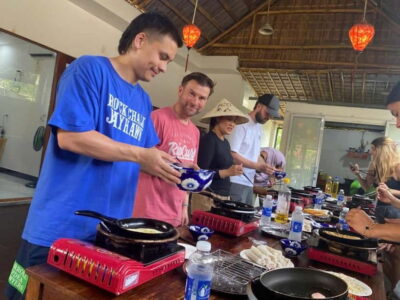
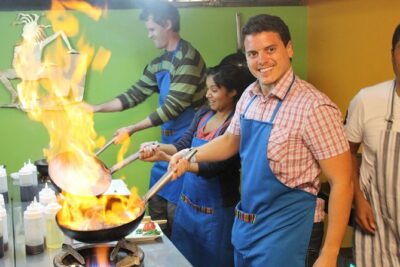
This isn’t a “watch from the sidelines for three hours” setup unless you choose demonstration mode. The default spirit is participatory, and many people highlight that you chop, prep, and get trained on technique while you learn.
A common pattern in how the class runs (based on how it’s described) is:
- A start with culinary history and context
- A transition into recipe setup and ingredient prep
- Cooking in stations so you’re not just hovering
- Plates presented as each dish finishes
- Then you eat what you helped make
One of the more practical memories people share is knife skills. Even if you’ve cooked before, Mexican cooking has its own rhythm—handling fresh herbs, trimming aromatics, and working efficiently with peppers and tomatoes. Another detail mentioned is tasting and learning about dried chiles, with examples like serrano, guajillo, and ancho. That’s useful at home because once you understand what a chile does to flavor, you stop guessing.
The garden factor
Some descriptions mention Chef David has a garden and that you may pick ingredients for your dishes. That matters beyond the photo moment. When produce is fresh and picked for the meal, it changes how vivid salsa, garnish, and toppings taste. It also reinforces the lesson: Mexican cooking is ingredient-driven.
Expect to be genuinely fed
Because all dishes you cook are eaten in class, plan your day accordingly. Multiple write-ups stress that you leave full. In other words: don’t schedule dinner right after. Build your afternoon around the class, then keep the rest of the evening light.
Sopa de Tortilla and Enchiladas Verdes: learning the sauce and tortilla rhythm
Let’s talk about two “anchor” dishes from the sample menu because they teach a lot.
Sopa de Tortilla is a great starter for learning building blocks. You see a tomato-and-broth base, then toppings that control texture: fried pasilla chili, corn chips, avocado, cream, and fresh cheese. The technique lesson here is timing. If the chips or fried elements get soggy, the whole experience shifts. You’re learning how Mexican soups often balance hot liquids with crunchy or cool toppings.
Enchiladas Verdes is where sauce gets serious. Tomatillos and chilies create that bright green flavor, then the dish uses toppings for contrast: lettuce for crunch, avocado for creaminess, Mexican cream for tang, and ranchero cheese for salt and melt. Cooking enchiladas also teaches you tortilla handling—how to keep them from falling apart and how to coat them without turning everything into mush.
If you’re choosing your own four-course menu, these two are solid picks if you want repeatable home results. They show you how to build flavor in layers and finish with toppings that make the dish feel “complete,” not just tasty.
Veracruz-style snapper in a banana leaf: a method you’ll actually remember
Pescado a la Veracruzana sounds fancy, but the key is the method: snapper steamed inside a banana leaf with a tomato-based sauce that includes olives, capers, onion, bell peppers, and more.
This is the kind of dish that sticks because it’s not the typical grill-and-baste routine. Banana-leaf steaming creates a gentle, aromatic cooking environment, and the sauce adds a salty, briny complexity from the olives and capers. Even if you don’t cook fish often, learning the “steam in leaf” logic helps you think differently about cooking liquids and aromatics.
From a skill standpoint, it also teaches how sauces behave when they’re not just poured over finished food. Here, they’re part of the cooking environment and part of the final flavor. That’s a useful mental model when you cook other Mexican-style braises or seafood dishes.
Buñuelos: a dessert that teaches spice logic
Mexican desserts often feel less like a single flavor and more like a balanced system. Buñuelos is a perfect example. The syrup side uses piloncillo and fruit notes (guava and citrus are mentioned), plus warm spices like anise and cinnamon, with vanilla showing up in the flavor mix.
What you’re learning here isn’t only how to fry or assemble. You’re learning how Mexican sweetness often works with spices and fruit aromatics instead of relying only on sugar. That’s why buñuelos can taste complex without being complicated.
If you like dessert but tend to get stuck with the same flavors at home, this is an easy “swap” you’ll use later—spiced syrup logic shows up in other dishes too.
Price, time, and value in San Miguel: what $147 buys you
At $147 per person for about three hours in a private setting, the question is value: what are you getting that you can’t easily recreate from a recipe blog?
Here’s where the value comes from:
- You’re learning four dishes in one sitting, not just one recipe.
- You’re getting guided technique, not only watching someone cook.
- You’re eating what you cook, which makes the experience more like a full meal + class.
- Chef David’s background and teaching style add structure, history, and technique explanations.
- Multiple write-ups mention he sends a list of the recipes you made afterward, which boosts your ability to repeat.
If you’ve taken other cooking classes, you might notice many focus only on entertainment or only on instruction. This format leans toward the middle: enough participation to learn, enough teaching to understand what you’re doing, and enough food to make it feel like an event, not a snack.
Also, because it’s private, you’re not stuck with a mixed group pace. That matters if you want to ask about peppers, substitutions, or how to scale dishes later.
How to handle dietary needs without ruining the experience
The class is set up to adapt. Options are explicitly mentioned for vegan, gluten-free, vegetarian, pescetarian, and other dietary restrictions. That’s not a minor detail. In cooking classes, dietary changes often turn into bland substitutions or a “you get a different dish entirely” situation.
Here, the promise is adjustment while still teaching Mexican culinary technique. So if you’re avoiding certain ingredients, don’t just ask if it’s possible—ask what the chef can keep the same (like sauce style) and what he needs to swap (like toppings or proteins).
A smart tip: tell your preferences early
When you build your four-course menu, send clear notes about what you avoid. Then choose dishes that naturally fit your needs. For example, greens-heavy sauces and vegetable-forward starters often translate better across many diets than dishes that rely on specific textures.
Where you meet and how to fit it into your day
The meeting point is Chef David Jahnke Cooking Classes School at C. Del Tesoro 23, San Antonio, 37750 San Miguel de Allende, Gto., Mexico. The class is offered Monday to Saturday with opening hours listed in the 11:00 AM to 2:00 PM window, and the activity runs for about three hours.
So plan your schedule like this: arrive a little early, then treat the whole block as your main event. Since you’ll be eating what you cook, don’t make dinner reservations right after.
The location is also described as near public transportation, which helps if you’re staying farther out or using taxis during the day.
Should you book Chef David’s Mexican cooking class?
If you like cooking and you want to learn more than recipes, I’d book this. It’s a strong pick if you want:
- A private class with real instruction
- A chance to cook and eat a full four-dish Mexican meal
- Menu flexibility for your taste and dietary needs
- A chef who connects technique to culinary history and nutrition
The main reason to pause is simple: if your goal is to leave with take-home leftovers or sample fewer dishes, this format is probably less ideal. It’s designed for eating during the session, and you should plan your day around being full.
If you’re ready for hands-on cooking, a structured lesson, and a memorable meal in San Miguel de Allende, this is an easy yes.
FAQ
How long is the cooking class?
It runs for about 3 hours (approx.).
Is this a private class?
Yes. It’s a private tour/activity, and only your group participates.
Where does the class meet?
It meets at Chef David Jahnke Cooking Classes School, C. Del Tesoro 23, San Antonio, 37750 San Miguel de Allende, Gto., Mexico.
What language is the class offered in?
The class is offered in English.
What dishes will I cook?
You’ll cook 4 dishes/recipes. A sample menu includes Sopa de Tortilla, Enchiladas Verdes, Pescado a la Veracruzana, and Buñuelos, but you can often choose from many other options.
Can I change the sample menu?
Yes. After you book, you’ll receive a list of many other choices and you can set up your own four-course menu.
Do you accommodate dietary restrictions?
The class offers vegan, gluten-free, vegetarian, pescetarian options, and it can adjust for other dietary restrictions.
Is it hands-on or demonstration style?
You can choose hands-on or demonstration cooking classes. You can also eat what you cook.
Are the recipes provided after the class?
Based on what’s been shared in past experiences, you’ll receive the recipes you cooked after the session via email.
What is the cancellation policy?
Free cancellation is available up to 24 hours in advance for a full refund. If you cancel less than 24 hours before the start time, the payment isn’t refunded.