REVIEW · LAZISE
Lazise: Fresh Pasta and Tiramisù Cooking Class at Lake Garda
Book on GetYourGuide →Operated by Cusina by Fracca · Bookable on GetYourGuide
Fresh pasta in three hours changes your cooking mind. In Lazise, you’ll roll dough, shape pasta, and finish with tiramisù, all in a warm, hands-on class where wine and dinner are part of the deal. It’s built around two pasta tracks, taught in English, so you can keep it focused—or go for the full pasta mastery.
I especially like how practical it is: you learn kneading and rolling with guidance from the team, including Ivan and Mirco, instead of just watching from the sidelines. I also love the payoff at the table—your homemade pasta is served with local wines like Bardolino Classico and Bardolino Chairetto, plus bottled water.
One thing to plan for: you’re responsible for getting yourself to the meeting point at Cusina by Fracca on Corso Cangrande in Lazise—no included transport.
In This Review
- Key things you’ll care about
- Why Lazise Works So Well for a Cooking Class Day
- Choosing Your Session: Long Pasta or Short Pasta With Tiramisù
- Inside Cusina by Fracca: What You’ll Do in the Kitchen
- The Dough-to-Plate Flow: From Mixing to Eating
- Wine With Dinner: Bardolino Pairings and the Real Italy Feeling
- Price and Value: What You Get for $93 in Lazise
- Who This Class Is Best For (And Who Should Skip It)
- Practical Tips That Make Your 3 Hours Easier
- Should You Book? My Quick Decision Guide
- FAQ
- How long is the Lazise fresh pasta and tiramisù class?
- What pasta will I make?
- Are wine and dinner included?
- Is the class taught in English?
- What do I need to tell the provider before booking?
- Is it suitable for young children?
Key things you’ll care about
- Hands-on dough time: you knead and roll, with staff help when you need it
- Two pasta tracks: short pasta sessions and long pasta sessions, each with tiramisù
- Local wine with dinner: Bardolino Classico and Bardolino Chairetto are part of the meal
- Modern, clean kitchen setup: bright workspace, quality tools, and an apron included
- Eat what you make: you sit down to your pasta, and you may leave with takeaways plus a diploma and recipes
Why Lazise Works So Well for a Cooking Class Day
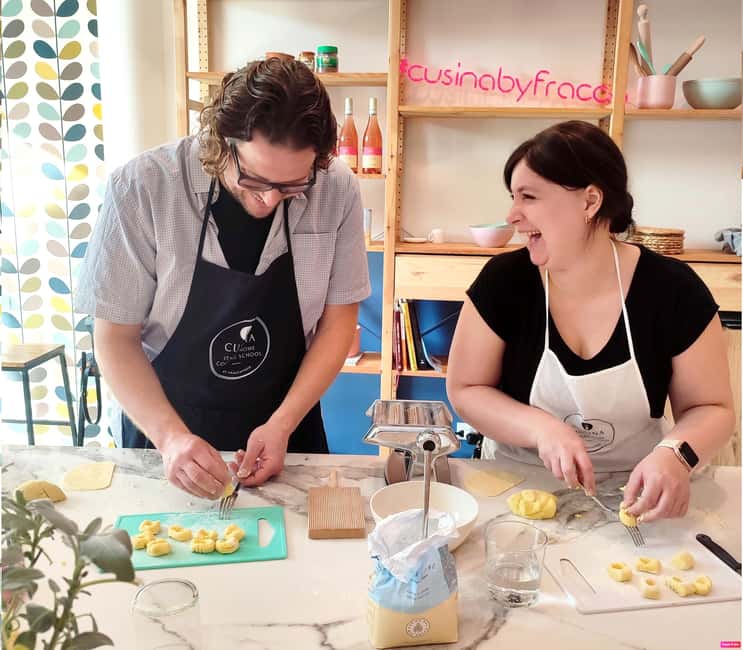
Lazise sits on Lake Garda, in Italy’s Veneto region, which makes it a smart base for a cooking class because you’re not stuck traveling across half the country. You’re close to the lake vibe, yet the experience itself feels “local” in a way that’s hard to fake.
The meeting point is simple to find: walk down Corso Cangrande from the main road, then look right at the beginning of the road for Cusina by Fracca. One useful tip from how people describe the area: there’s a bus stop nearby, which can make it easier if you’re not driving. Still, you should plan on handling getting there yourself since transportation isn’t included.
What you’re really paying for here isn’t a view or a stage—it’s focused time with pasta dough. And in a place like Lazise, that means you can squeeze in a high-value activity without losing a whole day to transit. After class, you’ll have that immediate “I did this” satisfaction—and you won’t have to rely on restaurant luck for the best meal of the day.
Choosing Your Session: Long Pasta or Short Pasta With Tiramisù
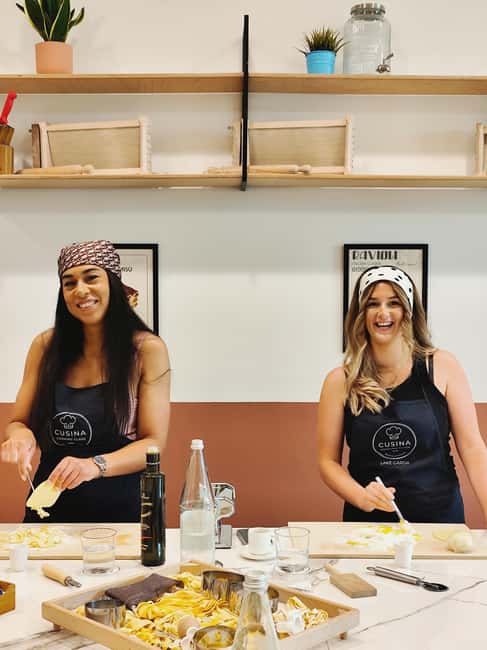
This class runs on a schedule that makes choosing easy. Long pasta and tiramisù happens Monday, Wednesday, and Friday. Short pasta and tiramisù happens Tuesday, Thursday, and Saturday.
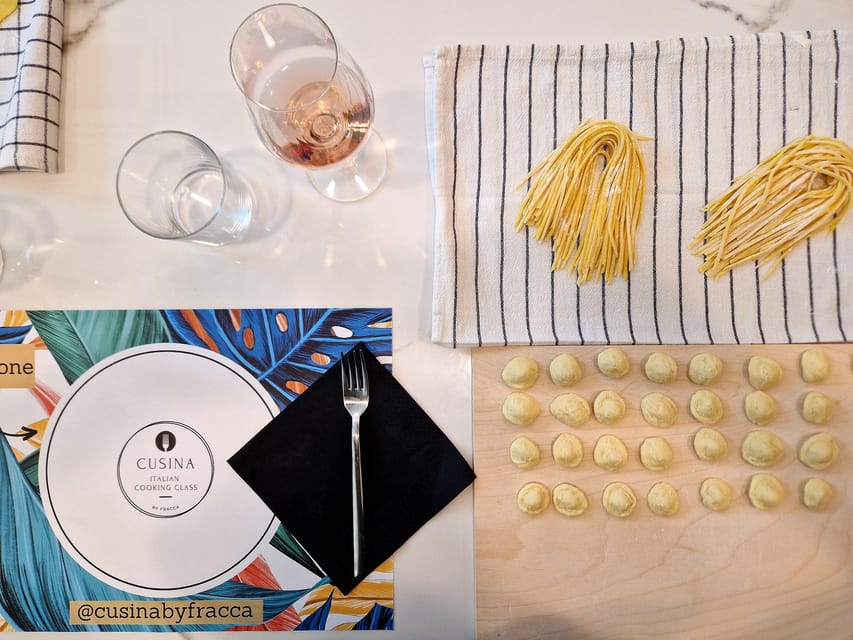
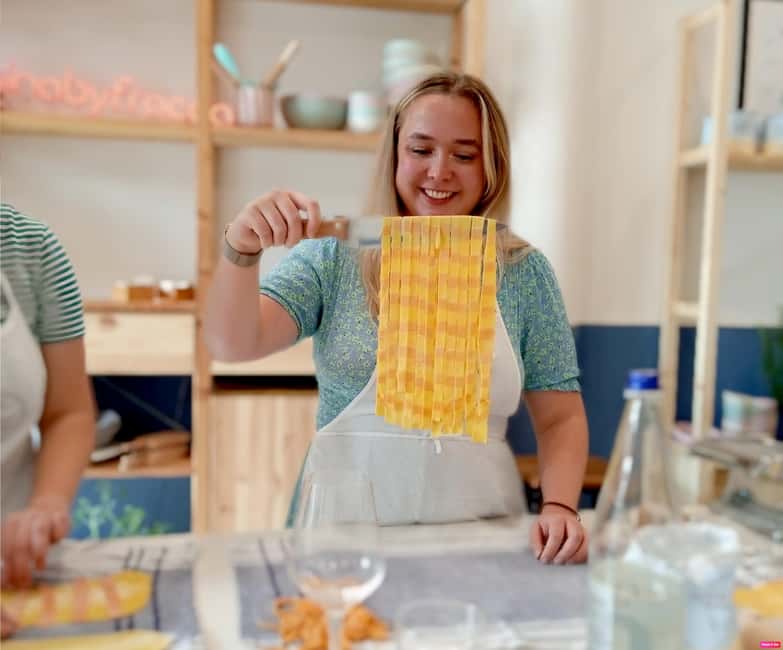
If you want long shapes, you’ll work on a course that centers on spaghetti and tagliatelle, plus tiramisù. If you prefer shorter pasta, the short pasta track focuses on maccheroni and farfalle, plus tiramisù. Either way, you’re learning how to make dough from scratch and then roll and shape it—so you’re not just making one simple form and calling it a day.
A smart move: pick based on what you actually like eating at home. Long pasta shapes like tagliatelle tend to feel a bit more “restaurant classic,” while farfalle and maccheroni can be more playful and versatile. Either choice still lands you on tiramisù, which is one of those desserts you can’t really fake—so it’s a great anchor for the experience.
Also, keep an eye out for how sessions can vary. One guest mentioned a session theme that included ravioli with ricotta and spinach alongside farfalle. That’s a reminder that while the structure is consistent (fresh pasta plus tiramisù), the exact details can shift.
Inside Cusina by Fracca: What You’ll Do in the Kitchen
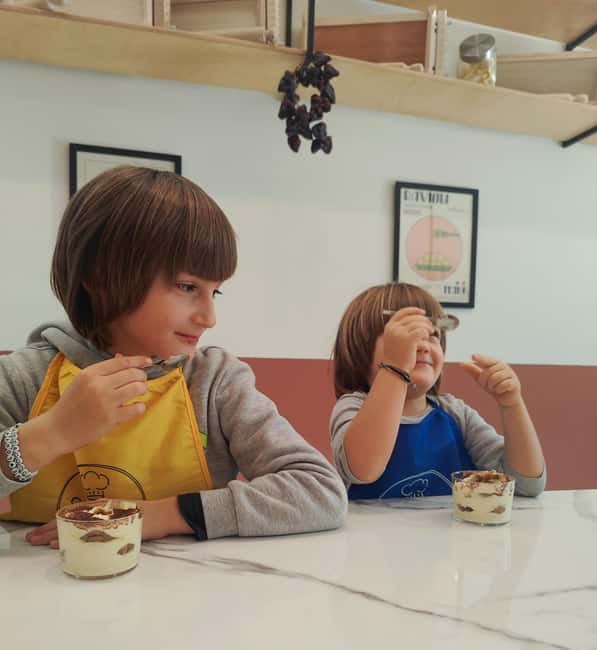
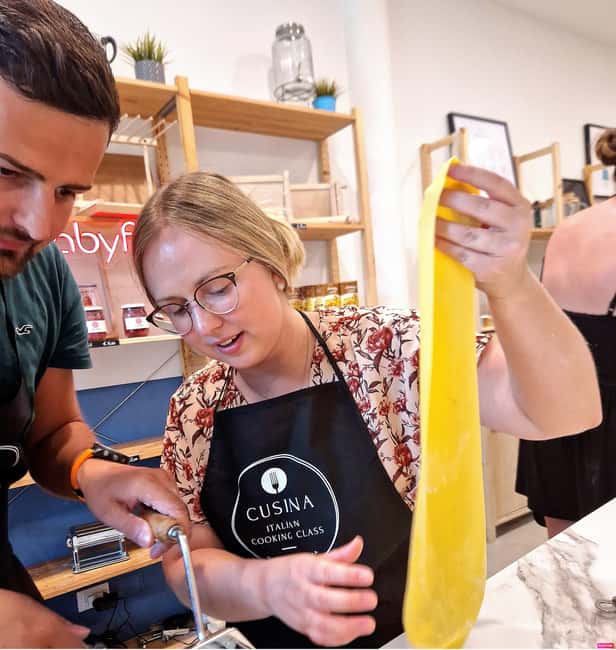
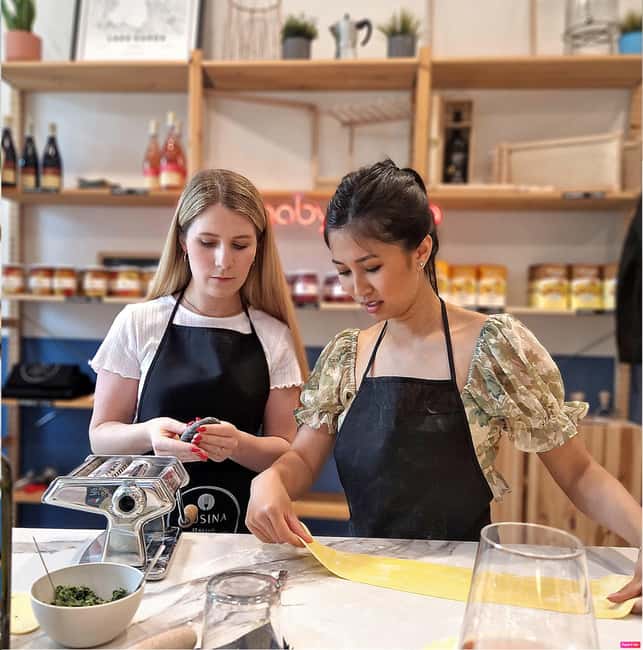
This is not a lecture. It’s a work-with-your-hands class in a clean, bright, modern kitchen space. The team uses equipment and tools designed for real learning, and the whole setup is organized so you don’t spend your limited time hunting for supplies.
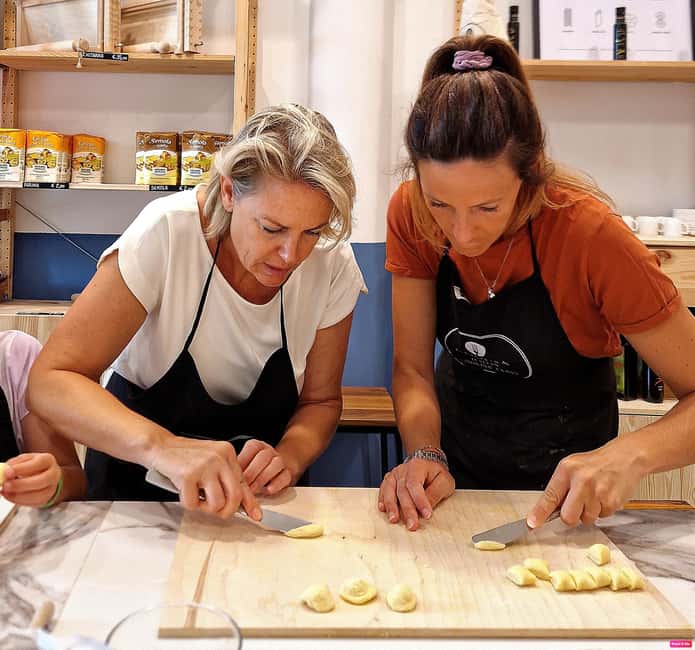
The teaching style matters. You get instructions in English, and the staff actively gives feedback as you knead and roll the dough. People talk about the vibe as friendly and welcoming, and the key point for you is that help is available when you get stuck. That’s huge if you don’t have a lot of experience with dough.
Here are the core skills you’ll pick up:
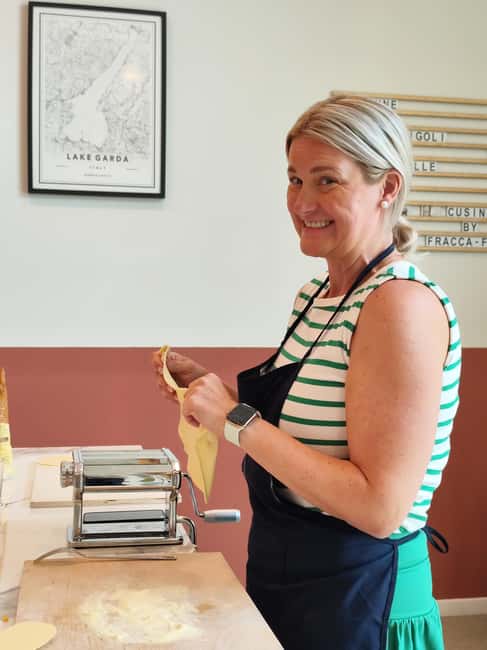
- How to work the dough so it becomes smooth enough to roll
- How to roll it out (and avoid common thickness problems)
- How different Italian flours behave, and why that matters for texture
- How to shape fresh pasta correctly for the specific type you’re making
And then there’s the moment that makes the class feel worth it: you sit down and eat what you made. In several accounts, the portion size is generous, and the alcohol is offered during the meal—so you get that Italy “slow down and eat” feeling while still having learned something tangible.
On top of dinner, you may also receive extra take-home items such as photos from the class, a certificate/diploma, and printed recipes. If you like recreating meals later, those details can be the difference between a fun day and a lasting skill.
The Dough-to-Plate Flow: From Mixing to Eating
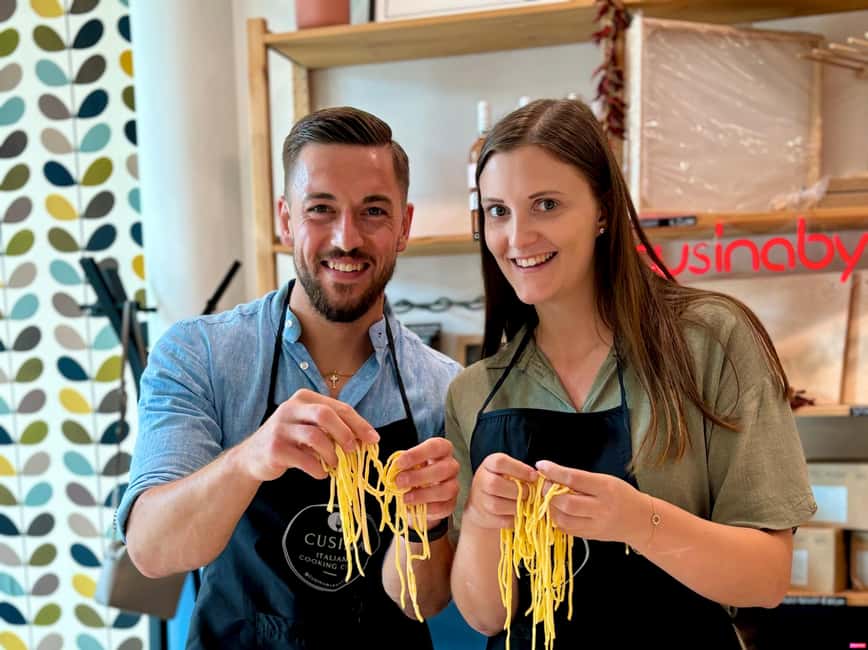
You’ll move through the class as a guided sequence: first learning the fundamentals, then applying them to your own dough and shapes. The instructors explain what to look for, then help you adjust as you work.
Because rolling pasta is physical, the class is paced to match real bodies—not TV bodies. You’re not just “trying something once,” you’re practicing a repeatable technique: kneading, rolling, and shaping for the pasta you chose.
A key difference between “cooking class” and “chef tutorial” is error correction. Here, you get feedback while you’re making your pasta, not after. That means you can actually feel the improvement as the dough comes together.
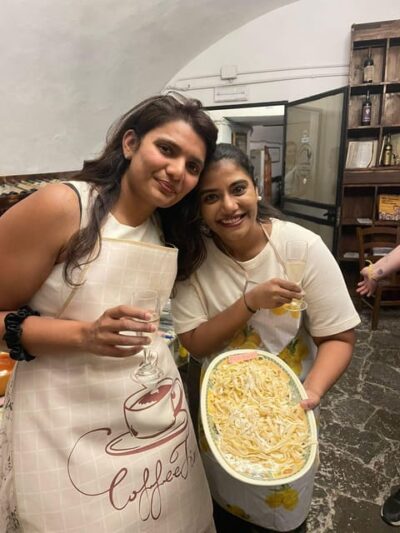
When it’s time to eat, you’re not watching someone else cook your meal. You get to enjoy your own pasta at the table. That final step also makes the wine feel integrated, not random. The class includes alcohol and bottled water, and the dinner pairing is built around local wines—so you’re tasting the pasta with the flavors it’s meant to go with.
Wine With Dinner: Bardolino Pairings and the Real Italy Feeling
A lot of cooking classes say wine is included. This one makes it a real part of the experience. You’ll have alcoholic beverages during the meal, and the pairing is tied to local territory wines.
Commonly mentioned wines include Bardolino Classico and Bardolino Chairetto. Guests also note rose and red options, which fits the Bardolino style people associate with Lake Garda.
Why that matters for you: when wine is paired with the meal you helped make, you start learning how food and drink interact instead of treating wine like a perk. You can taste the difference that proper pairings make with tomato-based sauces and richer pasta flavors.
Also, if you’re coming with friends, wine can turn a learning session into a social one. Multiple accounts mention an upbeat atmosphere with laughs and conversation. Just remember: it’s not a “sip once” situation. The inclusion is a big part of the vibe.
Price and Value: What You Get for $93 in Lazise
At $93 per person for a 3-hour experience, the value depends on what you want from the day. If you’re looking for a quick attraction, it may feel expensive. If you want a skill-based activity plus a meal and wine, it’s priced like a full package.
Here’s what’s included:
- Instructor and hands-on teaching
- Cooking equipment and an apron
- Alcoholic beverages and bottled water
- Lunch or dinner
That mix is the key. You’re not just paying for ingredients—you’re paying for guidance, feedback, and the structured time to learn. And you’re not walking away hungry or needing a restaurant plan. The meal is part of the session, paired with local wine.
On top of that, the “memory extras” add value. Several people mention takeaways like photos, a certificate/diploma, and recipes. There are also mentions of taking leftovers home, which is a nice bonus if you want to extend the experience beyond dinner.
So my practical take: if you’ll actually cook pasta at home even once, this class pays you back. You’ll leave knowing the dough basics and how to shape pasta more confidently.
Who This Class Is Best For (And Who Should Skip It)
This works well for couples, groups of friends, and families. The class is taught in English, and the instruction style is described as clear and easy to follow, with staff support when needed.
Age-wise, it’s not for children under 4. But it does sound family-friendly for kids old enough to sit and participate—people reported bringing children around elementary-school age and having a good time. If you’re traveling with teens, it can also land well because it’s hands-on and results in food you can share right away.
You should strongly consider booking if:
- You love pasta and want more than a restaurant meal
- You want a fun activity that still teaches real technique
- You’re going with people who enjoy food and conversation, not just sightseeing
You might think twice if:
- You hate getting your hands messy (flour dough happens)
- You mainly want quiet time and minimal interaction
- You’re relying on someone else for transportation, because you’ll need to reach the meeting point yourself
Practical Tips That Make Your 3 Hours Easier
These are small things, but they help you get more out of the class:
- Wear clothes you don’t mind getting flour on. Pasta dough is messy in the best way.
- Tie back long hair.
- Go in with a clear choice mindset: long pasta if you love spaghetti/tagliatelle energy; short pasta if maccheroni/farfalle appeals more.
- If you have intolerances or allergies, tell the provider when you book. The class asks you to inform them in advance.
- Since alcohol is included, pace yourself if you’re also doing other Lake Garda activities afterward.
Also, ask questions during the instruction parts. That’s when you’ll pick up the “why” behind the dough, like how different flours affect texture. It turns the class from a one-time event into a skill you can repeat.
Should You Book? My Quick Decision Guide
I’d book this Lazise pasta and tiramisù class if you want a high-value day that mixes technique, local wine, and a meal you help make. The biggest strength is the combination: knead-and-roll teaching plus real dinner with Bardolino wines, not just a demo.
Skip it (or at least reconsider) if transportation to the meeting point is a dealbreaker for you, or if you’re looking for a purely sightseeing experience. And if you’re very sensitive to alcohol or only drink rarely, be aware that alcoholic beverages are included as part of the meal flow.
Otherwise, this is the kind of activity that leaves you with both a full belly and a new habit for home cooking.
FAQ
How long is the Lazise fresh pasta and tiramisù class?
The class lasts 3 hours.
What pasta will I make?
You can choose a course for long pasta (spaghetti and tagliatelle) with tiramisù or a course for short pasta (maccheroni and farfalle) with tiramisù. Some sessions may include other pasta variations.
Are wine and dinner included?
Yes. The class includes alcoholic beverages and bottled water, plus a lunch or dinner that you eat as part of the experience.
Is the class taught in English?
Yes, the instructor teaches in English.
What do I need to tell the provider before booking?
If you have any intolerances or allergies, you should inform the activity provider while booking.
Is it suitable for young children?
It is not suitable for children under 4 years old.