REVIEW · BOLOGNA
Bologna Local Pasta Cooking Class, Ragu, Spritz, Wine & Gelato
Book on Viator →Operated by Tours and the City · Bookable on Viator
Fresh pasta feels like a cheat code in Bologna. You’ll learn hand-rolled tagliatelle and build the meal around a proper Bolognese ragù in a relaxed, local kitchen.
I also love the food-and-drink rhythm. You start with a Bologna aperitivo, then make a Casoni spritz using regional herbs, and finish with coffee, amaro, and gelato; one thing to note is that the ragù itself isn’t cooked from scratch during the class time, even though it’s 100% homemade.
In This Review
- Key things that make this class worth your time
- Bologna’s local pasta class: what you’re really signing up for
- Why the small group matters in practice
- Where you meet and how the 3-hour flow is paced
- The aperitivo start: Pignoletto and local bites before the work
- Casoni spritz in a Bologna-kitchen way
- Handmaking tagliatelle: dough, rolling, and cutting without machines
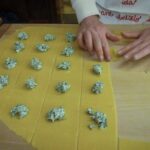
- What happens after you cut the pasta
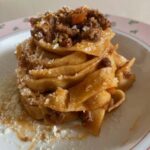
- The homemade ragù and Parmigiano pairing
- The red wine meal moment: San Giovese with your pasta
- Dessert and finishing drinks: coffee, amaro, and mystery gelato
- Recipes you can actually use later
- Price and value: what $59.26 buys you in real terms
- Who this class is best for (and the few reasons not to)
- Best for
- Considerations
- Should you book the Bologna Local Pasta Cooking Class?
- FAQ
- Where does the class start?
- How long is the Bologna pasta cooking class?
- What language is the class offered in?
- What do you make during the class?
- Is the ragù cooked from scratch in the class?
- Can you accommodate gluten-free pasta or vegetarian sauces?
- Are children welcome?
- How big is the group?
- Are recipes provided after the class?
Key things that make this class worth your time
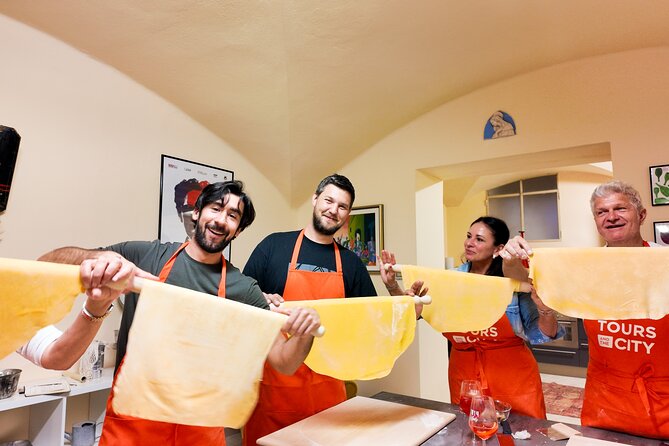
- Small group cooking (up to 13, often around 10) so you actually get your hands involved
- Handmaking tagliatelle without machines so you go home with real muscle memory
- Casoni spritz lesson tied to Emilia-Romagna flavors, not a generic bar formula
- Multiple wine + aperitivo moments paired alongside what you’re making and eating
- Parmigiano Reggiano aged 24 months included with the tagliatelle and ragù
Bologna’s local pasta class: what you’re really signing up for
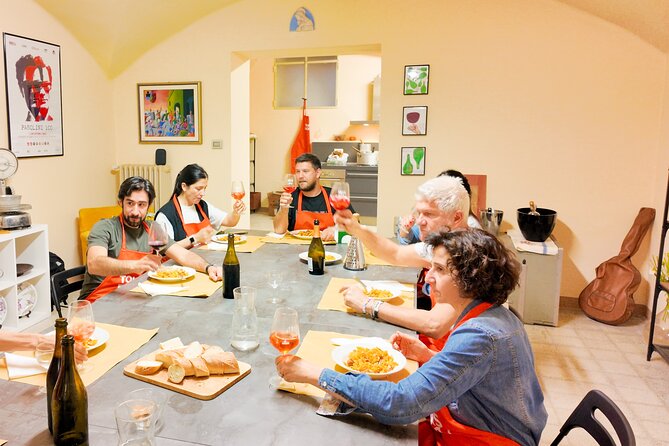
This isn’t a “watch someone else cook” experience. The point is that you leave knowing how to make fresh pasta dough, shape it, and turn it into a meal that tastes like Bologna takes itself seriously.
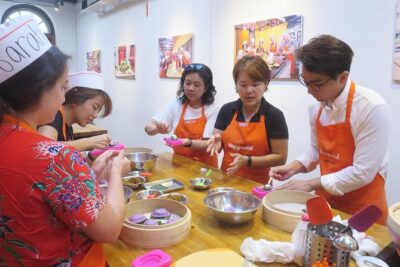
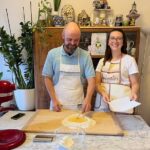
You’ll be in a small group, and the class is built around real steps: an aperitivo to start, spritz-making while you’re still social, then the pasta work when your hands are ready. One of the best parts is that it feels like a home kitchen night out, not a performance.
You can also read our reviews of more tours and experiences in Bologna.
Why the small group matters in practice
When you’re limited to a small number of people, you get quick help. That matters for pasta dough, where a little too much flour or a too-tough roll can change everything. It also matters for spritz, where you’re learning proportions and flavor choices, not just stirring.
It’s also a nice format if you’re traveling solo. You’re not stuck listening to a group while you wait your turn.
Where you meet and how the 3-hour flow is paced
You’ll start in central Bologna at Piazza Galileo Galilei and return there when the activity ends. The location is near public transportation, and you’ll get a mobile ticket.
The schedule is roughly three hours, and the pacing is set up so you’re not spending all your time standing at a counter. Expect a steady sequence:
- aperitivo to meet your group and settle in
- spritz-making
- hands-on tagliatelle from dough to cutting
- cooking, then eating everything together
One practical note: the class includes multiple food and drink moments, so plan to show up ready to eat. This is not a snack-only tour.
The aperitivo start: Pignoletto and local bites before the work
The experience opens with a welcome drink and small local foods. In the menu you’ll see Pignoletto (a local white wine) paired with Mortadella and piadina-style bites, plus the aperitivo setup (including Mortadella, Crescenta, and Pignoletto as described in the experience).
Why I like this start for you: it gets everyone talking before you’re elbow-deep in dough. It also sets expectations that the class is about Emilia-Romagna flavor, not generic Italian tourist food.
If you’re a wine person, pay attention during this part. You’ll be moving from a light local white into spritz flavors and then later into red wine with your pasta.
Casoni spritz in a Bologna-kitchen way
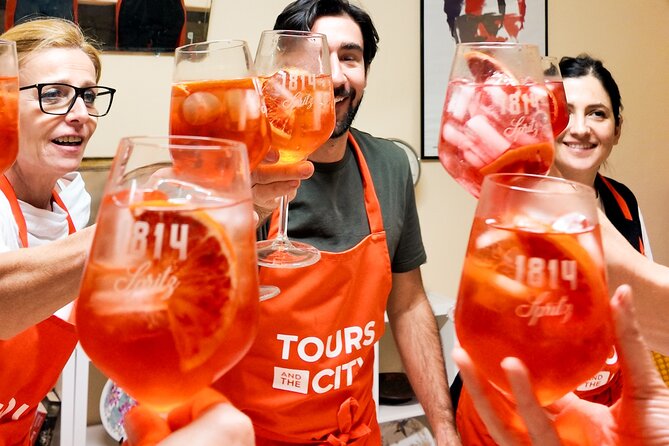
Next comes the cocktail lesson: making a Casoni spritz, an Emilia-Romagna region variation that uses local herbs and a traditional recipe approach. You’ll learn how to make it as part of the group, not as a demo.
This is one of the most praised sections, because it’s both social and practical. Several past classes mention tastings that compare spritz styles (for example, tasting differences between Campari spritz and Aperol spritz while cooking). Even if your specific tasting varies with the flow, the core idea stays the same: you learn what makes a spritz taste like it belongs in this region.
And yes, you get to drink what you make. The class is designed as a proper meal arc, not a dry lesson.
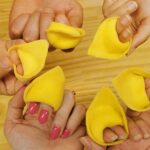
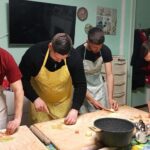
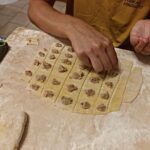
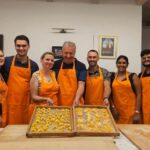
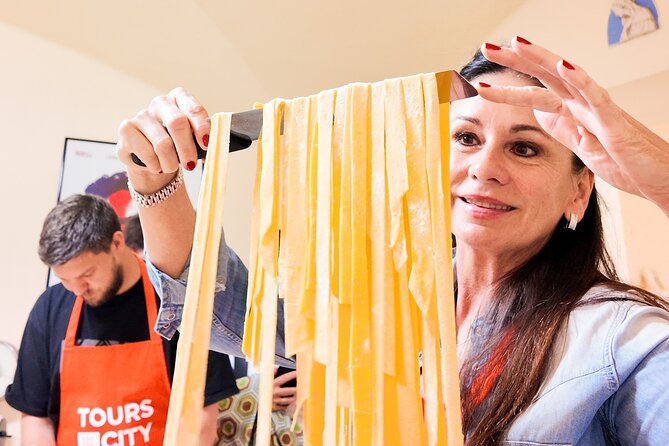
Handmaking tagliatelle: dough, rolling, and cutting without machines
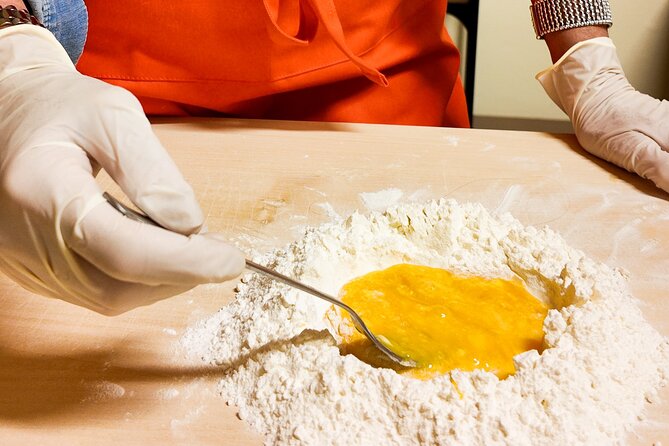
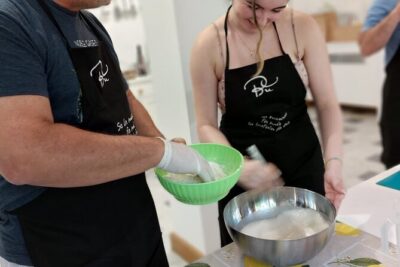
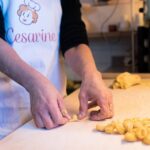
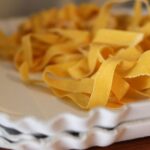
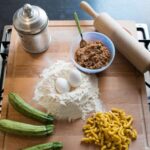
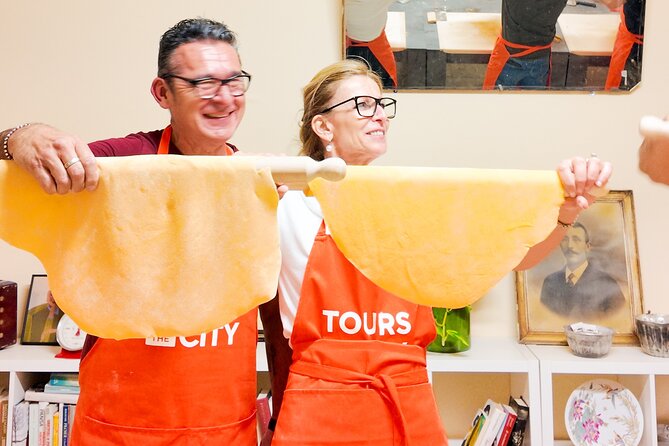
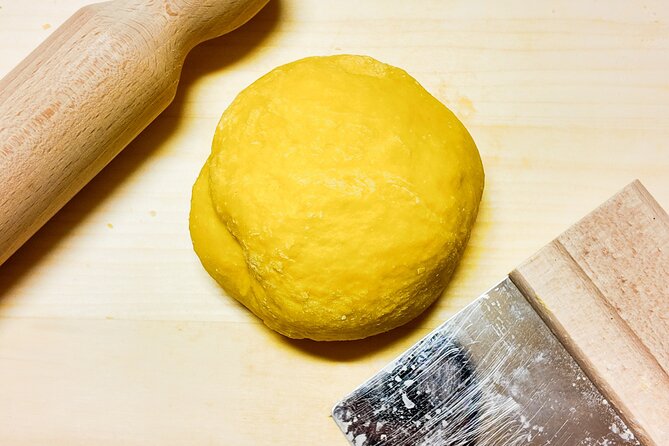
Now the work begins: you make pasta dough by hand. This class avoids machines, so you roll with your own strength and timing. You mix flour and eggs, roll out the dough, and then cut tagliatelle.
Why this matters for value: dried pasta is one thing; fresh pasta is another game. You’ll learn how pasta dough should feel as you go, and how thin (or not) your rolling needs to be so the cut strands cook well.
From the many five-star notes, a recurring theme is that the teachers guide you through the steps so beginners can get results. Names that show up often in feedback include Sonia and Stella, and also pairs like Stefania and Claudia, plus Valentina and Stefania. Whoever teaches your session, the format is consistent: step-by-step coaching plus encouragement when your hands hit a rough patch.
What happens after you cut the pasta
The timing is important. The class notes say the ragù is already handled from the start (the ragù preparation isn’t included during the limited class time), but you’ll still do the pasta work that matters. Once the pasta is dry enough, you’ll cook it together, then combine with ragù and cheese.
The homemade ragù and Parmigiano pairing
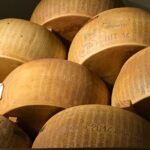
Here’s where Bologna kicks in. Your pasta is paired with a house-made ragù, and you’ll use Parmigiano Reggiano aged 24 months.
A key consideration: the experience states that ragù preparation isn’t included in the class due to limited time. That can sound like a drawback if you’re expecting a full-from-scratch meat sauce lesson. But the upside is that you still get the final product experience the class is built around, and you get to focus your effort on the pasta mechanics and how to build the finished dish.
In practice, you’ll taste the difference between mass-produced “pasta sauce” and a real homemade ragù moment because it hits the plate at the right time with fresh tagliatelle.
The red wine meal moment: San Giovese with your pasta
When it’s time to eat, your tagliatelle with ragù and Parmigiano is accompanied by local red wine: San Giovese. This matters because Bologna cooking isn’t just about the cooking step; it’s about how the meal hangs together.
You’ll sit down as a group and share what you made. Many reviews highlight the overall vibe as relaxed and fun, with enough food and drinks that it feels like a real evening out.
Also, one “watch this” detail: some past groups mention leaving with leftover pasta to cook at home. That isn’t guaranteed in the written menu, but it’s a nice sign that the class often makes extra so you can keep the pasta skill going.
Dessert and finishing drinks: coffee, amaro, and mystery gelato
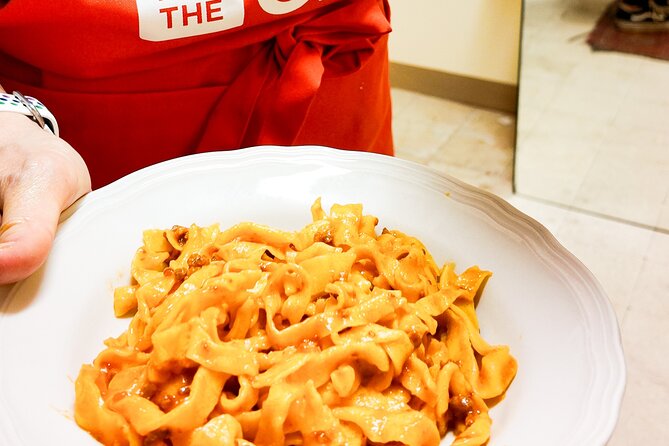
Every Italian meal needs a proper ending, and this one delivers. The finish includes:
- coffee
- amaro
- mystery gelato
That last part is playful, but it also ties back to value: you’re not just getting one sweet bite. You’re getting the whole ritual. One specific detail that shows up in feedback is gelato paired with a drizzle of aged balsamic vinegar from Modena, which is a very Emilia-Romagna–friendly flavor move.
If you’ve never tried amaro, this is a low-pressure introduction. You’ll likely understand it better after the savory course, when bitter-sweet herbal notes make more sense.
Recipes you can actually use later
You can request email PDFs of the recipes. That’s the practical part: not just tasting, but taking the method home so you can recreate the tagliatelle and spritz without guessing.
Price and value: what $59.26 buys you in real terms
At $59.26 per person for about three hours, you’re paying for more than a cooking lesson. You’re paying for:
- hands-on pasta instruction (no machine)
- a region-specific spritz lesson
- aperitivo starters with local wine
- your finished tagliatelle meal with ragù and aged cheese
- red wine with the main
- coffee, amaro, and gelato
In other words, you’re not just buying a skill class; you’re buying a full food night with multiple drink moments. Reviews consistently call out how generous the amounts feel and how much you eat.
It’s also booked in advance fairly often (about 27 days on average), so if your dates are fixed, it’s smart to reserve early.
Who this class is best for (and the few reasons not to)
This is a strong fit if you want a Bologna meal that goes beyond tourist menus. You’ll learn skills you can repeat, but you’ll also get a structured, enjoyable evening with drinks and food.
Best for
- first-timers who want real guidance for pasta dough
- couples and friends who want a shared cooking project
- solo travelers who like meeting people while eating
- food-and-drink travelers who care about Emilia-Romagna flavors
Considerations
- If you’re hoping to cook the ragù itself from scratch, you won’t do that here. The sauce is homemade, but the preparation step isn’t part of the limited class time.
- If you have severe allergies or strict dietary restrictions, this may be a problem. The class can accommodate gluten-free pasta and vegetarian sauces, but it may not suit severe allergy needs. If you fall into that category, message ahead and confirm fit.
Should you book the Bologna Local Pasta Cooking Class?
Yes, I think you should book it if your goal is a real Bologna-style food night with hands-on pasta skills, a regional spritz lesson, and a full meal ending with coffee, amaro, and gelato.
You’ll especially like it if you want to come away with something usable at home: fresh pasta technique plus a spritz recipe approach you can actually repeat. The only reason to pause is if you only want to learn sauce-making from scratch, or if your dietary needs are severe enough that you can’t count on the basic accommodation notes.
If you’re on the fence, this is one of those tours where the format is the selling point: small group, hands-on steps, and enough eating that the whole thing feels like dinner with friends, just with better noodles.
FAQ
Where does the class start?
The meeting point is Piazza Galileo Galilei, Bologna, and the tour ends back at the same meeting point.
How long is the Bologna pasta cooking class?
It runs for about 3 hours.
What language is the class offered in?
The experience is offered in English.
What do you make during the class?
You make tagliatelle pasta by hand and you learn to prepare a Casoni spritz. You also enjoy your tagliatelle with homemade ragù and Parmigiano Reggiano.
Is the ragù cooked from scratch in the class?
No. The ragù preparation is not included due to limited time, but the ragù served with your pasta is stated to be 100% homemade.
Can you accommodate gluten-free pasta or vegetarian sauces?
Yes. The experience can accommodate gluten-free pasta and vegetarian sauces, but it may not be suitable for people with severe allergies or strict dietary requirements.
Are children welcome?
Yes, children are welcome, but the menu and experience are designed for adult participation.
How big is the group?
The experience has a maximum of 13 travelers, and it’s promoted as a limited small group (about 10 people).
Are recipes provided after the class?
Yes. All recipes can be delivered to you by email as PDFs upon request.