REVIEW · BOLOGNA
Bologna: Pasta Tagliatelle Ragu Cooking Class with Spritz
Book on GetYourGuide →Operated by Tours and the City · Bookable on GetYourGuide
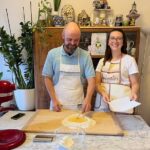
Fresh pasta and spritz in Bologna sounds fun for a reason. This 3-hour class turns tagliatelle al ragù into a hands-on, social afternoon, starting with a Mortadella aperitivo and ending with coffee and amaro. It’s taught in English in a city-center kitchen, with a pasta master (a sfoglina) guiding you.
I love that you roll, shape, slice, and cook your own fresh tagliatelle from scratch, with no pasta machine. I also love the drink plan: you start with a welcome aperitif, mix your own Casoni spritz, and sit down with regional wine while your pasta cooks.
One consideration: you don’t prepare the ragù yourself. It’s made in advance to keep everything on time, so you’re focused on the pasta craft rather than the sauce.
In This Review
- Key Things I’d Watch For
- Fresh Tagliatelle and Casoni Spritz: What the 3 Hours Feel Like
- The Welcome Aperitif: Mortadella, Crescenta, and Pignoletto
- Rolling Dough by Hand with a Bologna Sfoglina
- Casoni Spritz: Mixing a Bologna-Style Herb Cocktail
- Tagliatelle Meets Ragù: What You Do and What You Don’t
- Wine Pairing and the 24-Month Parmigiano Moment
- Finish Like an Italian: Montenegro, Moka Coffee, and Amaro
- Price and Value: Is $79.64 Worth It?
- Who Should Book This Bologna Class (and Who Should Skip)
- Quick Practical Tips Before You Go
- Should You Book This Bologna Class for Tagliatelle and Spritz?
- FAQ
- What will I learn to make in the class?
- Is the class vegetarian or vegan friendly?
- What drinks are included?
- How long is the experience and is it in English?
- Where do we meet?
- Can I cancel for a refund?
Key Things I’d Watch For
- Mortadella aperitivo + Pignoletto kick things off and help everyone mingle fast
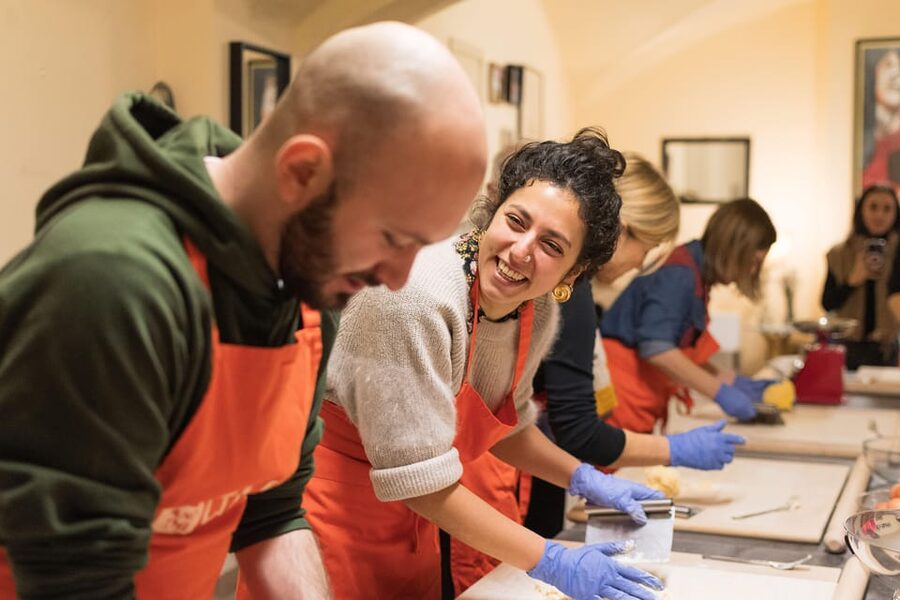
- Hands-only tagliatelle: dough from scratch, then rolling pin + cutting
- Your own Casoni spritz is part class activity, part reward
- House-made ragù is pre-prepared, so you’ll master the pasta, not the sauce
- 24-month Parmigiano Reggiano lands right on your finished plate
- Montenegro and Moka coffee + amaro gives the meal a proper Italian closer
Fresh Tagliatelle and Casoni Spritz: What the 3 Hours Feel Like
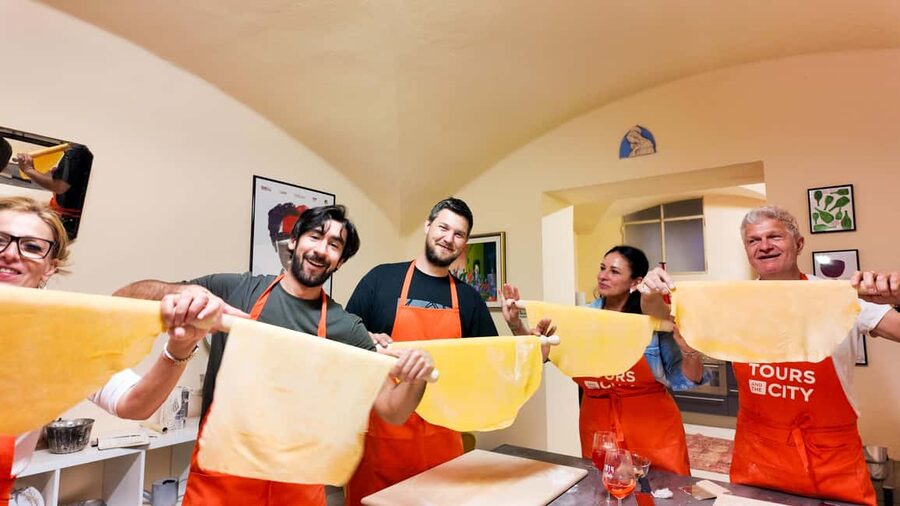
This is the kind of Bologna experience that hits two sweet spots at once: real food skill and real-time fun. In about three hours, you go from standing outside the building to escorted inside by your guide, then into a traditional kitchen rhythm—aperitivo first, then pasta work, then eating together.
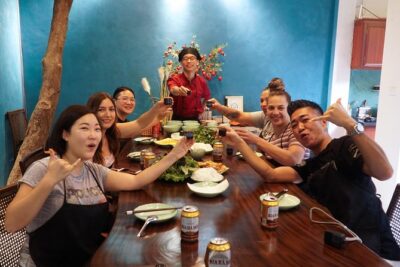
The structure matters. You’re not spending your whole time watching or hovering. You’re hands-on with the dough, you’re mixing a spritz, and you’re eating the results with local wines. If you’re the type who likes to do something with your hands on a trip—this one fits.
Timing is tight in a good way. It’s built to keep the group moving, which is why the ragù is prepared in advance. In other words: you still get a truly Bolognese plate, but the class is optimized for pasta technique.
You can also read our reviews of more tours and experiences in Bologna.

The Welcome Aperitif: Mortadella, Crescenta, and Pignoletto
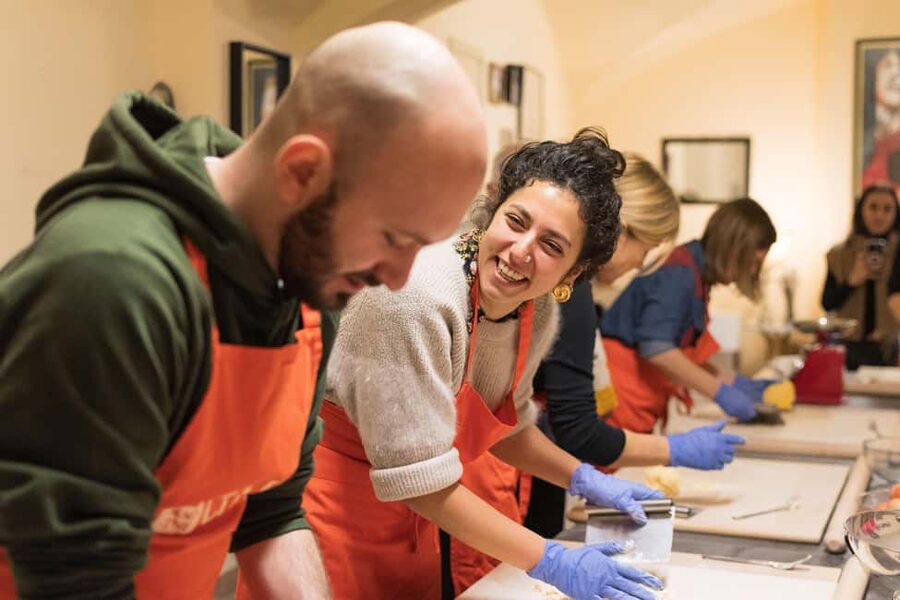
Bologna starts with food culture, not lecture. Before you even touch dough, you get a welcome aperitif featuring Mortadella and other local bites, along with glasses of Pignoletto sparkling white wine. Crescenta is part of that first spread, which is a nice reminder that aperitivo in Emilia-Romagna is more than just a drink.
This opening does two practical things for you:
- It makes the class feel like a shared meal, not a workshop.
- It helps you meet the other people in your group right away, so the rest of the session feels relaxed.
It also gives you a quick sensory map of the region. Mortadella is iconic here for a reason—fattiness, perfume, and a salty-smooth taste that pairs well with the bright fizz of sparkling white wine.
Rolling Dough by Hand with a Bologna Sfoglina
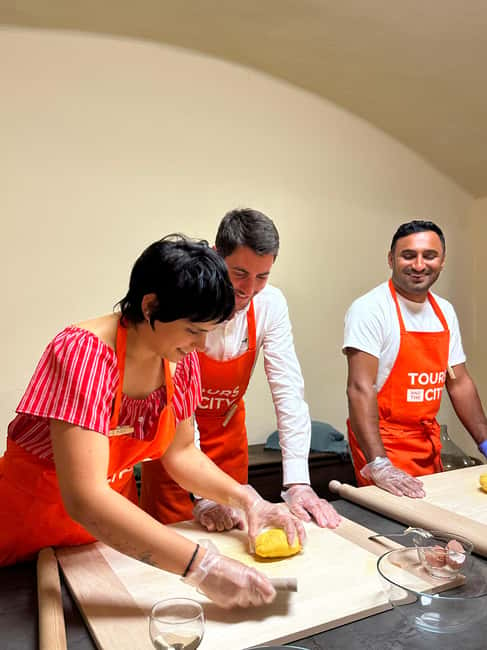
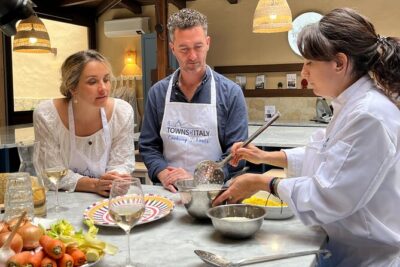
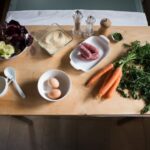
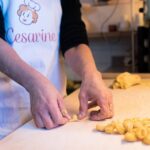
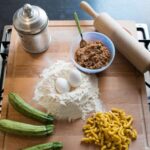
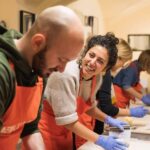
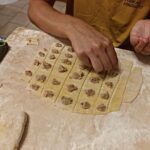
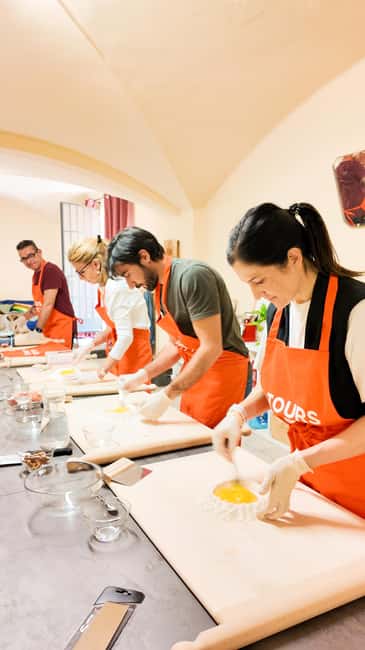
Now for the main event: fresh pasta. A local sfoglina—a pasta master—teaches you how to make tagliatelle the old-school way. You start with dough made from locally used ingredients, including fresh eggs and flour.
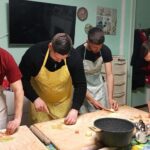
No machines. That’s the best part. You learn the workflow with a rolling pin and your hands:
- knead and work the dough until it feels right
- roll it out
- shape it into sheets
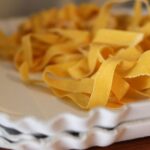
- slice into tagliatelle-style ribbons
- then cook it
For first-timers, this is where the class earns its near-perfect reputation. The staff-led approach keeps you from getting stuck. You get clear guidance when you’re trying to roll dough evenly or keep the sheets workable.
What to wear: comfortable clothes and comfortable shoes. The class is in a kitchen setting, and you’ll be standing while rolling and cutting. Also, plan to stay a little dusted in flour—fresh pasta is messy in a way that’s part of the charm.
Casoni Spritz: Mixing a Bologna-Style Herb Cocktail
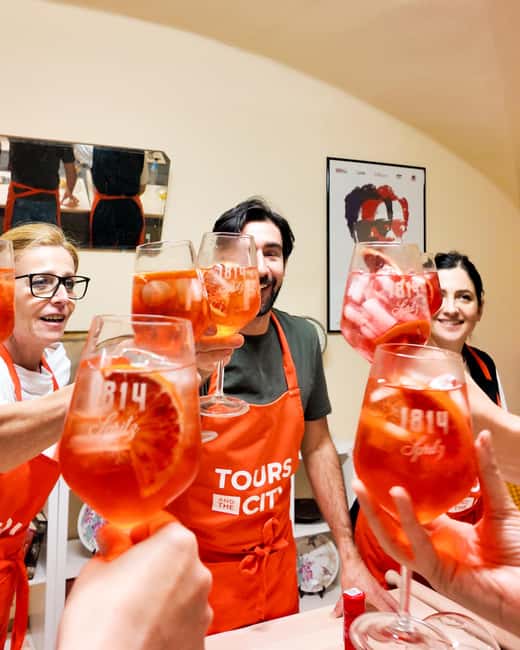
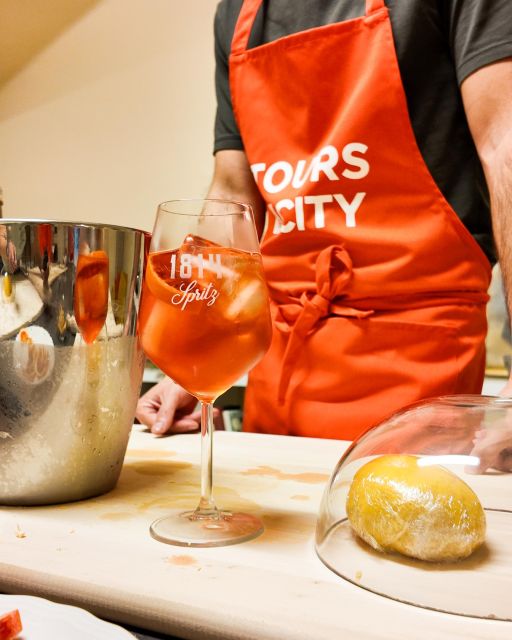
Between pasta steps, you make and sip your own Casoni spritz. This isn’t a random add-on. It’s a signature cocktail infused with local herbs, prepared using age-old recipes—so it tastes like Bologna, not like a copy-paste bar drink.
You’ll mix it yourself during the class, then enjoy it throughout while you wait for the pasta to come together. That pacing matters because pasta timing can be fussy. Having the spritz keeps the mood light while your dough work turns into a cooked meal.
A practical note: spritz culture can sneak up on you if you’re not used to sipping over time. If you want to pace yourself, lean on the unlimited water and soft drinks option so you can keep things comfortable.
Tagliatelle Meets Ragù: What You Do and What You Don’t
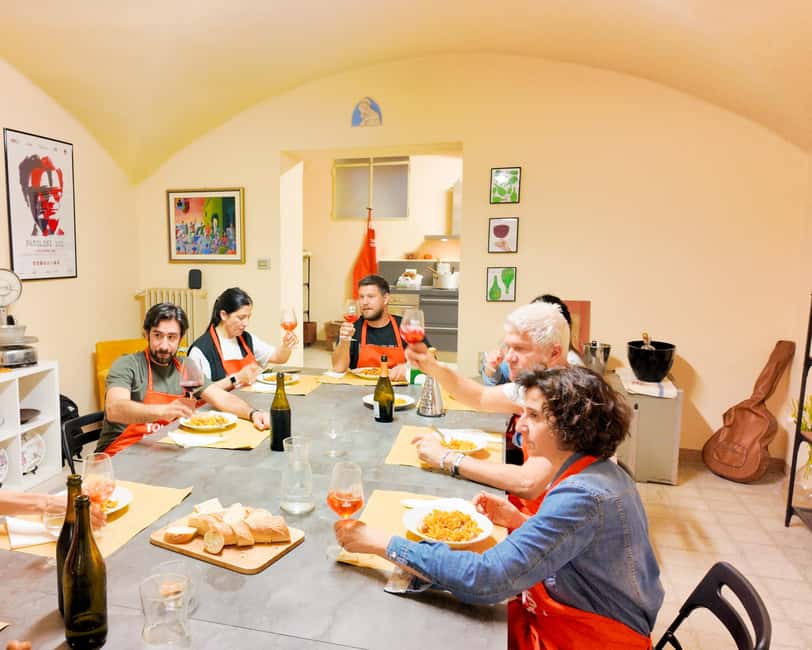
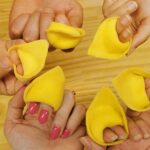
Here’s the part to understand clearly. You do shape and cook your own tagliatelle. But you don’t prepare the ragù from scratch during the class.
Because of time constraints, the ragù is crafted in advance as a house-made component. It’s made with care weekly and aligned with family tradition. That means you still taste an authentic Bolognese ragu on your plate. It just isn’t a “watch then simmer all day” kind of lesson.
This approach is actually smart for most travelers. Fresh pasta is already a hands-on skill with kneading, rolling, and cutting. Trying to add full ragù preparation in the same 3 hours would turn the class into chaos. Instead, you leave with something useful: the pasta method you can repeat at home.
You’ll also likely hear practical tips on ragù and how it differs from other sauces in the region. One of the biggest takeaways from guided sessions like this is learning how Bolognese flavors work as a system, not just a topping.
Wine Pairing and the 24-Month Parmigiano Moment
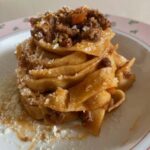
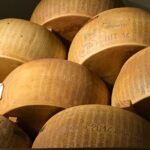
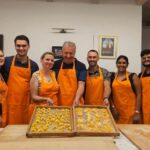
Once your tagliatelle is ready, the class shifts into the sit-down phase. You toast with local Sangiovese red wine and then eat your pasta with house-made ragù, topped with 24-month-aged Parmigiano Reggiano.
This part is more than a flourish. The wine and cheese help you understand why Bologna is proud of its ingredients:
- Aged Parmigiano brings deep, nutty savor and a salty snap.
- Sangiovese’s structure plays well with the richness of ragù.
- The overall meal becomes a balanced, regional combo rather than just a plate of pasta.
Also, watch for the texture of your finished tagliatelle. When it’s done right, it’s not chewy like dry pasta. It should feel tender and just springy enough to hold sauce. That’s the payoff for all the rolling and cutting work.
Finish Like an Italian: Montenegro, Moka Coffee, and Amaro
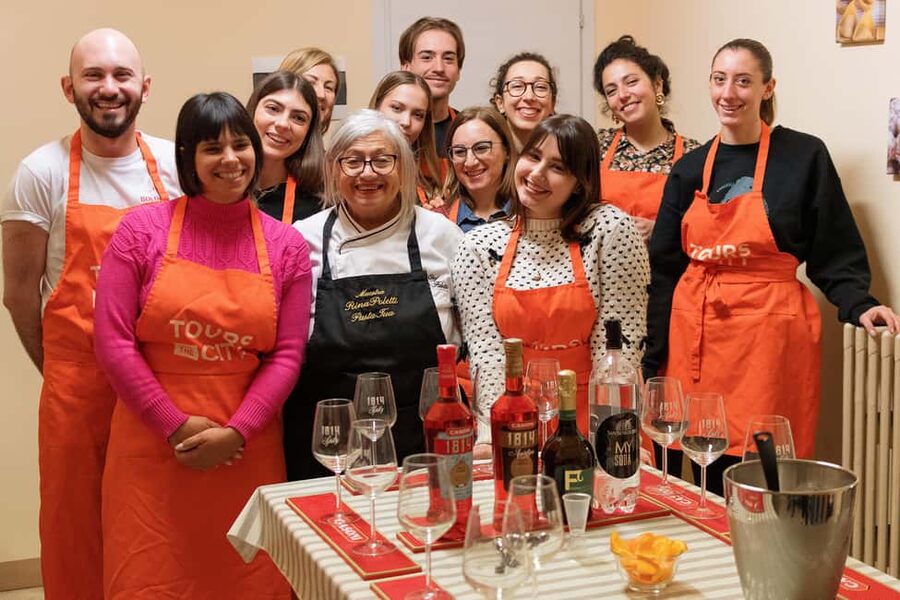
The ending is pure Italy: a coffee-and-digestif closer that turns your class meal into an actual post-meal ritual. You get Montenegro along with Moka coffee, plus a digestif of amaro.
This is a good moment to slow down. You’ve worked for hours, you’ve handled dough, and now you get to taste the end result as it should be served. Coffee and digestifs also make the class feel complete, not like you “snacked and left.”
If you don’t usually drink amaro, you can still treat it as an interesting taste experience. It’s part of the culture of finishing a meal in this region, and the class puts it right on the timeline instead of forcing you to hunt it down later.
Price and Value: Is $79.64 Worth It?
At $79.64 per person for a 3-hour class, you’re paying for three things at once:
1) a guided pasta lesson you can’t easily DIY on your own without the right space and teaching
2) a multi-part food and drink program (aperitivo, cocktails, wine, coffee)
3) ingredients and instruction included, so you’re not turning it into extra shopping
If you were paying separately, the math adds up quickly. You’d still need a venue, an instructor, ingredients, and then you’d likely spend money on aperitivo drinks and a meal. Here, the cost is bundled: cocktails, local wine, coffee, unlimited water/soft drinks, plus recipes provided on request in PDF format.
The one “trade” is that ragù isn’t cooked by you on-site. But you still get the real result: your own tagliatelle paired with authentic house-made ragù and properly aged Parmigiano. For most people, that’s the best kind of value—skills plus the payoff meal.
Who Should Book This Bologna Class (and Who Should Skip)
This class is a strong fit if you:
- want an active cooking experience in Bologna, not a food tour with brief stops
- like social settings where you sit down together and eat what you made
- want to learn fresh pasta technique from someone who knows local standards
It’s also a nice option for groups. Many instructors in this style focus on keeping everyone included, which is a big deal when some people have never made pasta before.
But there are clear “no” cases based on the rules:
- Not suitable for vegans
- Not suitable for vegetarians
- Not suitable for people with gluten intolerance
- Not suitable for children under 12
- If you have serious mobility needs, note there’s a large flight of stairs, and the experience isn’t recommended
If you have allergies, you need to inform the organizers ahead of time, since they may not be able to host severe food allergies.
Quick Practical Tips Before You Go
A few small details will make your class smoother:
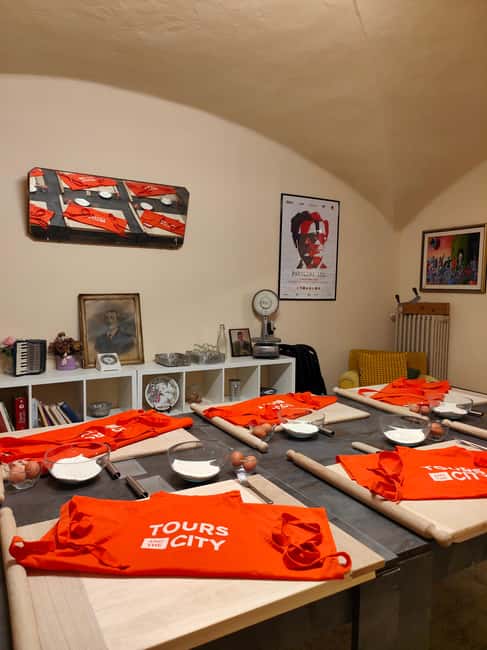
- Meet-up style: the guide escorts you inside from outside the building, wearing an orange apron. Plan to arrive a few minutes early so you can find them.
- Wear flour-friendly clothes: you’ll knead and roll. Comfortable shoes help because you’ll likely stand more than you expect.
- Think about pace: your spritz happens during the class, and you’ll also have wine with the meal. If you don’t want alcohol-heavy pacing, use water and soft drinks and sip slowly.
- Plan for take-home value: some experiences in this format include extra pasta to take home. If that matters to you, ask in advance what you can expect.
And if you want the recipes later, you can request them by email in PDF format.
Should You Book This Bologna Class for Tagliatelle and Spritz?
I’d book it if your idea of a great trip includes hands-on cooking, regional drinks, and sitting down to a meal that feels earned. The format is built for people who want something practical—fresh pasta skills—wrapped in a fun Bologna-style aperitivo-to-coffee flow.
Skip it (or search for a different option) if you specifically want to make the ragù from scratch during the class. This one focuses on pasta technique, and the ragù is prepared in advance to keep the session on track.
If you’re traveling to Bologna and want a memorable, skill-based food experience in a central setting, this is one of the easier yes-decisions.
FAQ
What will I learn to make in the class?
You’ll make tagliatelle from scratch, including shaping, slicing, and cooking it. You’ll also prepare your own Casoni spritz. The ragù is not prepared by you during the class.
Is the class vegetarian or vegan friendly?
No. The experience is not suitable for vegans or vegetarians.
What drinks are included?
You get a welcome aperitif with Mortadella and wine, plus glasses of Pignoletto sparkling white wine and Sangiovese red wine. You’ll also make and sip your own Casoni spritz, along with unlimited water and soft drinks.
How long is the experience and is it in English?
It lasts 3 hours, and the instructor teaches in English.
Where do we meet?
The guide comes outside the building to escort you inside and they wear an orange apron. The activity ends back at the meeting point.
Can I cancel for a refund?
Yes. You can cancel up to 24 hours in advance for a full refund.