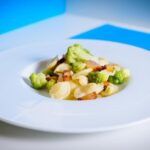
REVIEW · BARI
Bari: Pasta and Tiramisu Cooking Class with Wine
Book on GetYourGuide →Operated by The Roman Food Tour · Bookable on GetYourGuide
Flour and wine in Bari. In a short 3-hour class near Bari Vecchia, I love how you make fresh pasta and tiramisu with a real chef, then sit down to eat your work with drinks.
You’re not stuck watching from a distance, and the setup near Lungomare makes the evening feel tied to the city. One consideration: the traditional recipes include gluten, dairy, and eggs, and they can’t guarantee zero cross-contact for allergies.
In This Review
- Key details at a glance
- Meeting Ristorante Ceralacca: Easy Walks, Real Neighborhood Energy
- Prosecco Start and the Chef-Interpreter Flow
- Tiramisu From Scratch: Getting the Technique Right, Not Just the Dessert
- Fresh Pasta Hands-On: From Dough to Two Noodles You’ll Want to Repeat
- The Meal Moment: Wine, Prosecco, and Coffee or Limoncello
- What You Take Home: Recipes You Can Actually Use
- Price and Value: Is $69 Worth It?
- Who This Cooking Class Fits Best (And Who Should Skip It)
- Should You Book This Bari Pasta and Tiramisu Class?
- FAQ
- How long is the cooking class in Bari?
- Where do we meet for the class?
- Is the class taught in English?
- What drinks are included?
- Is the restaurant wheelchair accessible?
- Are vegetarian or other dietary options available?
- Can they accommodate allergies?
- Is this class suitable for kids?
Key details at a glance
- Hands-on fresh pasta and tiramisu using a traditional approach
- Prosecco welcome plus 3 glasses of local wine during the meal
- Family-run restaurant setting just minutes from Bari Vecchia and the seafront
- English instruction with a translator supporting clear steps throughout
- Take-home recipes so you can recreate the dishes after you get home
- Not for everyone: vegans, gluten intolerance, and lactose intolerance won’t fit this menu
Meeting Ristorante Ceralacca: Easy Walks, Real Neighborhood Energy
This class is based at Ristorante Ceralacca, and your guide meets you right in front of the restaurant. The location is practical: you’re about 500 meters from Bari Vecchia, a short walk to Teatro Petruzzelli, and close to Lungomare Araldo by the water.
What I like about choosing this kind of venue is the “nothing fancy, very Bari” feel. You’re not going to a hotel ballroom. You’re stepping into a family-owned restaurant near the beach, with the pace and smell that come with real cooking. That matters because fresh pasta and tiramisu aren’t just recipes here. They’re part of daily life, and the room supports that idea.
The class runs about 3 hours, so it fits nicely into a day with sightseeing. And because you’re close to the Old Town and the promenade, you can plan an easy before-and-after: a wander through Bari Vecchia before class, then a slow walk along the seafront after.
You can also read our reviews of more tours and experiences in Bari.
Prosecco Start and the Chef-Interpreter Flow
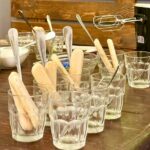
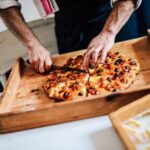
You begin with a welcome glass of Prosecco as the instructor talks you through what’s coming. The class is taught in English, and from what’s consistently described, there’s usually an interpreter working alongside the chef to keep each step clear.
You may meet chef names like Paolo/Paulo and an English support person such as Alessia or Vincenzo/Vincent, and hosts like Marco also show up in the experience descriptions. The exact pairing can vary, but the pattern is the same: you get hands-on teaching plus translation, so you’re not stuck guessing.
This is also where I think the “best value” of this experience hides. When the language support is strong, you can actually learn the why behind the technique, not just the what. And in a pasta-and-dessert class, that difference shows up fast—your dough behaves differently, and your tiramisu needs the right tempo.
Tip: wear comfortable clothes with sleeves you don’t mind getting flour dust on. This isn’t a formal dining event; it’s a working kitchen moment.
Tiramisu From Scratch: Getting the Technique Right, Not Just the Dessert
The class covers tiramisu made from scratch, and the focus is on learning the tricks that make it come out right. You start building your tiramisu as your instructor explains the key steps, then you’ll sit down later and taste what you made.
I like this order—tiramisu first—because it gives you a concrete goal early. You’re working with something forgiving in the sense that you can learn the rhythm, but also exact enough that technique matters. It’s a great way to understand how Italian home cooks think: not “mystery magic,” but careful, repeatable habits.
One practical detail: the traditional recipe used in the class contains gluten, dairy, and eggs. The provider says they can offer substitutes for allergies or preferences, but the instruction is still based on the classic method. They also note they can’t guarantee 100% freedom from cross-contact.
So, if you have serious allergies, you’ll want to contact the provider first and be very specific. If your needs are simpler—like vegetarian options—you’re more likely to be able to participate comfortably. (Vegetarian is available upon request.)
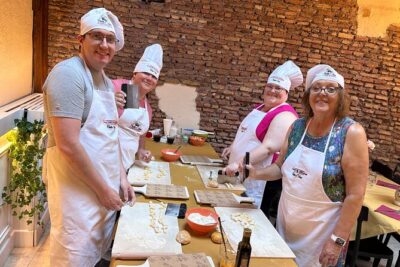
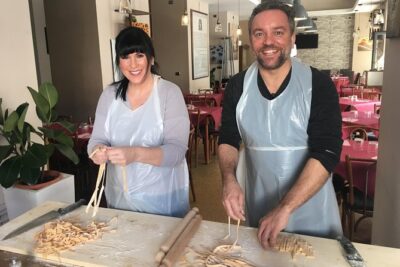
Fresh Pasta Hands-On: From Dough to Two Noodles You’ll Want to Repeat
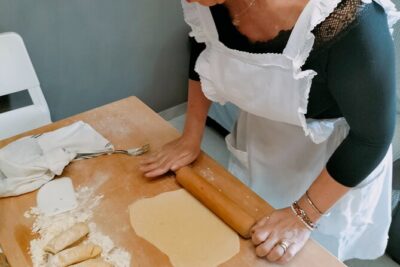
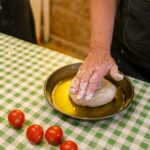
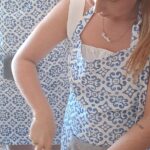
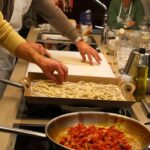
After tiramisu, the class moves into fresh pasta. You learn techniques that make the pasta better than what you can buy in a store—especially the feel of the dough and the steps that help it turn out right.
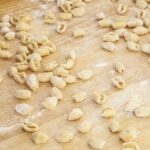
From the descriptions, you’ll likely make more than one pasta style (people repeatedly mention making two types). That’s a good sign for you as a learner because you’re not just doing one form and calling it a day. You’re getting a wider sense of how pasta changes with different shaping or preparation.
Here’s what matters for real-world value: the class doesn’t just hand you a final plate. It teaches you enough that you can repeat the process later. You’re going to understand how the dough should feel as you work it, how to handle it without rushing, and how to stay consistent when you’re making something delicate.
This also fits well with the time limit. In 3 hours, you won’t become a pasta factory—but you will walk away with methods you can use at home. And pasta is one of those skills where the first success builds confidence. That’s what this kind of class is good for.
The Meal Moment: Wine, Prosecco, and Coffee or Limoncello
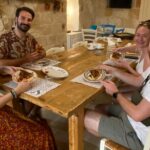
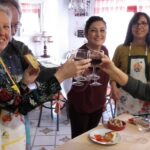
Once cooking is done, you eat what you made. This part is more than a reward. It’s how you calibrate your learning. You taste the pasta and tiramisu you shaped, then you can connect the results back to what you did at the stove.
You also get 3 glasses of local wine alongside your meal, plus the Prosecco at the start. That’s a big part of why this isn’t just a cooking demo with snacks. Wine makes the meal feel like a proper evening in Italy, and it turns your group into a table conversation instead of a classroom.
At the end, you’ll finish with coffee or limoncello and have time to chat with your instructor about Bari. I like how that final bit isn’t rushed. It’s the moment when you can ask questions and get practical advice that isn’t printed on a brochure.
Food + wine + conversation is often the difference between a tourist activity and something that feels like you belonged there for a few hours.
What You Take Home: Recipes You Can Actually Use
The experience includes recipes you can take home. That matters more than people realize. A lot of classes give you “a list of ingredients” but not enough guidance to rebuild the dish later.
Here, the intent is clearly that you’ll remember the method. Between the step-by-step teaching and the take-home recipes, you should leave with something you can test again in your kitchen.
If you’re traveling solo, this also gives you a way to turn the experience into a story you can keep. If you’re traveling with a partner, it’s a built-in plan for a later night at home: cook, taste, compare, and laugh at your first attempt.
Price and Value: Is $69 Worth It?
At $69 per person for a 3-hour class, the key question isn’t the number—it’s what you get for it.
You’re not just paying for instruction. The price includes:
- cooking class with an instructor
- all equipment and ingredients
- Prosecco welcome drink
- 3 glasses of local wine
- coffee or limoncello at the end
- take-home recipes
So you’re basically paying for a guided lesson plus a full food-and-drink meal. If you were to recreate that on your own, you’d spend money on ingredients, kitchen setup, and then still need to plan a proper meal. Here, the class handles everything, and you get feedback while you cook.
For me, this is one of the strongest values in Bari if you want an Italian experience that’s hands-on and social. If you mainly want sightseeing and don’t care about learning technique, it may feel like you’re paying for cooking time. But if you want a skill and a memory you can recreate, $69 starts to look very reasonable.
Who This Cooking Class Fits Best (And Who Should Skip It)
This is a good fit if you:
- want a hands-on Bari experience, not just a tasting
- enjoy learning how classic Italian dishes are made
- like meeting people while you cook and eat
- can handle recipes that include gluten, dairy, and eggs
It’s also designed to be welcoming in practical ways. The class is wheelchair accessible, and the instructor speaks English. Dietary needs can be supported with substitutes available, and vegetarian options are available on request.
But be careful if you fall into the “not suitable” group:
- vegans
- anyone with gluten intolerance
- anyone with lactose intolerance
- children under 3 years
Also note the allergy reality check: even with substitutions, the class instructions focus on the traditional recipe, and they can’t guarantee zero cross-contamination. If your health needs are strict, ask detailed questions before booking.
No pets, and no smoking. Bring comfortable clothes and be ready to cook for real.
Should You Book This Bari Pasta and Tiramisu Class?
I’d book it if you want one evening where you actually do something Italian—mix, shape, taste, and then talk over wine. The combination of fresh pasta + tiramisu, the English-led teaching, the Prosecco and local wine, and the recipes to take home makes this feel like more than a class. It’s a full Bari experience in one tidy 3-hour slot.
Don’t book it if you need a strictly vegan menu or if gluten or lactose problems are non-negotiable for you. In that case, you’d risk disappointment or the kind of uncertainty you don’t want around food.
If you’re on the fence, choose it for this reason: you’ll walk away with a new skill you can repeat, plus a story that’s tied to Bari Vecchia and the sea promenade—not a generic dinner out.
FAQ
How long is the cooking class in Bari?
It lasts 3 hours.
Where do we meet for the class?
Your guide meets you in front of Ristorante Ceralacca.
Is the class taught in English?
Yes, the instructor is English.
What drinks are included?
You get a Prosecco welcome drink, plus 3 glasses of local wine with your meal. At the end, you’ll have coffee or limoncello.
Is the restaurant wheelchair accessible?
Yes, the experience is wheelchair accessible.
Are vegetarian or other dietary options available?
Vegetarian options are available upon request, and other diets are supported. You should inform the provider of any dietary needs when booking.
Can they accommodate allergies?
They offer substitutes for allergies or preferences, but the instructions still focus on the traditional recipe containing gluten, dairy, and eggs. They also cannot guarantee 100% freedom from cross contamination.
Is this class suitable for kids?
It is not suitable for children under 3 years. It is not suitable for babies under 1 year either.