REVIEW · BARI
Bari: Pasta and Tiramisu Cooking Class with Wine
Book on Viator →Operated by The Roman Food Tour - Food Tour Rome · Bookable on Viator
This is a cooking class that actually feeds you. In Bari, you’ll learn fresh pasta and tiramisu in a family-run spot near Teatro Petruzzelli, then sit down to enjoy what you made with local wine.
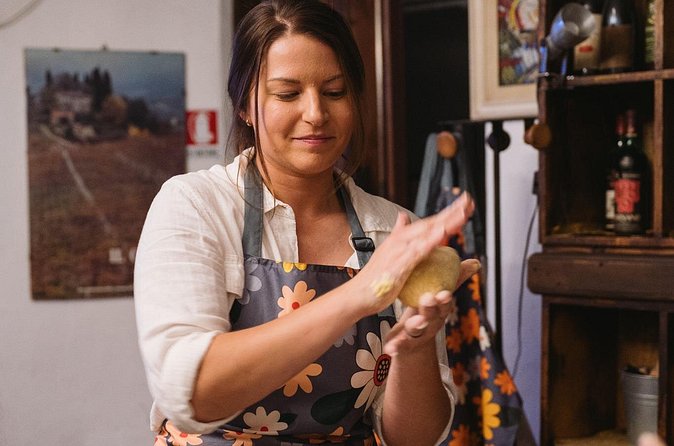
I love how hands-on the teaching is. You’re not just watching a demo; you’re kneading, shaping, and building flavor step by step, with help from the chef and an English translator when needed.
One thing to consider: this class is not set up for every diet. The traditional recipes use gluten, dairy, and eggs, and while substitutions are offered, they can’t guarantee zero cross-contamination.
In This Review
- Key highlights at a glance
- Why this Bari cooking class feels different (in a good way)
- Location: easy to fit into an actual Bari day
- The welcoming start: Prosecco, then tiramisu from scratch
- What you should watch for during tiramisu
- Fresh pasta: fettuccine, ravioli, and the pasta machine moment
- A realistic note about the dough
- Dinner with wine: what you’ll eat, and how long it takes to settle in
- How to keep it fun (not stressful)
- Recipes to take home: real value, plus one small catch
- Dietary fit: who should book, and who should rethink
- Who this Bari class is perfect for
- A quick reality check on expectations
- Should you book this Bari pasta and tiramisu class?
- FAQ
- Is the class taught in English?
- How long is the cooking class in Bari?
- What will I make during the class?
- Is wine included?
- Are there dietary restrictions?
- What if I need to cancel?
Key highlights at a glance
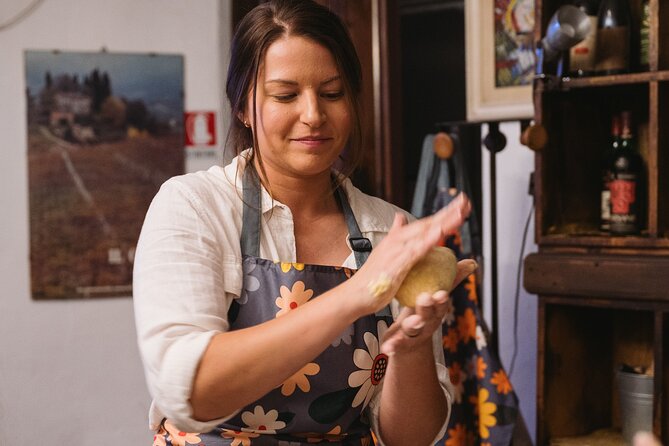
- Family-run teaching in a small group (max 14), so you get real attention while you work
- Prosecco at the start, then wine with your meal (plus coffee or limoncello at the end)
- Hands-on tiramisu + fresh pasta, including pasta machine technique for fettuccine and ravioli
- English support alongside the chef’s method, so you can follow even if your Italian is rusty
- Recipes to take home, including a QR option mentioned by past guests
- Very close to the sights (Teatro Petruzzelli, Bari Vecchia, and Lungomare Araldo)
Why this Bari cooking class feels different (in a good way)
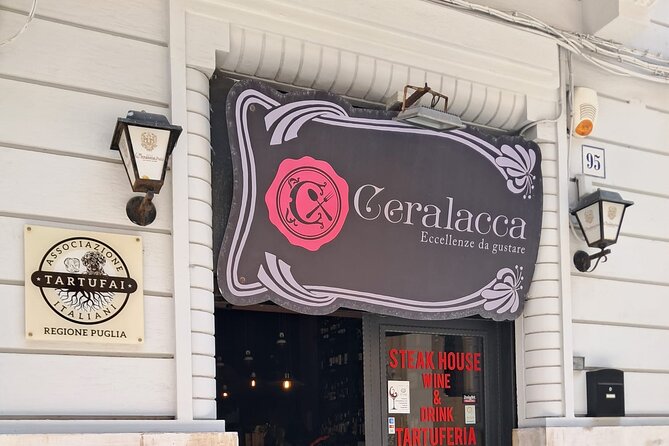
Bari can be surprisingly good for food classes, because the city doesn’t treat cooking like a theme park. This one leans into the family-restaurant rhythm: you get welcomed, you get taught, you get to work, and then you get to eat what you made.
The best part is that it’s designed for participation. You’ll start with tiramisu basics, then move into fresh pasta technique. It’s the kind of class where the chef and staff watch what you’re doing and correct small issues before they become big ones, which is exactly what you want if you’ve ever tried to roll dough and ended up with frustration.
Also, the pace is social but not sloppy. It’s long enough to learn real steps (about 3 hours), and the group size stays small enough that you’re not stuck waiting around for your turn.
You can also read our reviews of more tours and experiences in Bari.

Location: easy to fit into an actual Bari day
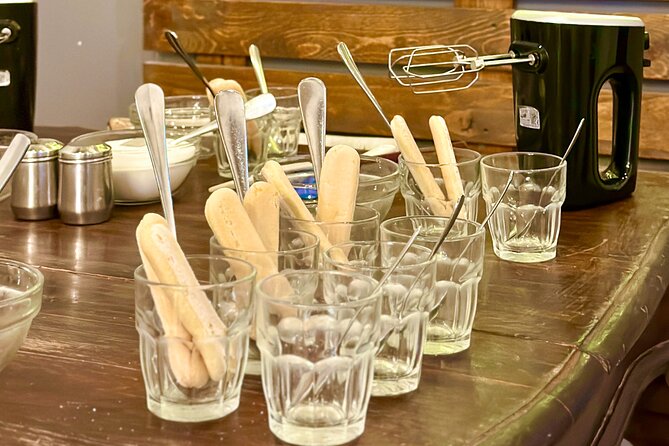
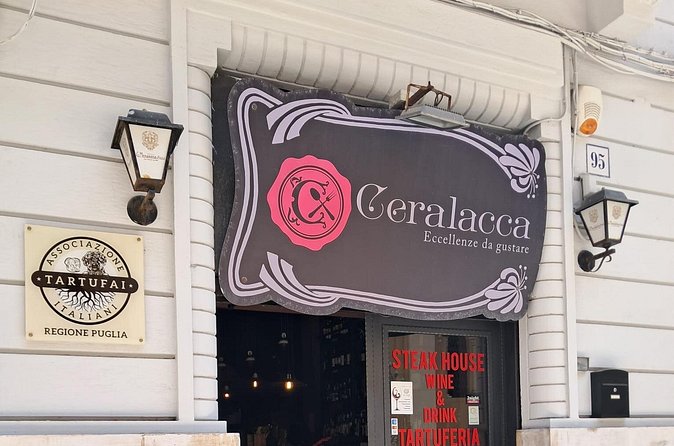
The meeting point is at CeralaccaVia Francesco Saverio Abbrescia, 95, 70121 Bari BA, Italy. The classroom is also well placed if you want to pair it with sightseeing: you’re about 300 meters from Teatro Petruzzelli, 500 meters from Bari Vecchia, and around 100 meters from Lungomare Araldo.
That matters because it changes how you plan your evening. You don’t need to add extra transit time or worry about getting stranded after class. You can do a normal walk, see a few streets, then head in.
You also get a mobile ticket, and the location is near public transportation, which is handy if you’re moving between Bari’s neighborhoods.
Practical tip: wear something comfortable for a hands-on session. You’ll be working with dough, and you’ll want sleeves that can handle flour in the air.
The welcoming start: Prosecco, then tiramisu from scratch
Your session kicks off with a refreshing glass of Prosecco. Then the staff sets expectations and walks you through the first dish: tiramisu.
Tiramisu is one of those desserts people either make once and get it wrong, or never make at all. Here, the chef’s focus is the process. You’re guided through building the dessert from scratch, not just assembling a store-bought shortcut.
If you’re with an English-speaking translator, the back-and-forth helps you understand the why behind each step. Some sessions run with an English helper alongside the chef, and in past classes that support included staff names like Asia or Alessia, while the cooking team has included Chef Paulo, Marco, Paolo, and Vincenzo. Even when translation gets a little awkward, the key point is that you still get hands-on guidance.
What you should watch for during tiramisu
This isn’t about memorizing fancy terminology. It’s about timing and feel. Pay attention to:
- texture while you work through components
- how the dessert is assembled so it sets properly
- what the chef emphasizes as the key step (usually the one that most affects final taste)
At the break and during the meal, you’ll also be drinking along the way. The class includes three glasses of local wine, plus the initial Prosecco, so the dinner part doesn’t feel like an afterthought.
Fresh pasta: fettuccine, ravioli, and the pasta machine moment
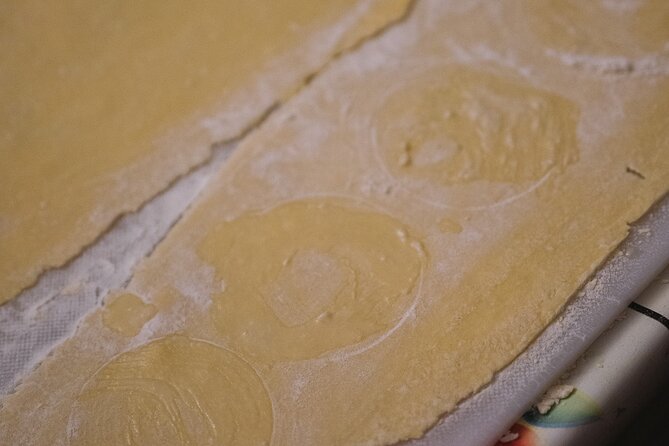
After tiramisu, you shift gears to pasta. This is where the class earns its reputation.
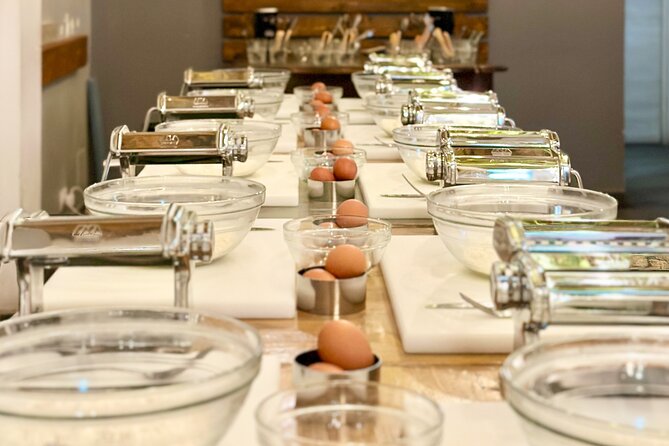
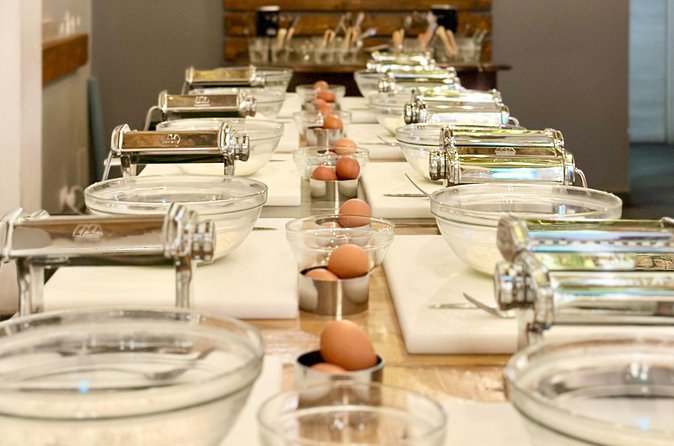
You’ll learn to make fresh pasta with guidance on the steps that turn dough into something you can actually cook. A highlight for many people is learning to use a pasta machine, because it gives you repeatable results at home.
The menu you’ll work on includes:
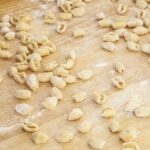
- Fettuccine with tomato sauce
- Ravioli filled with ricotta and spinach, finished with butter and sage
Some classes involve making more than one pasta style, and the teaching is set up so you can work as a group for one part and then spend more time working on your own later. That balance is useful: you learn the rhythm together, then you practice so your hands remember the technique.



A realistic note about the dough
Dough can be tough the first time, even with instruction. A few guests have noted that the class can be hands-on and focused on getting it right. If your patience is short, keep your expectations grounded: the point is technique, not perfection on the first pass.
Also, if something doesn’t go the way you expect, the staff may address it quickly. That’s not necessarily bad teaching—it’s often just the fast pace needed in a short 3-hour window.
Dinner with wine: what you’ll eat, and how long it takes to settle in
Once you finish both dishes, you sit down and eat. This is the part you’ll remember later because it connects technique to taste.
The drinks are part of the experience:
- Prosecco at the start
- three glasses of local wine with your meal
- wine can include red and white options (plus non-alcoholic beverages available)
In other words, you’re not sipping one glass and calling it a food class. The meal is generous, and you’ll likely leave full.
There’s also a sweet finish. After dinner, the class includes coffee or limoncello. Past guests call this out as a nice landing after a long session.
How to keep it fun (not stressful)
If you want the experience to feel relaxed, do this:
- don’t treat pasta as a test
- focus on what the chef is correcting
- keep your attention on the current step, not the end result
With that mindset, the class stays playful. Even guests who had translation hiccups still found the instruction manageable because demonstrations and hands-on corrections did the heavy lifting.
Recipes to take home: real value, plus one small catch
At the end, you’ll get unique recipes to take home so you can recreate the dishes for friends and family. In some cases, guests also received recipes via a QR code to scan.
That’s great value because cooking classes often stop at memories. Here, you’re leaving with something practical.
One note from past experience: you might not get every single component in full written detail, like the exact tomato sauce recipe. Some guests felt they would have liked more written material at the end. Still, you’re getting recipes, and the method is the real takeaway.
So if your goal is to repeat this at home, treat the session like a technique lesson first, and a recipe collection second.
Dietary fit: who should book, and who should rethink
This is where you need to be honest with yourself.
The class is not recommended for vegans. It also flags these limitations:
- not recommended for people with egg allergy
- not recommended for lactose intolerants
- not recommended for gluten intolerants/allergy
Substitutes are offered for allergies and preferences, but the instructions focus on the traditional recipe (with gluten, dairy, and eggs). They also say they cannot guarantee 100% free of cross contamination.
So if you have a serious allergy, your best move is to contact the operator before booking and ask how substitutions work for your specific ingredient. If cross-contamination is a dealbreaker, plan accordingly.
Who this Bari class is perfect for
I’d point this class toward travelers who:
- want a hands-on food experience rather than a tasting only
- enjoy learning practical technique (pasta machine included)
- don’t mind that tiramisu and fresh pasta use classic ingredients like eggs, dairy, and gluten
- like the social side of cooking, not just the food
It’s also a smart pick if you’re pairing it with a Bari walking day. The central location means you can go from street strolling to an indoor meal without wasting time.
And if you’re cooking-competent already? You’ll still learn something. Pasta dough and tiramisu have small failure points, and watching the chef’s process gives you shortcuts you can use later.
A quick reality check on expectations
Cooking classes can be either gentle and leisurely or structured and fast. This one can feel fairly managed, because there’s a lot to do in about three hours: tiramisu setup, pasta dough, machine work, cooking/final assembly, then dinner.
If you’re the type who loves lots of freedom, you may find it more guided than you expected. But the upside is you’re less likely to waste time guessing. You’ll get corrected along the way, and you’ll end up eating what you made rather than rushing out hungry.
Should you book this Bari pasta and tiramisu class?
Book it if you want a real, classic Italian cooking session with a family vibe, small group size, and enough food to count as a proper meal. The combination of hands-on instruction, English support, and the drink-and-eat flow makes it an easy “yes” for many visitors.
Skip it (or ask extra questions first) if you need a strict allergy-safe setup for gluten, eggs, or dairy. Also skip it if you know you get stressed by a guided, time-bound format.
For most people, though, this is exactly the kind of experience you remember from a trip: you leave with technique, a dessert you can actually remake, and a full stomach that doesn’t depend on a reservation later.
FAQ
Is the class taught in English?
Yes. The experience is offered in English, and there is also support from the staff during the cooking process.
How long is the cooking class in Bari?
The class lasts about 3 hours.
What will I make during the class?
You’ll learn to make tiramisu and fresh pasta. The pasta part includes options such as fettuccine with tomato sauce and ravioli with ricotta and spinach, with butter and sage as part of the meal.
Is wine included?
Yes. The class includes Prosecco at the start and includes three glasses of local wine with your meal. There are also non-alcoholic beverages available.
Are there dietary restrictions?
Yes, and they’re important. The class is not recommended for vegans, and it is not recommended for people with egg allergy, lactose intolerance, or gluten intolerant/allergy. Substitutes may be available, but the instruction focuses on the traditional recipe and they cannot guarantee 100% free of cross contamination.
What if I need to cancel?
Cancellation is free up to 24 hours before the experience start time for a full refund. Changes made less than 24 hours before the start time aren’t accepted.