REVIEW · MALAGA
Málaga: Spanish Cooking Workshop with Paella and Sangria
Book on GetYourGuide →Operated by Lebasi Taller de Cocina · Bookable on GetYourGuide
Paella feels less like a mystery when you cook it. In Málaga, this 3-hour workshop turns paella and sangria into a hands-on, social evening with chefs Laura and Diego in a comfortable, modern kitchen.
I love that the teaching is very practical and participatory, not a performance. I also like the pairing of Laura’s paella training (including Le Cordon Bleu London) with Diego’s Andalusian, Málaga-style focus and dessert skills. The downside: with only 3 hours, it’s not a full market-and-cook-everything day.
In This Review
- Key Things That Make This Cooking Workshop Worth Your Time
- Málaga Cooking Workshop: Turning Paella Into Real Skills
- Meet Laura and Diego: Credentials You Can Feel in the Teaching
- Location in Historic Málaga: Easy to Get There, Easy to Arrive Calm
- The Hands-On Menu: Ajoblanco, Remojón Malagueño, Paella, and Sangria
- Ajoblanco: Málaga’s Almond-Based Comfort
- Remojón Malagueño: A Salad With Character
- Paella: The Main Skill You’ll Actually Use Again
- Sangria With the Meal: More Than a Party Drink
- Surprise Dessert: A Sweet Finish With Andalusian Personality
- What 3 Hours Lets You Learn (and What It Doesn’t)
- How This Class Prepares You to Cook Paella Back Home
- The Sangria and Storytelling Part: Why People Remember This Evening
- Price and Value: What $78 Buys You in Málaga
- Who Should Book This Workshop
- Should You Book This Málaga Paella and Sangria Workshop?
- FAQ
- How long is the Málaga Spanish Cooking Workshop?
- How much does it cost?
- Where is the workshop located in Málaga?
- What dishes do you cook and eat?
- Is sangria included?
- Can they accommodate dietary restrictions?
- Is the class hands-on or mostly watching?
- What language is the instruction in?
- Who teaches the cooking class?
- Is the workshop wheelchair accessible?
- FAQ
- Can I cancel and get a refund?
- Do I have to pay immediately to reserve?
Key Things That Make This Cooking Workshop Worth Your Time
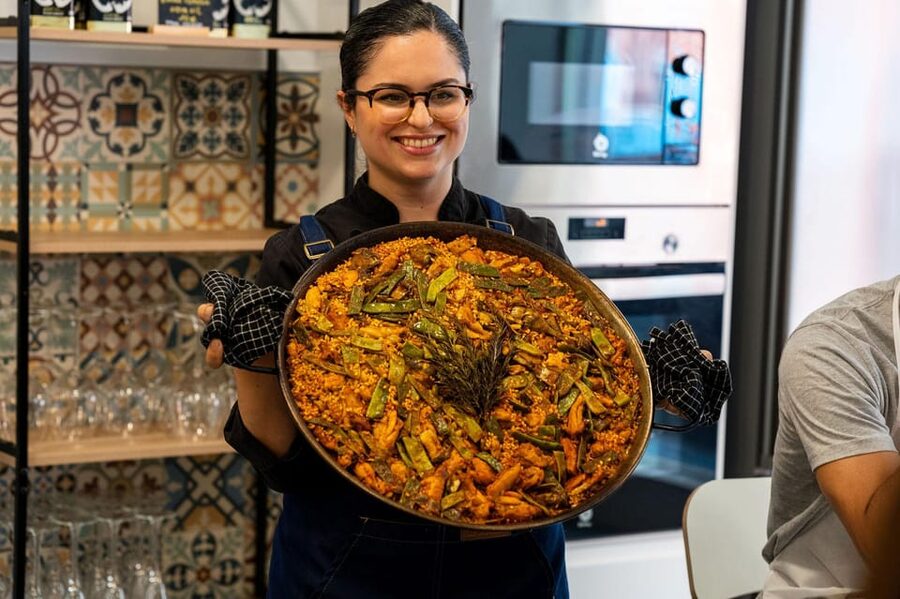
- Modern, comfortable kitchen setup where you can actually work (not just stand and watch)
- Laura and Diego teaching together, so you get two angles on Andalusia
- 100% hands-on format: you prepare dishes from scratch and eat what you make
- Málaga-centered menu beyond paella: ajoblanco, remojón malagueño, and a surprise dessert
- Sangria included with the meal, plus lots of local food tips from the chefs
- Small-group energy shows up in reviews, with seating described as comfortable for longer standing
Málaga Cooking Workshop: Turning Paella Into Real Skills
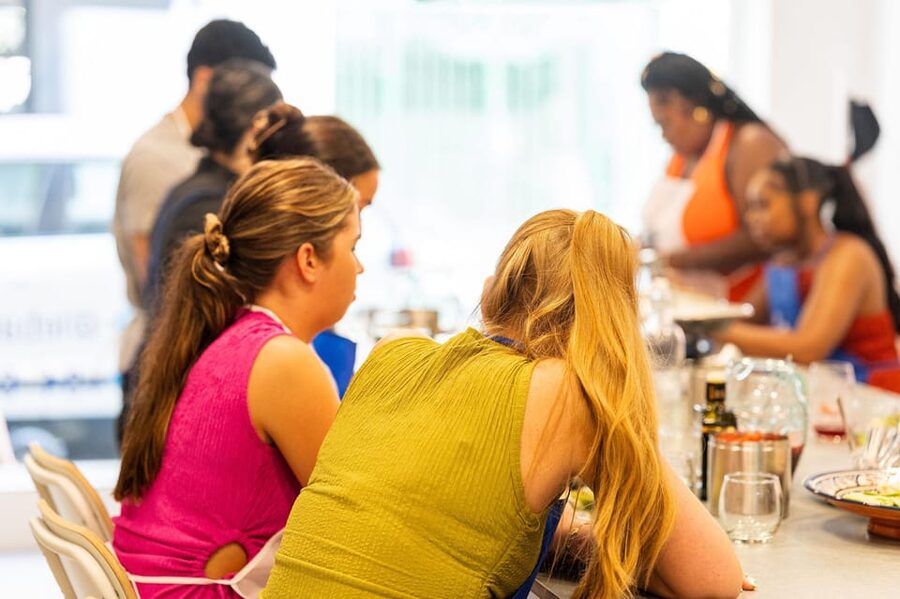
If paella has ever defeated you at home, this is the kind of class that helps you stop guessing. The format is built around doing the work yourself: chopping, mixing, timing steps, and learning the small technique cues that make rice behave. You’re in Málaga’s historic center, so you can fit this into almost any itinerary without losing half a day to transit.
The menu is designed to tell you something about Andalusia, not just Spain in general. You start with dishes that show the region’s love of fresh ingredients and texture, then you move into the main event: paella. The class ends with you sitting down to eat as a group, which matters. Food cooked together tastes better, and it gives you a chance to ask questions while the experience is still fresh.
One more practical plus: it’s indoors in a modern kitchen. If Málaga weather turns moody, you’re not stuck in the rain trying to sightsee.
You can also read our reviews of more tours and experiences in Malaga.

Meet Laura and Diego: Credentials You Can Feel in the Teaching
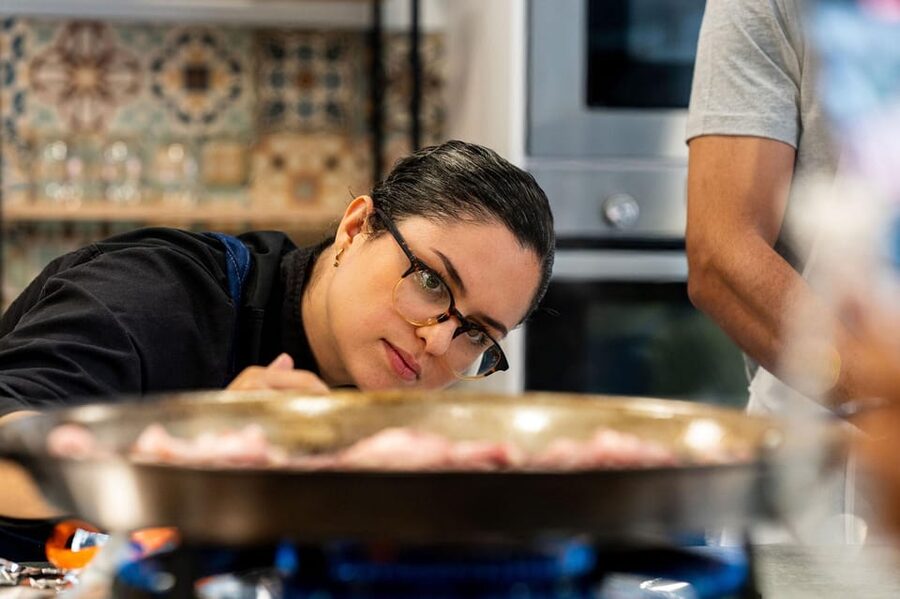
This workshop stands out because you get two instructors with different specialties, both deeply tied to the region.
Chef Laura brings the technique side of things. She studied at Le Cordon Bleu in London and worked in Michelin-starred restaurants. On top of that, she trained with a Valencian chef who specializes in paellas, which is a big deal if you care about doing paella the right way. Her style leans on clear step-by-step instruction plus background on ingredients, traditions, and how locals think about the food.
Chef Diego adds the Málaga and Andalusia storytelling and flair. He’s originally from Uruguay but grew up and trained in Málaga, starting his culinary path at age 9. He focuses on Málaga-style and Andalusian cuisine, especially desserts, and brings warmth and humor to the table. In reviews, people highlight that he answers questions freely and explains choices behind the dish, not just the steps.
For you, the benefit is simple: if one chef’s explanation clicks differently, the other one usually lands. That’s a real advantage in a hands-on class where you want confidence, not just a full stomach.
Location in Historic Málaga: Easy to Get There, Easy to Arrive Calm
You’re in central Málaga, in the historic area, and the location is practical. You’re about five minutes from the Atarazanas market, which is useful if you want to do a quick ingredient walk before or after class.
The workshop’s setting is also described as modern and very comfortable. That matters because cooking classes are tiring in ways sightseeing isn’t. If you’re standing at counters, you want good seating options and workstations that make it easy to follow along.
One detail that keeps popping up in reviews: comfortable high stools with backs. That’s not glamorous, but it’s exactly what you want for a 3-hour session. If you’re someone who doesn’t love standing for long stretches, this setup can make the difference between you enjoying the class and you feeling drained halfway through.
The Hands-On Menu: Ajoblanco, Remojón Malagueño, Paella, and Sangria
This isn’t a single-dish class. You cook several items and build an Andalusian meal around them.
Ajoblanco: Málaga’s Almond-Based Comfort
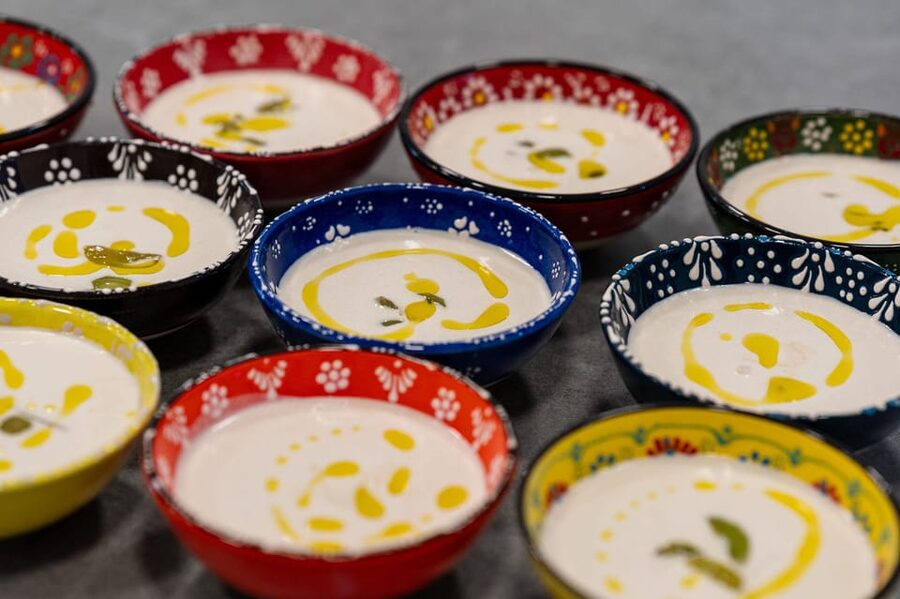
Ajoblanco is a cold, creamy dish made from almonds and typically served chilled. Teaching it early helps you understand texture and seasoning. It’s also a good warm-up dish if you’re new to Spanish cooking because it’s about balance and feel, not complicated timing.
In the reviews, people repeatedly mention liking specific dishes like almond soup, which hints that this part of the menu isn’t treated as filler. It gives you a chance to learn how the chefs think about flavor using local ingredients.

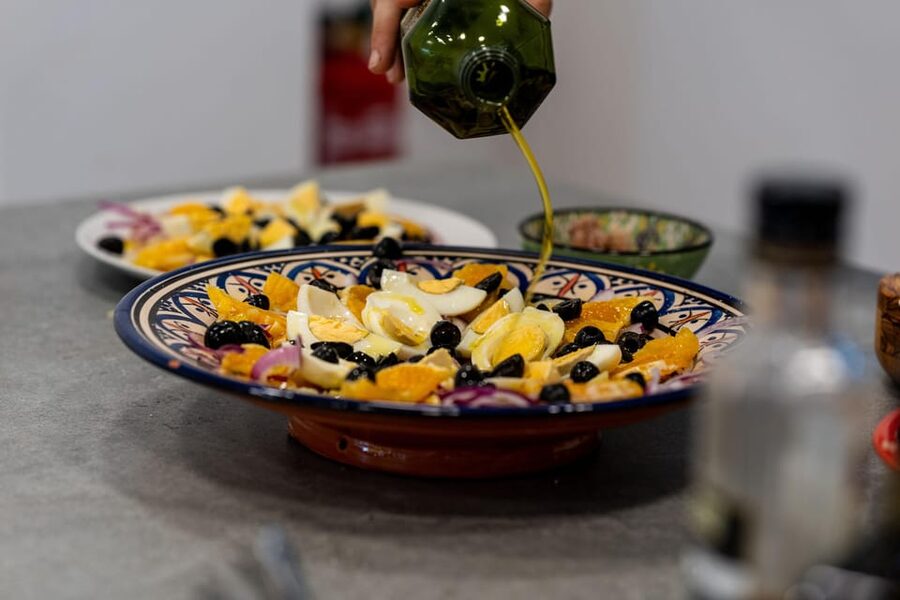
Remojón Malagueño: A Salad With Character
Remojón malagueño is a traditional Málaga-style salad. The point isn’t just freshness; it’s the combination of elements and the way it works as a counterpoint to heavier food. When you make it yourself, you learn how Andalusian salads can be satisfying, not just a side.
Paella: The Main Skill You’ll Actually Use Again
Then comes paella, the dish most people come for and the dish most people mess up. The chefs focus on traditional technique, especially the rice logic: how the rice should be handled, what to watch for, and how to get to the result you expect.
Paella is also where you’ll feel the value of having Laura and Diego together. Laura’s paella training supports the technique side. Diego’s Málaga-style focus helps you understand how the dish fits into everyday Andalusian food culture.
Sangria With the Meal: More Than a Party Drink
Sangria is included with your meal, and during eating you’ll have more sangrio or two included based on your choice (so expect at least some sangria as part of the experience). The class also treats sangria as something you learn, not something you casually order.
That matters because sangria can be either sweet and flat or balanced and refreshing. When you learn the basic approach, it gives you a way to recreate the drink later without relying on a pre-made bottle.
Surprise Dessert: A Sweet Finish With Andalusian Personality
You’ll also have a surprise dessert. Diego’s specialty includes desserts, and the fact that the experience ends with something unexpected usually means you’ll finish with something you didn’t already picture in your head.
What 3 Hours Lets You Learn (and What It Doesn’t)
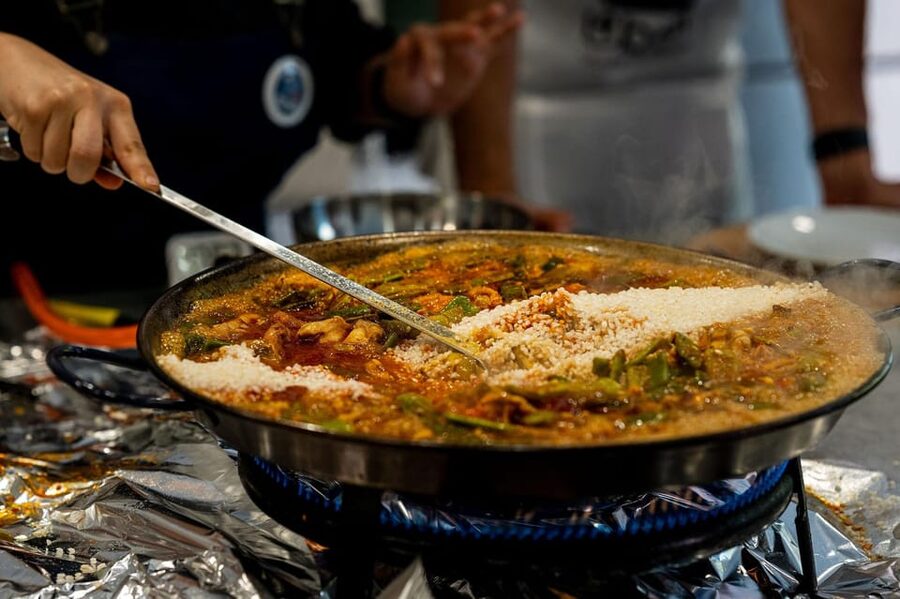
A cooking workshop can be frustrating if it’s too long and you feel overwhelmed, or too short and you only scratch the surface. This one lands on a clear 3-hour target.
In those 3 hours, you should walk away with:
- Confidence doing multiple Spanish dishes, not just one
- A working understanding of paella technique and what to pay attention to
- Tips for local markets and where to buy ingredients
- A meal you helped create and eat together
What it won’t be is a slow, deep, all-day food pilgrimage. If your goal is to study Spanish cuisine with museum-level detail for an entire day, you’ll likely crave more time after this class. But if you want a strong, practical baseline in one sitting, this format fits well.
How This Class Prepares You to Cook Paella Back Home
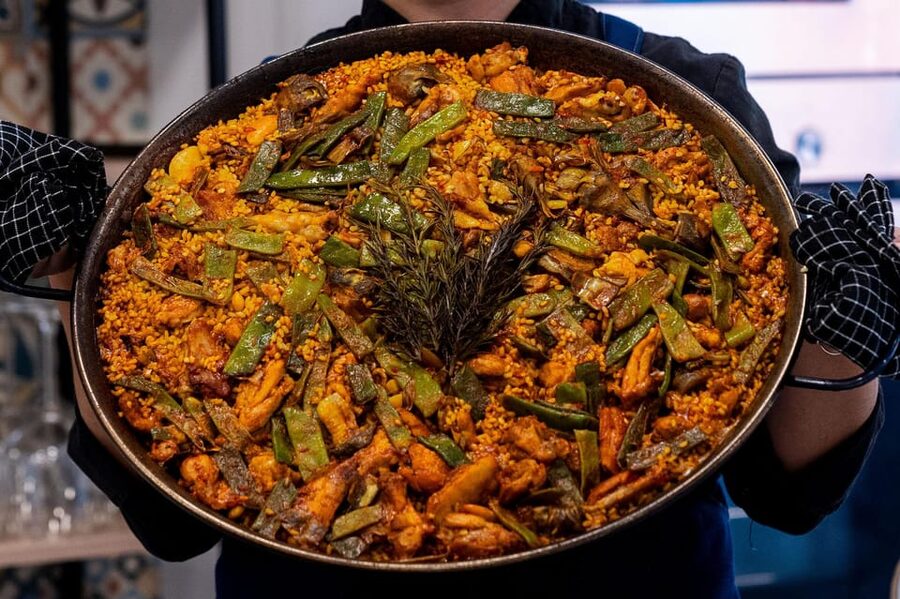
Most paella lessons fail you for one reason: the class stops at recipe instructions. This workshop leans harder on technique. In reviews, people specifically mention getting helpful tips about getting the rice right, which is exactly where home cooks struggle.
Here’s how to use the experience for best results when you cook later:
- Pay attention to the timing cues the chef emphasizes, not just the ingredient list
- Watch how the chef describes what the rice should look and feel like at key stages
- Treat paella like a system: rice, liquid, heat, and patience working together
- Ask questions during the session, because the chefs explain the why behind choices
Also, several reviews note that recipes are sent after the class. That’s a big deal for turning a great evening into repeatable results. You’ll have something to reference when you’re cooking at home and wondering if you missed a step.
The Sangria and Storytelling Part: Why People Remember This Evening
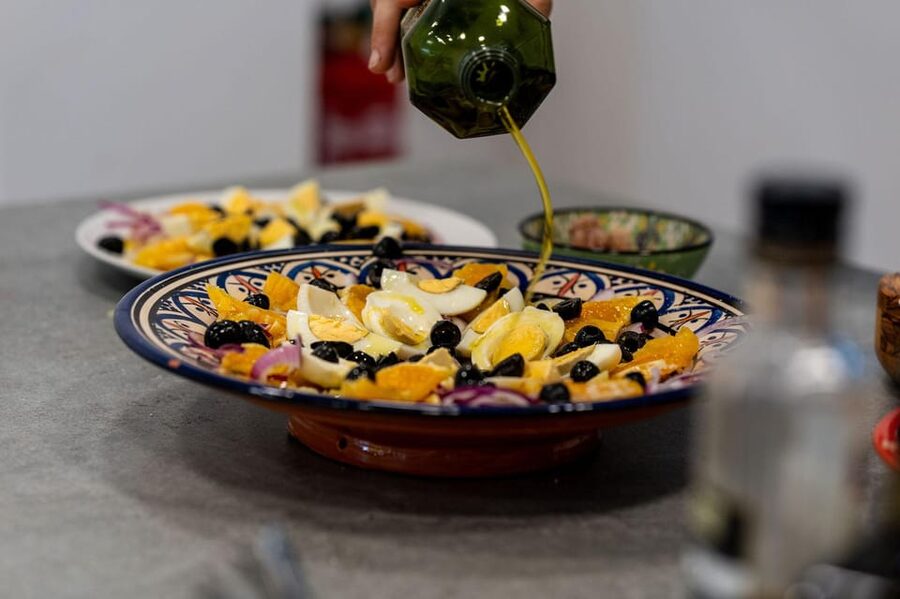
Food classes are often judged by taste. This one earns its memory through personality and conversation.
Diego’s approach is described as fun and entertaining, with humor that keeps the group relaxed while he teaches. Laura also comes across as friendly and focused on explanations. Reviews mention that the chefs share backgrounds behind dishes, plus local recommendations about what to eat and where to go in Málaga.
For you, that’s not just “nice to have.” Local tips are how you turn a one-night experience into a better entire trip. When chefs point you toward markets and specific food to look for, you get a shortcut to eating well without wasting time on guesswork.
There’s also a social factor. Reviews mention small groups like 9–10, with friendly atmosphere among participants from multiple countries. That combination can make the whole evening feel like a casual dinner party where you also learn real cooking techniques.
Price and Value: What $78 Buys You in Málaga
$78 might sound like a splurge until you break down what’s included. You’re not paying for a tasting and a seat. You’re paying for:
- A 3-hour hands-on cooking session in a modern kitchen
- Multiple dishes cooked from scratch (ajoblanco, paella, remojón malagueño, plus dessert)
- Sangria included during the meal
- English instruction
- Local food insights from chefs who know Málaga food intimately
Value is strongest when you compare against the cost of ingredients plus the time and uncertainty of learning alone. If paella is something you want to do well, this class gives you structure and coaching in a short, manageable block.
Also, a class with good seating and comfortable setup is worth more than it sounds. Cooking for 3 hours is work, and when the room is designed for guests to participate comfortably, your attention stays on learning.
Who Should Book This Workshop
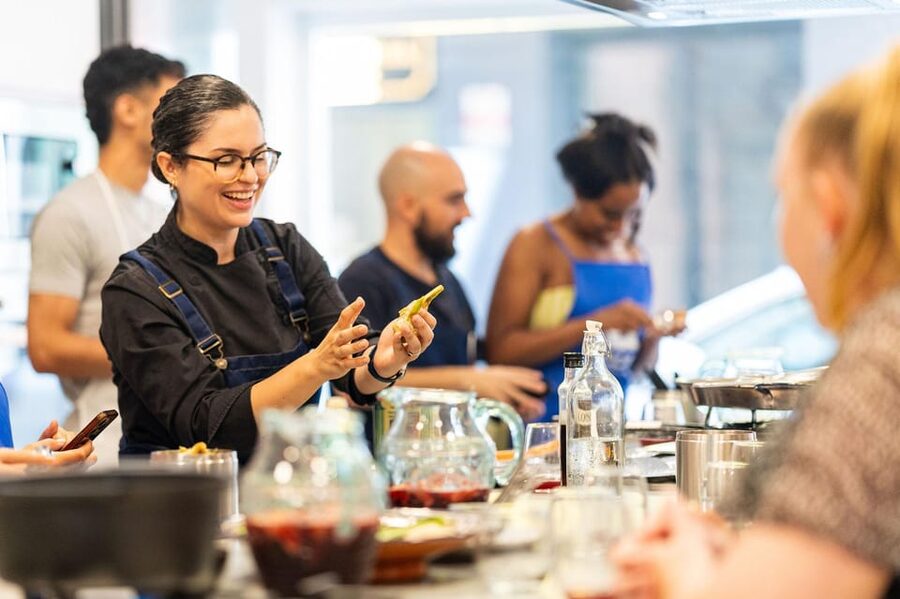
This experience fits best if you:
- Want a practical paella lesson with real technique guidance
- Like participatory experiences where you cook, then eat together
- Prefer a central, easy-to-reach activity over complicated logistics
- Want Andalusian flavor beyond paella, including Málaga classics like remojón malagueño
- Enjoy learning through friendly storytelling, not just watching
It’s also a solid choice for solo travelers and couples. Even if you come alone, you’re placed into a small group setting with active participation. Families can do well here too, as the class is described as fun and welcoming, though you’ll still be doing hands-on work for a few hours.
Should You Book This Málaga Paella and Sangria Workshop?
I’d book it if you want a short, high-reward way to learn Spanish cooking you can actually repeat. The biggest reasons are the hands-on format, the two-chef approach, and the Málaga-centered menu that goes beyond just making paella.
Book it sooner rather than later if you’re visiting on peak travel dates, since the workshop has a minimum of 4 participants to run. And if you’re sensitive to standing for long periods, it’s worth noting that reviewers mention comfortable high stools with backs, which helps.
If you’re only looking for a long sightseeing day, this isn’t that. But if you want a memorable evening where you leave with skills, recipes, and local food guidance, this one earns its spot.
FAQ
How long is the Málaga Spanish Cooking Workshop?
The workshop runs for 3 hours.
How much does it cost?
It costs $78 per person.
Where is the workshop located in Málaga?
It’s in the historic center of Málaga and is about 5 minutes from the Atarazanas market.
What dishes do you cook and eat?
You cook ajoblanco, paella, and remojón malagueño, plus a surprise dessert. You then eat the meal together.
Is sangria included?
Yes. Sangria is included during the meal, with more or two included based on your choice.
Can they accommodate dietary restrictions?
Yes. The menu can be adapted for allergies or intolerances. Vegan and vegetarian options are available with advance notice.
Is the class hands-on or mostly watching?
It’s 100% participatory. You prepare the dishes yourself.
What language is the instruction in?
The workshop is conducted in English.
Who teaches the cooking class?
Chef Laura and Chef Diego lead the workshop.
Is the workshop wheelchair accessible?
Yes, it is wheelchair accessible.
FAQ
Can I cancel and get a refund?
Yes. You can cancel up to 24 hours in advance for a full refund.
Do I have to pay immediately to reserve?
No. You can reserve now and pay later.