REVIEW · GALLE
Sea waves sri lankan cooking class
Book on Viator →Operated by Sea waves cooking class · Bookable on Viator
Cooking here starts with the sea and spices. You’ll shop for ingredients at local markets, then head into a family restaurant kitchen where the cook teaches you how Sri Lankan food comes together. The setting helps too: an open kitchen with a jungle view where you may spot monkeys and birds while you work.
I like that it’s hands-on from the first minute. You don’t just watch—you choose ingredients, blend spices, cook, and then eat what you make. I also like the teaching style, with Chef Susanthi guiding in fluent English and breaking the process into clear steps you can repeat later.
One thing to consider is that the class is described as private for your party, but real-life group size can vary. In one case, an extra couple of people joined the cooking session, so it’s smart to double-check group expectations when you book. Also, the experience needs good weather, since it includes outdoor market time and a beach stop.
In This Review
- Key Highlights You’ll Actually Care About
- Where It Happens: Galle’s Sea Waves Restaurant and the Jungle-Beach Start
- The Market Run: Fish and Vegetables, Chosen by You
- Jungle Beach to the Kitchen: What the Open-Air Setup Changes
- Cooking the Plate: How Your Sri Lankan Meal Comes Together
- What you’re likely to learn while cooking
- Hands-on pacing (and why it helps)
- Eating What You Made: The Best Part of the Class
- What Makes This Class Great Value at $59
- Small Logistics That Can Make or Break Your Day
- Who Should Book This Cooking Class (and Who Might Pass)
- Should You Book Sea Waves for Your Galle Food Day?
- FAQ
- How long is the Sea Waves Sri Lankan cooking class?
- What time does the class start in Galle/Unawatuna?
- Is it a private cooking lesson?
- Do you visit a market before cooking?
- What do you cook during the class?
- Are ingredients and cooking tools provided?
- Do you eat during the experience?
- What language does the chef use?
- What happens if the weather is bad?
Key Highlights You’ll Actually Care About
- Market shopping first: you choose fish and vegetables before you cook
- Chef-led, English-friendly instruction: clear guidance from Susanthi in fluent English
- An open-kitchen, jungle-view setup: a chance to watch monkeys and birds while cooking
- Your meal at the end: you sit down to eat what you cooked
- Five-vegetable focus plus fish or chicken: you build a full Sri Lankan plate from multiple parts
Where It Happens: Galle’s Sea Waves Restaurant and the Jungle-Beach Start
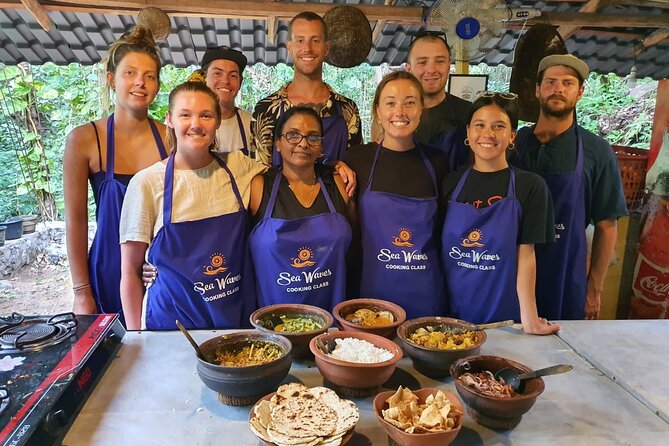
You start at Sea Waves Restaurant & Cooking Classes on Dunwella Road in Unawatuna, near the Galle area, with the session beginning around 10:00 am. The tour runs for about 3 hours and there are two sessions each day. You’ll also get a mobile ticket, and the meeting area is near public transportation, which makes it easier if you’re staying in Galle or along the coast.
Why I think this location works: you’re not trapped in a studio. You’re at a working family spot where cooking feels connected to the day’s ingredients. And that matters, because Sri Lankan food isn’t just recipes—it’s a system: how you choose produce, how you treat aromatics, and how coconut and spices balance each other.
If you’re the type who gets excited by food prep, this kind of start is great. If you hate markets and want everything planned for you, it might feel a bit busy—because you are part of the buying.
You can also read our reviews of more tours and experiences in Galle.
The Market Run: Fish and Vegetables, Chosen by You
Before the cooking begins, you head out to a fish and vegetable market. This is one of the strongest parts of the experience, because it turns dinner into a story you can explain later.
You’ll pick what you want to cook, and then your chef helps translate those choices into the meal plan. The idea is simple: buy what looks good, buy what you like, then cook it the Sri Lankan way. Many people go in thinking they’ll cook one curry; you end up with a wider set of flavors once you start selecting vegetables and a protein.
You’ll also visit the beach area linked with the fish market setup (often described as a fish market on the beach near the Fort area). That’s a fun contrast: market hustle, sea energy, and then—later—an organized kitchen rhythm.
Practical tip: come hungry and ready to decide. Once you’re standing in front of ingredients, it helps to have a rough plan in mind:
- Do you prefer fish or chicken?
- Which vegetable types do you tend to like (leafy greens vs. crunchy stems)?
- Are you okay with spice? Sri Lankan cooking can be flavorful and warm, and you’ll be learning how spices blend, not just how they’re sprinkled.
Jungle Beach to the Kitchen: What the Open-Air Setup Changes
After the market time, you move into the restaurant’s kitchen area. One of the nice details here is that you cook in an open kitchen with a jungle view. That doesn’t just look good—it keeps the experience feeling active and real.
The chef’s got more than 30 years of cooking experience, and the setting lets her teach in a way that feels natural: you watch what’s happening, ask questions as you go, and learn why certain steps come early (like getting aromatics ready) while other steps wait (so you don’t overcook delicate ingredients).
The animal sightings can be part of the charm. You might see monkeys or birds while you cook. Even if you don’t, the point is that you’re outdoors in a way that connects food to the environment around Galle.
Cooking the Plate: How Your Sri Lankan Meal Comes Together
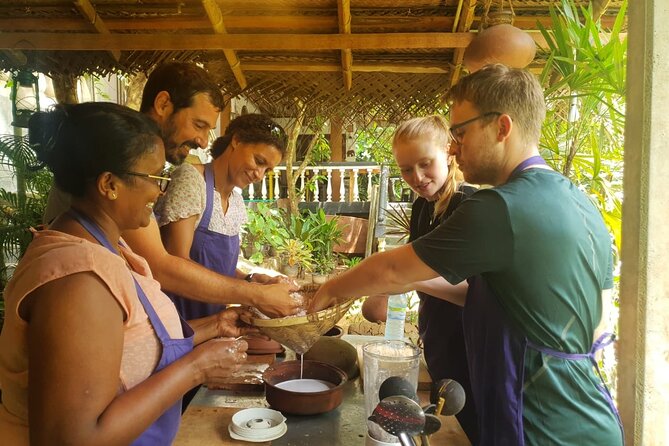
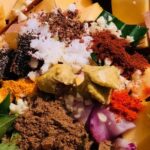
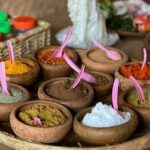
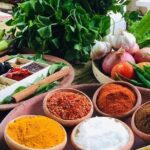
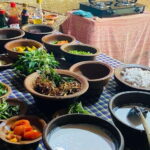
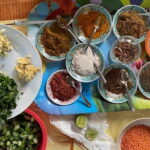
Here’s what the class centers on: making traditional Sri Lankan dishes, blending your own spices, and working with ingredients and tools that are provided. You’re not bringing your own cutting board. The class is built for you to succeed with minimal prep.
The core dish format you’ll work toward includes five vegetables plus fish or chicken, based on your preference. That structure is a big deal. Many cooking classes focus on one curry and call it a day. This one pushes you to think in combinations, so you get a more complete meal experience.
What you’re likely to learn while cooking
From what people describe after taking the class, the learning is very practical:
- How to make coconut milk as part of the curry base
- How to work with spices so they taste layered, not just hot
- How to cook staples like dhal and tuna curry, plus additional vegetable curries depending on your market picks
Even if your final plate ends up different from someone else’s, you’ll usually leave with the same transferable skills: spice handling, curry texture, and how to balance coconut richness with seasoning.
Hands-on pacing (and why it helps)
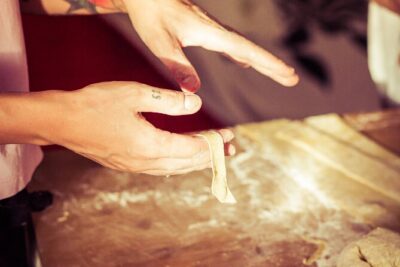
A lot of cooking classes fail because they turn into a demo. This class is designed so you do the steps. That’s what makes it useful back home. When you get to the stage where you’re blending spices or building the curry, you understand the logic, not just the outcome.
And yes, you’ll get guidance throughout. Susanthi speaks fluent English, so you won’t be stuck guessing what a step means or why you’re doing it.
Eating What You Made: The Best Part of the Class
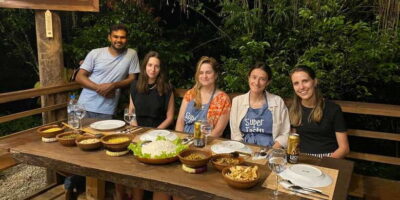
At the end, you sit down to dine on your meal. That’s not a throwaway detail. It’s one of the best ways to learn cooking, because you taste right after you make. You can connect flavor to technique while the process is still fresh in your mind.
You’ll also better understand Sri Lankan balance: curry-style sauces with coconut, vegetables cooked until tender, and a protein that fits the spice profile. When the meal is the payoff, you don’t leave with a half-successful takeaway—you leave with a full, satisfying plate and the confidence to recreate parts of it.
If you’re worried about portions: since the class ends in a full meal, it’s usually not just a snack. Think lunch-scale eating.
What Makes This Class Great Value at $59
At $59 for about 3 hours, the value isn’t only the cooking lesson. You’re also paying for:
- Market time where you select fish and vegetables
- All ingredients and tools provided
- Chef instruction with fluent English
- A full meal at the end
So you’re basically bundling a market experience plus a cooking workshop plus lunch in one package. That’s the math that makes this price feel fair, especially in a place where you’re already spending time getting to and from local food spots.
One more value point: private lesson format. The experience is advertised as private for your party. In real life, group behavior can vary, so it’s worth treating private as a goal, not an absolute guarantee. Still, when it runs as intended, you get more attention while cooking than you would in a larger group class.
Small Logistics That Can Make or Break Your Day
This is a “one afternoon / one sitting” type of experience. With a 10:00 am start and a 3-hour window, it fits nicely if you want something active but not too demanding on the rest of your day.
A few practical notes based on how the class is structured:
- You’ll be out during market time, so bring sunscreen and expect the tropical heat.
- You’ll be working with spices, so casual clothing you don’t mind smelling like curry is a good idea.
- The open-air kitchen and animal-viewing means you might be a little flexible if weather shifts. The experience requires good weather.
If you’re short on time in the Galle area, consider whether your schedule can handle a market start. It’s not a late-morning activity where you can roll in at 11 and still get the best ingredient choices.
Who Should Book This Cooking Class (and Who Might Pass)
You’ll likely love this class if you:
- Want a hands-on Sri Lankan cooking experience rather than a quick food tasting
- Enjoy markets and want to choose your ingredients
- Like curries and want to learn how spice blends and coconut bases work
- Prefer instruction in fluent English
You might pass (or at least think twice) if you:
- Really need a guaranteed one-to-one private experience
- Hate outdoor segments and want everything indoors
- Are very sensitive to spicy food, since you’ll be learning authentic spice use (even when you can adapt to your tastes)
This is also a strong pick for couples and small friend groups who want a shared activity that ends with a meal. If you’re traveling with kids, you’d need to judge whether they can handle market walking and active cooking time, but the class is clearly set up for family-style restaurant teaching.
Should You Book Sea Waves for Your Galle Food Day?
If you care about food you can actually recreate, I’d book it. The structure makes sense: market selection, chef-led steps, then eating what you cooked. You’ll leave with both skills and satisfaction.
My decision rule is simple: if you want a memorable Sri Lankan lunch that teaches you how to cook, not just what to eat, this delivers. If you’re trying to fill one hour with minimal effort, skip it and choose a tasting-only experience. This one is for people who enjoy participating.
FAQ
How long is the Sea Waves Sri Lankan cooking class?
It runs for about 3 hours.
What time does the class start in Galle/Unawatuna?
The start time is 10:00 am.
Is it a private cooking lesson?
It is described as a private tour/activity, with only your group participating.
Do you visit a market before cooking?
Yes. You go to the fish and vegetable market before the cooking starts so you can choose what you want to cook.
What do you cook during the class?
You cook Sri Lankan dishes with five vegetables plus fish or chicken, depending on your preference.
Are ingredients and cooking tools provided?
Yes. All ingredients and tools are provided.
Do you eat during the experience?
Yes. After the class, you dine on the meal you prepared.
What language does the chef use?
The chef speaks fluent English and guides you during the class.
What happens if the weather is bad?
The experience requires good weather. If it’s canceled due to poor weather, you’ll be offered a different date or a full refund.