REVIEW · SORRENTO
Sorrento: Pasta and Tiramisu Cooking Class with Wine
Book on GetYourGuide →Operated by The Roman Food Tour · Bookable on GetYourGuide
Fresh pasta plus dessert. In the sea air.
This Sorrento pasta and tiramisu cooking class is a break from photo stops, swapping in real hands-on cooking in a locally loved restaurant. You start with a welcome glass of Prosecco, then learn how Campania-style pasta dough comes together, before finishing with tiramisu and a meal paired with wine.
I especially like the way the instruction focuses on basics that actually matter: which flour to use, how to get pasta dough right, and the difference between fresh (pasta fresca) and dried pasta. I also love the setting and pacing—while you work, you’re eating and learning in a restaurant with ocean views, and the experience ends with the payoff: sitting down together to enjoy what you made.
One thing to consider is the route to the kitchen. The class happens at a restaurant reached by a short minibus ride from the meeting point, and a few guests noted that the drive can feel windy or a bit bumpy. Also, depending on the flow of the evening, you may not spend equal hands-on time on every sauce step.
In This Review
- Key things that make this class worth your time
- Meeting inside Terrazza delle Sirene, then heading to the cooking restaurant
- Prosecco welcome and a real look at how an Italian restaurant runs
- Fresh pasta dough: flour choices, texture checks, and shaping
- Tiramisu: building the dessert with real step-by-step guidance
- The ocean-view terrace meal: wine with what you cooked
- What you’ll take home: recipes and skills that stick
- Who this class fits best in Sorrento
- Price and value for a 3-hour Sorrento food experience
- Should you book Sorrento pasta and tiramisu with wine?
- FAQ
- Where is the meeting point for the class?
- How long is the cooking class?
- Is the class taught in English?
- Is transportation included?
- Do I cook pasta and tiramisu, or just watch?
- Will I eat during the class?
- Is there wine during the experience?
- Are recipes provided?
- Can I cancel for a refund?
- Can I reserve now and pay later?
Key things that make this class worth your time
- Prosecco first, then serious pasta work: you settle in with a welcome drink before you ever touch dough
- Fresh pasta techniques explained clearly: flour choice, dough texture, and working the dough step by step
- Pasta fresca vs pasta secca: you learn what changes when pasta is made fresh vs dried
- Tiramisu you can actually repeat at home: layered guidance, not vague instructions
- Meal + wine pairing at the end: you eat on site, not just cook for a photo op
- English-speaking instructors with personality: names like Massimo, Maria, Antonio, Lara, and Francisco show up in different sessions
Meeting inside Terrazza delle Sirene, then heading to the cooking restaurant
Your day starts at Terrazza delle Sirene, and you’ll meet inside the restaurant. The address is simple: once you’re there, look for the staff to bring you into the flow of the class.
From this meeting point, you’ll take a short minibus ride to the restaurant where the cooking happens. The upside is you’re not stuck schlepping on foot with ingredients and time pressure. The tradeoff is that it’s still a road trip, and that means you should expect turns and some wind when conditions are rough.
As soon as you arrive at the cooking venue, you’re not dropped into a back room. You get a proper start: a welcome glass of Prosecco, then a quick behind-the-scenes look at how the restaurant runs. That matters more than it sounds. When you understand the rhythm of a real Italian kitchen, the rest of the class feels less like a demo and more like you’re joining the process.
You can also read our reviews of more tours and experiences in Sorrento.



Prosecco welcome and a real look at how an Italian restaurant runs
This isn’t a glossy “show kitchen.” You get a glimpse of the restaurant’s setup and the way service is organized, which gives context to what you’re about to cook.
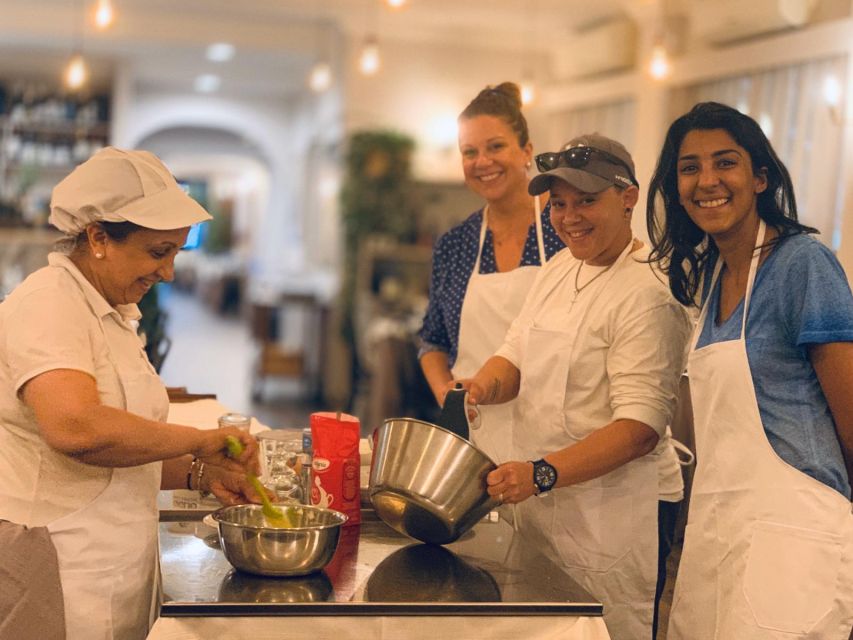
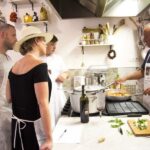
You’ll typically settle in, get oriented, and then it’s time to tie on your apron and head into the kitchen. One of the best parts of the structure here is that you’re guided from workstation to workstation instead of wandering. That keeps the pace comfortable for people who cook a lot and also for people who feel nervous about dough and timing.
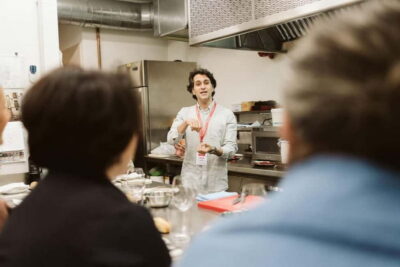
In multiple sessions, the energy is also very human. Instructors like Maria, Massimo, Antonio, Lara, and Francisco are described as patient and attentive, often with a sense of humor. That’s not just entertainment. It makes it easier to ask questions without freezing when your pasta shape isn’t perfect.
Fresh pasta dough: flour choices, texture checks, and shaping
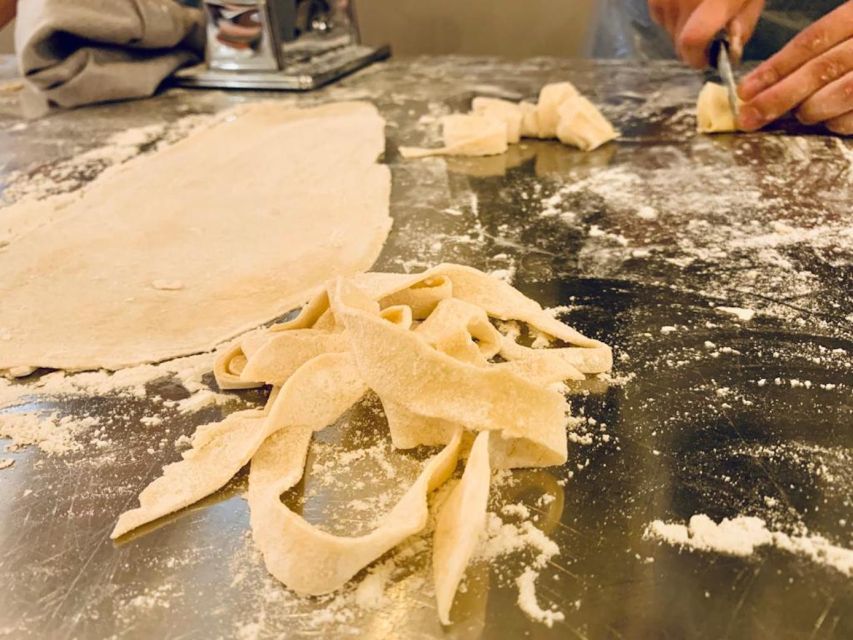
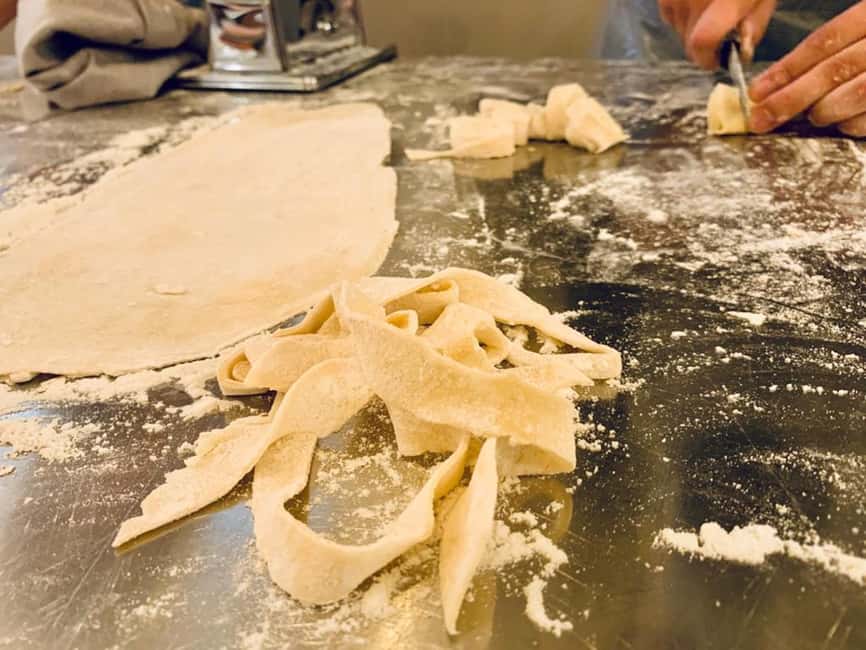
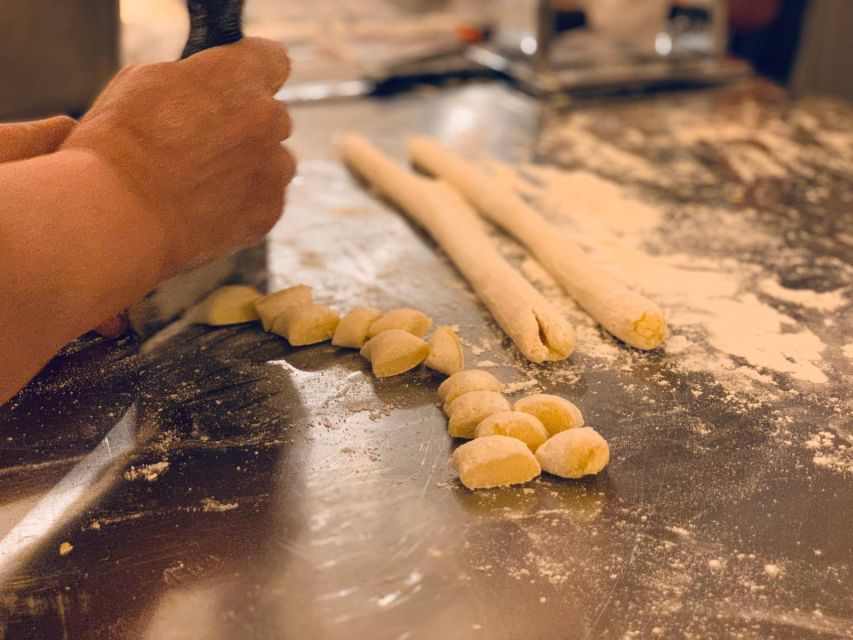
Now for the core skill: pasta from scratch.
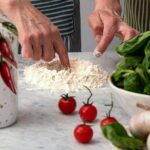
You’ll work your way through making pasta dough, with step-by-step help. The teaching points that stand out are practical and specific:
- which flour to use
- how to build pasta dough to the right feel
- how to work the dough for the pasta type you’re making
- the difference between pasta fresca and pasta secca
The pasta lesson is valuable even if you never plan to make filled ravioli at home. Most “try it once” classes skip the why. Here, you learn how to think about dough texture and consistency, which is the real difference between success and a sticky mess.
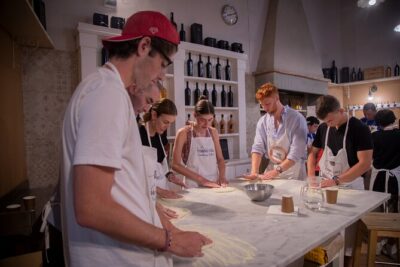
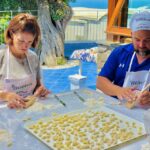
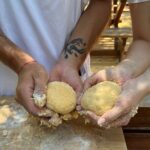
You’ll also do the physical work—rolling, shaping, and handling the dough—under guidance. That’s where the hands-on value shows. It’s not only about eating later. It’s about getting your hands involved so the method sticks.
If your session includes two pasta styles, you might see combinations like tagliatelle or filled pastas (some guests mention spinach-sage ravioli). Don’t worry if you’re not a pro. The emphasis is on learning technique and finishing your own plate, not competing for restaurant perfection.
Tiramisu: building the dessert with real step-by-step guidance
After pasta comes the sweet finish: tiramisu.
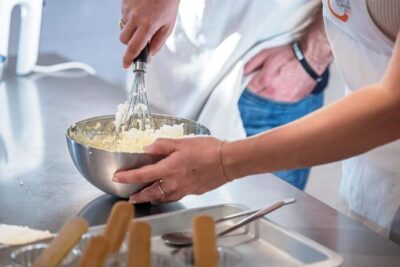
This portion is a clear contrast from the savory cooking. Pasta dough is about feel and structure; tiramisu is about timing and layering. You get guidance to prepare tiramisu step by step, with enough direction to keep the process from turning into chaos.
This is one of the biggest reasons I think this class works for a wide range of skill levels. Pasta can intimidate people. Tiramisu can intimidate people too, but for different reasons. Here, you’re shown how to assemble it in a way that sets up correctly for serving.
The payoff is that you don’t just taste a finished dessert in a waiting room. You make it. You watch it come together. And then you get to eat it as part of the meal pairing.
The ocean-view terrace meal: wine with what you cooked
Once your work is done, you sit down together for lunch or dinner, paired with wine. This is where the class becomes more than an activity and turns into a real eating experience.
A standout detail: the dining area includes breathtaking views of the ocean, so you’re not stuck indoors staring at a wall. Some sessions are described as having a sunset view from the dining area, which makes the whole experience feel like it has a built-in “good mood” factor.
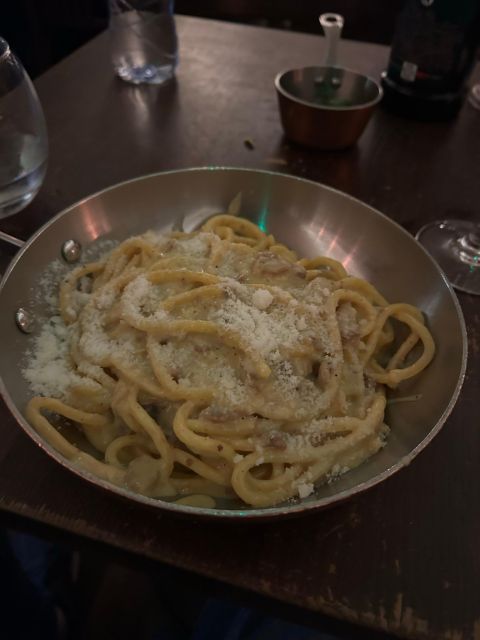
You’ll start with Prosecco earlier, and then there’s wine with the meal. Some guests also mention limoncello as part of the tasting at the end. Even if you don’t get limoncello, you’re still leaving with the essential pairing: savory pasta, your own tiramisu, and a glass of wine that makes it taste even better.
A practical note: the experience is designed to be social. You’re eating with the group, chatting as you go, and sharing the small wins and laughs that come with getting your pasta shape right and then realizing how good simple food can taste when it’s done with care.


What you’ll take home: recipes and skills that stick
This is the part that turns a cooking class from entertainment into something you can use again.
Many sessions end with a printed copy of the recipes, so you can recreate what you made later. That’s a huge value point because cooking memories blur fast, but written steps keep the method intact.
More importantly, the techniques you learn are portable:
- how to approach fresh pasta dough instead of guessing
- how to understand when dough needs more work (and when it’s ready)
- how to handle tiramisu layering without overthinking it
So even if you don’t cook pasta every week, you’ll still have the confidence to try. And if you do cook at home, you’ll appreciate learning the logic behind flour and dough texture rather than only following vibes.
Who this class fits best in Sorrento
This one is especially good if you want to balance “seeing” with “doing.”
It’s a great match for:
- couples looking for a relaxing evening that’s not another crowded attraction
- food lovers who want real hands-on instruction
- first-time cooks who need the basics taught clearly
- groups who like meeting people without it turning into a forced party
It also works well after a day of walking. One guest described it as a perfect reset after a heavy sightseeing week, and that feels right. You’re not grinding through a long museum route. You’re working, eating, and enjoying the view.
If you’re the kind of traveler who loves authenticity, this has it in the form of the restaurant setting and the focus on regional techniques. You’re learning how the food is made, not only being told why it’s famous.
Price and value for a 3-hour Sorrento food experience
Even without seeing a price tag here, you can judge value by what’s included.
For 3 hours, you’re getting:
- guided hands-on pasta dough work
- guided tiramisu preparation
- a meal (lunch or dinner) where you eat your results
- Prosecco on arrival and wine with your meal
- instruction in English
- a short minibus ride to the cooking restaurant (transport included)
The value is strongest when you treat it as both a skill session and a meal experience. If you love food, you’re paying for ingredients, instruction, wine, and the terrace setting. If you’re expecting a quick tasting with no real work, you might feel the price is heavier than what you get.
Also, plan your expectations for sauces. The structured focus is on dough and tiramisu, and some guests wished for more detail on sauce-making. So if sauces are your main obsession, you might enjoy the class even so, but don’t expect a sauce workshop that’s as in-depth as the dough and dessert.
Should you book Sorrento pasta and tiramisu with wine?
Book it if you want a Sorrento highlight that feels local, not touristy-by-default. This is the kind of activity that turns a trip into a story you can repeat at home: fresh pasta technique, a real tiramisu method, and a meal with wine while you watch the sea.
Skip it (or choose another option) if:
- you strongly dislike minibus rides and think road conditions will bother you
- you’re only interested in tasting and want zero hands-on cooking
- you want a very sauce-heavy class, not mainly dough and tiramisu
If you’re on the fence, I’d lean toward booking. The combination of ocean-view setting, step-by-step instruction, and the simple fact that you end by eating what you made is a rare mix for a short time slot.
FAQ
Where is the meeting point for the class?
You meet inside Terrazza delle Sirene in Sorrento. The coordinates listed are 40.62791061401367, 14.374587059020996.
How long is the cooking class?
The experience runs for 3 hours.
Is the class taught in English?
Yes. The instructor provides instruction in English.
Is transportation included?
Yes. The class takes place at a restaurant reached by a short minibus ride from the meeting point, and the transport cost is included.
Do I cook pasta and tiramisu, or just watch?
It’s hands-on. You’ll tie on an apron and work at your workstation to make pasta dough, then prepare tiramisu.
Will I eat during the class?
Yes. At the end, you sit down together for lunch or dinner while you enjoy what you cooked.
Is there wine during the experience?
Yes. You receive a welcome glass of Prosecco, and you’ll also sip wine with your meal.
Are recipes provided?
Yes. Some guests mention receiving a printed copy of the recipes at the end.
Can I cancel for a refund?
Yes. The experience offers free cancellation up to 24 hours in advance for a full refund.
Can I reserve now and pay later?
Yes. You can reserve and use the pay later option.