REVIEW · CRETE
Chania: Authentic Cooking Class in the White Mountains
Book on GetYourGuide →Operated by GS tours · Bookable on GetYourGuide
Cooking in Crete starts with a mountain hike. In Chania’s White Mountains, this class turns a meal into a whole afternoon of olive stories, fresh herbs, and hands-on Cretan cooking. You cook with ingredients that come from the place you’re standing, then you sit down to eat what you made with cheese and local wine.
I especially love two parts: the garden-to-table feel (vegetables and herbs you can name while you chop), and the way the guides like Alex and the chef team like Maria make each dish come with context, not just steps. You finish with a dinner spread that includes appetizers such as ntakos and tzatziki, plus a sweet jar dessert finish.
One possible drawback: there’s real walking involved, including a scenic mountain walk, so plan for uneven ground and wear shoes that actually work.
In This Review
- Quick hits before you go
- White Mountains Cretan Cooking: What Makes This Class Different
- Meet Your Guides and the Cretan Kitchen Crew
- The Vegetable Garden Start: Learn the Ingredients First
- Shepherd Stories and the Olive Harvest Moment
- From Ntakos to Tzatziki: Hands-On Cooking You Can Recreate
- Cretan Cheese and Wine: Tasting That Feels Like Setup, Not Sidetrack
- Dinner Together: A Shared Table and a Real Sense of Place
- Dessert in Jar Form: The Sweet Finish That Sticks
- Price and Value: Is $129 Worth It?
- Logistics That Actually Matter: Timing, Transport, and What to Bring
- Who This Cooking Class Is For (and Who Might Skip It)
- Should You Book This Chania Cooking Class in the White Mountains?
- FAQ
- How long is the cooking class?
- What does the price include?
- Is pickup available in Chania?
- What language is the class taught in?
- Will I be cooking, or mostly watching?
- What should I bring?
- Is free cancellation available?
Quick hits before you go
- White Mountains setting that feels like more than a kitchen class
- Garden herbs and vegetables you help prepare into the meal
- Ntakos and tzatziki cooking that goes beyond recipes on paper
- Cretan cheese and wine tasting that sets up the dinner
- Family-run hospitality where you’re treated like invited guests
- Animal time like feeding sheep or goats, depending on the moment
White Mountains Cretan Cooking: What Makes This Class Different
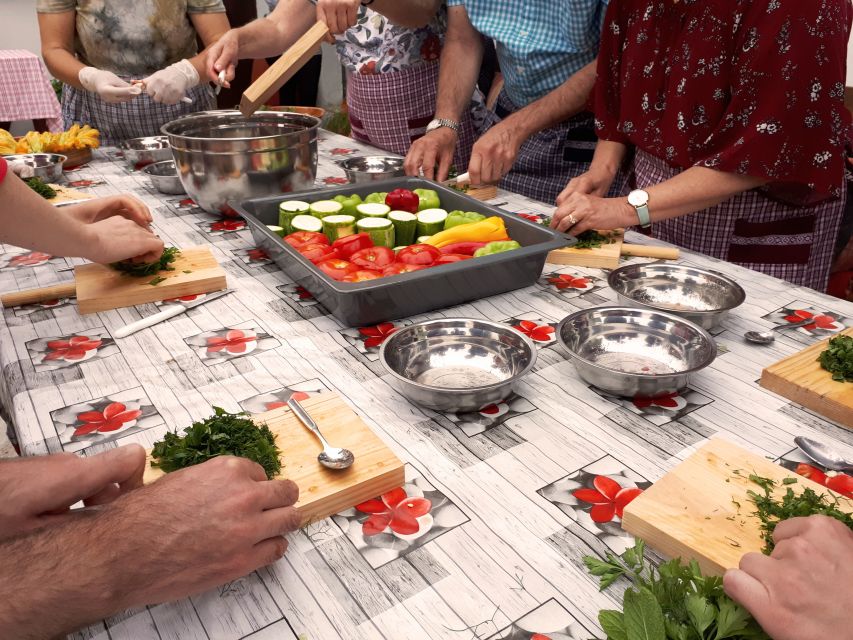
Most cooking classes teach recipes. This one teaches how Cretans think about food.
The setting matters. You’re in the foothills near Chania, moving from a vegetable garden to a shepherd area, with stories attached to what you’re tasting and cooking. It’s not just about learning how to make ntakos or tzatziki. It’s about why extra virgin olive oil, herbs, and seasonal vegetables sit at the center of the Mediterranean diet.
And the day doesn’t feel like a rushed workshop. You’re guided around the property, you help with dinner, and you share the meal afterward. That rhythm is what makes it memorable, especially if you like experiences where people take time.
You can also read our reviews of more tours and experiences in Crete.
Meet Your Guides and the Cretan Kitchen Crew
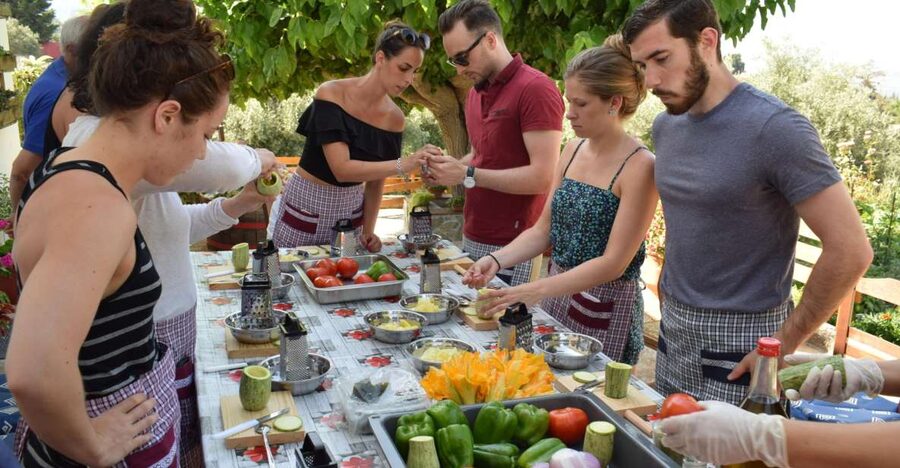
English instruction is part of the deal, and the communication tends to be a strong point. Multiple guides are mentioned in the program history, including Alex, Yannis, Costas, Giannis, Kosko, and Costa. Whoever you get, the common thread is storytelling—how food connects to land, family habits, and local tradition.
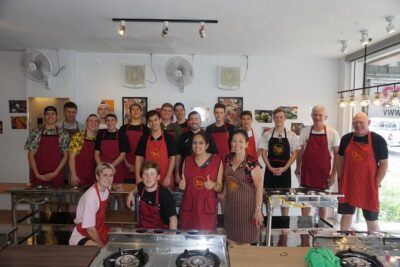
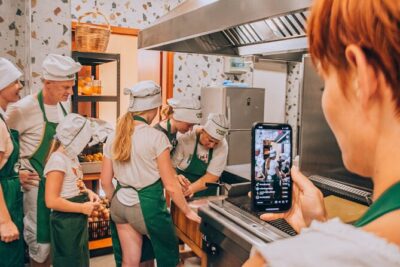
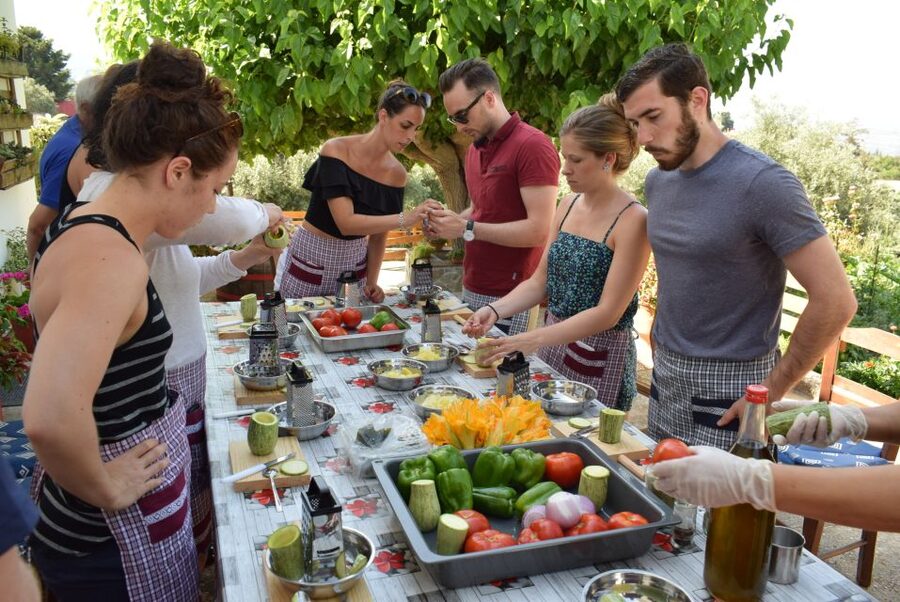
On the cooking side, the names that come up often are Maria and other family members who teach the dishes. The teaching style is practical: you’re not just standing back watching someone else cook. You’ll be using utensils, wearing an apron, and working through the dinner with guidance.
If you’re traveling solo, this is one of those days that can make you feel instantly included. The meal is shared, the group is small, and the host energy is very welcoming in the way people talk, show, and explain.
The Vegetable Garden Start: Learn the Ingredients First
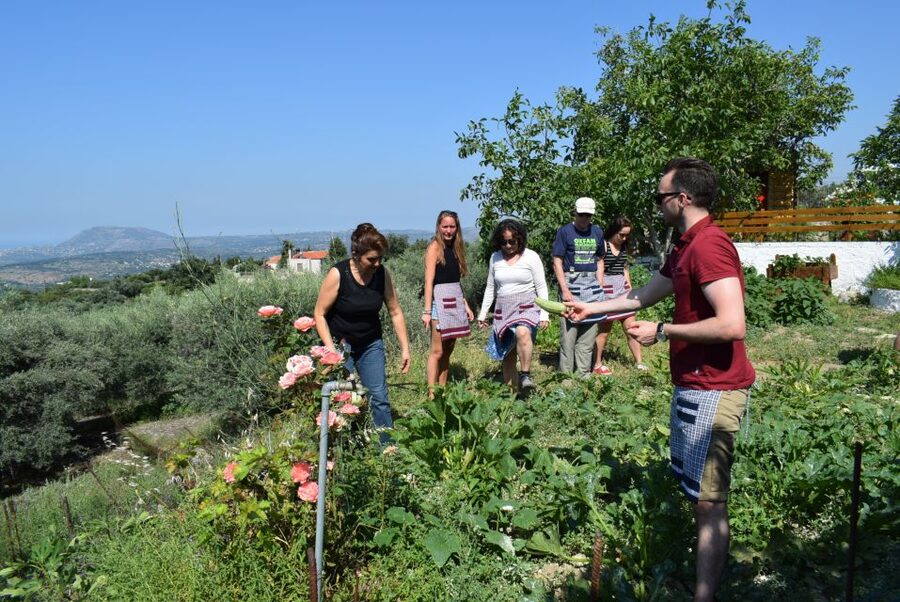
The day begins with a relaxed stroll through the vegetable garden. This part is quietly important because it changes how you understand the cooking later.
You’ll connect with what’s in season: vegetables and aromatic herbs, plus the orchard and farm feel of the property. Even if you don’t cook much at home, you’ll leave with a clearer sense of what Cretan flavor actually tastes like—olive oil, herbs, and simple ingredients treated with respect.
Practical tip: this is also where you’ll want comfortable shoes. The path is scenic, but you’re walking outdoors while the group gets oriented. Sunglasses help too, since you’ll have sun and mountain light.
Shepherd Stories and the Olive Harvest Moment
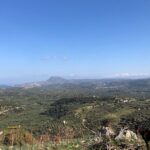
After the garden, you’ll take a scenic mountain walk to a shepherd’s area. The big theme here is olive harvesting and how olives shaped everyday life on the island.
This isn’t a museum-style lecture. You’re moving through the terrain, and the guide ties the story to what olive oil represents: a staple fat, a preservative, a cooking base, and a cultural symbol. The timing works well if you like learning while walking, not only sitting.
You might also get to interact with farm animals—sheep or goats show up in descriptions of the experience. One of the most repeated details is the chance to feed the animals, which adds a playful break from cooking and makes the place feel alive.
A consideration: if you’re short on stamina, this is still manageable for many people, but it’s not a fully indoor class. Bring a jacket. Mountain air can be cooler than Chania’s waterfront.
From Ntakos to Tzatziki: Hands-On Cooking You Can Recreate
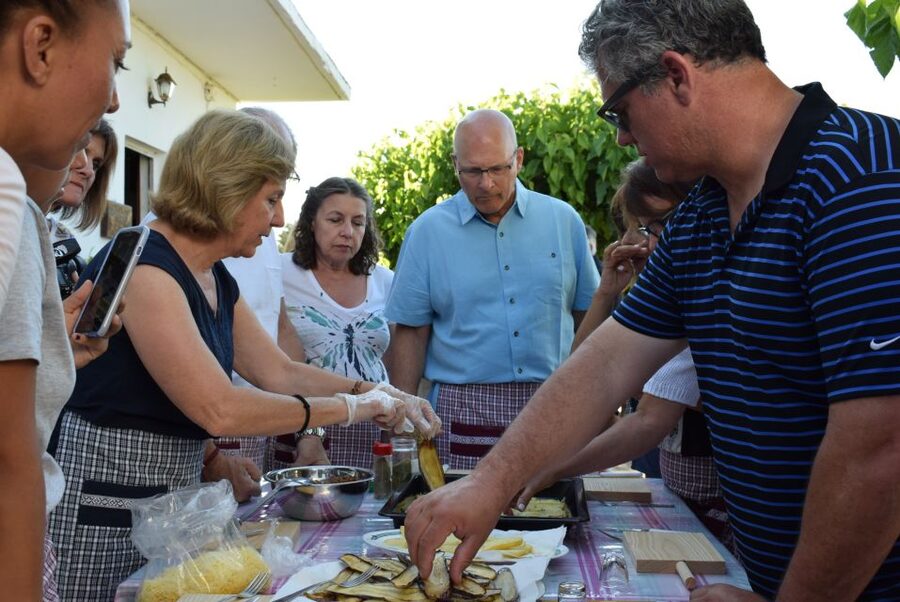
The heart of the class is cooking a traditional Cretan meal. You’ll return to the main cooking space after the farm portion, and that’s where the dinner takes shape.
You’ll work on appetizers that include:
- Ntakos (Cretan-style barley rusk or base topped with ingredients)
- Tzatziki (yogurt-based with cucumber and herbs)
What I like about this setup is that it teaches technique through real assembly. You’re not just measuring blindly; you’re building flavor. And because the ingredients connect back to the garden stroll, the food makes more sense when you taste it.
Expect the teaching to focus on the Mediterranean basics:
- extra virgin olive oil as a centerpiece, not an afterthought
- fresh herbs for aroma and balance
- local produce and simple seasoning that depends on quality
If you’ve ever made tzatziki that tasted bland, you’ll understand why Cretans put so much emphasis on herbs and texture. This class gives you the method and the flavor logic.
Cretan Cheese and Wine: Tasting That Feels Like Setup, Not Sidetrack
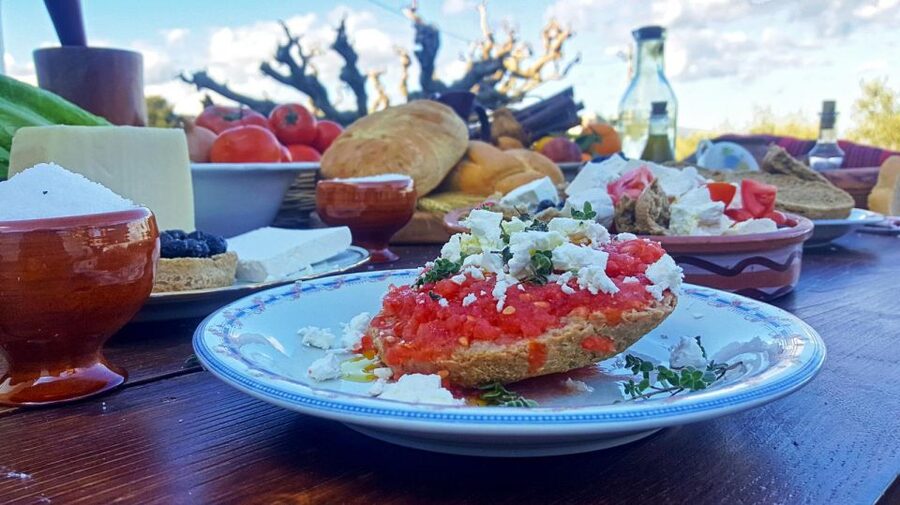
Before the full dinner, there’s a cheese and wine tasting. This isn’t just for fun—it helps you understand what you’ll be eating.
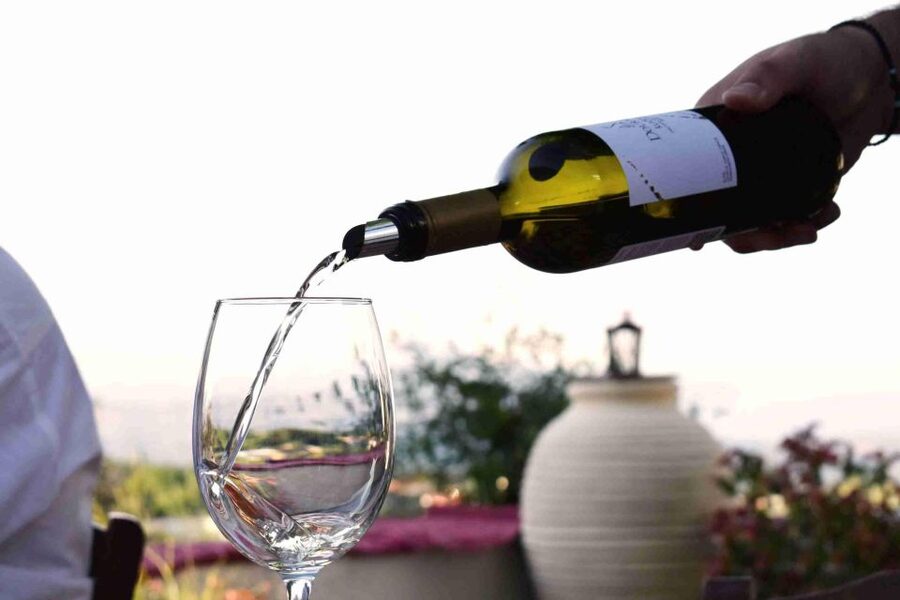
You’ll sample local wines and Cretan cheese, then you use that experience to guide your dinner pacing. The pairing makes sense because the menu and the tasting are designed to build toward the meal you’re cooking. It’s a good approach if you enjoy food that has a story behind it.
There are two practical wins here:
- You taste first, so you’re more likely to notice texture and herb notes while cooking.
- You get a sense of the right flavor direction for the final table.
Some days also start or continue with a welcome drink like raki. Either way, alcohol and food are part of the experience, so plan to slow down and enjoy.
Dinner Together: A Shared Table and a Real Sense of Place
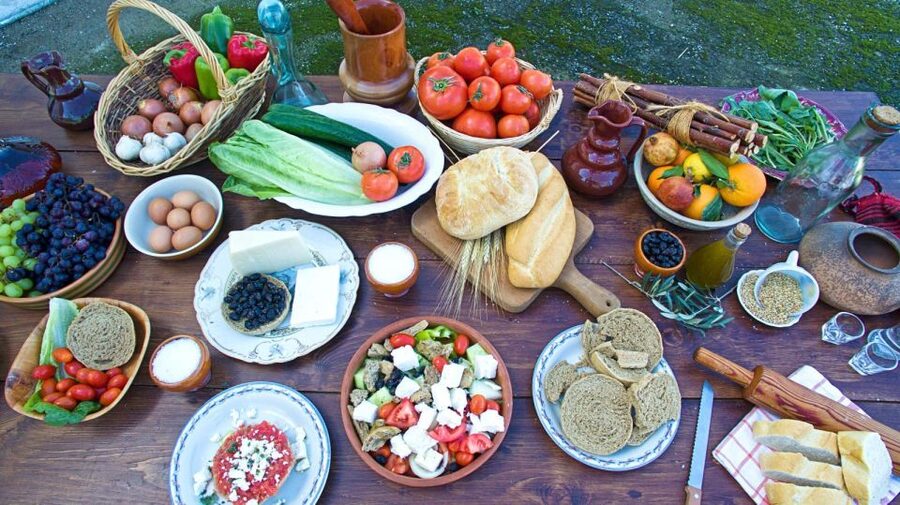
After cooking, you sit down and enjoy what you made. The dinner includes local dishes built around ingredients sourced from the farm setting or the local region, plus regional wine pairings.
This is the moment where the “small group” format really helps. You’re not eating alone after a class. You’re sharing the meal with the people who cooked alongside you, while hosts explain details about the dishes.
One detail I appreciate in the descriptions: attention to waste. There are notes that leftover food was provided to the community, so the experience carries a responsible vibe. It’s a nice counterpoint to the purely consumptive side of tourism.
And yes, views matter. The White Mountains backdrop shows up in the property descriptions again and again. Even if you’re focused on the food, you’ll likely pause at some point because the setting puts you in a calmer mood than a city kitchen.
Dessert in Jar Form: The Sweet Finish That Sticks
The class ends with traditional jar desserts—sweet, old-school, and made to close out the meal comfortably. The jar format fits the theme of practical tradition: easy to portion, easy to share, and often more stable than delicate pastries.
The best part of this finish is timing. You’ve cooked savory appetizers and dinner components, tasted cheese and wine, and walked a good chunk of the property. The dessert gives your palate a clear ending without dragging the meal too long.
Price and Value: Is $129 Worth It?
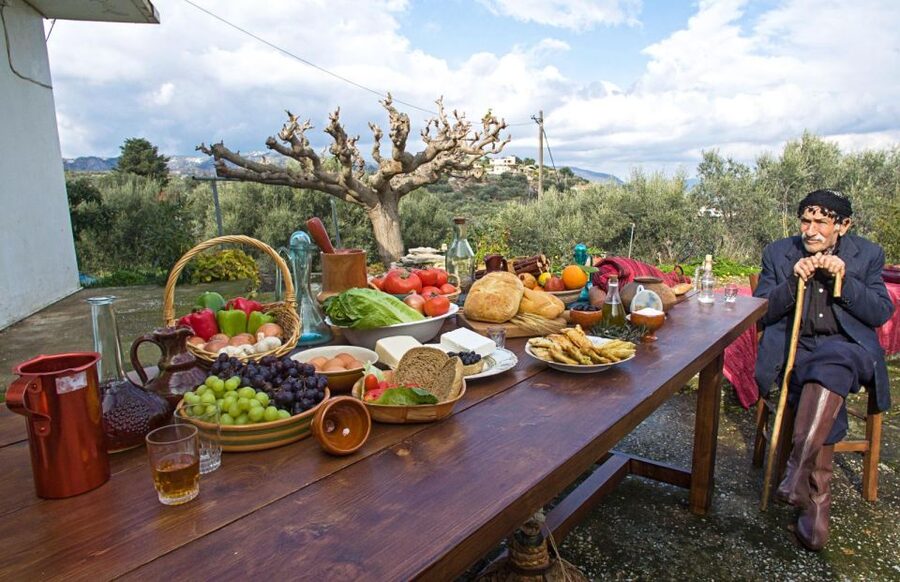
At $129 per person for a roughly 6-hour experience, the value depends on what you want from a vacation day.
Here’s what your money covers, based on the provided details:
- pickup and drop-off within the Chania region
- air-conditioned minivan transport
- a small group cooking class and shared meal
- all ingredients and use of cooking utensils/apron
- wine and food tasting
- commemorative gifts
- recipes and photos emailed afterward
- local taxes and liability insurance
That’s not just cooking instruction. You’re paying for an entire farm-to-table day, including transport, tasting, meal, and the hosts’ time. And the class is designed as an experience package: garden walk, shepherd story, cooking instruction, wine/cheese tasting, dinner, and dessert.
If you compare it to a one-off cooking class in a city, this one tends to feel like better value because so much is included beyond the kitchen: the setting, the animal time, and the stories. The same guides and families are repeatedly described as warm and organized, which matters because a smooth flow makes the day feel relaxed instead of chaotic.
Still, if you’re not a walker or you don’t like wine/cheese as part of your activities, then the structure might feel less aligned with your preferences.
Logistics That Actually Matter: Timing, Transport, and What to Bring
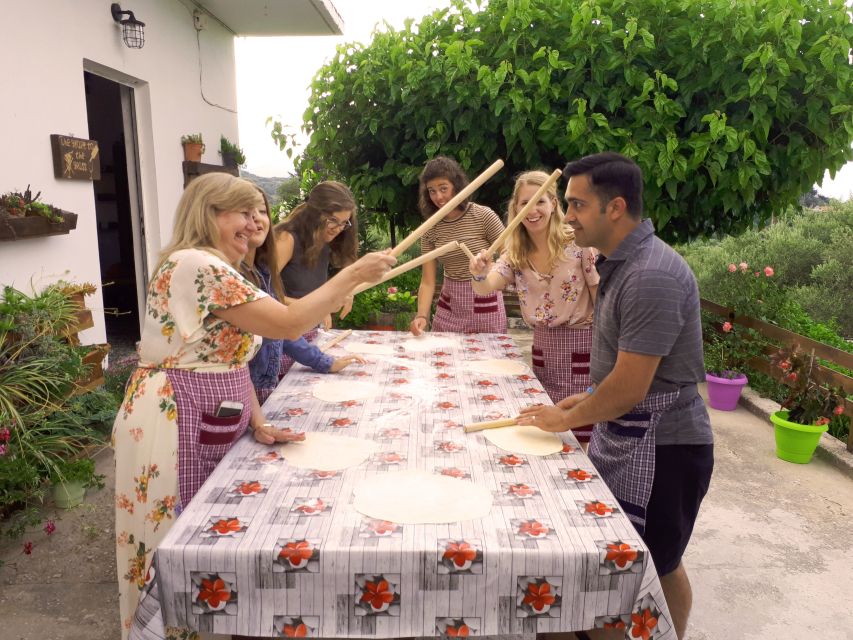
This experience includes pickup within the Chania region and uses an air-conditioned minivan. Transport is described as highly rated, and pickup/drop-off is part of the package, which is a big help if you’re staying in town and don’t want to rent a car.
You’ll want:
- Comfortable shoes for uneven outdoor ground
- sunglasses for sun and glare
- a jacket for mountain air
One small practical note from the descriptions: you may not have frequent opportunities for water during the earlier part of the day. If you’re the type who drinks often while walking, bring a water bottle and keep it handy.
Duration is listed as 6 hours, but it can feel like a full day because it rolls from farm walks into cooking, tasting, dinner, and dessert. Plan your evening accordingly.
Who This Cooking Class Is For (and Who Might Skip It)
This class is a great fit if you:
- want to learn Cretan cooking in a hands-on way
- enjoy olive oil, herbs, cheese, and wine as part of food culture
- like small groups and family-style hospitality
- want more than a recipe card—stories and context matter to you
It might be less ideal if you:
- dislike walking outdoors, even short distances
- want a strictly indoor, quiet activity
- don’t want alcohol included in the meal experience
For families with kids, it’s not described in the provided data, so I can’t promise how it plays with young visitors. For most adults, though, it reads as approachable and welcoming.
Should You Book This Chania Cooking Class in the White Mountains?
If you want a memorable Crete day that’s actually tied to place, this is a strong yes. The combination of farm-grown ingredients, cooking appetizers like ntakos and tzatziki, and the shared dinner with cheese and wine is exactly the kind of experience that makes a destination feel real.
I’d book it if you’re hungry for hands-on food learning, comfortable with some outdoor walking, and you want a smaller, warmer group vibe rather than a big bus-and-billboard day.
I’d pause only if outdoor walking is a dealbreaker for you, or if you’d rather spend your time purely on beaches and city sightseeing with no farm pace.
If the idea of cooking with Mediterranean basics and ending with jar dessert sounds like your kind of evening, reserve your spot and enjoy the kind of meal that has a story behind every bite.
FAQ
How long is the cooking class?
The experience lasts 6 hours.
What does the price include?
It includes pickup and drop-off, transportation by air-conditioned minivan, a small group cooking class and meal, all ingredients, apron and cooking utensils, wine and food tasting, commemorative gifts, and recipes/photos emailed after the experience.
Is pickup available in Chania?
Yes. Pickup is included from specific locations within the Chania region, and you’ll also be dropped back off.
What language is the class taught in?
The instructor is English.
Will I be cooking, or mostly watching?
You’ll learn to cook and prepare traditional recipes as part of the class.
What should I bring?
Wear comfortable shoes, and bring sunglasses and a jacket.
Is free cancellation available?
Yes. You can cancel up to 24 hours in advance for a full refund.