REVIEW · CHIANG MAI
Chiang Mai: Cooking Class with Market Tour and Pickup
Book on GetYourGuide →Operated by Chiang Mai Daddy's Kitchen · Bookable on GetYourGuide
Cooking your way through Chiang Mai works. You’ll start with a local market visit, then cook Thai favorites with a local chef in a Thai Lanna home-style setting. I especially like the hands-on setup: you don’t just watch, you actually make spring rolls, papaya salad, and curry paste with fresh herbs you picked up yourself.
Two big wins for me are the ingredient quality and the teaching style. The class is built around a Thai family kitchen vibe, and the English-speaking instructors (often guides like Ally, Ellie, and Tu) keep things clear and fun, even when the pace gets lively.
One thing to consider: you’ll be busy for about 3.5 hours, and you’ll likely eat more than you planned. Go in with an appetite, and be ready to skip alcohol during the class.
In This Review
- Key highlights worth aiming for
- How the market tour changes your cooking
- Daddy’s Kitchen: Thai Lanna home-style cooking, not a showroom
- The menu: what you’ll cook (and how choices work)
- You’ll learn the core dishes
- You choose additional dishes
- Curry paste from scratch is the real chef moment
- Portion size and why you should skip a big dinner plan
- The instructors: the secret sauce is the teaching tone
- Timing, meeting points, and how to not feel rushed
- Price and value: why $25 feels fair here
- What to bring and what to expect about comfort
- Should you book Chiang Mai Daddy’s Kitchen cooking class?
- FAQ
- How long is the Chiang Mai cooking class?
- Is hotel pickup included?
- Where do we meet?
- What dishes will I learn to cook?
- Can I choose a curry paste to make?
- Is the class beginner-friendly?
- Do I need to speak Thai?
- What should I bring, and is alcohol included?
Key highlights worth aiming for
- Local fresh market tour where you learn what’s what before you cook
- Daddy’s Kitchen in the old city for a Thai family home-style class setup
- Hands-on station + wok so you actively cook every dish you choose
- Make curry paste from scratch (green, red, yellow, Masmun, or Khao soi-style)
- Lots of food + real portion sizes, not a tiny tasting experience
- Online recipe book and photo set (often delivered as PDF after class)
How the market tour changes your cooking
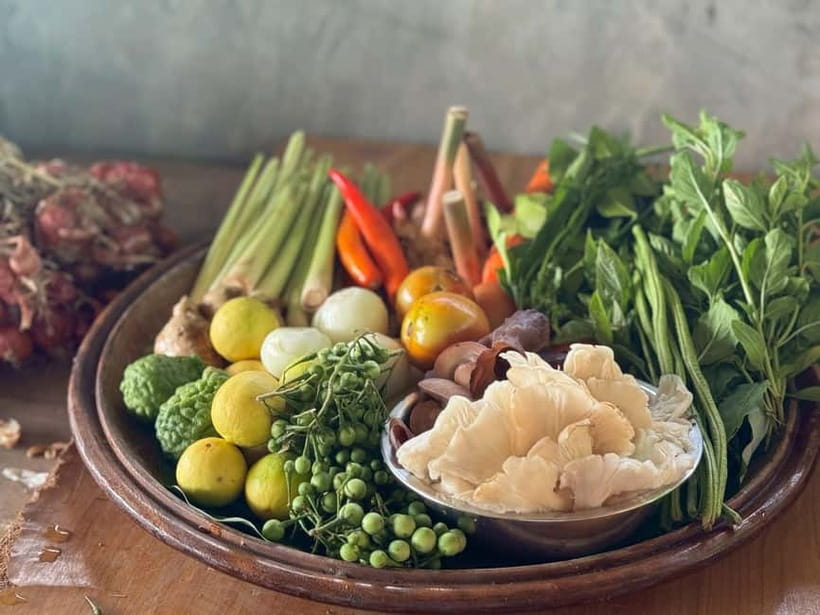
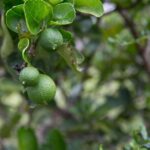
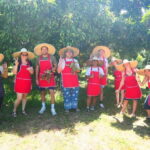
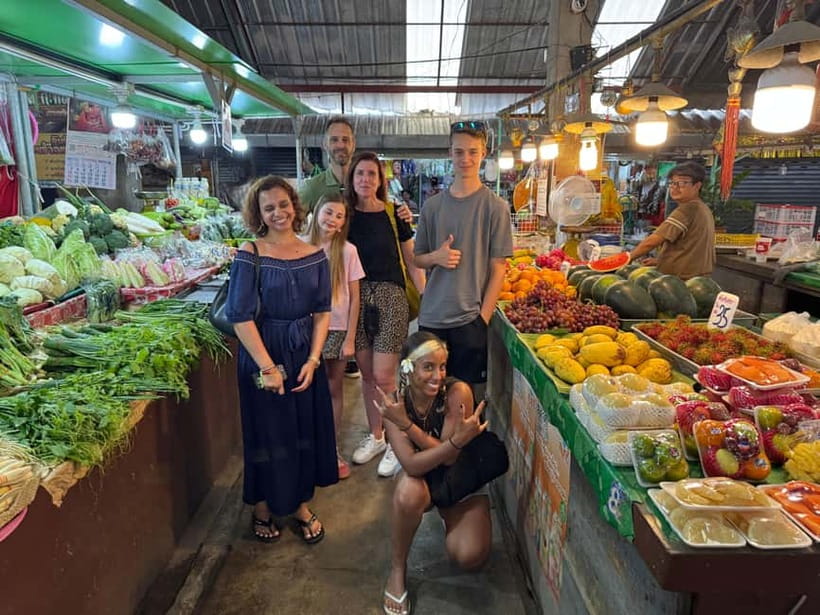
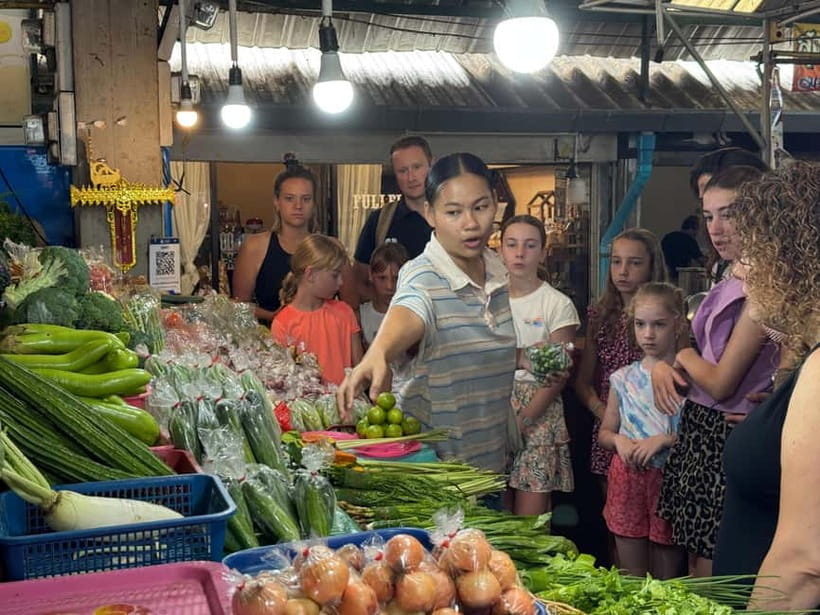
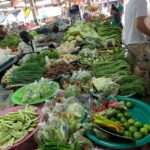
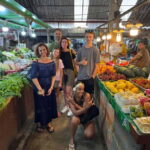
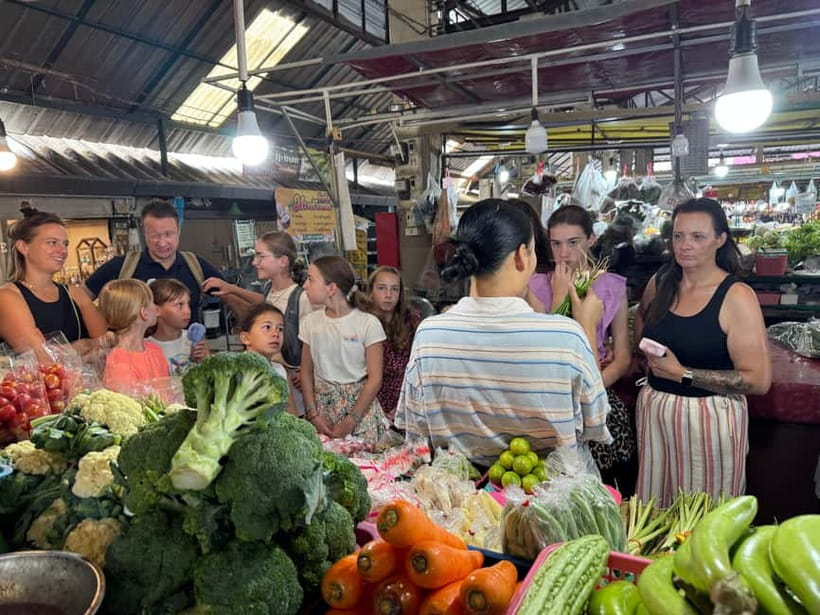
Most Chiang Mai cooking classes start with a kitchen. This one starts with the ingredients that make Thai food taste like Thai food. You’ll meet near Thapae Gate, then head out to a local fresh market to buy the herbs, spices, and cooking ingredients you’ll use later.
This is where the experience becomes practical, not just fun. You’ll get a feel for how Thai cooks think—what to choose when something is fragrant, how greens and herbs behave when you bruise or stir-fry, and why certain aromatics matter more than you’d guess. If you’ve ever tried to cook Thai food at home and ended up with something that tasted close but not quite right, this market step is the fix. It’s hard to “fake” fresh herbs.
And yes, you also get the joy of wandering a real market while everything smells like food. It’s educational in a light way, with enough time to ask questions and get your bearings.
You can also read our reviews of more tours and experiences in Chiang Mai.
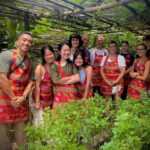
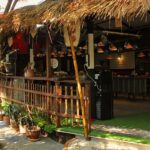
Daddy’s Kitchen: Thai Lanna home-style cooking, not a showroom
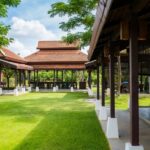
After the market, you return to Daddy’s Kitchen, a Thai Lanna home-style cooking space located in Chiang Mai’s old city. There’s usually a welcome drink and snack first, which helps you settle in before you start chopping and cooking.
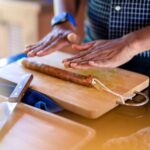
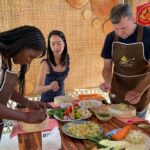
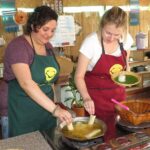
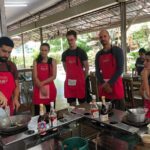
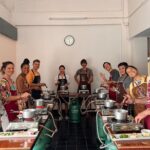
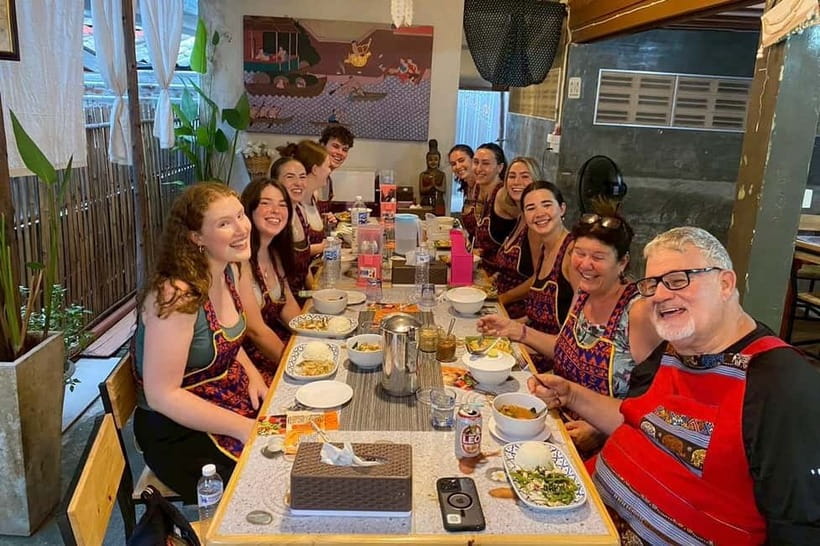
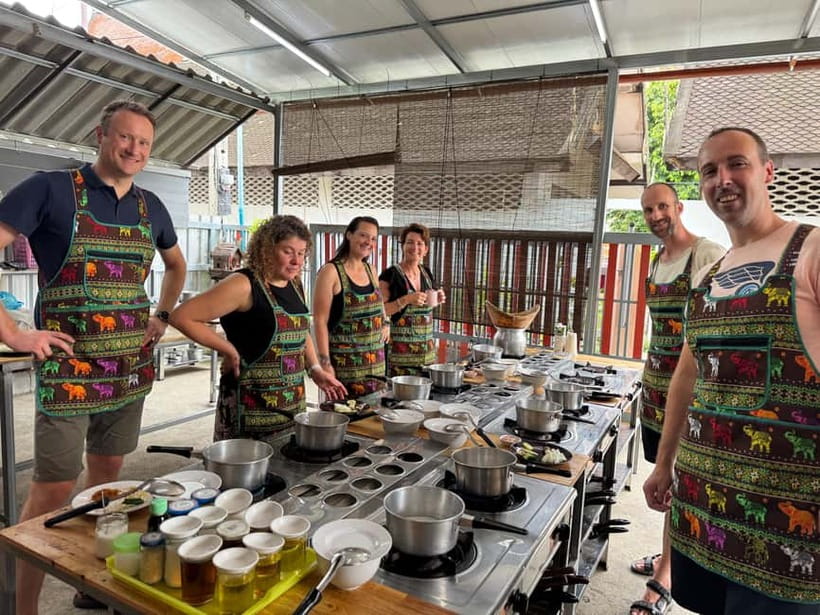
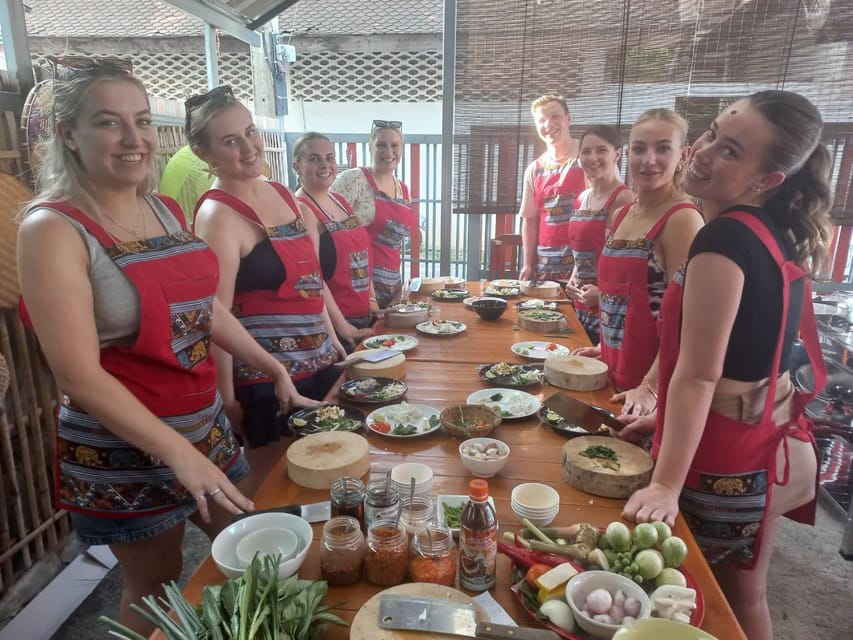
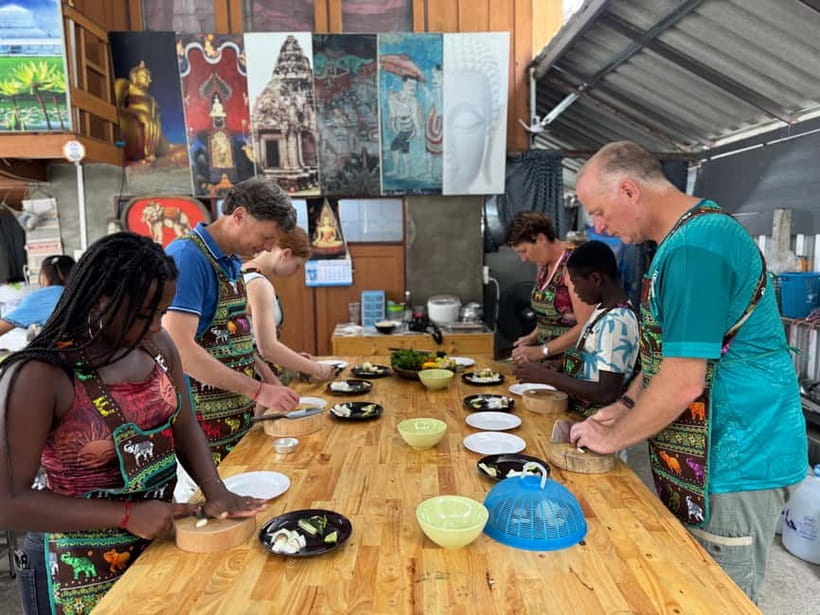
The format is built around learning stations—everyone gets their own station and a wok. That matters more than people think. If you’re stuck watching someone else cook, you learn less. Here, you learn faster because you’re doing the work: mixing, frying, tasting, and adjusting.
The vibe also feels personal. In the best moments, the instructors (commonly Ally, Ellie, or Tu) turn the class into something you’d do with friends, using humor and clear, step-by-step guidance. One of the recurring themes from the class experience is that the pace stays manageable even in Chiang Mai heat and humidity, without turning the session into chaos.
The menu: what you’ll cook (and how choices work)
The class is designed so you cook a full meal worth of Thai food, not a couple of sample dishes. You’ll start with core items, then build the rest of your menu based on selections.
You’ll learn the core dishes
From the class structure, you can expect hands-on instruction for:
- Spring rolls
- Papaya salad
- Sticky rice
- Sweet sticky rice with mango
Those are great picks because they teach different cooking skills. Spring rolls give you texture work. Papaya salad forces you to get the balance right between sweet, sour, salty, and spicy. Sticky rice is all about method and timing, not just ingredients. Mango sticky rice then shows you how Thai desserts can be simple but very precise.
You choose additional dishes
After the core dishes, you’ll pick additional options from a set of selected choices. Based on the provided menu options, expect you’ll be able to select items like:
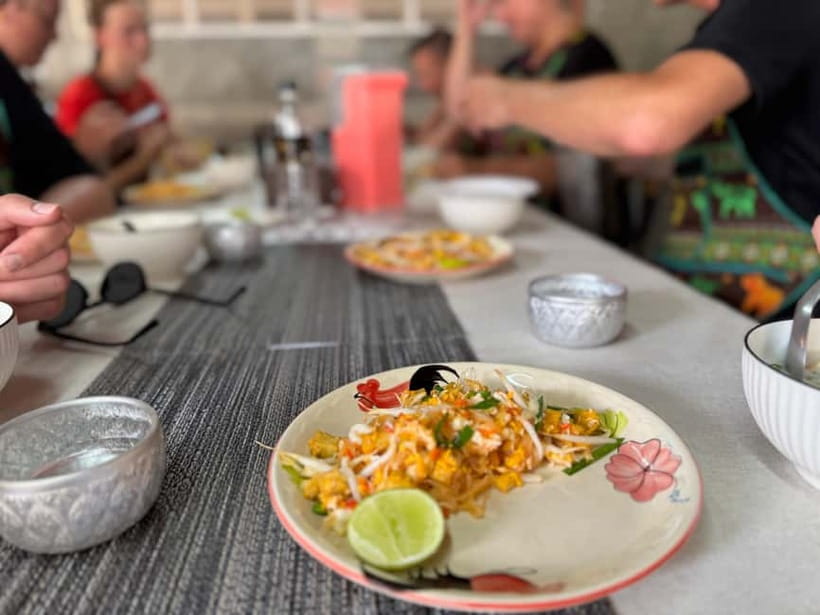
- Pad Thai
- Fried chicken–cashew nuts
- Fried chicken
- Tofu with holy basil
You’ll also choose a soup from options such as:
- Tom-Yam-Koong
- Tom Zaep
- Chicken in coconut milk
This “choose from a menu” setup is one of the reasons the class scores so high for value. You’re not stuck with a single forced itinerary. If you’re a spice fan, you can steer toward more aromatic curry and bold salads. If you’re not, you can still make a well-rounded Thai meal without losing your comfort.

Curry paste from scratch is the real chef moment
One of the most impressive parts of this class is that you can make curry paste from scratch. You’ll have choices for the paste style, including:
- Green
- Red
- Yellow
- Masmun
- Khao soi curry paste
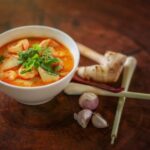
Then you use your paste to cook your curry. This is a big deal for home cooking. Most people can follow a curry recipe using store-bought paste. But the flavor jump from making it yourself—fresh aromatics, correct balance, and the right fragrance—makes a difference you can taste right away.
Also, you’ll leave with not just a dish but the method behind the dish.
Portion size and why you should skip a big dinner plan

Here’s the practical advice: you’ll eat a lot. The class is built around cooking and eating throughout the session. Multiple class experiences highlight that you leave full, sometimes to the point that you can’t finish everything.
So plan your afternoon like this:
- Treat the class like your main meal.
- If you want a snack later, pick something light.
- Don’t schedule a fancy dinner right afterward unless you’re cool sharing your food or ordering something small.
This is one of the easiest ways to judge value. At $25, you’re paying for ingredients, instruction, equipment, and multiple dishes. If the meal were tiny, the price would feel less fair. But the portion style makes it feel like you got your money’s worth.
The instructors: the secret sauce is the teaching tone
The food is the star, but the teaching makes the difference between a “nice activity” and a class you’ll remember.
Across the class experiences, the same patterns show up:
- The instructors keep everyone on track.
- Explanations are easy to follow.
- The vibe is friendly and funny.
- People feel comfortable asking questions.
Names that pop up in the experience include Ally, Ellie, and Tu. If you’re the kind of traveler who loves learning but worries you’re not a natural cook, don’t stress. The class is hands-on enough that you’ll get feedback, and the teaching style is built for beginners and experienced cooks alike.
One vegetarian-specific note: one experience mentions vegetarian accommodation when choosing the menu. If you have dietary needs, it’s smart to ask when you book and again when you arrive, since the class allows choices from a selected set.
Timing, meeting points, and how to not feel rushed
The total duration is 3.5 hours, with starting times you can check when you reserve. Pickup is included, and the instruction is to wait in your hotel lobby 30 minutes before the class start.
Depending on the exact flow that day, the meet point is also described as Thapae Gate, followed by the market tour and then the ride to Daddy’s Kitchen in the old city area. Either way, you’ll have transportation arranged between stops.
This matters because Chiang Mai’s old city is walkable but not always simple in heat. A guided route keeps the “how do I get there?” stress off your shoulders.
Also, after the class, you can sightsee around Chiang Mai old city. That’s useful. If you want to turn a great meal into a mini afternoon explore, this timing works.
Price and value: why $25 feels fair here
At about $25 per person, the value is strong when you look at what’s included:
- Market tour and ingredients purchase focus
- A welcome drink and snack
- Full cooking station setup (everyone cooks)
- Multiple dishes across your menu choices
- Sticky rice and mango sticky rice (a dessert many classes skip)
- Curry paste from scratch option
- English instruction
- Online recipe book plus photos (often shared digitally after)
The biggest value driver is that you’re not paying for a demo. You’re paying to cook and eat multiple dishes, with fresh ingredients and real guidance.
If you’ve been burned before by classes that feel like ticketed entertainment, this one is different. The structure is designed for learning and results—food you actually make and want to repeat later.
What to bring and what to expect about comfort
Bring comfortable clothes. You’ll be handling ingredients, standing at a station, and moving between stops. Chiang Mai can be humid, so wear something breathable and practical.
You should also expect that beer or alcohol isn’t included, and alcohol and drugs aren’t allowed. If you want a drink, plan it outside the class window.
The class runs without kids policy: it’s not suitable for children under 5 years.
Should you book Chiang Mai Daddy’s Kitchen cooking class?
Book it if you want a practical Thai cooking experience—market-to-kitchen learning, curry paste work, and a meal that’s big enough to be your main event. It’s a great match for couples, solo travelers, and small groups because everyone gets a station and the instruction stays hands-on.
Skip it only if you’re looking for a quick, snack-sized class, or if you don’t want to eat multiple dishes during a 3.5-hour block. Also, if you’re extremely sensitive to heat, choose a comfortable outfit and plan to hydrate.
If you love food that tastes like it came from scratch, this is one of the easier ways to bring Chiang Mai home on your palate.
FAQ
How long is the Chiang Mai cooking class?
The duration is about 3.5 hours. You’ll be able to check starting times when you reserve.
Is hotel pickup included?
Yes, pickup is included. You’re instructed to wait in your hotel lobby 30 minutes before the class start.
Where do we meet?
You’ll meet near Thapae Gate, then head to a local fresh market before going to Daddy’s Kitchen for the cooking class.
What dishes will I learn to cook?
You’ll learn core dishes such as spring rolls, papaya salad, sticky rice, and sweet sticky rice with mango. You’ll also choose additional dishes like Pad Thai or fried chicken-cashew nuts (or tofu with holy basil), plus one soup option.
Can I choose a curry paste to make?
Yes. You can choose curry paste from scratch options including green, red, yellow, Masmun, or Khao soi curry paste, and use it to cook your curry.
Is the class beginner-friendly?
It’s suitable for both skilled cooks and non-skilled cooks. The instruction is hands-on, so you’ll be taught as you cook.
Do I need to speak Thai?
No. The instructor provides instruction in English.
What should I bring, and is alcohol included?
Bring comfortable clothes. Alcohol is not included, and alcohol and drugs are not allowed during the class.