REVIEW · PENANG ISLAND
Penang Cooking Class:Dive into Malaysian Cuisine with PenangChiak
Book on Viator →Operated by Penang Chiak Cooking Classes · Bookable on Viator
Penang starts with breakfast. This cooking class turns George Town’s morning market into a real lesson on Penang street food and the spice logic behind it. I love how the class mixes shopping, tasting, and hands-on cooking instead of just watching. I also like that instructors explain the why, not only the steps. One heads-up: depending on the session, the pace can feel more like a structured lesson than pure party-time hands-on.
Morning classes run at 8:00AM and follow a tight, satisfying rhythm: market tour, breakfast, then coaching in the kitchen. You’ll cook multiple Penang favorites (think Kueh Pie Tee, Char Kway Teow, and more), and you’ll leave with practical skills for recreating flavors later. It’s private, so your group stays together—great if you want questions answered as you go.
Price is $116 for about 4 hours (often described as 4–5 hours). That’s not cheap, but the value comes from the market time, the included ingredients and utensils, and the fact you learn techniques you can use for Malaysian cooking—not just one meal.
In This Review
- Market Morning at Chowrasta: Where the lesson starts
- What you cook: Penang classics plus spice handling skills
- Kueh Pie Tee and the “crunch + filling” idea
- Char Kway Teow and the wok mindset
- Choon Piah and the pastry craft
- Chowrasta Market to kitchen: how the 4–5 hour flow feels
- Breakfast and why it’s not just included
- Your hosts: the difference small teams make
- Where the value really comes from (and where it might not)
- How to get the most out of your Penang cooking class
- Who this class is best for
- Quick practical details to plan your day
- Should you book Penang Chiak’s Penang Cooking Class?
- FAQ
- What time does the morning market tour start?
- How long is the cooking class?
- What dishes will I learn to cook?
- Is breakfast included?
- Does the tour include pickup?
- Where does the tour meet?
- Are ingredients and utensils provided?
- Do I receive recipes or anything to take home?
- What is the cancellation policy?
Market Morning at Chowrasta: Where the lesson starts
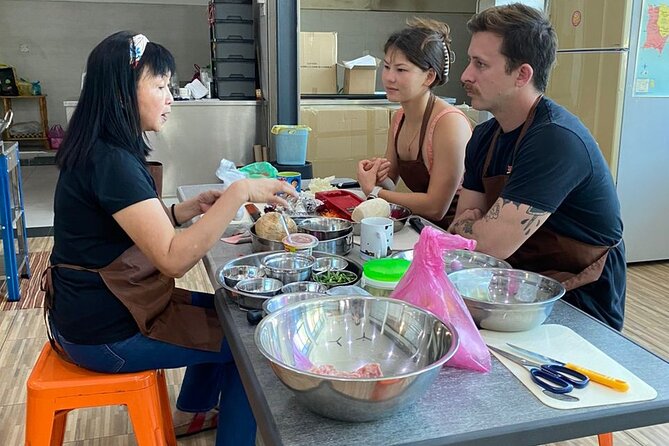
The meeting point is Pasar Chowrasta Market (Jalan Penang / George Town), right in the middle of daily buying. A key detail here is the timing: this experience is specifically for the morning class at 8:00AM only. You get to see what locals pick up first thing, when herbs look fresher, stalls are active, and people are actively chatting with vendors.
This part matters. If you want to cook Penang food well, you need to understand ingredients as ingredients, not just as names on a recipe. Instructors like Mok (and others depending on the class) guide you through the market’s logic—what’s in season, how spice stalls work, and what to look for when you’re trying to rebuild flavors later.
Also, this isn’t a one-stop photo walk. You’ll move stall to stall and get a taste of how the market connects to the cooking.
What you cook: Penang classics plus spice handling skills
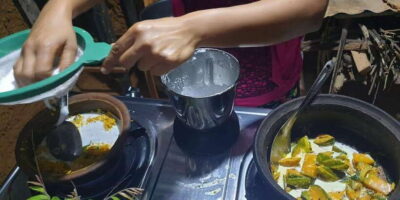
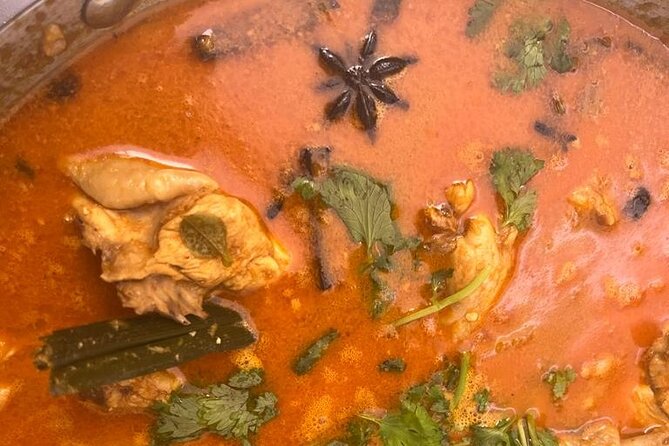
The class is built around several recognizable Penang dishes and techniques. The menu you’ll work on includes Kueh Pie Tee, Char Kway Teow, Choon Piah, and Masala Chicken, plus additional items depending on the session.
What I like most isn’t the dishes alone—it’s the “how.” Penang cooking is all about balancing aromatics, heat, and timing. The instructors specifically focus on techniques for handling spices, treating it like an art rather than a chore. You’ll learn how spices are treated and used so the flavors make sense together.
From past classes, you might also practice items like spring rolls, stir-fried noodle dishes, or a dessert-style dish such as a pandan green rice cake. Some sessions also include drinks like sweetened chrysanthemum tea. You won’t get every item every time, but the consistent thread is skill-building across savory and sweet.
You can also read our reviews of more tours and experiences in Penang Island.
Kueh Pie Tee and the “crunch + filling” idea
Kueh Pie Tee is a signature Penang bite: crisp cups plus a savory filling, built for contrast. In class, this is where you learn how textures are achieved, not just what goes into them. It’s the kind of dish that teaches you to respect temperature and timing.
Char Kway Teow and the wok mindset
Char Kway Teow is where many people get frustrated at home, because it’s hard to recreate that smoky wok flavor without understanding the method. The class teaches you the core approach, including how you manage ingredients in the pan so the dish doesn’t turn soggy.
Choon Piah and the pastry craft
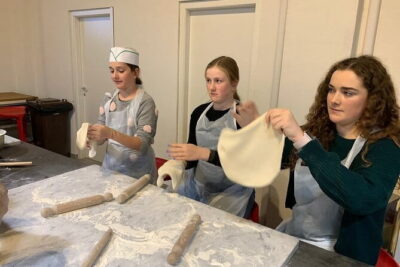
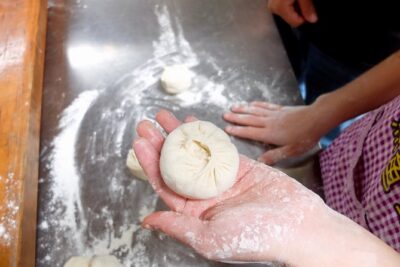
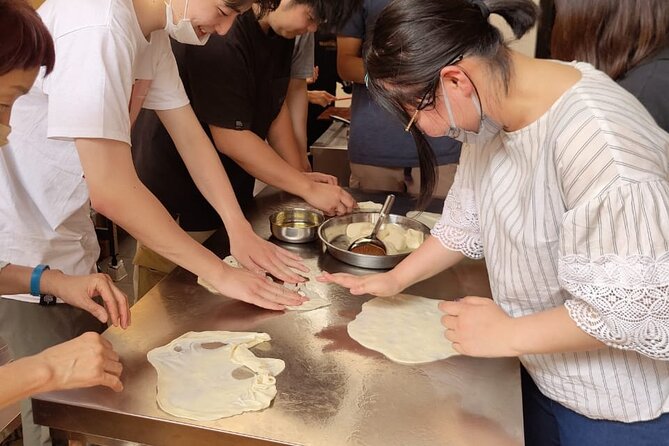
Choon Piah is more than filling. It’s wrapping, crispness, and control. You’ll get coaching while you work through the steps, which is exactly what you need if your kitchen skills are limited.
Chowrasta Market to kitchen: how the 4–5 hour flow feels
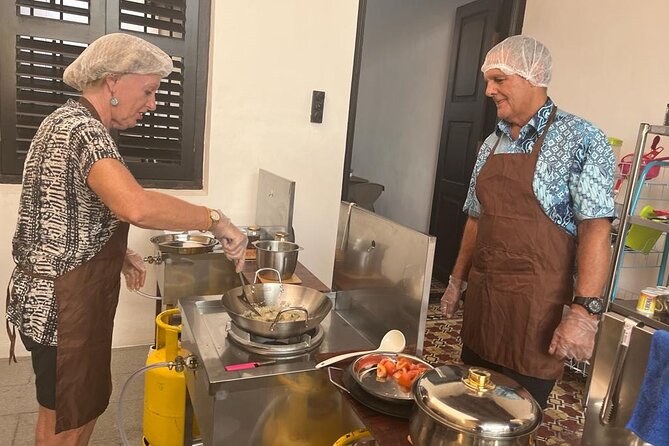
A lot of cooking classes say hands-on. This one earns it by structuring your time around three phases:
1) Morning Market Tour (8:00AM start)
You head to Chowrasta Market and shop while you learn. Expect stalls for produce, spices, and snack ingredients. You’ll also likely sample small bites while you go.
2) Breakfast Morning Food Tour (morning classes only)
Breakfast is included for morning sessions. People describe this as a real Penang breakfast experience, not a token pastry. It’s also the moment when you connect what you tasted in the market to what you’re about to cook.
3) Coaching Classes in the kitchen
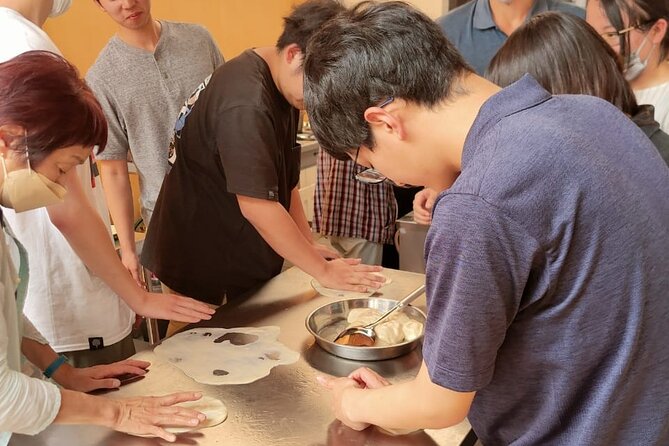
Then you cook. The class provides all ingredients and kitchen utensils. That removes a lot of hassle and keeps the focus on learning. One review even points out the space is practical: there are toilets, filtered drinking water, and soap for hand-washing.
And yes, it can be warm, because you’re cooking with active burners. If you tend to get uncomfortable in kitchens, wear light clothing.
Breakfast and why it’s not just included
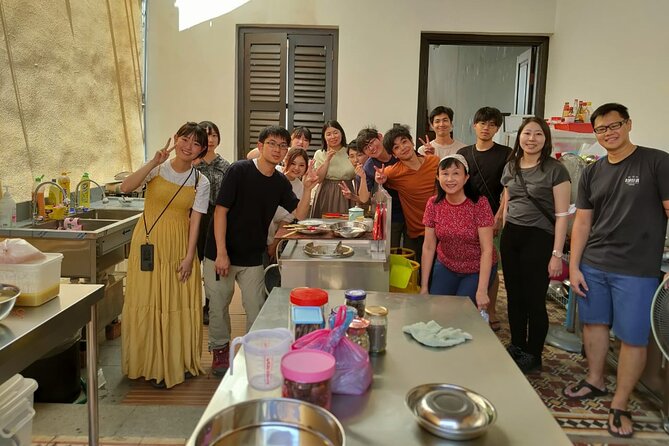
Penang breakfast isn’t random. It trains your palate for what you’ll be making later. When your instructors take you through local breakfast-style flavors, you start noticing patterns: how sweetness balances spice, how aromatics set the tone, and why certain textures show up again and again.
If you’re doing the morning class specifically, this included breakfast is a big part of why the experience feels complete. You’re not only learning recipes; you’re learning a morning way of eating.
Your hosts: the difference small teams make
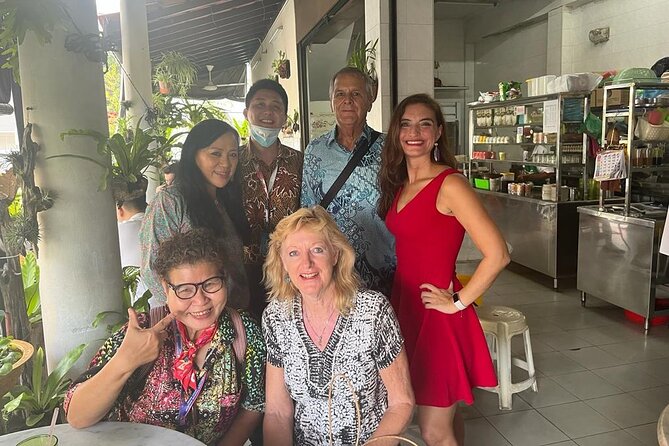
This is a private tour/activity, meaning you share the class only with your group. That matters because cooking goes faster when people can ask questions immediately. In the class, hosts and instructors like Mok and Amy are repeatedly described as generous with time and attention, with Simon also popping up in some sessions as a key part of the team.
Some classes include extra touches, like taking photos and videos of your cooking, or building in small moments for conversations about Penang and Malaysian culture. If you’re traveling with a small group—or even solo—private is one of the best ways to make sure the lesson actually sticks.
Where the value really comes from (and where it might not)
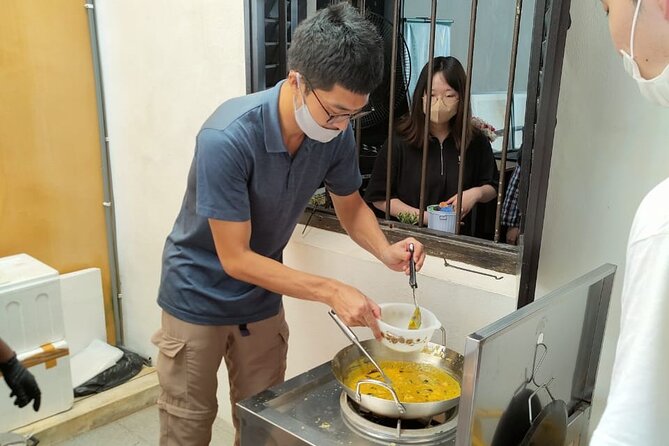
Let’s talk price honestly. At $116, you’re paying for three things:
- Market time + ingredient shopping, not just cooking in a classroom
- Included ingredients and utensils, so you don’t have to source anything special
- Technique coaching, especially around spice handling and method
That’s why it can feel worth it even if you’ve cooked at home before. You’re getting a local workflow and local ingredient focus.
Now, a possible drawback: one longer session feedback said it could feel more lecture-like, and another note asked for clearer recipe displays and less pressure to be “only in the class.” If you prefer maximum free-form practice and minimal explanation, you might want to ask what the format is like for your specific day.
How to get the most out of your Penang cooking class
If you want skills that transfer to your home kitchen, do this:
- Ask about substitutions. Learn what spices can be swapped and what will change the flavor.
- Watch the spice steps closely. Many dishes hinge on when spices go in, not only which spices they are.
- Pay attention to texture: crispness, thickness, and how long things stay in the pan.
- Take notes on heat control. Wok timing is where home results usually go sideways.
- Dress for a working kitchen—light, comfortable clothes help.
Also, one review notes they were given recipes as part of the class. That’s a huge help if you want to cook again later without relying on memory.
Who this class is best for
This is a great pick if you want a Penang-focused experience rather than a generic Malaysian cooking tour. You’ll love it if you’re the type who enjoys markets, likes understanding ingredients, and wants practical instruction.
It also suits:
- Couples and small groups who want a private class
- Foodies who already know the names of dishes but want the technique
- People visiting George Town who want a morning activity that feels local and purposeful
If you want an all-day party or nonstop entertainment, you might find the structure a bit more “lesson” than “show.” But if you enjoy learning how flavors are built, that structure is exactly the point.
Quick practical details to plan your day
The class starts at 8:00AM for morning classes, and the experience ends back at the meeting point in Chowrasta Market area. Duration is listed as about 4 hours (with many sessions described as 4–5 hours).
Pickup is offered, and a private group means the schedule is designed around your booking. You’ll receive a mobile ticket.
One small location note from a past experience: the cooking class room can be inside a shopping center area, so meeting your host to find it matters. If you’re doing this from a cruise port, you may meet your guide and then head to the market together.
Should you book Penang Chiak’s Penang Cooking Class?
Book it if you want more than a meal. This is a market-to-kitchen lesson on Penang favorites, with real coaching on spice handling and method. At $116, the value is strongest if you care about learning how to recreate dishes, not only eating them once.
Skip it (or at least manage expectations) if you want maximum spontaneity or you dislike structured instruction. Also, if heat and active burners make you uncomfortable, dress accordingly.
If your goal is to leave Penang with a clearer recipe for flavor—literally and practically—this morning class at Chowrasta is an easy yes.
FAQ
What time does the morning market tour start?
The morning classes start at 8:00AM only, with the market tour as part of the session.
How long is the cooking class?
The duration is listed as about 4 hours (approximately 4–5 hours).
What dishes will I learn to cook?
The class includes preparing Kueh Pie Tee, Char Kway Teow, Choon Piah, Masala Chicken, and more.
Is breakfast included?
Breakfast is included for morning classes only.
Does the tour include pickup?
Pickup is offered, and the experience also notes you are near public transportation.
Where does the tour meet?
The start point is Pasar Chowrasta Market (Lot 124, Jalan Penang, George Town). The activity ends back at the meeting point.
Are ingredients and utensils provided?
Yes. The experience includes all ingredients and kitchen utensils.
Do I receive recipes or anything to take home?
One review says recipes are provided as part of the class, and the experience notes a souvenir may be available depending on availability.
What is the cancellation policy?
You can cancel for a full refund up to 24 hours in advance. If you cancel less than 24 hours before the start time, the amount paid isn’t refunded. The experience also notes it requires a minimum number of travelers, and if that minimum isn’t met you’ll be offered another date/experience or a full refund.