REVIEW · PALERMO
Cooking class in a villa with Palermo view
Book on Viator →Operated by Carlo · Bookable on Viator
A Sicilian sunset, a pasta lesson, and cannoli at the end. What I love here is the farm-fresh ingredients—you’re not just following a recipe, you’re working with produce grown on the property. The second big win is the terrace view over Palermo, which turns a simple meal into a full sensory experience. One thing to consider: this is hosted in a private home setting and it runs on schedule, so if you hate outdoor walking (garden paths) or you arrive stressed, you’ll want to plan ahead.
I’m a fan of cooking classes that feel personal, and this one is run by Carlo, in his home overlooking the Conca D’Oro. You start with an aperitif made from local products, then learn dough work and sauce decisions, and finish by eating what you made—slowly, with time to talk. It’s English-friendly, small (max 12), and the overall length is about 3 hours, which makes it a great fit even if you already have a packed Palermo itinerary.
In This Review
- Key Points to Know Before You Go
- Why This Palermo Cooking Class Feels Like Dinner With Family
- Price and Time: How Much Bang You Get in 3 Hours
- Getting There: The Meeting Point and What to Expect When You Arrive
- The Aperitif and Local Bites That Set the Tone
- The Garden Tour: Where Your Ingredients Actually Come From
- Making Tagliatelle: Dough Work, Not Just Sauce
- Alla Norma vs Pesto vs Tomato: How to Think Like Sicilian Cooking
- Cannoli Time: Learning the Dessert That Tells the Story
- The Meal, the Wine, and the View While You Eat
- Who This Class Is Best For (and Who Should Skip It)
- Practical Tips to Make It Go Smoothly
- Should You Book This Palermo Cooking Class?
- FAQ
- How long is the Palermo cooking class?
- What dishes will we make and eat?
- Is the class offered in English?
- How many people are in the group?
- Where do we meet, and does it end nearby?
- Are service animals allowed?
- What happens if the weather is poor or I need to cancel?
Key Points to Know Before You Go
- Garden-first setup: you tour the property and pick ingredients that end up in your meal
- Small class size (max 12): you get hands-on help without feeling lost
- Choose your pasta sauce: fresh pesto, alla Norma, or a tomato-based option
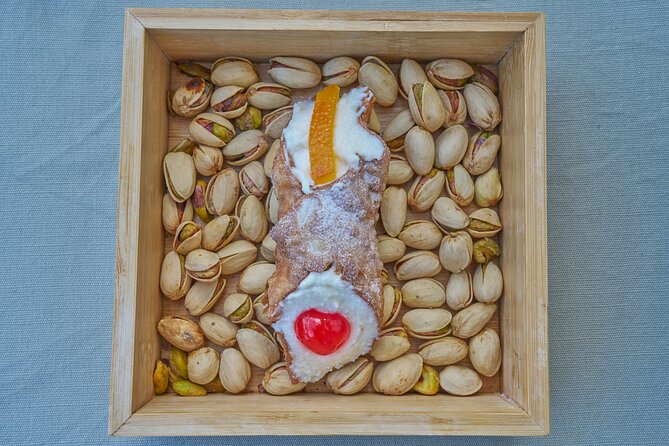
- Cannoli learning included: you make the dessert, not just admire it
- Aperitif to meal pacing: you start with local bites and then sit down to what you cooked
- Weather matters: the experience depends on good conditions outside
Why This Palermo Cooking Class Feels Like Dinner With Family
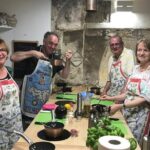
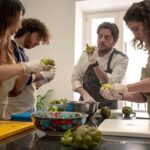
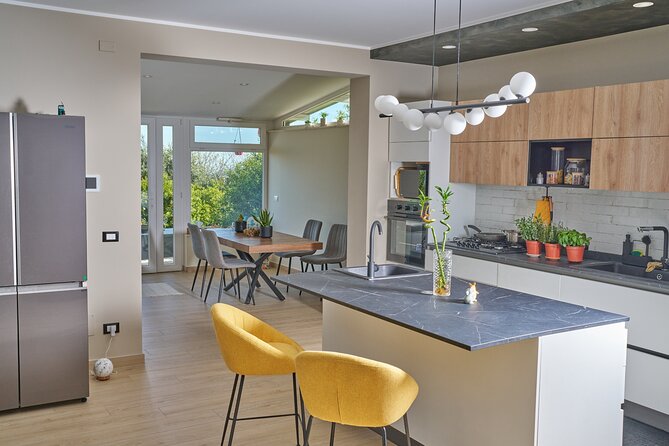
This isn’t the kind of cooking class where you’re herded through stations like a conveyor belt. You’re in Carlo’s home in the Conca D’Oro area, with a view that frames Palermo like a postcard—except you’ll be standing right there, tasting and cooking while the light changes. That matters. It shifts the mood from class mode to living-Sicily mode.
The other thing I really like is that the food is built around real sourcing. The menu is driven by ingredients from his garden, so your pasta sauce and finishing touches have that “picked today” punch. In the stories shared during the lesson, you also get the cultural context: recipes handed down through family traditions, and a sense that this isn’t just a tourist product.
One practical consideration: because it’s in a home setting, expect a warm, lived-in space—great for atmosphere, but not always “museum smooth.” If you’re the type who needs everything ultra-structured, you might find the flow more relaxed than you expect.
You can also read our reviews of more tours and experiences in Palermo.
Price and Time: How Much Bang You Get in 3 Hours
At about $139.13 per person for roughly 3 hours, this sits in the mid-range of cooking classes in Italy. You’re paying for three things that usually cost extra elsewhere: real instruction (hands-on), top-quality ingredients, and a location that delivers a scenic payoff without needing another ticket.
Also, the “small group” cap (max 12) is a big deal for value. In many larger classes, you spend more time waiting than learning. Here, the class size helps you actually shape the pasta and cannoli rather than just watching.
A detail worth knowing: this is commonly booked about 46 days in advance on average. That’s a sign it fills up around prime travel weeks. If Palermo is one of your highlights, I’d book earlier rather than assume you can grab a last-minute spot.
Getting There: The Meeting Point and What to Expect When You Arrive
You meet at Via Nazionale, 240, 90036 Portella di Mare PA, Italy. The activity ends back at the same meeting point, so you don’t have to worry about a complicated drop-off.
What helps you enjoy the experience from minute one is thinking of it as a half-day plan, not just an evening “class.” You arrive, settle in, and then the day unfolds: aperitif first, then garden time, then cooking, then eating. Reviews also suggest the host’s family can help with transport arrangements such as taxis, which is useful if you’re staying somewhere without easy public transit. If that matters to you, it’s worth asking when you book.
If you’re planning your day in Palermo, build in buffer time. The setting is outside the city center, and good time management makes the whole thing feel effortless.
The Aperitif and Local Bites That Set the Tone
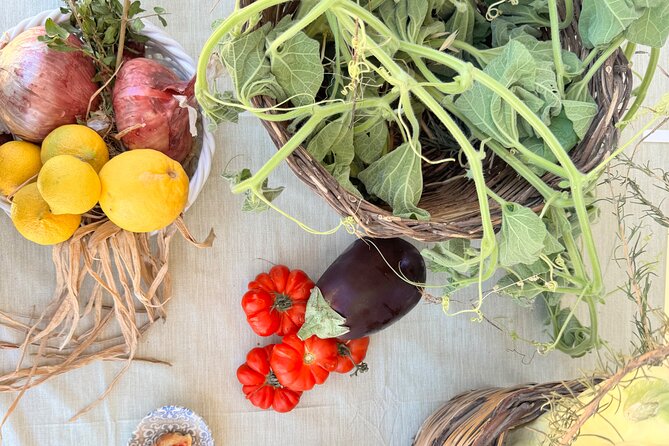
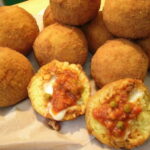
Before you touch dough, you start with an aperitif with local products. That matters more than it sounds. It gets you relaxed, lets you start tasting before you cook, and gives you an easy entry point into Sicilian flavors.
From the broader food stories shared during the evening, this is part of the cultural teaching: not just what you eat, but how Sicilians approach food as something to share. You’ll likely see a mix of local touches that match the garden theme—simple, seasonal, and meant for conversation.
This first step is also a good check for fit. If you enjoy food-and-drinks social time, you’ll have a smoother experience. If you expect a strict “cook only” schedule, note that the aperitif sets a more friendly pace.
The Garden Tour: Where Your Ingredients Actually Come From
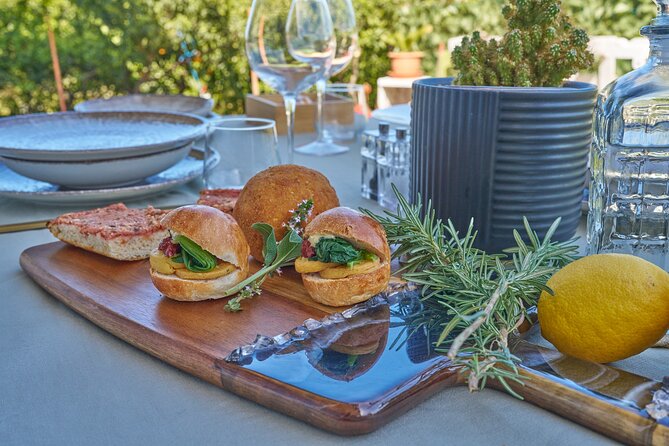
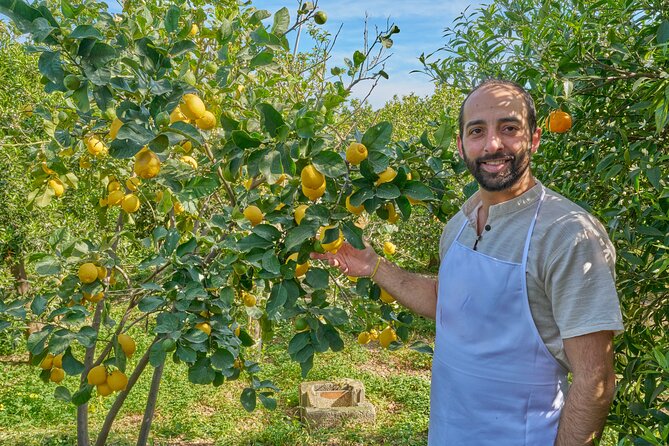
The experience includes time in Carlo’s property, overlooking Palermo from the terrace area. You may see herbs, fruits, vegetables, and other garden plants that connect directly to the meal you’re about to cook. It’s not a quick photo stop. You’re shown what matters and then you’re used to selecting ingredients that later appear on your plates.
Why this is valuable: cooking with ingredients you can point to creates instant motivation. When you pick basil or tomatoes, you’re not asking, what does it taste like? You already know what it tasted like in the moment you harvested it.
And it’s not only about freshness. Garden time also helps you understand why certain flavors are used in Sicilian recipes. You begin to see the logic behind the sauces: what’s in season, what pairs well, and how herbs shape the final bite.
If you don’t love walking, keep that in mind. You’ll spend some time moving around the property before the kitchen work ramps up.

Making Tagliatelle: Dough Work, Not Just Sauce
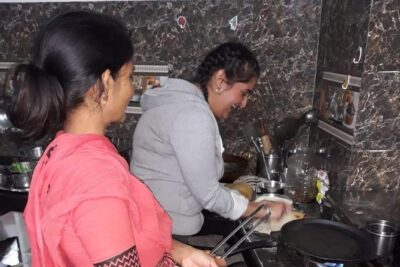
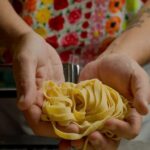
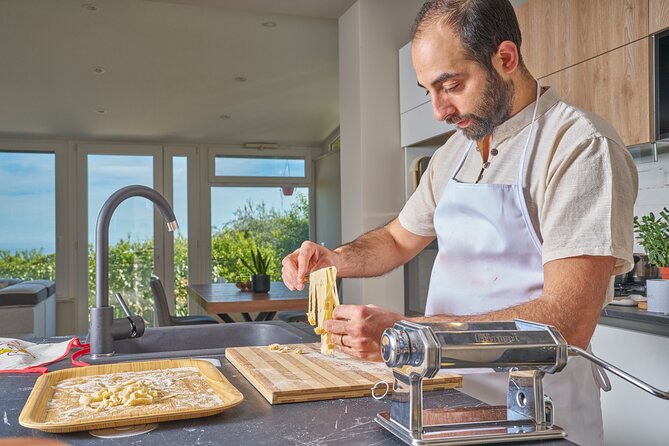
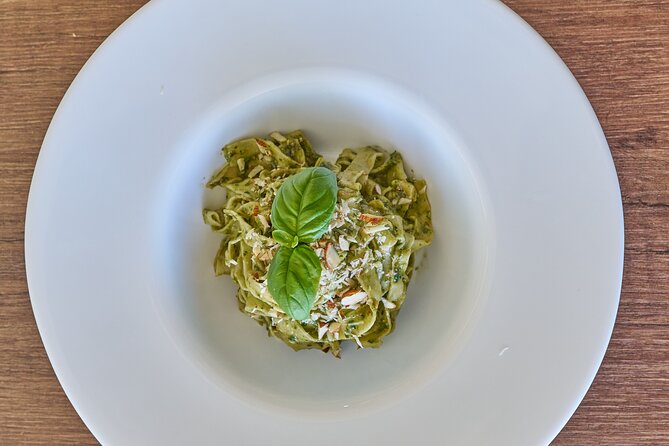
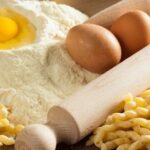
Now for the main event: fresh pasta. You’ll prepare tagliatelle from scratch. That means you’re not only cooking; you’re learning the mechanics—working with dough so it feels right and becomes the right texture for the sauce.
You’ll also get guidance on timing and technique, and the small group size helps. With a max of 12, it’s much easier to get corrections early, while your dough is still workable.
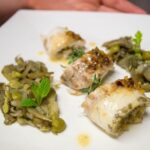
Your pasta then heads toward one of the sauce paths, including:
- fresh pesto
- alla Norma
- a fresh tomato sauce option
This choice is a smart way to keep the class from feeling repetitive. Even if you’ve had pasta before, making the pasta and then steering it toward a distinctly Sicilian sauce gives you a more complete memory than tasting one dish alone.
One more plus: lessons are delivered in English, so you’re not stuck translating everything in your head while your hands are covered in flour.
Alla Norma vs Pesto vs Tomato: How to Think Like Sicilian Cooking
If you’re choosing what you want the final pasta to taste like, here’s how to read it:
- Pesto is herb-forward and bright. It’s the “garden voice” of the dish.
- Alla Norma leans into deeper, more complex comfort flavors. It tends to feel heartier and more Sicilian in mood.
- Fresh tomato sauce is simpler and clean. It lets tomatoes and herbs do the talking without masking them.
Even if you don’t control every detail, you’ll leave with a clearer sense of how Sicilian cooking builds flavor. And that’s where the class becomes more useful than a one-time meal: you’ll know what to adjust at home next time.
Cannoli Time: Learning the Dessert That Tells the Story

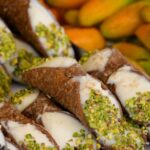
Dessert is Sicilian cannoli (with the option of tiramisu). Cannoli is usually the signature item on Sicilian menus for a reason, and here you’re making it, not just ordering it.
Expect dough work and assembly steps. You’ll learn the basics of the cannoli process—how to shape or manage the shells and how the filling gets built so it tastes right. In practice, cannoli can be tricky if you’ve never worked with the dough before, so having instruction in a small group makes it far less intimidating.
This is one of the most consistently praised parts of the experience: people leave talking about the cannoli quality and the fun of actually making it. That’s the difference between eating dessert and understanding it.
The Meal, the Wine, and the View While You Eat
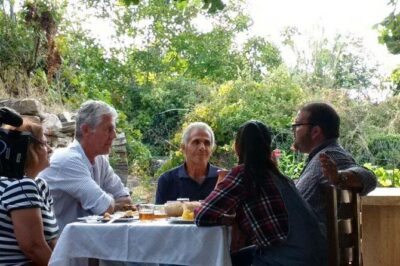
After cooking, you sit down to enjoy what you made. You’ll eat multiple courses, starting with what you cooked and continuing through aperitif and meal pacing that matches the Sicilian vibe: good food, good time, and room to share.
Many groups mention drinks like prosecco and wine paired with the meal, along with local aperitif touches. Even without focusing on alcohol, the key value is this: you’re eating your own food while watching the sky shift over Palermo.
If you’re someone who cares about views, this is one of the few food experiences that uses scenery as part of the meal rather than a background detail. You don’t just visit a viewpoint after lunch—you cook, taste, and then finish with that panorama.
Who This Class Is Best For (and Who Should Skip It)
This class is ideal for:
- food lovers who want hands-on pasta and cannoli
- travelers who prefer small groups and a home setting
- couples, friends, and families looking for a fun activity with real payoff
It’s also a strong match if you want a Sicilian experience that goes beyond “I ate well.” You’ll come away with specific recipes and technique ideas you can repeat at home.
If you’re not a fan of cooking classes, you might still enjoy it because the views and ingredients do a lot of the work. But if you hate getting flour on your hands or you’re short on time and want only a quick bite, you might feel the 3-hour commitment more than you’d like.
Practical Tips to Make It Go Smoothly
A few things can make or break your comfort level.
- Arrive unhurried. This experience is paced like a shared meal, not like a timed factory tour.
- Plan for outdoor time. You’ll tour the garden and you’re likely eating with views from an outdoor terrace area.
- Have a light mindset. Cooking gets messy. That’s the point.
- Bring questions. Carlo is there to teach, and the class includes storytelling about Sicilian food traditions.
- Dress for weather. The experience depends on good weather, and conditions can affect how comfortable you are outside.
Also, if you’re traveling with kids, this class tends to work well because instruction is hands-on and family-friendly. Just remember it’s still a real cooking lesson—so expect some focus time, not only “watching.”
Should You Book This Palermo Cooking Class?
If you want a small-group, home-hosted cooking experience with genuine ingredients and a view that makes you slow down, then yes—I think you should book it. It’s not only about eating well. It’s about learning pasta and cannoli with enough guidance that you’ll actually remember what to do next time.
I’d especially book this if Palermo is your base and you want one day that feels clearly Sicilian—garden produce, classic dishes, and a dinner that ends with skyline memories. The only time I’d hesitate is if you dislike outdoor walking, hate hands-on cooking, or you’re traveling during a period when weather might be unreliable for outdoor parts.
FAQ
How long is the Palermo cooking class?
It lasts about 3 hours (approx.).
What dishes will we make and eat?
You’ll prepare fresh tagliatelle with pesto/alla Norma/fresh tomato sauce, and you’ll have dessert such as Sicilian cannoli (or tiramisu).
Is the class offered in English?
Yes, it’s offered in English.
How many people are in the group?
The experience has a maximum of 12 travelers.
Where do we meet, and does it end nearby?
You start at Via Nazionale, 240, 90036 Portella di Mare PA, Italy, and the activity ends back at the meeting point.
Are service animals allowed?
Yes, service animals are allowed.
What happens if the weather is poor or I need to cancel?
The experience requires good weather. If it’s canceled due to poor weather, you’ll be offered a different date or a full refund. For cancellations, you can cancel up to 24 hours in advance for a full refund.