REVIEW · CHIANG MAI
Chiang Mai: Authentic Thai Cooking Class and Farm Visit
Book on GetYourGuide →Operated by Grandma's Home Cooking School · Bookable on GetYourGuide
Eggs, herbs, and Thai curry paste in one day. I like this experience because you start on a real organic farm (not a showroom), picking vegetables, collecting eggs, and learning what goes into Lanna cooking. You also get hands-on time at your own cooking station as you make dishes like curry and Pad Thai with an English-speaking instructor.
My favorite part is how much you actually do with your hands, not just watch. The one catch to plan for: you’ll eat a lot—so come ready to work up an appetite and don’t expect tiny portions.
In This Review
- Key highlights to know before you book
- Entering a Chiang Mai kitchen where the farm comes first
- Hotel pickup, timing, and how long the day really feels
- Choosing your dishes: what you can cook in your session
- The market visit: learning Thai ingredients before the cooking starts
- The organic farm visit: herbs, eggs, and hands-on learning
- Back to the Lanna-style kitchen: your own cooking station
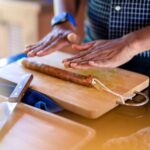
- Making curry paste by hand: the skill that changes everything
- Full-day option: coconut milk using a coconut grater
- What you eat at the end: more than you think, in a good way
- Price and value: what $33 really buys you in Chiang Mai
- Who this class is best for (and who might skip it)
- Practical tips so you enjoy the farm and the kitchen
- Should you book Grandma’s Home Cooking School in Chiang Mai?
- FAQ
- How long is the cooking class in Chiang Mai?
- Is there a half-day and full-day option?
- What dishes can I cook?
- Do I visit the market?
- Do I visit an organic farm?
- What’s the group size?
- Is there pickup and drop-off?
- Is the instruction in English?
- Are vegetarian or halal options available?
- What should I bring, and are pets allowed?
- Is free cancellation available?
Key highlights to know before you book
- Organic farm walk with picking and egg collecting for your menu
- Market visit to understand key Thai ingredients before you cook
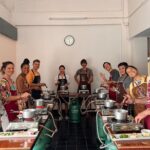
- Small group size (max 10) with individual cooking stations
- Curry paste made by hand with guidance at your station
- Full-day option adds coconut milk using a coconut grater
- A shared meal with what you cook, often more food than you expect
Entering a Chiang Mai kitchen where the farm comes first
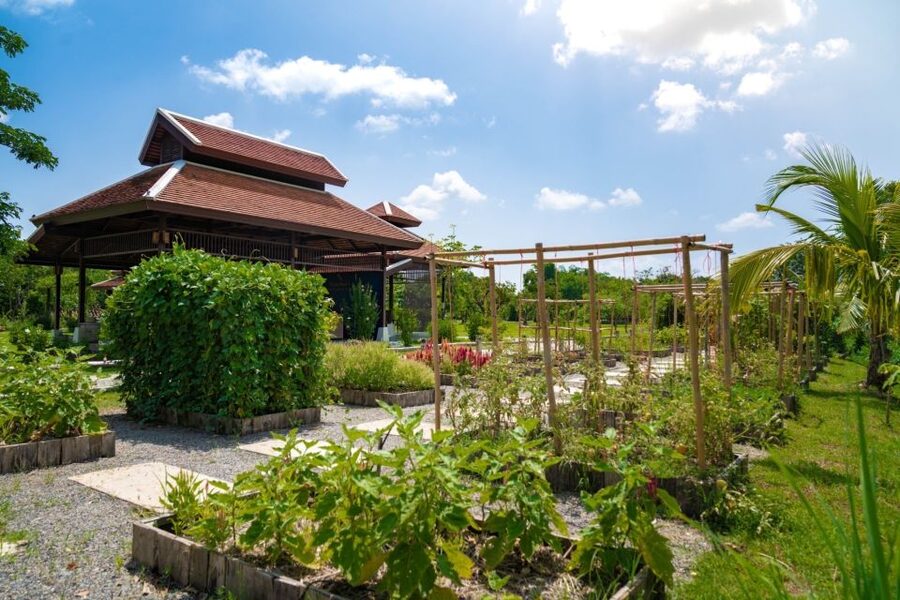
This class works because it starts with ingredients you can point to. You’re not only learning recipes. You’re learning why Thai food tastes the way it does: herbs first, vegetables next, then the sauces and pastes that bring it all together.
You’ll also get the kind of class setup that makes learning easier. Small group size means less waiting around, and individual stations mean you’re chopping, mixing, and tasting as you go. That matters in Thai cooking, where timing and heat control can change the outcome fast.
If you’re choosing between half-day and full-day, think about your goal. Half-day is for a solid introduction. Full-day is for people who want the extra “Thai kitchen craft” moment—especially the coconut milk part.
You can also read our reviews of more tours and experiences in Chiang Mai.
Hotel pickup, timing, and how long the day really feels
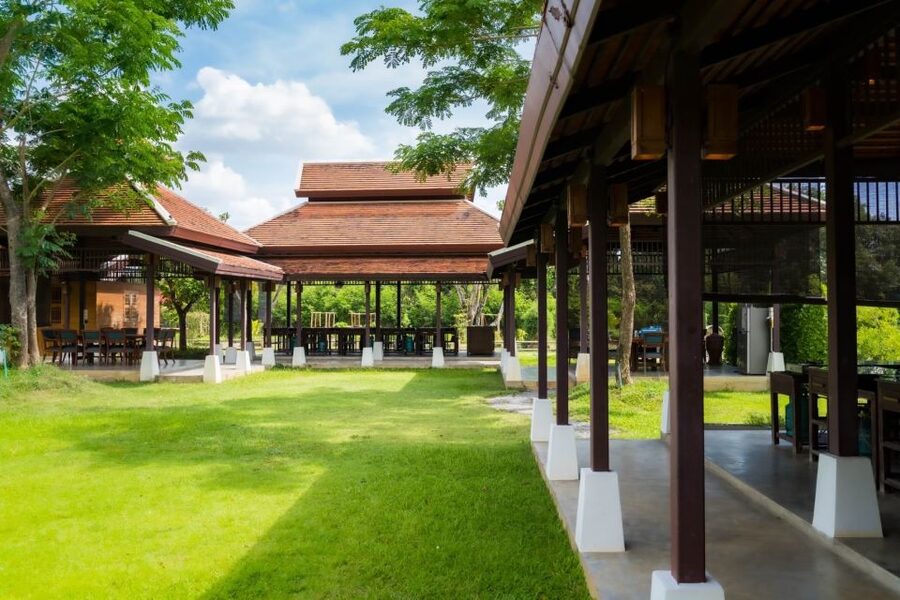
Pickup is part of the deal. You’ll be collected from your Chiang Mai hotel (within 10 kilometers of the city center). The morning session pickup time is around 8:30 AM–9:00 AM, and the afternoon session is around 11:30 AM–12:00 PM, with the rest of the schedule designed around those blocks.
The class lasts about 4–6 hours depending on which session you pick and what you choose from the menu. In practice, you should plan your day so you’re not juggling other tours right after. Even the half-day has a market stop, a farm visit, and a full cooking session.
On the full-day option, you’ll usually get a bigger meal lineup because you add two extra courses (on top of the half-day dishes). One of the best things about doing it this way is you end up with fewer gaps of “what’s next?” and more focused blocks: shop, farm, cook, eat.
Choosing your dishes: what you can cook in your session
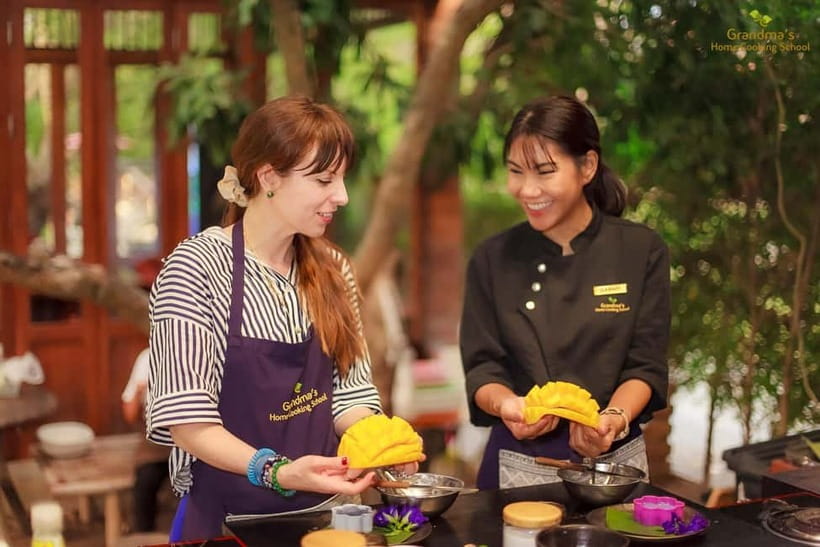
Before you start, you’ll choose from a menu. The most common dish lineup people talk about includes classics like Tom Yum Koong, Pad Thai, Pad Kra Prao, and a curry course. You’ll also end with mango sticky rice.
For many sessions, you select items across categories like:
- a soup (with options)
- Pad Thai (typically one option)
- a curry choice (multiple curry options)
- plus mango sticky rice at the end
Here’s the smart way to choose: pick one dish you can already order at Thai restaurants at home, then pick at least one dish you usually don’t. That combo gives you an easy comparison and helps you notice the differences you’re learning—like how curry paste flavor changes the entire dish.
Also, pay attention to diet needs. Vegetarian and halal options are available, so you don’t need to sit this one out if you avoid certain ingredients.
The market visit: learning Thai ingredients before the cooking starts
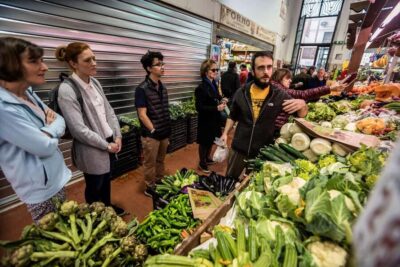
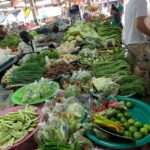
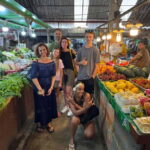
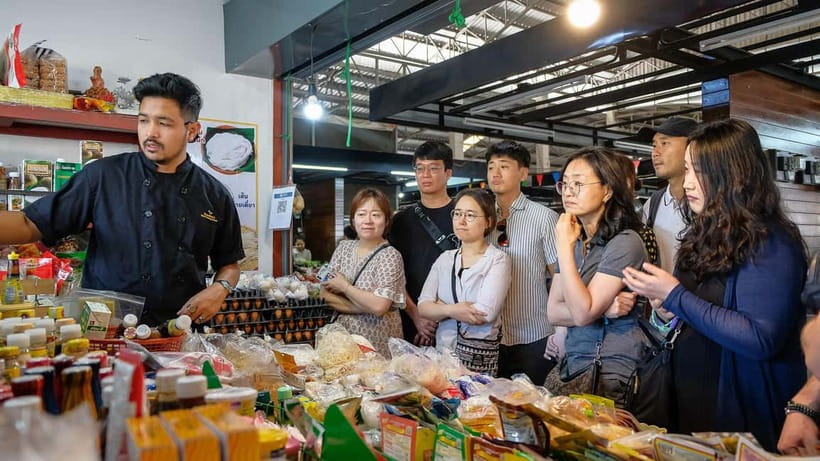
The market stop is more than a quick photo break. It sets you up to cook with better judgment. You get to see the ingredients in real form, not just as packaged labels.
You’ll pick up essentials for your chosen dishes. And you’ll hear which ingredients matter most—things like herbs used in Thai flavors, sauces, and the aromatics that build the base of curry and stir-fries.
One big value of the market part is that it gives you a mental map. When you later see the same ingredients at your station, you’ll remember what you were told about their role. That helps you cook with confidence instead of just following steps.
If you enjoy food details, this is where the day starts feeling more “food education” and less “cook-and-go.” You might even notice how some ingredients smell strong on their own, but soften into something different once cooked.
The organic farm visit: herbs, eggs, and hands-on learning
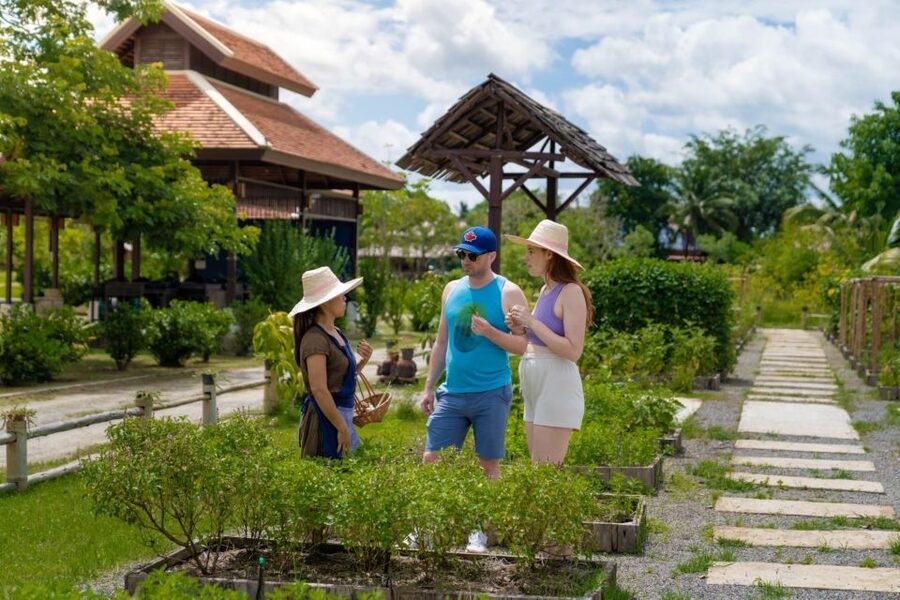
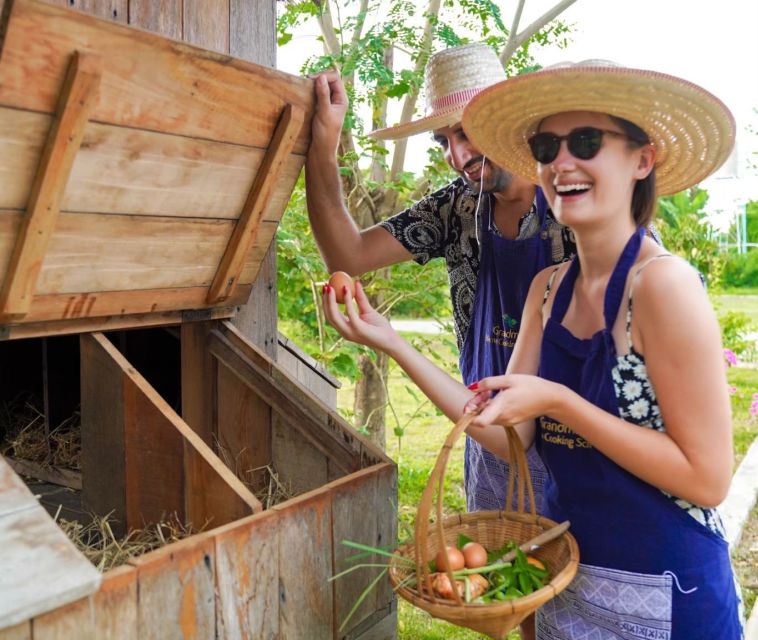
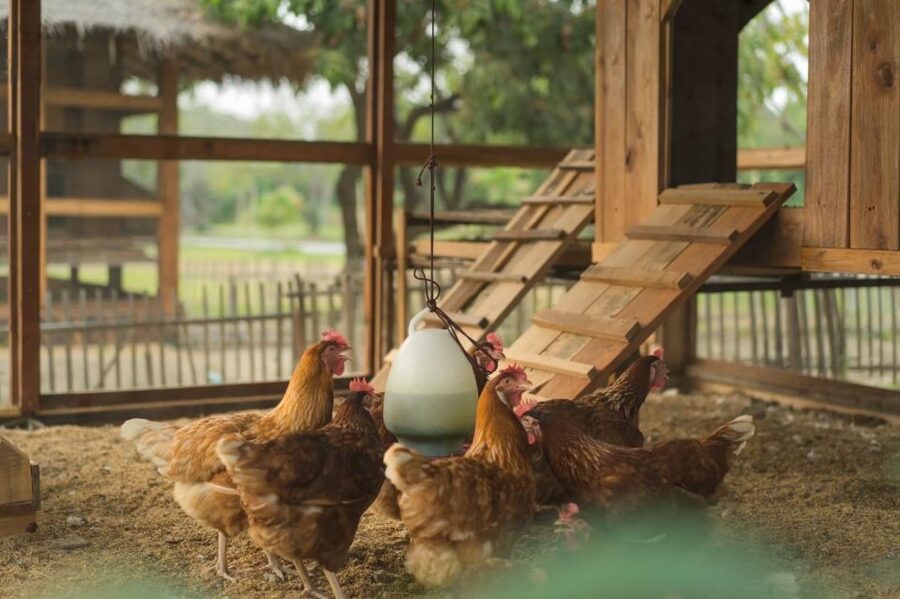
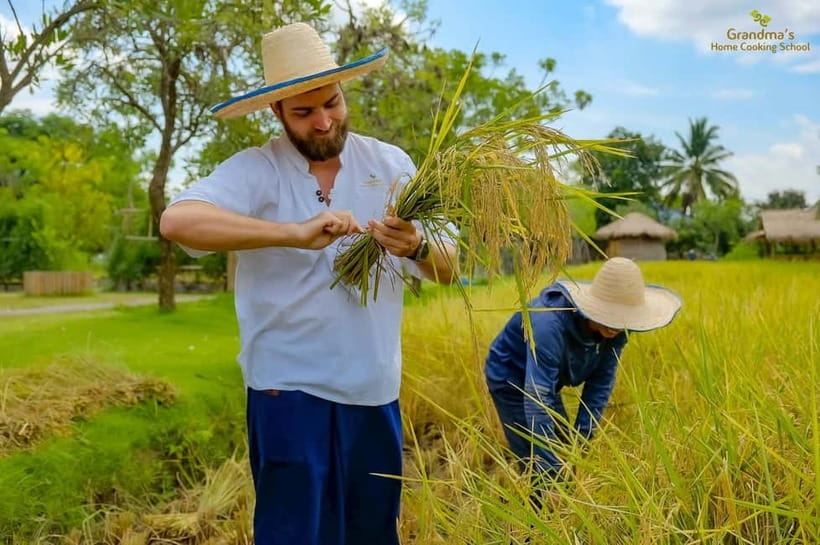
Then you head to the organic farm in the Chiang Mai area. This is one of the most praised parts because it turns ingredients into a story you can taste later.
On the farm walk, you’ll:
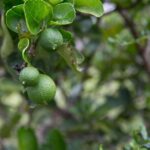
- meet the herb and vegetable growing areas
- pick fresh vegetables for your cooking
- collect eggs for your dishes
- and spend time around the chickens (including feeding, in some parts of the tour)
This isn’t just about “cute farm animals.” It connects you to the farm-to-table logic behind the class. You’ll learn Thai herbs and how they’re used, and you’ll understand what you’re actually chopping back at the kitchen.
Practical note: wear comfortable shoes. Farm ground and walkways can be uneven, and you don’t want to spend the day distracted by sore feet.
Back to the Lanna-style kitchen: your own cooking station
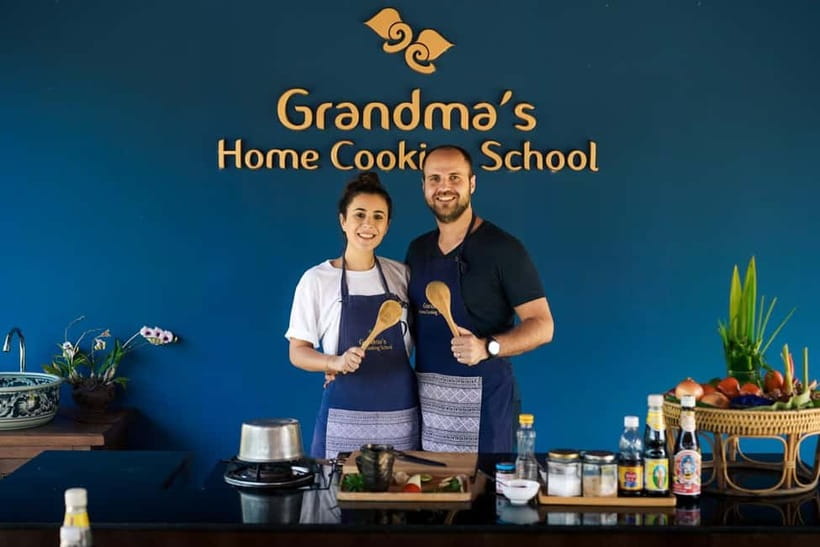
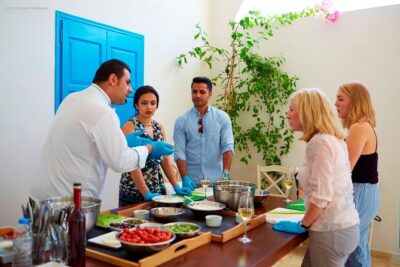
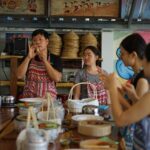
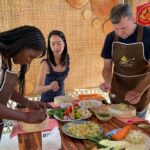
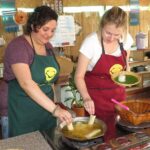
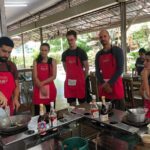
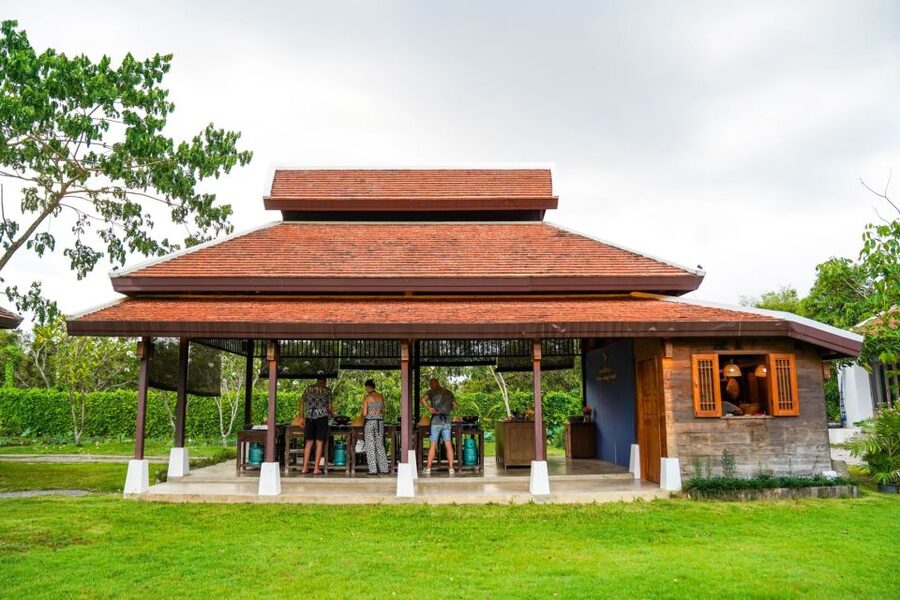
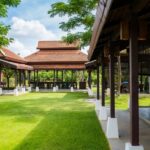
Once you’re done with the farm, you move into the cooking classroom, often described as a Lanna-style setting. What makes this part work is the station setup. You get your own station, so you can keep working through steps without waiting for a single shared stove.
A helpful detail: the instruction is in English. And guides like Garnet, Tay, Toon, Kiki, Le Vin, and Jimmie are all mentioned for being funny, patient, and focused on making sure you understand what you’re doing.
Some days you cook in an air-conditioned room, which is a welcome relief in Chiang Mai heat and humidity. Even if the classroom isn’t fully cool, you’ll still get breaks baked into the pacing.
Here’s how the lesson typically plays out:
- the instructor demonstrates key techniques
- you follow at your station for your chosen dishes
- you taste and adjust as the flavors develop
- you share and eat what you make
This is also where “small group” becomes real value. With fewer people, you’re more likely to get personal help when you hit a tricky step.
Making curry paste by hand: the skill that changes everything
One of the day’s major payoffs is making your own curry paste. Thai curry paste isn’t just a seasoning packet. It’s the foundation. When you grind and mix it yourself, you start to taste what each ingredient contributes.
You’ll work with guidance to create a paste for your curry course. Expect a hands-on approach: pounding, mixing, and building aroma in stages until the paste is ready.
This is a place where your choices from the market visit pay off. When you use the same ingredients you just saw, it feels less like a recipe and more like learning a method.
And even if you’ve cooked before, this curry paste step is the kind of technique you’ll remember later. It’s the difference between cooking Thai food as a dish and cooking it as a craft.
Full-day option: coconut milk using a coconut grater
If you want the extra “Thai kitchen tradition” moment, the full-day class includes making coconut milk using a coconut grater. This is the highlight for many people because it’s hands-on and surprisingly physical.
You’ll do this for your own curry or mango sticky rice, so you’re not just learning a technique for its own sake. Your coconut milk becomes part of the final dish, which makes the time and effort feel worth it.
This is also why the full-day option feels longer: you’re adding an extra layer of work before cooking finishes. If you love food processes, it’s a great match. If you only want the main cooking and already feel comfortable with coconut-based dishes, half-day may be enough.
What you eat at the end: more than you think, in a good way
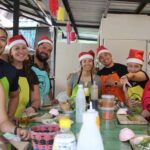
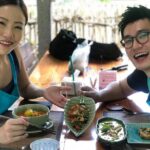
You finish with a meal where you share what you cooked. Many people are surprised by the size of the food lineup. You’re not just tasting bites. You’ll likely eat full portions of multiple courses.
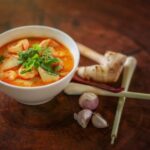
Mango sticky rice is the sweet finish. If you chose curry and Pad Thai plus a soup, you’ll get a variety of flavors that balance sour, salty, sweet, and spicy.
If you’re worried about overeating, plan one thing: bring a flexible attitude about lunch. This class can be filling enough that you may not want a big dinner afterward. Some people ask for containers to take food home, which can help reduce waste and stretch the value of the day.
Also, plan your timing for the rest of your day. People often return to the hotel by mid-afternoon for half-day sessions, so evening plans can work easily if you keep them light.
Price and value: what $33 really buys you in Chiang Mai
At about $33 per person, this is strong value for what’s included. You’re paying for more than cooking instructions. Your fee covers:
- pickup and drop-off service within 10 kilometers
- market visit
- organic farm visit and farm-guided learning
- English-speaking instructor
- small group class structure with individual cooking stations
- welcome drink
- e-recipe book
If you tried to recreate this on your own, it would cost more once you factor in transport, market time, ingredients, and the value of having an instructor guide your technique. The station setup also matters. A lot of cheap cooking classes end up with you watching other people cook. Here, the design is built for doing.
One more value point: you leave with a recipe book and a better sense of ingredient roles. That means you can cook Thai food at home with fewer guesses.
You may see similar experiences priced higher in other parts of Thailand. This one tends to hit a sweet spot: hands-on learning plus real farm context without feeling like a long, expensive day tour.
Who this class is best for (and who might skip it)
I think this fits best if you:
- want a hands-on cooking day, not a passive demo
- care about ingredients and want to learn what goes into Thai flavors
- like small groups and individual attention
- are excited by the idea of curry paste and coconut milk craft
You might consider a different option if:
- you want a super-short activity (this is still a multi-stop day)
- you hate eating big meals in one sitting
- you’re looking for a pure restaurant-style cooking class with less emphasis on farm and market
This class also works for people with dietary needs because vegetarian and halal options are available.
One more note: this tour is applicable for non-Thai residents only, so check eligibility before you commit.
Practical tips so you enjoy the farm and the kitchen
Keep these in mind to make the day smoother:
- wear comfortable shoes for walking on the farm
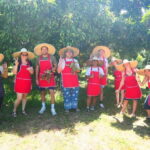
- bring a sun hat for outdoor parts of the day
- go hungry, but don’t pack too many other plans right after
- if you’re vegetarian or halal, pick options in advance so your menu matches your dietary needs
If you’re sensitive to heat, choose the session that fits your energy. You may also find the classroom air-conditioned on some days, which can make the cooking stage much easier.
Should you book Grandma’s Home Cooking School in Chiang Mai?
Yes, if you want Thai cooking that feels grounded in ingredients, not just recipes. The farm-and-market setup gives you context, and the small group plus individual stations make it a real learning experience. The curry paste by hand is the kind of skill that upgrades every future Thai meal you make.
Book the half-day if you want a practical intro with a strong lineup of dishes. Choose the full-day if you want to work longer and learn the coconut milk method with the coconut grater. Either way, go in expecting a lot of food, solid instruction in English, and a day that connects farm herbs to your final plate.
FAQ
How long is the cooking class in Chiang Mai?
The experience runs about 4 to 6 hours. Starting times vary, so you’ll need to check availability.
Is there a half-day and full-day option?
Yes. You can choose a half-day session (morning or evening) where you typically cook 3 or 4 dishes. There is also a full-day option that adds extra courses.
What dishes can I cook?
The class includes popular Thai dishes such as Tom Yum Koong, Pad Thai, Pad Kra Prao, and curry. Mango sticky rice is served at the end.
Do I visit the market?
Yes. You’ll go to a local market to learn about important ingredients and buy what you need for your dishes.
Do I visit an organic farm?
Yes. You’ll tour an organic farm, pick fresh vegetables, collect eggs, and learn about Thai herbs and vegetables.
What’s the group size?
It’s a small group limited to 10 participants.
Is there pickup and drop-off?
Yes. Pickup is available within 10 kilometers of Chiang Mai city center. You’ll meet at your hotel lobby, and pickup times are approximately 8:30–9:00 AM for the morning session and 11:30 AM–12:00 PM for the afternoon session.
Is the instruction in English?
Yes. The instructor is English-speaking.
Are vegetarian or halal options available?
Yes. Vegetarian and halal options are available.
What should I bring, and are pets allowed?
Bring comfortable shoes and a sun hat. Pets are not allowed.
Is free cancellation available?
Yes. You can cancel up to 24 hours in advance for a full refund.