REVIEW · CHIANG MAI
Chiang Mai: Cooking Class, Market & Thai Herbs Garden Tour
Book on GetYourGuide →Operated by Thai Cottage Home Cookery School · Bookable on GetYourGuide
Smell the herbs, then crush your own curry paste. In Chiang Mai, this cooking experience strings together a local market stop, a Thai herb garden visit, and a hands-on meal in an organic kitchen setting, with hotel pickup and drop-off built in.
What I like most is that you don’t just watch. You shop for ingredients, learn what they do, then actually cook dishes you chose. The second big win is the curry paste step: pounding ingredients with a mortar and pestle is the practical skill you can take home, whether you go red, green, Massaman, or Khao Soi.
One thing to consider: you’ll be picked up about 15–30 minutes before departure and traffic can cause delays. Also, it’s not designed for very young kids (under 5) or people over 95, so plan accordingly if you’re traveling as a family.
In This Review
- Key highlights at a glance
- How the Day Flows: pickup, market, herbs, cooking, garden dining
- Chiang Mai Market Tour: pick ingredients like a Thai home cook
- Thai Herb Garden Time: learn what spices do before the stove
- Hands-On Cooking Class: choose your dishes and control the heat
- Starters to choose from
- Main courses to choose from
- Spicy or non-spicy
- Dietary needs are welcomed
- Curry paste from scratch: the skill that changes everything
- Why the mortar-and-pestle step is worth it
- Mango sticky rice and the garden meal: eating is part of the lesson
- Value at about $31: what you’re really paying for
- Tips to make it smoother (and actually fun)
- Who should book this cooking class in Chiang Mai
- Should you book the Chiang Mai Cooking Class with Market & Herbs Garden?
- FAQ
- How long is the Chiang Mai cooking class?
- Is hotel pickup and drop-off included?
- What will we do during the class?
- Can I choose what dishes to cook?
- Can you accommodate vegetarian, vegan, gluten-free, halal, or allergies?
- Can I make the dishes spicy or mild?
- Do I get recipes after the class?
- Is alcohol included in the price?
Key highlights at a glance
- Market first, cooking second so ingredients make sense when they hit the wok
- Thai herbs garden visit to connect smells and flavors before you cook
- Curry paste from scratch using a mortar and pestle
- Pick your dishes and spice level including options for different diets
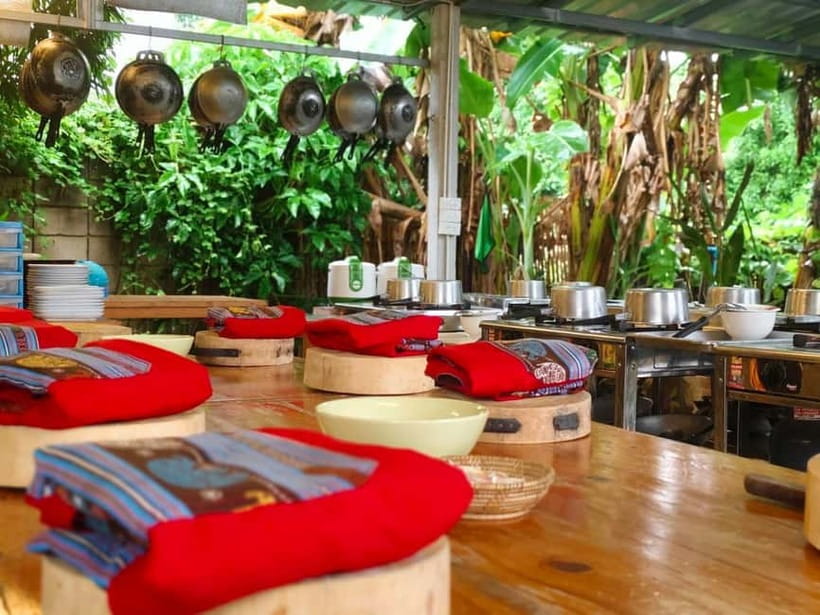
- Eat your meal in an organic kitchen garden in true Thai style
- Digital recipe book online so you can repeat the dishes later
How the Day Flows: pickup, market, herbs, cooking, garden dining
This is a half-day format that moves in a logical order: you start by getting oriented with the ingredients, then you cook, then you eat where the food was grown. The day begins with hotel pickup (free transfer within 3 km of Chiang Mai Old Town). You wait in your hotel lobby, and the team picks you up 15–30 minutes before class.
If your hotel is farther out, you may need to meet at a set meeting point. Either way, wear comfortable clothes. You’ll be walking and doing hands-on work, and you’ll likely want to move around without feeling restricted.
Once you’re at the school, the rhythm stays simple: market and herb learning → choose your dishes → cook with an instructor → sit down to eat in a garden setting. English support is part of the setup, and many people say the instructors keep the class friendly and fun.
You can also read our reviews of more tours and experiences in Chiang Mai.
Chiang Mai Market Tour: pick ingredients like a Thai home cook
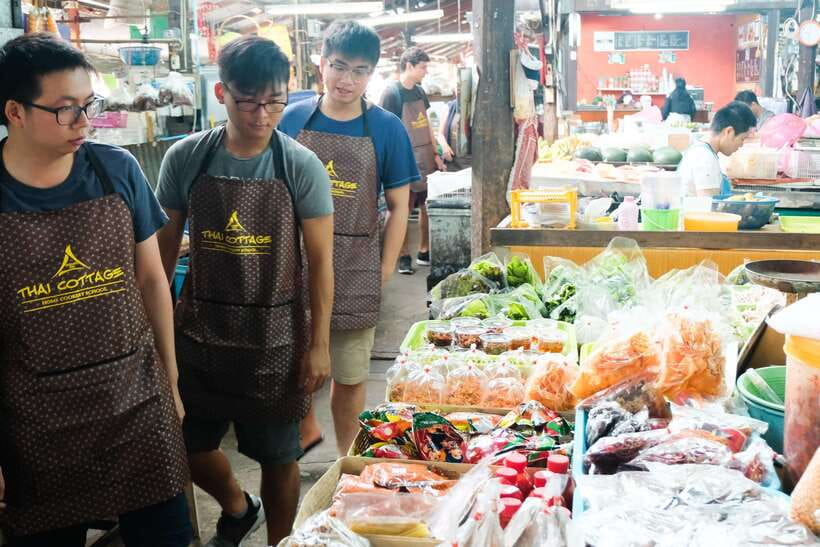
The market stop is where the experience becomes real. Instead of memorizing a recipe, you’re learning how Thai cooks build flavor from fresh basics. You’ll head to a local Thai market to pick herbs and ingredients, and this helps you understand why certain dishes taste the way they do.
From what the group experiences suggest, it’s also the best time to ask practical questions: what’s used fresh vs dried, what aromas matter most, and how different ingredients show up across Thai meals. People highlight the market as especially worthwhile because it feels local and you can spot the ingredients that become the heart of Thai cooking.
In class, you don’t just cook one “template dish.” You choose from starter, main, curry paste type, and dessert options—so the market visit helps you make better ingredient choices when you get to the kitchen.
Thai Herb Garden Time: learn what spices do before the stove
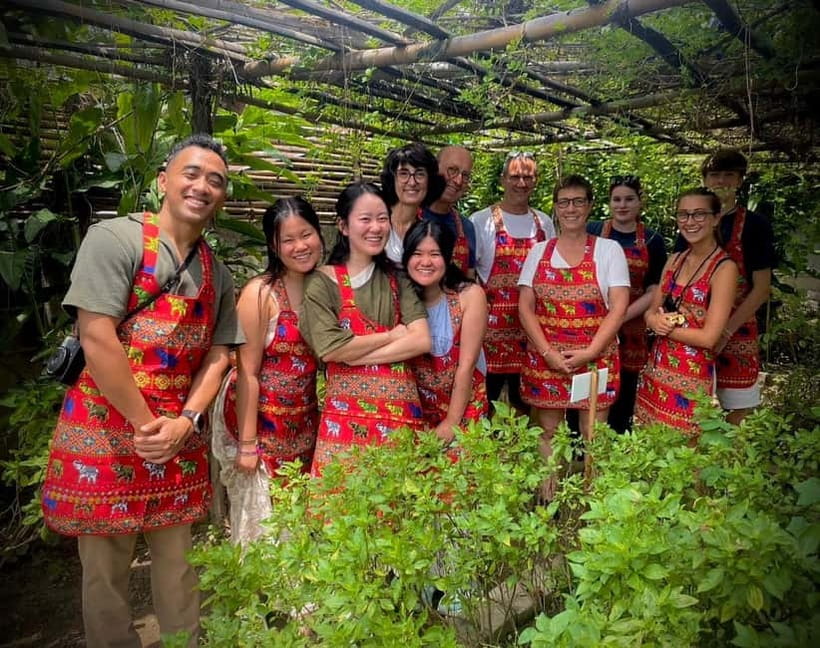
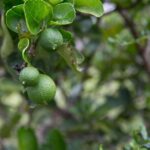
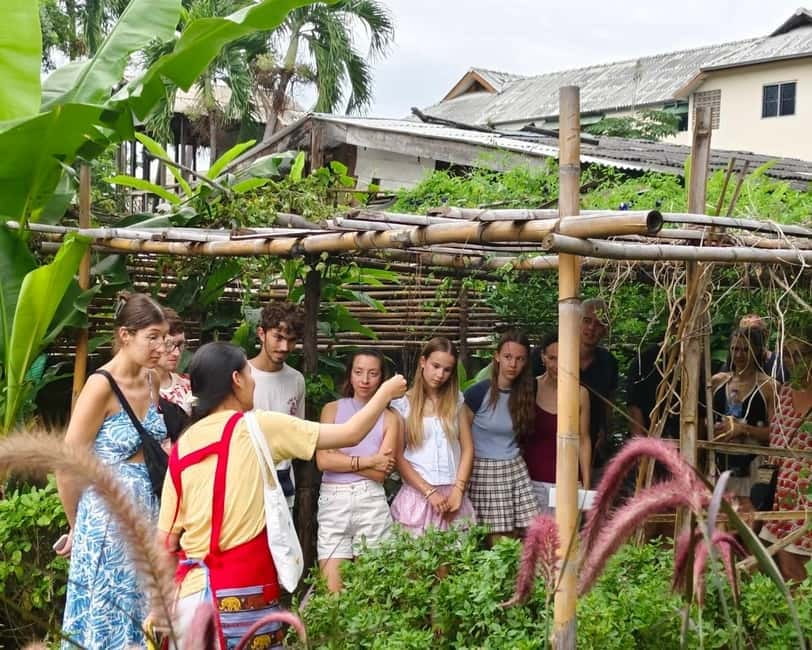
After the market, you shift from “what is this?” to “why does it matter?” The Thai Herb Garden is designed to connect ingredients to flavor. You can expect to see and learn about Thai herbs used in everyday cooking.
This matters more than it sounds. When you know what a spice or herb contributes—heat, aroma, tang, sweetness—you stop treating the recipe like a math problem. You start cooking like you’re adjusting a flavor system, which makes the dish easier to repeat later.
It’s also a calm break from the market bustle. You’ll get your senses tuned up for the curry paste and the final meal, especially since you’ll cook and dine in an organic kitchen garden.
Hands-On Cooking Class: choose your dishes and control the heat
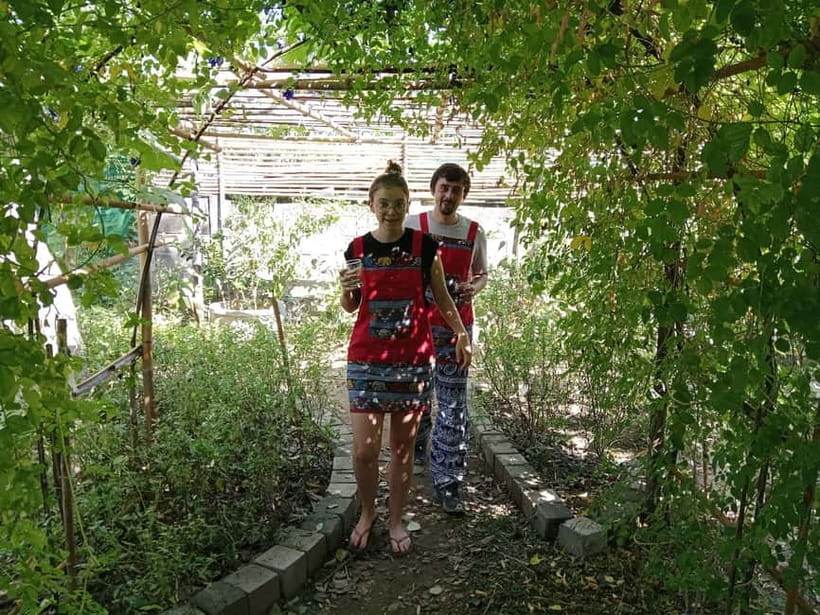
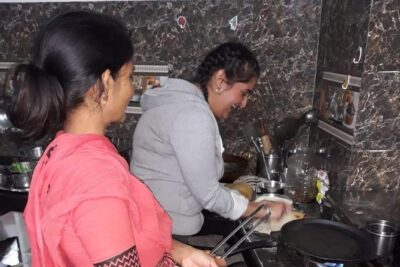
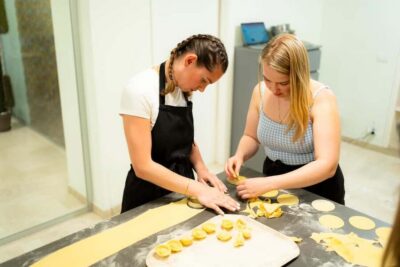
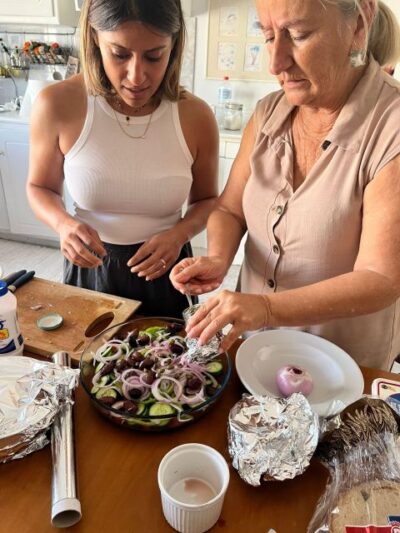
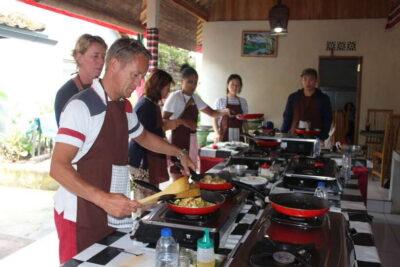
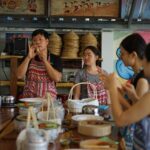
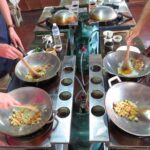
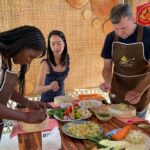
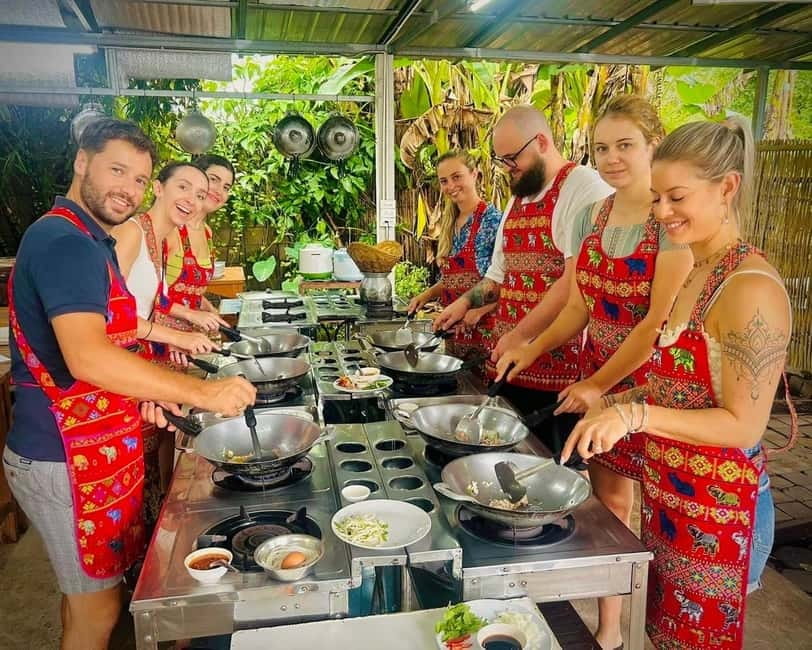
This class is hands-on in the best way: you’re not just stirring and hoping. You’ll prep, cook, and plate dishes with an instructor guiding the process.
Starters to choose from
You can select options like:
- Hot and sour prawn
- Local chicken soup
- Chicken in coconut milk
- Turmeric chicken soup
The starter choices are a good warm-up for flavor building. Hot-and-sour styles teach you balance. Coconut milk soups show you how Thai cooking turns intense flavors into something round and comforting.

Main courses to choose from
For your main, you might make classic Thai favorites such as:
- Pad Thai
- Chicken fried rice
- Fried chicken with cashew nuts
- Pad Kra Pao
This is also where the instructor’s guidance becomes practical. You learn the timing and technique that makes Thai street-food styles work at home—not just the ingredients list.
Spicy or non-spicy
One big advantage: you can make food spicy or non-spicy to match your taste. That means you’re not stuck with a harsh version of a dish that you can’t enjoy. You get to experience Thai flavors without getting punished by heat.
Dietary needs are welcomed
The setup explicitly welcomes vegan, vegetarian, gluten-free, halal, and allergies. Alternative ingredients are available. So if you have dietary restrictions, this is designed to be a workable option rather than a struggle.
Curry paste from scratch: the skill that changes everything
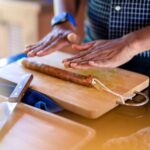
Here’s the part that people talk about for a reason: you craft your own curry paste using a mortar and pestle.
You can choose from curry paste types like:
- Red curry
- Green curry
- Phanaeng
- Massaman
- Khao Soi
Then you use your curry paste to make a chicken-and-coconut-milk curry. This is the payoff step where your earlier choices actually control the final flavor.
Why the mortar-and-pestle step is worth it
Pounding ingredients isn’t just theater. It changes the texture and releases essential oils from herbs and spices. In practical terms, that means the curry paste tastes more fragrant and cohesive than something thrown together from pre-made paste.
If you like cooking at home, this is the skill you’ll remember. Even if you don’t grind everything every time, knowing how curry paste should smell and taste helps you adjust when you use store-bought paste later.
Also, the instructors—like Wave, Tu, Flook, Kat, Balloon, and Toey, depending on the group—are repeatedly praised for keeping the cooking clear and fun. You’re more likely to feel confident when you’re asked to do the work, not just watch it happen.
Mango sticky rice and the garden meal: eating is part of the lesson
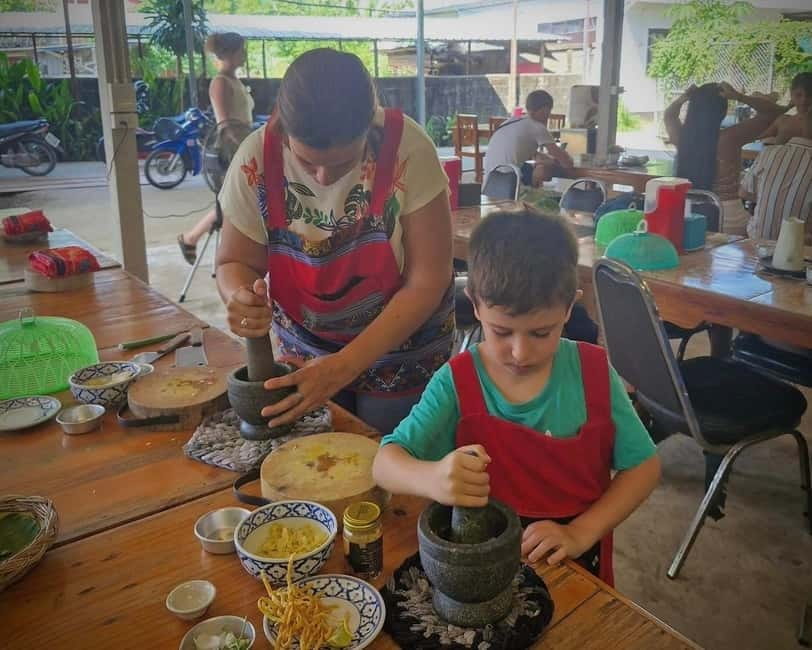
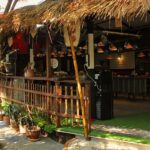
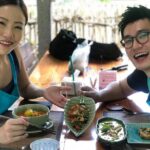
After cooking, you eat in traditional Thai style in the organic kitchen garden. This is not just dinner as a bonus. It’s part of learning how the dishes are meant to be experienced together.
Then dessert lands: sweet sticky rice with mango. It’s a classic pairing—sweet, cooling, and satisfying after savory curry and stir-fry flavors.
This garden dining also makes the whole day feel grounded. You’re tasting food that connects back to the herbs and ingredients you saw earlier. If you care about authentic travel moments, this is one of the easiest ways to make Thai cooking feel like more than a cooking demonstration.
Value at about $31: what you’re really paying for
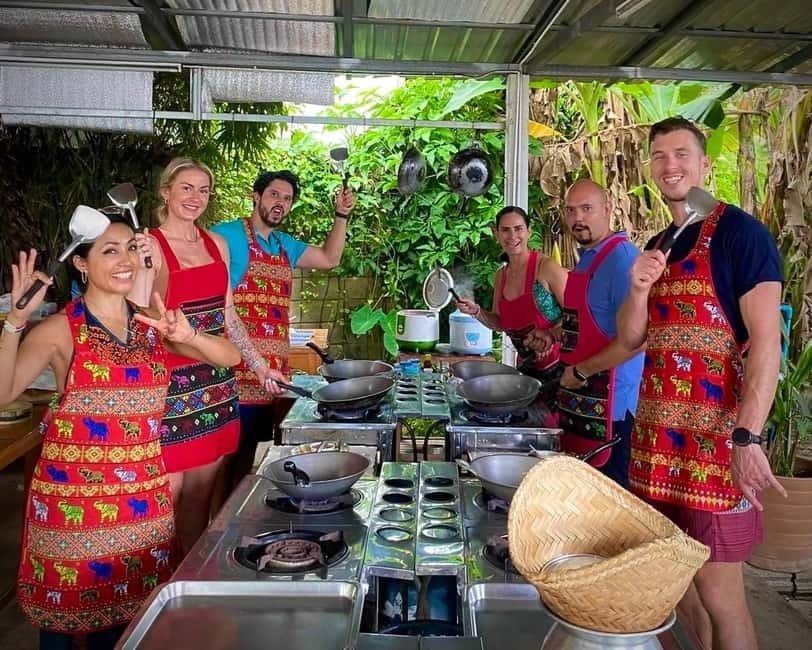
At around $31 per person for about 210 minutes, the value isn’t just the cooking class. It’s what’s wrapped into the price:
- Hotel pickup and drop-off
- Local market visit
- Thai Herb Garden visit
- Hands-on cooking class
- All ingredients
- English-speaking Thai food instructor
- Digital recipe book
That’s a lot of structure for the money. Many stand-alone food tours give you tastings but not skills. Here, you leave with both: you eat a meal and you learn how to recreate it.
If you’re comparing options in Chiang Mai, this is a smart pick when you want an active experience that also feeds you well—without having to plan shopping, ingredient prep, and transport.
Alcohol isn’t included, but it’s available for purchase, so you can decide based on your style of travel.
Tips to make it smoother (and actually fun)
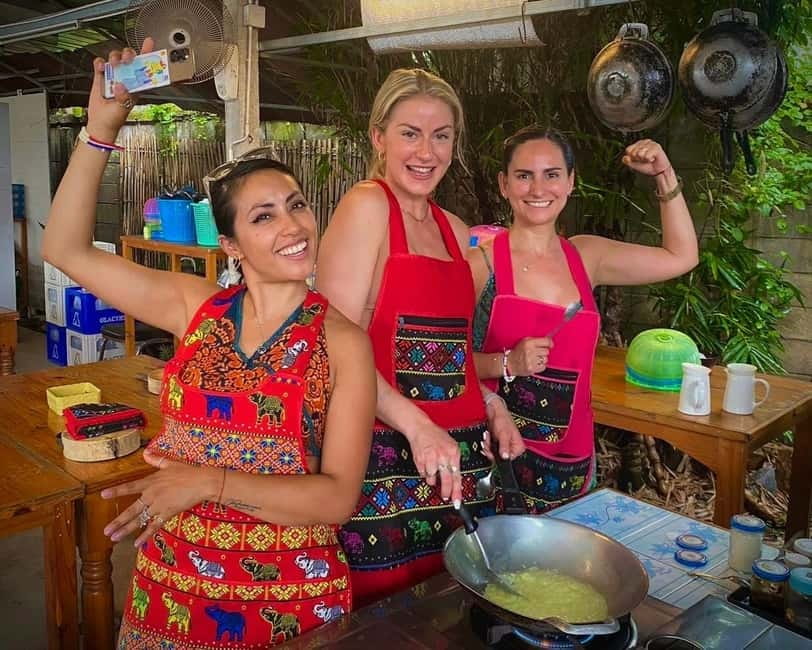
A few practical pointers to get the most out of the day:
- Wear comfortable clothes you don’t mind getting a little messy.
- If you’re sensitive to spice, tell the instructor early that you want mild. The class supports adjusting heat.
- If you have allergies or dietary restrictions, mention them when booking so the team can confirm substitutes.
- Bring curiosity, not perfectionism. A lot of the joy here is learning while you cook. Even if your Pad Thai or curry paste isn’t identical to the instructor’s, you’ll understand what creates the flavor.
- If you’re going as a family, it can work especially well for older kids (one family described kids ages 8, 10, and 12 cooking their own dishes). Still, it’s not suitable for kids under 5.
Who should book this cooking class in Chiang Mai
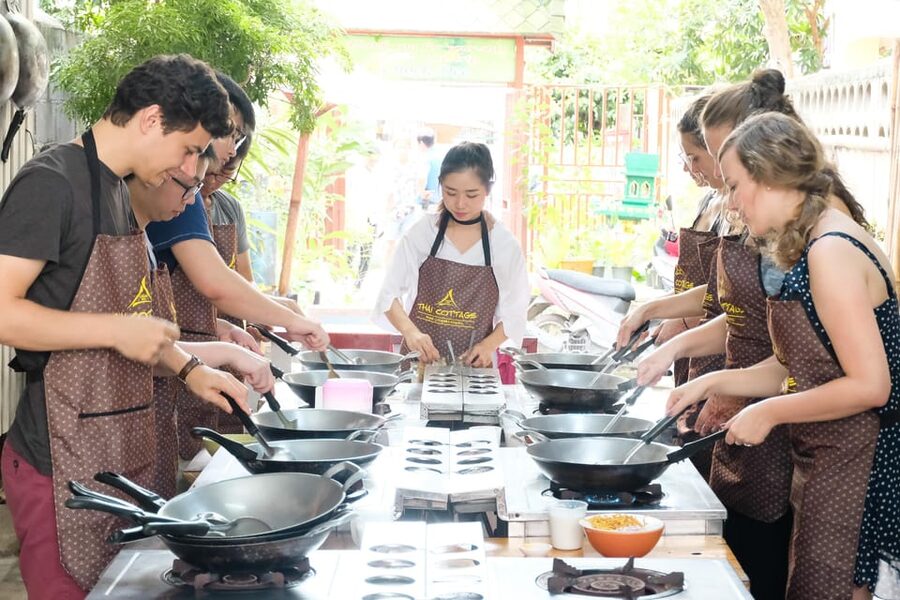
This is a great fit if you want:
- A hands-on Thai cooking experience, not a passive show
- A market + herb education that makes the food make sense
- A practical skill upgrade through curry paste grinding
- A meal that feels like an actual Thai home setting (organic kitchen garden dining)
- English instruction and support for different dietary needs
It’s also a strong option for mixed groups. People mention enjoying the social vibe—different dish choices mean everyone ends up with a slightly different meal, and that makes dinner feel like sharing.
If you’re short on time, the 210-minute format is nicely contained. If you’re the kind of traveler who likes doing one “activity with a skill” instead of hopping between sights, this lands in the sweet spot.
Should you book the Chiang Mai Cooking Class with Market & Herbs Garden?
If you like food and you want more than a tasting tour, I’d book it. The day hits the three things that matter for me: you learn ingredients (market + herb garden), you practice real technique (curry paste from scratch), and you eat in a meaningful setting (organic kitchen garden dining).
Skip it only if:
- You prefer purely sightseeing activities over hands-on cooking
- You can’t manage standing and cooking tasks comfortably
- You’re traveling with very young kids (under 5) or someone over 95
Otherwise, this is a value-packed half-day that teaches you how Thai flavors come together—and gives you a digital recipe book to keep the momentum going after Chiang Mai.
FAQ
How long is the Chiang Mai cooking class?
The experience runs for 210 minutes.
Is hotel pickup and drop-off included?
Yes. Pickup and drop-off are included, with free transfer within 3 km of Chiang Mai Old Town. The pickup is typically 15–30 minutes before class, and traffic delays can happen.
What will we do during the class?
You visit a local market, go to a Thai herb garden, then take part in a hands-on cooking class. You cook your chosen dishes, make curry paste from scratch, prepare a curry, and finish with sweet sticky rice with mango.
Can I choose what dishes to cook?
Yes. You choose dishes from starter, main course, curry paste type, and dessert options.
Can you accommodate vegetarian, vegan, gluten-free, halal, or allergies?
Yes. Vegan, vegetarian, gluten free, halal, and allergies are welcome, and the team provides alternative ingredients.
Can I make the dishes spicy or mild?
Yes. You can make food spicy or non-spicy to suit your preference.
Do I get recipes after the class?
Yes. You receive a digital recipe book (PDF) online.
Is alcohol included in the price?
No. Alcoholic beverages are not included, though they may be available for purchase.