REVIEW · BANGKOK
Bangkok: White Lotus Thai Cooking Class with Market Tour
Book on GetYourGuide →Operated by White Lotus Thai Cooking School · Bookable on GetYourGuide
A Thai cooking class is fun. This one is smarter. You start by walking Bangkok’s markets, then you cook four beloved dishes in a homey school setting, with ingredients you just handled minutes earlier.
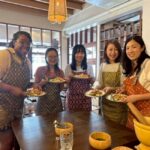
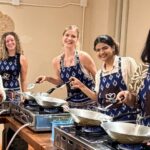
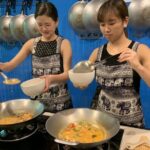
What I like most is the combo: market-to-pan learning, plus a kitchen that feels calm and organized. You’re not stuck watching either. You’ll actually cook Tom Yam Goong, Pad Thai, Som Tam, and mango sticky rice, then eat what you make with a small group.
One thing to consider: you’ll be on your feet during the market portion, and the class is not suited for kids under 6.
In This Review
- Key things that make this class worth your time
- Market to meal: why this format hits better than a cooking demo
- Finding White Lotus Thai Cooking School near Sanamchai MRT
- Paak Klong Talad’s wholesale produce and flower market: what you’re really learning
- Fresh coconut milk for sticky rice: the lesson that makes the dessert work
- Cooking four Thai classics: exactly what you’ll make and how it should feel
- Tom Yam Goong: learning the sour-spicy balance
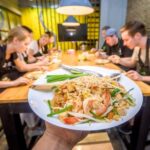
- Pad Thai: the sauce and timing dish
- Som Tam: the crunch and punch of green papaya
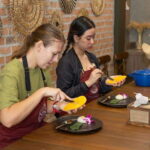
- Mango Sticky Rice: dessert with your coconut milk behind it
- Spicy choices, vegetarian options, and small-group energy
- Meet your instructors: why the teaching style matters
- Lucky draw, white lotus folding, and your certificate
- Price and value: does $35 really make sense for 3.5 hours?
- Who should book White Lotus Thai Cooking Class
- Should you book this Bangkok cooking class?
- FAQ
- How long is the Bangkok White Lotus Thai Cooking Class?
- What dishes will I cook during the class?
- Where do I meet the group?
- Is transportation included to and from the school?
- Does the class work for beginners?
- Is the class wheelchair accessible?
- Are children allowed?
Key things that make this class worth your time
- Market context first: you learn ingredients and vendors’ choices before you cook.
- Fresh coconut milk lesson: you make it from scratch for the sticky rice.
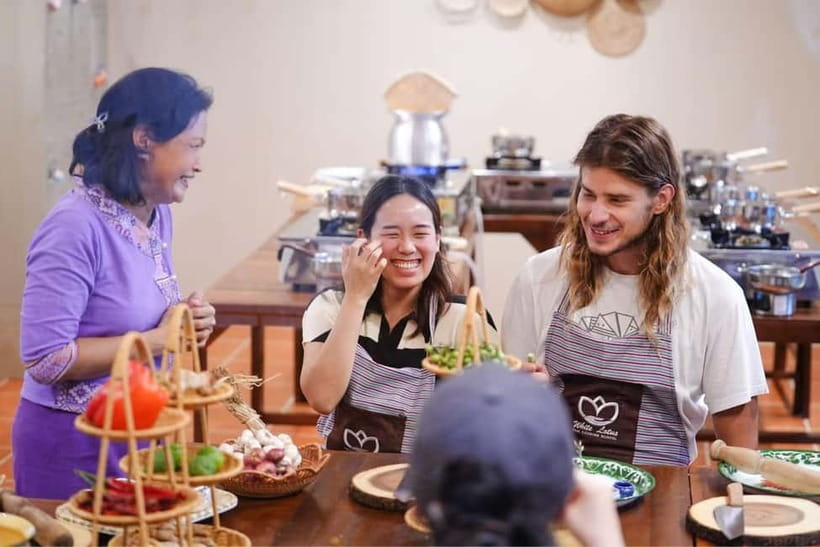
- Four hands-on dishes: Tom Yam Goong, Pad Thai, Som Tam, mango sticky rice.
- You control heat: you can choose how spicy you want your dishes.
- A friendly, cozy format: people describe it as clean, well-run, and not rushed.
- White lotus + certificate: a fun lucky draw and a take-home proof you did it.
Market to meal: why this format hits better than a cooking demo
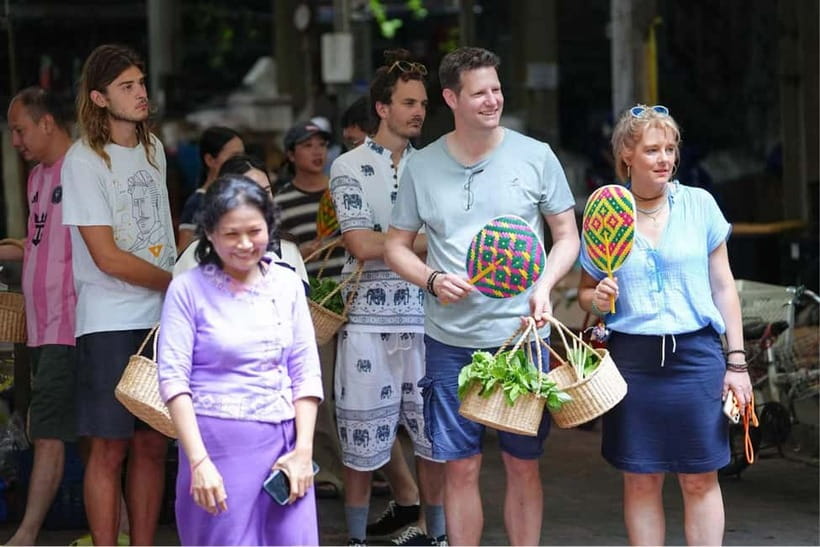
Bangkok cooking classes come in two flavors: watch-and-learn, or cook-and-eat. This one is firmly in the second camp. The market tour sets up the lesson so recipes make sense. When you see Thai basil, limes, shrimp, green papaya, chilies, and the sweet-smelling stuff used for desserts in real life, you stop treating the dish like a checklist and start treating it like food.
The other win is the pace. The class runs about 210 minutes (3.5 hours), which is long enough to feel like a real workshop but short enough that it doesn’t drag. Many people note the teacher’s clear steps and patience, and you get repeated chances to taste, adjust, and try again—especially when you’re deciding your preferred spice level.
If you love food tourism but hate wasting time in touristy lines, this is a tidy way to get both authenticity and competence. And if you’re nervous about cooking, that’s okay too. The experience is described as working well for all skill levels, including people who are cooking Thai for the first time.
You can also read our reviews of more tours and experiences in Bangkok.
Finding White Lotus Thai Cooking School near Sanamchai MRT
Meeting up is simple and low-stress. You meet at White Lotus Thai Cooking School, on the 2nd floor of The Market Organization (Paak Klong Talad).
Practical location notes you’ll appreciate:
- It’s about 150 meters from Sanamchai MRT station
- It’s around 60 meters from a 7/11
- You’ll need to arrange your own transport to and from the school (not included)
This part matters because Bangkok can be a little chaotic at street level. Knowing you’re essentially starting inside the Paak Klong Talad area means you’re less likely to lose time hunting down the right building.
Also, the school is described as wheelchair accessible, so if mobility is a concern, this format is at least designed to accommodate.
Paak Klong Talad’s wholesale produce and flower market: what you’re really learning
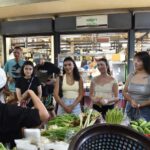
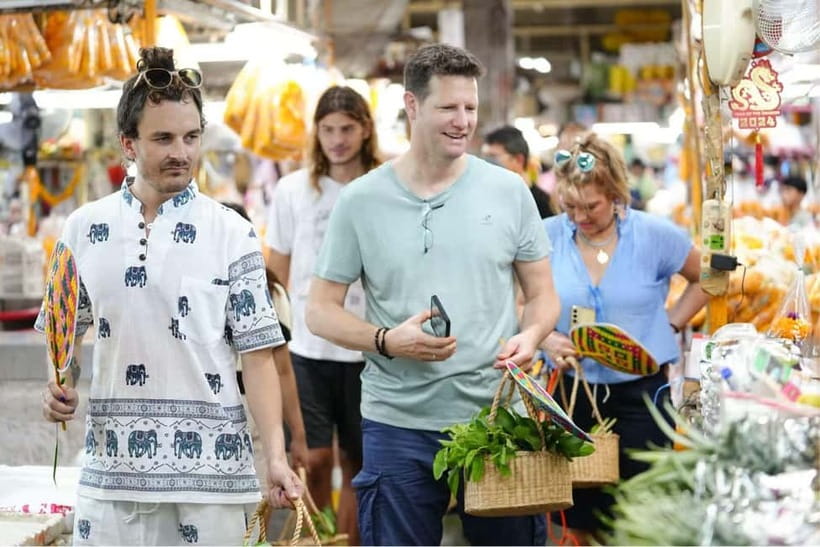
The experience starts with a walk through local wholesale vegetable and fruit markets, plus the biggest flower market in Bangkok. That’s not a random add-on. It’s part of how Thai cooking is taught: ingredients aren’t generic. They have seasons, grades, and fresh choices that affect flavor.
Here’s what the market portion is doing for you:
- You learn what ingredients look like when they’re at their best, not when they’ve already been shipped halfway around the world.
- You pick up the logic behind Thai cooking: sour, spicy, salty, sweet, and fragrant elements are balanced with intention.
- You hear vendor and ingredient context that you would not get from a cookbook.
You’ll also likely get chances to feel, touch, smell, and even taste some items. A lot of people specifically highlight the market flower stop as interesting and memorable, and that makes sense: flowers are more than decoration in Thai food culture. They connect to how freshness and fragrance show up in dishes and food presentation.
One practical drawback: because it’s a market, it can be busy and active. If you don’t love crowds or you get uncomfortable walking in that kind of environment, plan to keep your pace steady and wear comfortable shoes.
Fresh coconut milk for sticky rice: the lesson that makes the dessert work
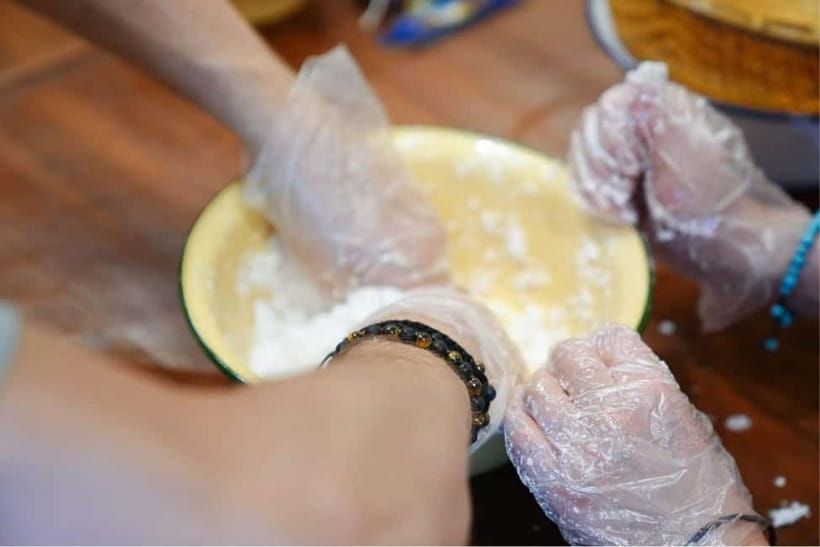
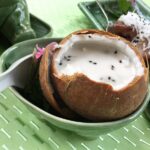
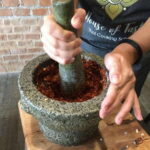
Back at the school, you get into the part many people remember most: making fresh coconut milk from scratch for the sweet sticky rice.
Why this matters: store-bought coconut milk is convenient, but fresh coconut milk changes the whole dessert experience. It can taste smoother, feel less flat, and support the sweetness in a way that makes the final dish taste more “Thai homemade” and less like a packaged syrup situation.
Also, coconut milk is one of those ingredients where technique affects outcome. If you’ve ever had sticky rice come out too bland or overly sweet, this is the kind of hands-on lesson that fixes the problem at the source.
You’ll then carry that work into the dessert you’ll serve at the end—so it doesn’t feel like you did a side task. It’s part of your payoff.
Cooking four Thai classics: exactly what you’ll make and how it should feel
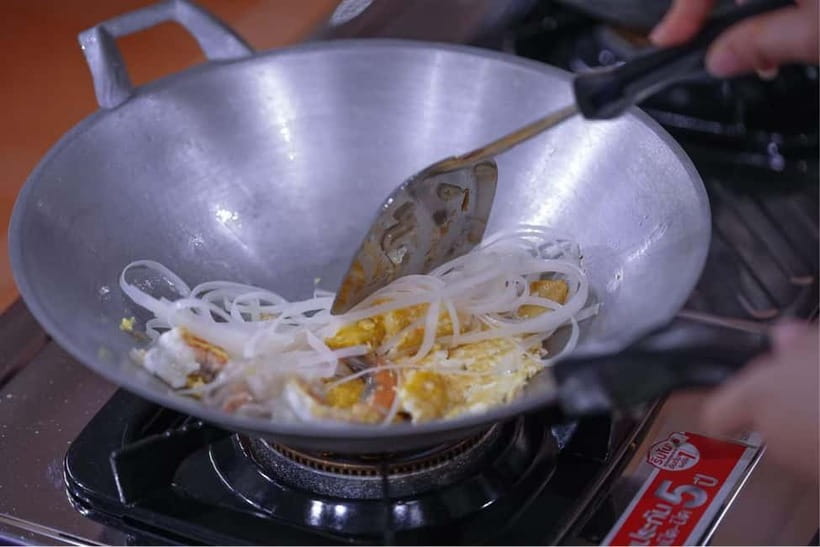
You cook 4 authentic Thai dishes during the class:
- Tom Yam Goong
- Pad Thai
- Som Tam
- Mango Sticky Rice (with the coconut milk you prepared)
The structure is simple and effective: you learn the steps, you cook, then you eat your dish once it’s ready. That means you’re not just practicing technique—you’re also taste-testing the results immediately.



Tom Yam Goong: learning the sour-spicy balance
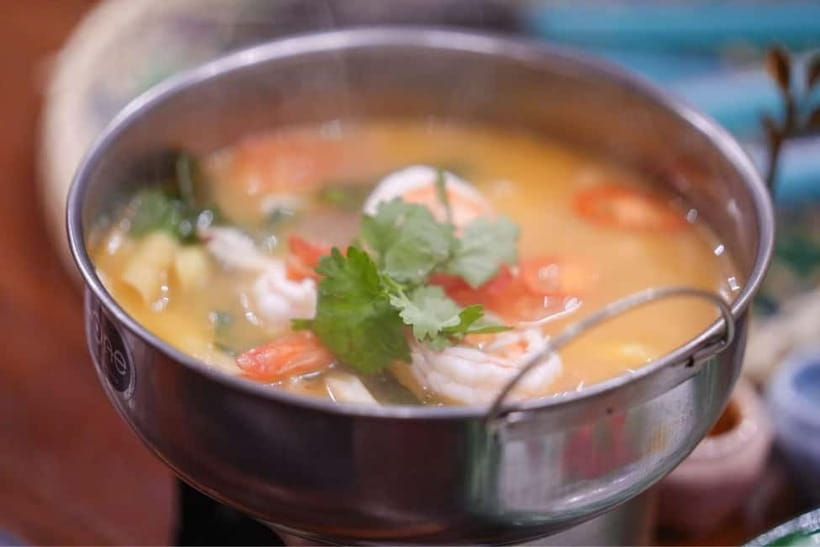
Tom Yam Goong is one of Thailand’s best-known dishes, and it’s also a great teaching tool because it forces you to balance flavors rather than just follow texture rules. In a hands-on class, you’re likely to focus on the broth’s character—how sour, spicy, and savory flavors land together.
The bonus here is motivation. People really want to master Tom Yam, and this class gives you that chance without forcing you to “figure it out later.”
Pad Thai: the sauce and timing dish
Pad Thai is another crowd favorite, and in a workshop it’s often where people feel the biggest excitement. You learn how the sauce behaves, how noodles respond, and how you can control flavor depth.
One review notes learning Pad Thai as a top favorite, which tells me this is a dish that usually clicks quickly for beginners. And when you can choose how spicy you want things, you get a version that matches your comfort level.
Som Tam: the crunch and punch of green papaya
Som Tam (green papaya salad) is where Thai flavors show off in high gear—sharp, crunchy, and loud with seasoning. It’s also a dish that makes you pay attention to texture and seasoning distribution.
If you like fresh, tangy flavors, this is a great dish to learn because you’ll likely notice why good ingredients matter. The green papaya element is all about freshness and crunch, and that connects directly back to what you saw at the market.
Mango Sticky Rice: dessert with your coconut milk behind it
Mango sticky rice is your final proof that the earlier coconut milk lesson wasn’t just busy work. You’ll be tasting a dessert built on the fruit, the rice texture, and the coconut sweetness you made yourself.
Mango sticky rice also helps the class feel complete. You don’t just go home with recipes. You go home with a whole taste memory of how sweet and creamy Thai flavors should feel.
Spicy choices, vegetarian options, and small-group energy
A big practical advantage: you can choose how spicy you want your dishes. That’s not a tiny detail. Thai food is flavorful and spicy by design, and being able to dial it to your comfort level keeps the class enjoyable for more people.
Vegetarian comfort also comes up in the feedback you provided. One participant mentions being vegetarian and being taught vegetarian options for the dishes. Another review notes a choice between shrimp/chicken and vegetarian, which is useful if you don’t eat meat or you cook for someone who doesn’t.
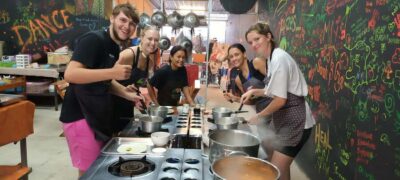
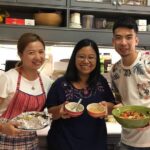
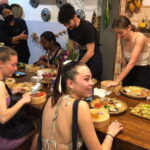
Group size is usually described as small and cozy. One review specifically mentions cooking in a class of around 10 people, which is exactly the range where hands-on coaching is still possible without feeling like a factory line.
Meet your instructors: why the teaching style matters
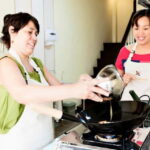
The cooking school’s quality shows up in the people leading it. From your feedback, the English-speaking teachers you might meet include Sasi, Jeab/Jaeb (spelled a couple ways in the notes), Chon, and Pat. Different names show up, but the pattern is consistent: clear steps, friendly energy, and patience with different skill levels.
A few teaching details that come through strongly:
- Instructions are described as clear, step-by-step, and not rushed.
- Teachers help you adjust while you cook, not after you mess up.
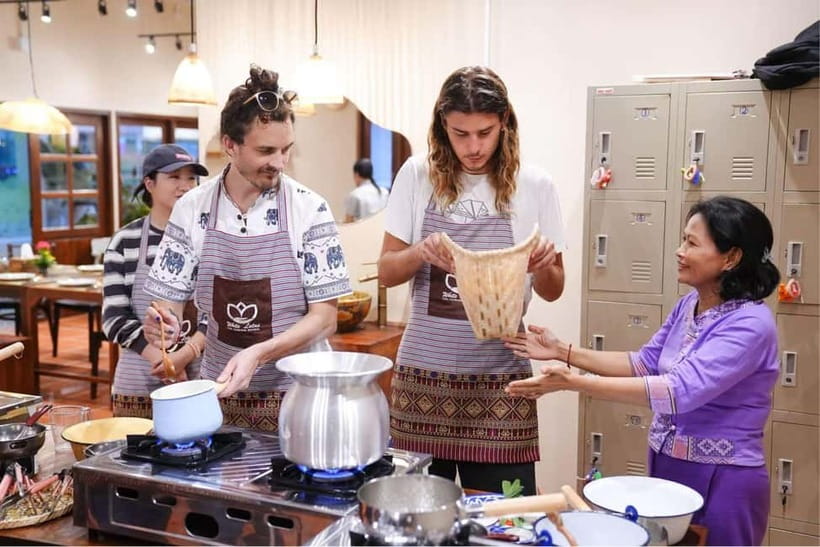
- People mention the kitchen being clean and the classroom having a nice interior setup.
If you’ve had bad cooking classes before—where the instructor talks at you for 30 minutes—this is the opposite. The best part isn’t just the recipes. It’s the way you’re guided through them.
Lucky draw, white lotus folding, and your certificate
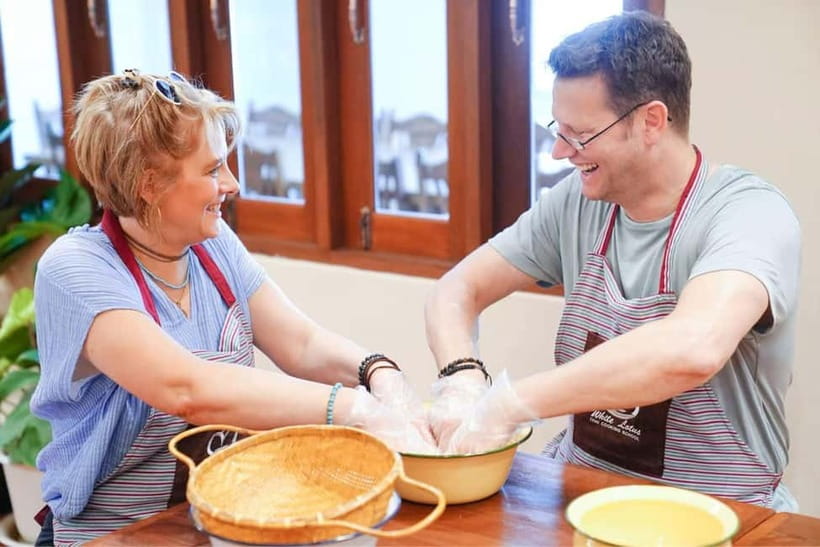
When you finish eating, the experience doesn’t just end with a polite goodbye. There’s a lucky draw, and you’ll learn how to fold a white lotus. That’s a small cultural activity, but it also gives you a moment to slow down and enjoy the group energy after the cooking rush.
You’ll also receive a certificate to take home. It may sound purely symbolic, but for a lot of people it turns the experience into something they can reference later when they try to cook the dishes again.
Some reviews also mention a small souvenir being included. Since it isn’t listed as a formal item in the basic package info you shared, treat it as a nice possibility rather than a guaranteed add-on.
Price and value: does $35 really make sense for 3.5 hours?
At $35 per person for roughly 210 minutes, this class is positioned as good value for Bangkok. Here’s why.
You’re not only paying for cooking:
- You get a market walk that includes both wholesale produce/fruit and the biggest flower market.
- You cook and eat four dishes in full.
- You learn a foundational technique for Thai dessert (fresh coconut milk).
- The class includes a meal, a certificate, and hands-on coaching.
Most cooking classes charge a similar price for recipes and tasting a single dish. Here, you leave with a larger set of outcomes. And because you cook the dishes yourself, you’ll likely remember the steps better than you would from a class where you only watch.
The main “hidden cost” is time and appetite. Come hungry—one review specifically calls that out—and wear comfy clothes because you’ll be moving through the markets before you start cooking.
Who should book White Lotus Thai Cooking Class
This one is a strong fit if you:
- want authentic Thai food skills, not just a photo-stop market tour
- like hands-on learning and eating what you make
- are traveling with a partner or small group and want a shared activity with a home-like feel
- want a structured, beginner-friendly way to learn Thai cooking at a comfortable pace
It may be less ideal if you:
- can’t handle walking in market conditions
- need total quiet and minimal social interaction (it’s friendly and social by design)
- are traveling with kids under 6 (the class isn’t suitable for them)
Should you book this Bangkok cooking class?
If you’re choosing between a random cooking stop and something that actually teaches you how Thai flavors work, this is an easy yes. You get market context, fresh coconut milk technique, and four dishes you’ll be proud to repeat at home. The strong organization and the repeated praise for the teaching style (whether it’s Sasi, Jeab/Jaeb, Chon, or Pat) suggest the experience is built around helping you succeed, not just feeding you.
My practical advice: if you can only do one food activity in Bangkok that’s hands-on, this is a smart pick. Book it when you want a full food day with structure, flavor, and a real take-home sense of confidence.
FAQ
How long is the Bangkok White Lotus Thai Cooking Class?
The class is about 210 minutes, or roughly 3.5 hours.
What dishes will I cook during the class?
You’ll cook four Thai dishes: Tom Yam Goong, Pad Thai, Som Tam, and Mango Sticky Rice.
Where do I meet the group?
Meet at White Lotus Thai Cooking School on the 2nd floor of The Market Organization (Paak Klong Talad), about 150 meters from Sanamchai MRT station and around 60 meters from a 7/11.
Is transportation included to and from the school?
No. Transportation to and from the cooking school is not included.
Does the class work for beginners?
Yes. The class is suitable for all skill levels, and instructions are provided in English (and Thai).
Is the class wheelchair accessible?
Yes, it’s listed as wheelchair accessible.
Are children allowed?
The class is not suitable for children under 6 years old.