REVIEW · BANGKOK
Bangkok: Hands-on Thai Cooking Class and Market Tour
Book on GetYourGuide →Operated by House of Taste Thai Cooking School · Bookable on GetYourGuide
Your Bangkok lunch starts with real skills.
This hands-on Thai cooking class at House of Taste is built around cooking from scratch, not watching. In the morning you also add a guided market tour to pick fresh ingredients before you cook, then you make four classic dishes and eat them hot and ready.
I like how personal it feels, thanks to a small class and instructors known for clear step-by-step guidance, like Pitch, Jay, and April. You’ll also get recipes by email, which is a practical way to keep the flavor going after you leave. One thing to consider: the market visit only happens with the morning class, and the afternoon/evening version swaps that for mango carving, so plan your timing if ingredient shopping is your priority.
In This Review
- Key points worth knowing
- Bangkok cooking at House of Taste: why it feels more than a show
- Getting there: Asoke meeting point versus Sukhumvit 4
- The morning market tour: what you’re really practicing
- Hands-on Thai cooking: four dishes you make, not just sample
- A realistic pace for cooks of any level
- The week’s menu: what each dish teaches you
- Afternoon and evening classes: mango carving as the final flourish
- Dietary needs and flavor style: practical accommodations
- Price and value: why $45 can actually feel fair
- Who this suits best in Bangkok
- Should you book this cooking class in Bangkok
- FAQ
- How long is the Bangkok cooking class?
- Where do I meet for the morning class?
- Where do I meet for the afternoon or evening class?
- Is there a market tour included?
- What happens instead of the market tour in the afternoon and evening?
- What dishes will I cook?
- Are vegetarian, halal, kosher, or allergy-friendly options available?
- Is MSG used in the class?
- What should I bring?
- Is alcohol included?
Key points worth knowing
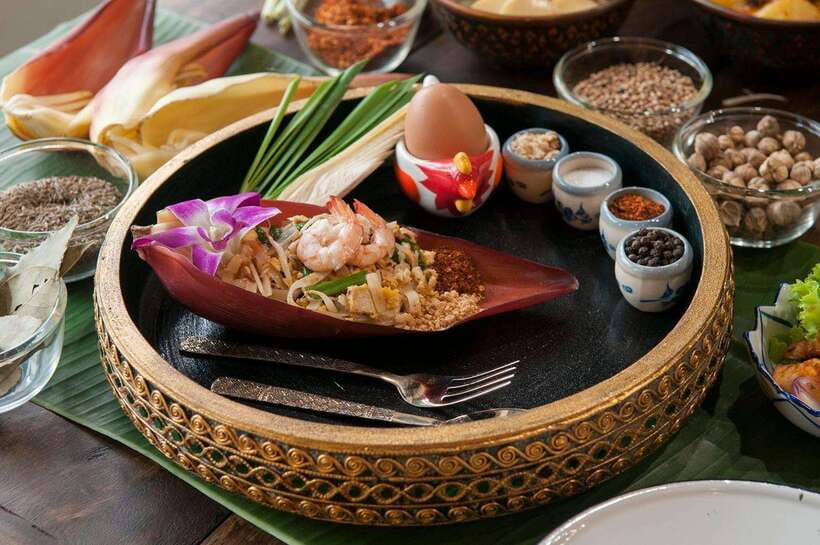
- Morning classes include a market tour near transit hubs, then you cook with what you picked
- You make curry paste from scratch and learn how coconut milk changes the whole flavor
- Four dishes plus mango sticky rice means you eat a full meal, not a snack
- Small-group attention from English-speaking instructors like Jay, Pitch, April, and Tony
- No MSG is used, so you taste the spices and herbs more directly
- Mango carving is built into the afternoon/evening classes as the final activity
Bangkok cooking at House of Taste: why it feels more than a show
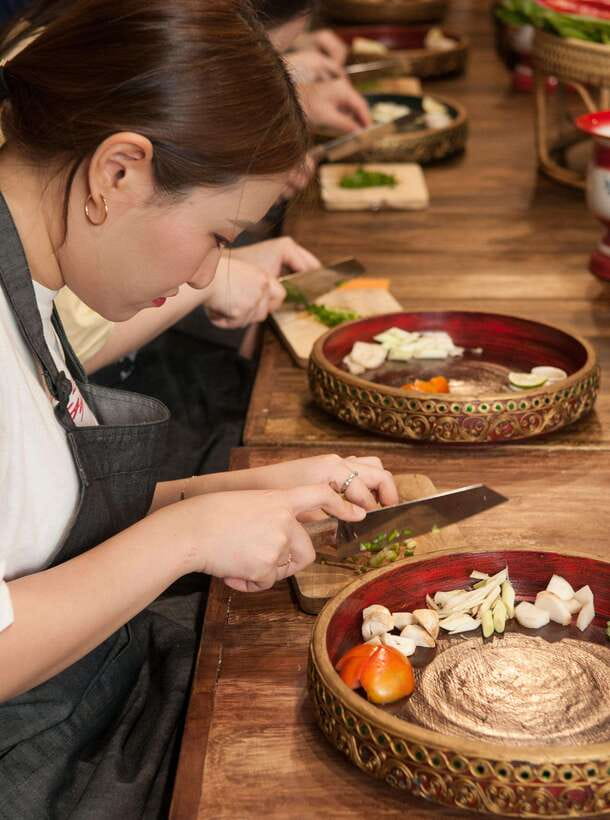
Bangkok has a lot of food experiences. This one stands out because you’re not just learning Thai cooking in theory. You’re actually doing it, with ingredients in front of you and an instructor guiding the process while your food is cooking.
The school’s approach is built for normal humans with normal cooking skills. You learn how to build flavor in a Thai way, including making things like curry paste and working with coconut milk. If you’ve ever tried to recreate Thai dishes at home and wondered why yours taste different, this is the kind of class that explains the gap.
You can also read our reviews of more tours and experiences in Bangkok.
Getting there: Asoke meeting point versus Sukhumvit 4
The meeting points split by class time, so check this before you go. For the morning class, you meet on the street level near transit: BTS Asoke Exit 3 and MRT Sukhumvit Exit 3 (you can also pin Hey! Coffee MRT Sukhumvit as the meeting point).
For the afternoon and evening classes, you meet at the cooking school in Sukhumvit 4. This matters because you’ll either start your trip with the transit-adjacent market area, or you’ll start straight at the school.
Tip I’d follow: wear comfortable shoes. You’re walking during the market part (morning), and even at the school you’ll be moving between stations while cooking.
The morning market tour: what you’re really practicing
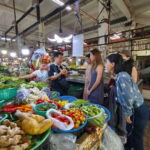
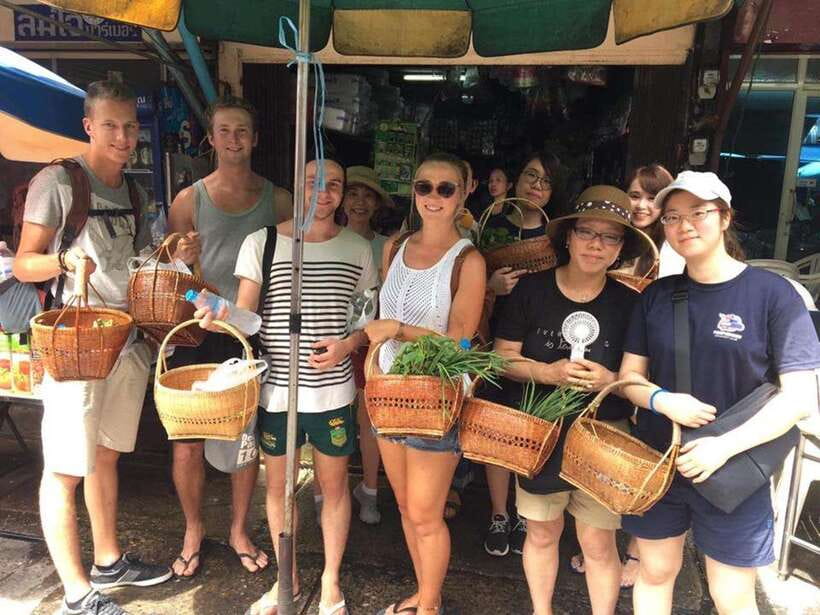
If you take the morning class (at 8:30AM), you get the market tour. You’ll browse fresh ingredients with a guide, then carry that shopping logic into cooking. That’s the whole point: learning what to buy and why it matters for texture and taste.
The market segment is designed around ingredients you’ll cook with: vegetables, rice, herbs, and spices. You also learn about how Thai kitchens work with staples you might not use at home. You’re not just collecting items; you’re building an ingredient mental map.
A practical drawback to keep in mind: some people found the market portion smaller than what they expected, describing it more like a visit to a set of stalls and shops around the transit area. If you’re picturing a massive wet market with endless wandering, you may be slightly underwhelmed. Still, it’s useful for learning what’s key for the dishes you’ll cook.
Hands-on Thai cooking: four dishes you make, not just sample
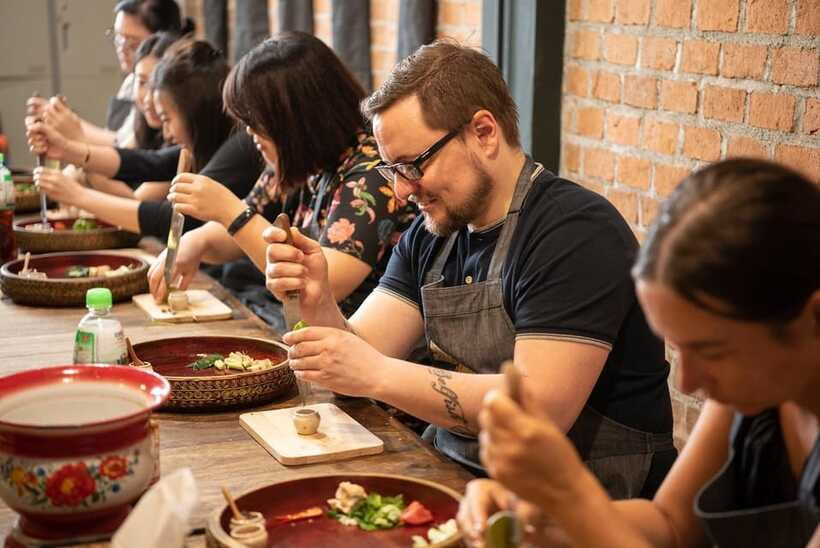
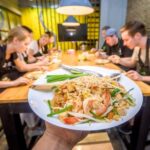
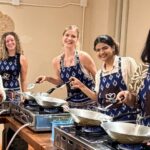
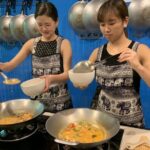
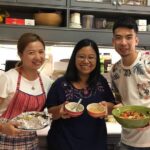
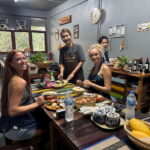
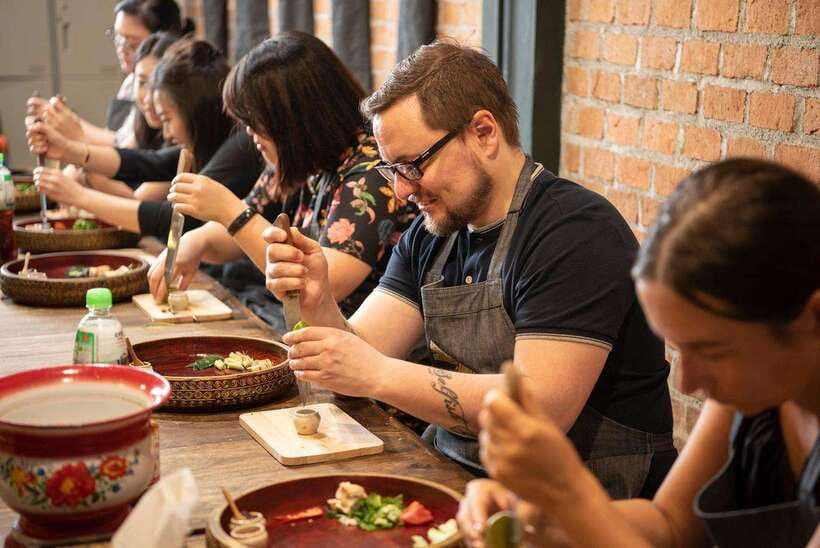
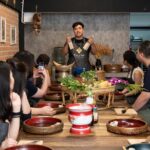
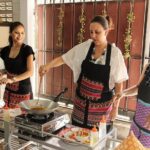
The core of the experience is about cooking four dishes over about two hours. You’ll work at stations, chop, stir, and season while the instructor keeps things moving. And you eat your food while it’s still hot and fresh, which is a big deal with Thai cooking because herbs and crunch matter.
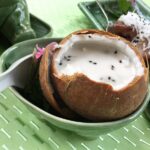
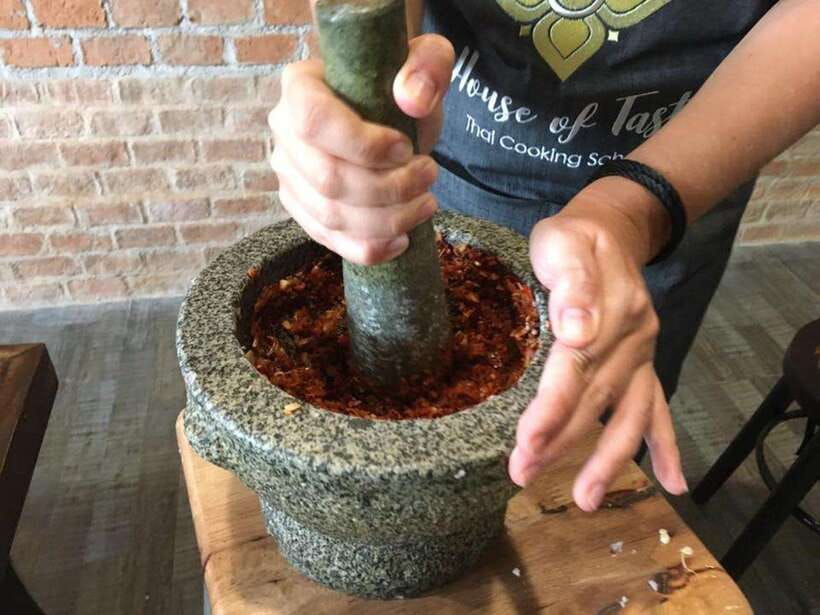
One standout skill you’ll practice is making curry paste from scratch. That means you get hands-on with the combination of aromatics, spices, and paste-building technique. You also learn how to handle coconut milk in a way that affects the final balance of sweet, spicy, and creamy.
From the schedule, the dishes rotate by day, but the structure stays consistent: you’ll learn the method, cook your portions, and then taste the results right away.
A realistic pace for cooks of any level
The class is set up so beginners aren’t stuck. Instructors are praised for explaining each step clearly and being patient, including one-on-one support in smaller groups. There can be a fast tempo because you’re cooking multiple dishes, but it’s built around organization and guidance, not chaos.
If you like cooking but worry you’ll slow everyone down, this is usually the right kind of class. You’ll also get all ingredients and equipment included, so you’re not hunting for tools later.



The week’s menu: what each dish teaches you
You’ll cook different combinations depending on the day. Here’s the weekly menu pattern, so you can match your travel dates to flavors you want to learn.
Monday
- Thai Papaya Salad (Som Tum)
- Stir-Fried Noodles with Shrimp (Pad Thai)
- Green Curry with Chicken
- Mango Sticky Rice
Tuesday
- Spicy Coconut Soup with Chicken (Tom Kha Gai)
- Stir-Fried Thai Basil Chicken (Pad Krapow Gai)
- Red Curry with Chicken
- Mango Sticky Rice
Wednesday
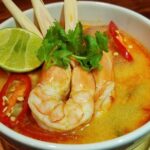
- Hot and Sour Soup with Shrimp (Tom Yum Goong)
- Stir-Fried Flat Rice Noodles with Chicken (Pad See Ew)
- Green Curry with Chicken
- Mango Sticky Rice
Thursday
- Spicy Minced Chicken Salad (Larb Gai)
- Stir-Fried Noodles with Shrimp (Pad Thai)
- Panang Curry with Chicken
- Mango Sticky Rice
Friday
- Thai Papaya Salad (Som Tum)
- Stir-Fried Thai Basil Chicken (Pad Krapow Gai)
- Red Curry with Chicken
- Mango Sticky Rice
Saturday
- Spicy Coconut Soup with Chicken (Tom Kha Gai)
- Stir-Fried Noodles with Shrimp (Pad Thai)
- Green Curry with Chicken
- Mango Sticky Rice
Sunday
- Hot and Sour Soup with Shrimp (Tom Yum Goong)
- Stir-Fried Flat Rice Noodles with Chicken (Pad See Ew)
- Panang Curry with Chicken
- Mango Sticky Rice
What I like about this menu is how it teaches Thai cooking as a system. You get:
- Spicy-sour (Tom Yum Goong, Tom Kha Gai)
- Herb-heavy stir-fries (Pad Krapow Gai)
- Noodle techniques (Pad Thai vs Pad See Ew feel different on the palate)
- Curry building blocks (Green, Red, Panang)
- Dessert balance (Mango sticky rice, plus coconut cream style elements)
If you’re a fan of mango sticky rice, you’ll get it as part of the class every day, so there’s no gambling.
Afternoon and evening classes: mango carving as the final flourish
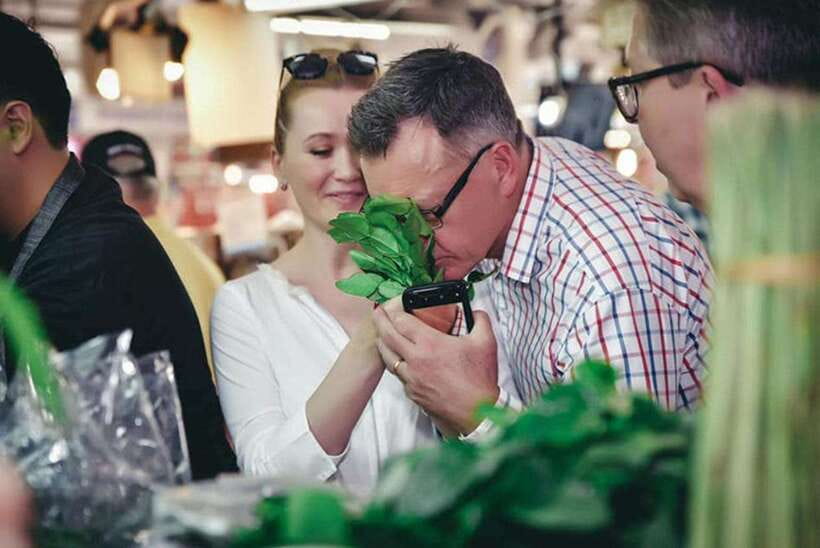
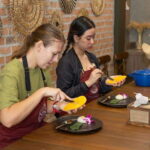
If you take an afternoon or evening slot, you still get the same main cooking experience at House of Taste. But you won’t do the market tour. Instead, you’ll add mango carving as the ending activity.
Mango carving is a fun choice because it teaches a different kind of Thai skill: decorative presentation that’s common in restaurants and Thai food culture. Reviews mention people loving the mango carving session as a cool last step, and it’s a memorable way to wrap up your meal-making day.
So which version should you choose?
- If you want the ingredient story first, go morning.
- If you want the cooking focus and a creative presentation piece, go afternoon or evening.
Dietary needs and flavor style: practical accommodations
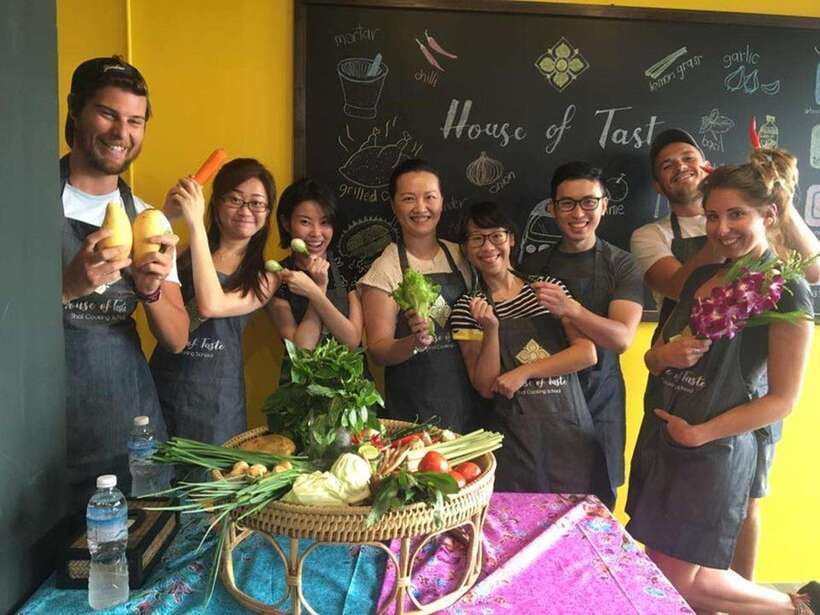
This class is designed to be flexible. The school says it can provide substitute ingredients for vegetarian, halal, kosher, and for allergy needs if you notify them in advance. That’s a big deal because Thai cooking relies on herbs, proteins, and spice mixes, and swapping ingredients needs to be done carefully.
Also, you’re told no MSG is used. That’s not just a marketing detail. It helps you taste the real work of the spices and herbs more clearly, especially in soups and curries where the flavor depth should come from the aromatics.
You’ll also have drinking water included and a personal locker, which makes the whole day easier when you’re cooking and moving around.
Price and value: why $45 can actually feel fair
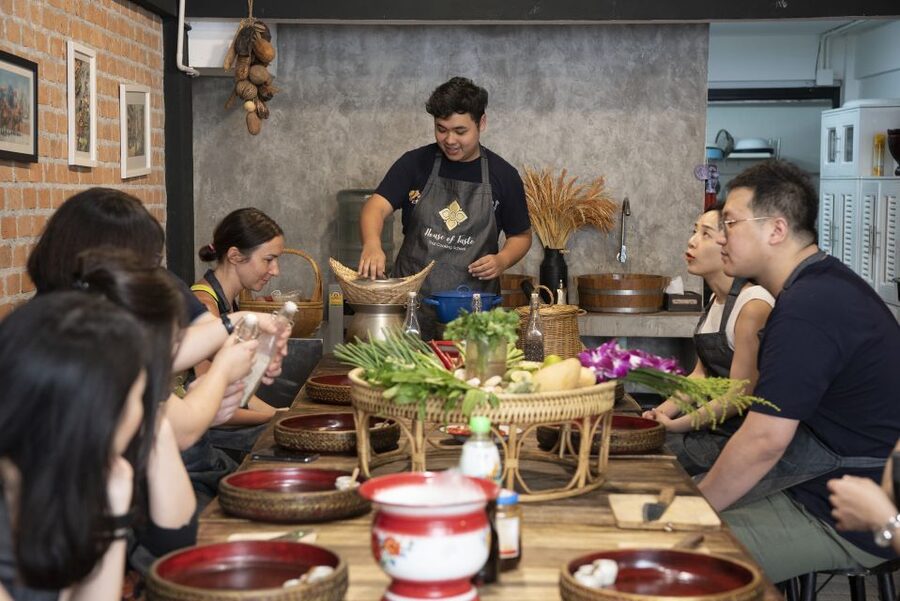
At $45 per person for about 210 minutes, this class is priced like a proper experience, not just a quick tasting. Here’s why it tends to feel like good value.
You get:
- A guided cooking class with an instructor
- Four-course meal (including mango sticky rice)
- All ingredients and equipment
- Personal locker and water
- Recipes delivered by email
- Market tour (morning) or mango carving (afternoon/evening)
Cooking classes sometimes charge extra and then hand you a thin tasting. This one gives you the full loop: shop (or switch to carving), cook, eat while hot, and leave with recipes you can recreate.
The recipes via email also add value because you’re not limited to what you cooked. Some reviews mention getting recipes beyond the specific dishes from that day, which can make the class feel like a whole Thai cooking starter kit.
Who this suits best in Bangkok
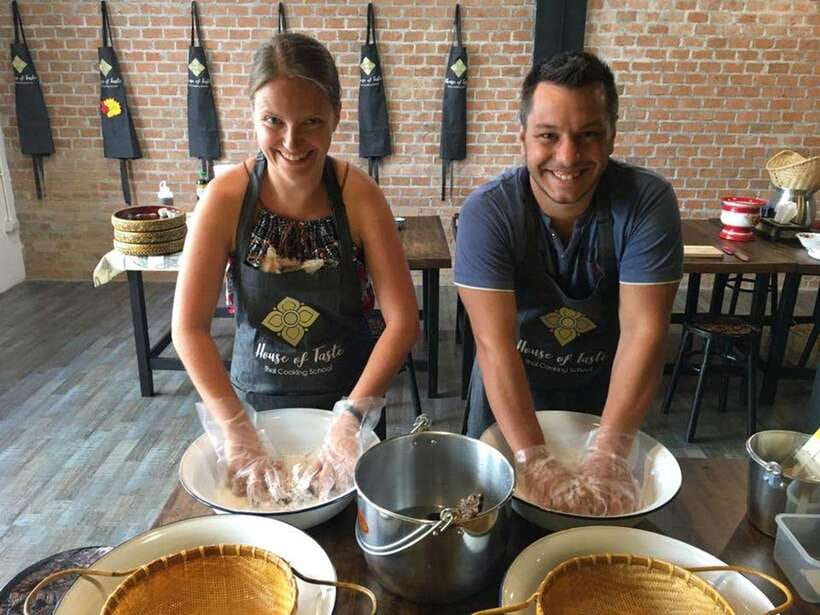
This is a strong fit if you want a meaningful food activity without turning it into a rigid lecture. You’ll enjoy it if you:
- Like hands-on cooking and want skills you can use later
- Want to eat a real Thai meal you helped make
- Prefer a structured class with clear explanations
- Enjoy classic comfort foods like curries, pad Thai, and noodle dishes
It’s also a good pick for first-time cooking class people. Reviews frequently mention the experience being clear and well-paced for different skill levels, and that the instructors like Jay, Pitch, April, Jen, and Tony are friendly and patient.
If you’re extremely sensitive to timing and hate the idea of cooking multiple dishes in a set window, you might want to expect some bustle. A few comments mention it can feel a bit rush-like at moments, even though the overall setup is organized.
Should you book this cooking class in Bangkok
Yes, if you want one high-impact day that combines Bangkok food culture with real cooking practice, book it. The hands-on approach, the inclusion of curry paste from scratch, and the fact that you eat four dishes hot and fresh make it more satisfying than many meal-only activities.
Choose morning if shopping ingredients is part of your Thailand dream. Choose afternoon/evening if you’d rather spend that time cooking and finish with mango carving instead of market walking. Either way, you’ll leave with recipes via email and a clearer sense of how Thai flavors get built.
FAQ
How long is the Bangkok cooking class?
The duration is 210 minutes.
Where do I meet for the morning class?
Meet at the street floor near BTS Asoke Exit 3 and MRT Sukhumvit Exit 3. You can also pin Hey! Coffee MRT Sukhumvit as the meeting point.
Where do I meet for the afternoon or evening class?
Meet at the school in Sukhumvit 4.
Is there a market tour included?
Yes, but only with the morning class. The afternoon and evening classes do not include the market tour.
What happens instead of the market tour in the afternoon and evening?
The class includes mango carving as the last activity instead of a market tour.
What dishes will I cook?
You cook four dishes plus mango sticky rice. The exact dishes depend on the day of the week.
Are vegetarian, halal, kosher, or allergy-friendly options available?
Yes. The school can provide substitute ingredients for vegetarian, halal, kosher, and allergy needs if you notify them in advance.
Is MSG used in the class?
No. The class notes that no MSG is used.
What should I bring?
Wear comfortable shoes. That’s the key item listed.
Is alcohol included?
No. Alcoholic drinks are available for purchase, but they are not included.