REVIEW · VALENCIA
Seafood paella cooking class, tapas and visit to Ruzafa market.
Book on Viator →Operated by My First Paella · Bookable on Viator
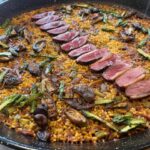
Paella starts in the market. You shop in Mercado de Ruzafa, then cook classic seafood paella with a real chef-led process and plenty of food to taste. It’s part cooking class, part neighborhood food tour, and part social afternoon.
Two things I like right away: the hands-on format (you don’t just watch) and the market-to-kitchen flow that helps you understand why Valencian paella tastes the way it does. You also get sangria workshop time plus tapas before the paella starts, so the whole experience feels like a proper meal, not a rushed class.
One drawback to keep in mind: there’s a short walk from the market area to the kitchen, and the kitchen setup can involve some moving around. If you’re less steady on your feet, plan for that and go in with the right pace.
In This Review
- Key Things to Know Before You Go
- Mercado de Ruzafa to Paella Pan: The Core Idea
- Meeting Point and How the 3.5-Hour Flow Feels
- Mercado de Ruzafa Shopping: What Makes It Worth It
- Sangria Workshop and Tapas: The Warm-Up That Sets the Tone
- Step-by-Step Seafood Paella: Hands-On, Not Just a Show
- The Paella Table: What You Eat After You Cook
- Drink, Food, and Social Time: Why the Group Size Matters
- Price and Value: What $78.64 Really Buys
- Who This Seafood Paella Class Fits Best (and Who Might Hesitate)
- Should You Book This Seafood Paella and Ruzafa Market Experience?
- FAQ
- What time does the tour start?
- How long is the cooking class?
- Is it offered in English?
- How many people are in the group?
- Where do I meet the group?
- What food and drinks are included?
- Is the Ruzafa market visit included on Sundays?
- Can children join?
- What if I need to cancel?
Key Things to Know Before You Go
- Ruzafa market ingredient shopping before you cook makes the paella feel more grounded and less abstract
- Small group size (max 20) helps you get questions answered and stay involved
- Sangria workshop plus tapas kicks off the afternoon with food and drink right away
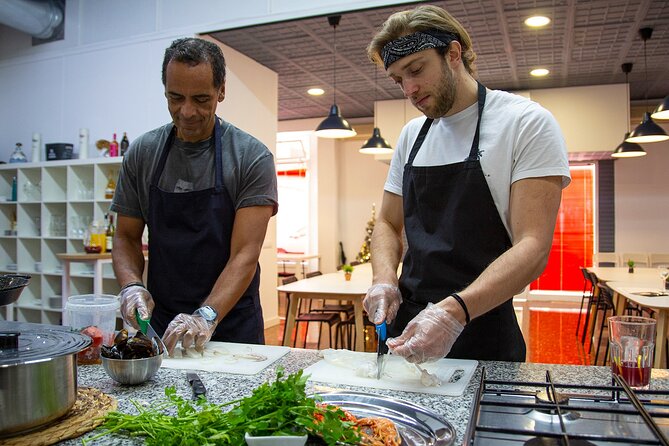
- Hands-on paella cooking where your group takes real steps in the process, not just plating
- Valencian sides and desserts follow the paella, including tomato salad and sweet wine with coffee
Mercado de Ruzafa to Paella Pan: The Core Idea
Valencia’s food culture is built around ingredients that actually show up in your dish. This experience keeps it simple: you start with shopping in Mercado de Ruzafa, then you use what you bought to cook seafood paella. That link is why it feels more authentic than a cooking class that begins with pre-measured mystery ingredients.
What you’re really paying for is the full sequence. Market context matters, but the best part is how the chef turns those ingredients into technique. You leave with a clearer idea of what paella is supposed to taste like, not just how to copy a recipe.
You can also read our reviews of more tours and experiences in Valencia.
Meeting Point and How the 3.5-Hour Flow Feels
You meet at Parroquia de San Valero (Carrer del Pare Perera, 6, L’Eixample). The start time is 11:00 am, and the activity runs about 3 hours 30 minutes.
The day moves in clear steps. You’ll head to the market together, then you walk about 8 minutes to the kitchen for the sangria workshop and cooking. It’s not a long day of sightseeing; it’s a focused food afternoon with enough structure that you’re never wondering what happens next.
One practical note: the exact meeting spot can be easy to miss if you arrive late. I’d show up a bit early and wait right by the church entrance area so you can spot the group quickly.
Mercado de Ruzafa Shopping: What Makes It Worth It
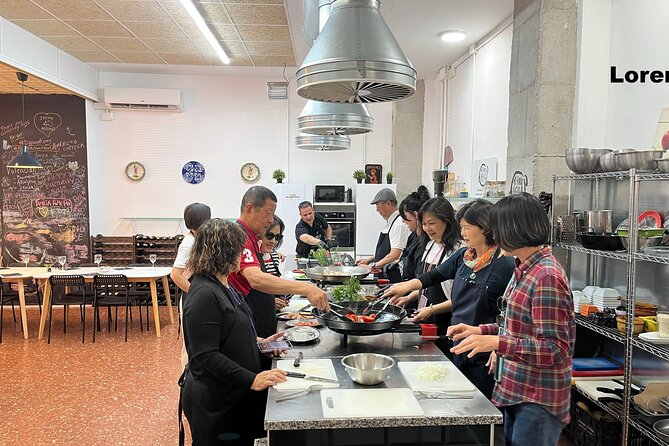
The Mercado de Ruzafa stop is more than a stroll for photos. You buy the fresh items you’ll need for a good paella, and your guide explains where paella comes from and how Valencians think about their local food.
This matters because seafood paella is about balance. You’re dealing with flavors that can turn flat if your ingredients are wrong, or too heavy if the prep is off. When you see the fish and produce right before cooking, you naturally start asking the chef’s questions in your head: What’s the best way to handle this? When does it go in? What changes if the ingredient is fresher?
You’ll also likely encounter some local culture through the way the market vendors work and the way the group navigates the stalls. It’s a real neighborhood rhythm, not a staged performance.
Important scheduling detail: if your date falls on Sunday, the Ruzafa market visit won’t happen because the market is closed. If market wandering is a big part of why you want this class, try to book a weekday or Saturday.
Sangria Workshop and Tapas: The Warm-Up That Sets the Tone
After shopping, you walk to the kitchen and the chef is ready for you. Before you touch the paella pans, you get tapas along with sangria and other drinks like beer, water, and soft drinks.
This isn’t just a free drink moment. The sangria workshop gives you the chance to learn the basics of mixing something truly Valencian, guided step-by-step. Then the tapas help your timing and appetite make sense when the cooking starts.
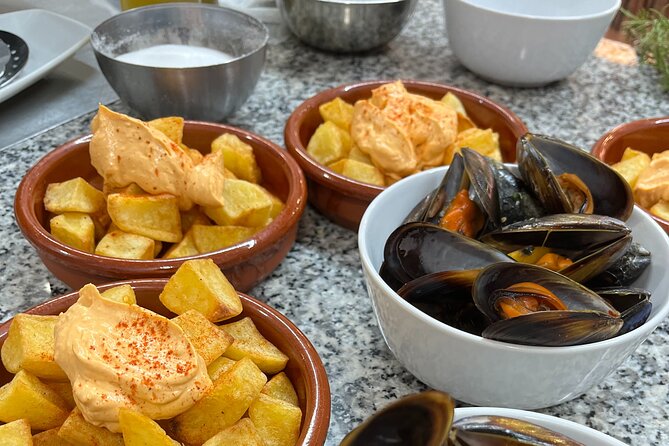
The menu typically includes things like patatas bravas with sojanesa, jamón serrano, Manchego cheese, steamed mussels, and olives. It’s a solid spread that also hints at how Spanish meals are built: start with small plates, keep talking, and eat your way into the main event.
Step-by-Step Seafood Paella: Hands-On, Not Just a Show
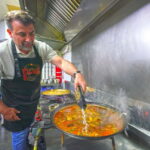
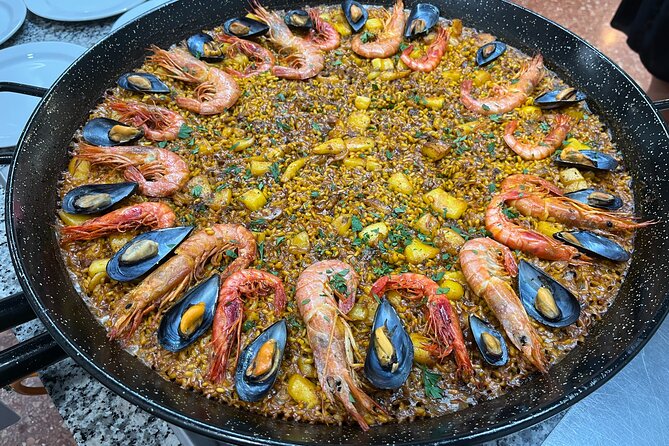
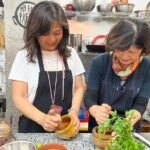
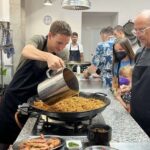
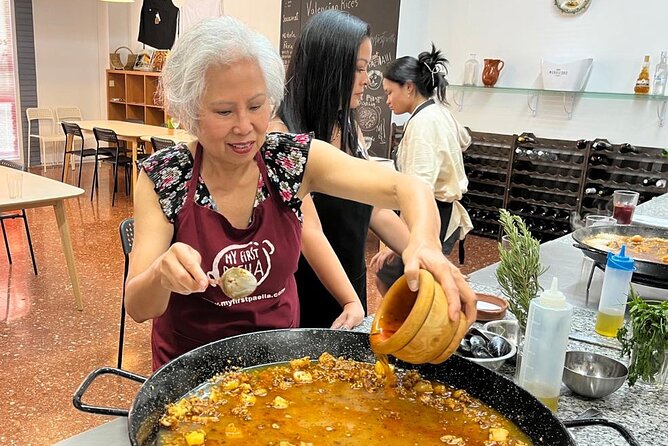
Once the sangria and tapas are underway, you shift into the paella portion. The chef explains the preparation in stages, then you cook.
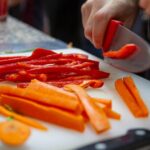
For seafood paella, that staged approach is key. Paella isn’t one complicated trick; it’s a sequence of decisions. The chef walks you through what to prep, how to manage the cooking order, and what to watch so the pan doesn’t go wrong.
Your class is also designed so you aren’t standing around. Several instructors work with groups at the same time, so you’ll take part in the process. Depending on how many people show up, you might cook at one station while other groups work on another style of paella in parallel. You still get the seafood paella experience and you still learn the method.
From the way the team teaches, it’s clear they care about participation. Names that come up often include Jose, Christine, Ana, and Valentin/Valentine—and they all share the same energy: explain, involve, correct gently, then help you enjoy the result.
One thing I think you should be ready for: there’s usually more than one paella going at once. In one setup, the staffing covers multiple paella stations, and that can mean fewer one-on-one moments than you’d get in a class that has a chef for each person’s pan. If you’re the kind of learner who wants constant direct attention, it helps to be comfortable asking questions and moving with the group.
The Paella Table: What You Eat After You Cook
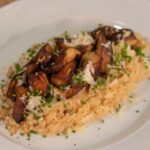
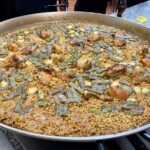
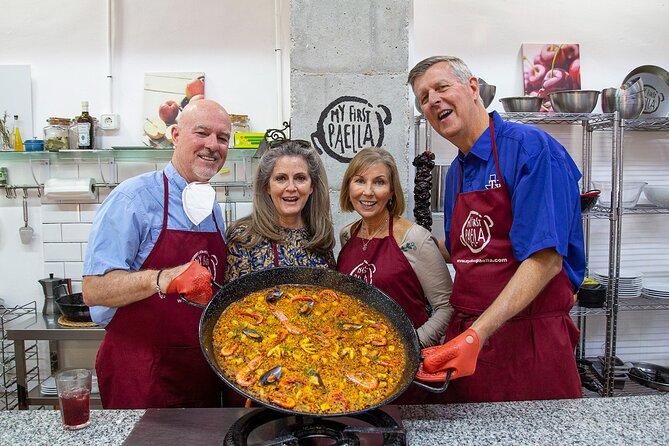
After cooking, you sit down to eat. Your seafood paella comes out with a Valencian tomato salad and you’ll accompany the meal with Valencia wines plus extra sweet options like sweet wine (mistela) and seasonal fruit.
Dessert is part of the package too, including typical Valencian sponge cake. Then you finish with coffee.
This matters because it rounds out the paella lesson. If all you got was a bowl of rice, you’d miss how the meal fits together in Valencia: bright, fresh salad alongside rich seafood rice; then something sweet and local after the main course. It also helps you gauge flavors better if you’re planning to cook paella back home.
Also, alcohol is part of the experience. You’ll taste sangria and drink wine, and the overall vibe is celebratory. If you’re not a big drinker, just pace yourself and lean into the food and technique. Water is available, and you’ll be fine if you treat it like a meal, not a party.
Drink, Food, and Social Time: Why the Group Size Matters
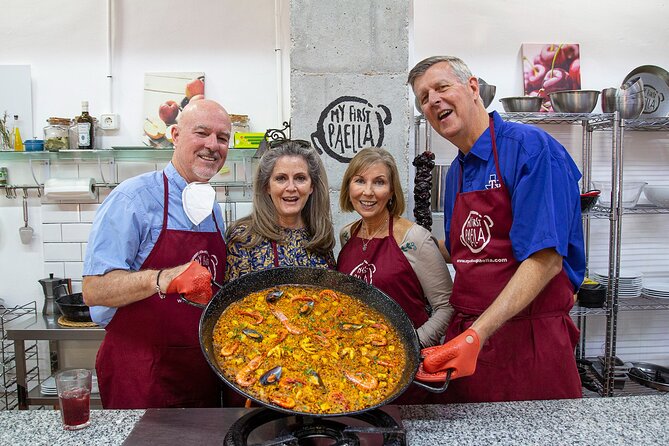
The group is capped at 20 travelers, and that size makes a difference. You’re far more likely to hear what the chef says, ask questions, and actually do tasks during the hands-on portion.
The teaching style also encourages interaction. In many classes, cooking can turn awkward if everyone is watching. Here, the staff keeps the tone lively, and you get conversation while ingredients are prepping and while the food is coming together. Names like Cris also show up in accounts of how fun and entertaining the instruction can be.
If you enjoy meeting people while learning, this is a strong match. If you prefer silent, focused learning with zero social energy, you might want to temper your expectations. This class is built to be a good time.
Price and Value: What $78.64 Really Buys
At $78.64 per person, you’re paying for more than a recipe. You’re paying for the full market-to-kitchen setup plus a meal with multiple components.
Based on what’s included, you get:
- a market ingredient purchase with guidance
- cooking instruction and all equipment and ingredients
- tapas and sangria at the start
- paella plus tomato salad
- wine and other drinks
- dessert, sweet wine (mistela), and coffee
In practical terms, this can compare favorably to paying separately for a market tour, a cooking class, and a long lunch with drinks. You’re also not stuck with one narrow dish. The spread (tapas, paella, salad, dessert, coffee) makes it feel like a complete Valencian food experience.
For value, the market stop is the big lever. It’s the part that turns it into something you can’t fully replicate by just cooking at home with a cookbook. You see the ingredients first, you learn what matters, then you cook with that knowledge.
Who This Seafood Paella Class Fits Best (and Who Might Hesitate)
This works best if you want a hands-on paella class tied to real ingredients and a neighborhood market. It’s also a great choice if you like food culture beyond the final plate—learning where the dish comes from and how Valencians treat it as part of daily life.
It’s a good fit for:
- food lovers who want to cook, not just eat
- travelers who want a group experience but still get involved
- anyone who’s coming to Valencia specifically for paella and wants the technique, not only the taste
You might hesitate if:
- you’re very sensitive to walking and moving around (there’s a market-to-kitchen walk and some navigating around the cooking area)
- you dislike alcohol and don’t want it offered during the meal (sangria and wine are part of the experience, though pacing is possible)
- you expect a perfectly easy-to-identify meeting spot without checking details ahead of time
Should You Book This Seafood Paella and Ruzafa Market Experience?
I’d book it if Valencia paella is a priority for you and you like the idea of pairing cooking with ingredient shopping. The combination of Mercado de Ruzafa, a sangria workshop, and hands-on seafood paella makes it feel like one continuous afternoon rather than disconnected activities.
If you’re planning your trip around food, this is one of those experiences that gives you both memories and skills. Even if you don’t cook paella often at home, you’ll come away with clearer technique and a better sense of what makes it taste right.
If you’re in Valencia on a Sunday, remember the Ruzafa market visit won’t run, so you’d be skipping that shopping component.
FAQ
What time does the tour start?
The experience starts at 11:00 am.
How long is the cooking class?
It lasts about 3 hours 30 minutes.
Is it offered in English?
Yes, the experience is offered in English.
How many people are in the group?
The activity has a maximum of 20 travelers.
Where do I meet the group?
You meet at Parroquia de San Valero, Carrer del Pare Perera, 6, L’Eixample, 46006 València, Valencia, Spain.
What food and drinks are included?
You’ll have tapas, Valencian tomato salad, seafood paella, dessert, coffee, and mistela. Drinks included include sangría, wine, beer, and soft drinks or water.
Is the Ruzafa market visit included on Sundays?
No. The market visit is not available on Sundays because the market is closed.
Can children join?
Children must be accompanied by an adult.
What if I need to cancel?
You can cancel for a full refund up to 24 hours in advance of the experience’s start time.