REVIEW · VALENCIA
Valencia: Paella Cooking Class with Central Market Tour
Book on GetYourGuide →Operated by Sea Saffron · Bookable on GetYourGuide
Paella is worth learning in the city that invented it. This 4-hour class pairs a Mercado Central ingredient hunt with a hands-on paella lesson led by an English-speaking chef, ending with you eating what you cooked alongside tapas and wine. Two things I really like: you learn the traditional method in Valencia itself, and you get step-by-step coaching instead of just watching. One thing to consider: Central Market Valencia is closed evenings and Sundays, so some shifts skip the market and the experience runs 3 hours instead of 4.
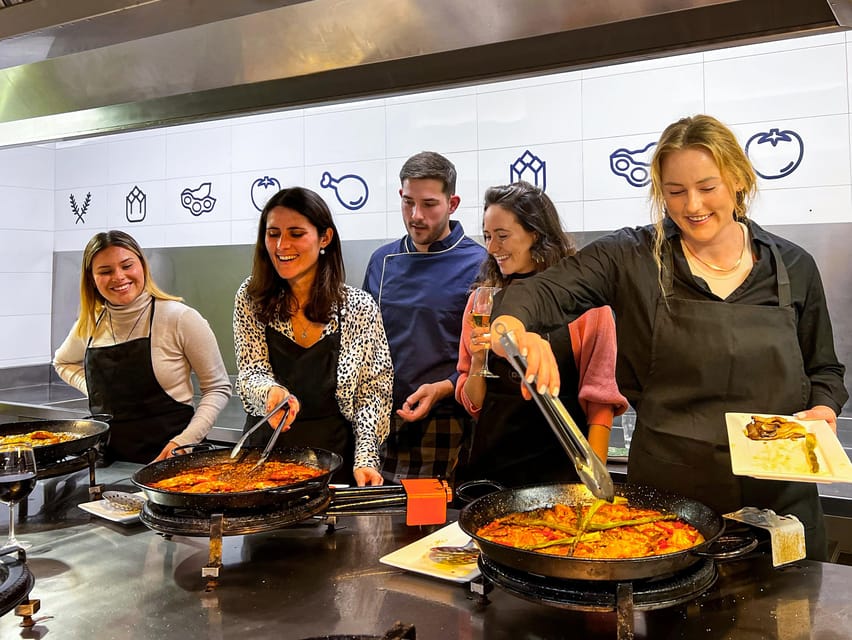
You start near Plaza de la Virgen, then you head into the market where the day’s flavors get picked out one by one. After shopping, you move to a well-set-up kitchen where you cook at your own station (between 1–3 people). The day finishes with a full meal feel: paella, plenty of local tapas, wine, and a sweet dessert treat before you head back with your guide.
In This Review
- Key highlights I’d put on your must-do list
- Plaza de la Virgen to the market: why the start matters
- Mercado Central Valencia: how the shopping shapes your paella
- In the paella kitchen: how the class actually teaches (not just performs)
- While you cook: wine, tapas, and pacing your appetite
- Your finished paella and the meal that follows
- Price and what you get for $82 (and what you should plan for)
- Who this experience suits best in Valencia
- Should you book it? My practical take
- FAQ
- FAQ
- How long is the paella cooking class experience?
- Is the Mercado Central Valencia tour included on every shift?
- What’s included in the $82 price?
- What language is the instruction in?
- Is this activity wheelchair accessible?
- Can I cancel and get a full refund?
Key highlights I’d put on your must-do list
- Mercado Central shopping with a chef so you buy ingredients that actually fit the paella you’re making
- Small cooking stations (1–3 people) with direct guidance at each step
- Paella Valencia techniques explained clearly, including what separates Paella Valenciana from other versions
- Wine and tapas while you cook, not just at the end of the meal
- Dessert to close the loop, so it feels like a proper Valencian food night
- English instruction, plus a team that supports you throughout (including accommodating needs like pregnancy)
Plaza de la Virgen to the market: why the start matters
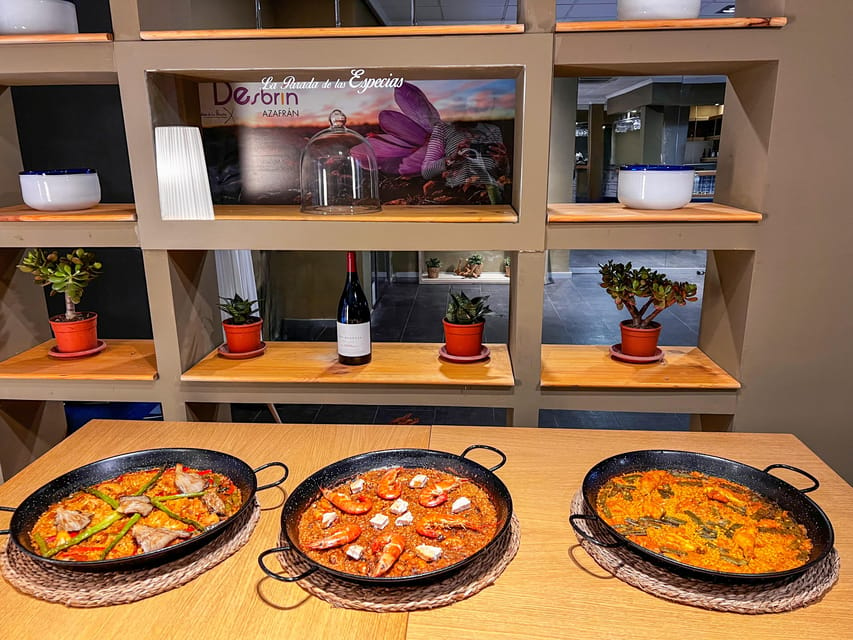
The first payoff is where you meet: close to Plaza de la Virgen. From there, the vibe turns quickly from sightseeing mode to eating mode. You get a guided stroll through the area and into the flow of Valencia’s daily life, then the market becomes the centerpiece of the day.
I like this structure because it fixes a common paella problem: most people learn the steps but not the sourcing. Here, you start by learning what matters in a Valencian pantry—things like which ingredients should be fresh, and which ones you should treat as non-negotiables. That context makes every later instruction easier to follow. When the chef tells you why something goes in early or late, you already understand the ingredient logic.
Another practical win: you’re not rushed into the kitchen. The walk and market time gives you a chance to meet your group, settle in, and get used to the pace. Reviews often point out how the hosts keep the atmosphere relaxed, welcoming you as you arrive and then gradually turning up the hands-on learning.
You can also read our reviews of more tours and experiences in Valencia.
Mercado Central Valencia: how the shopping shapes your paella
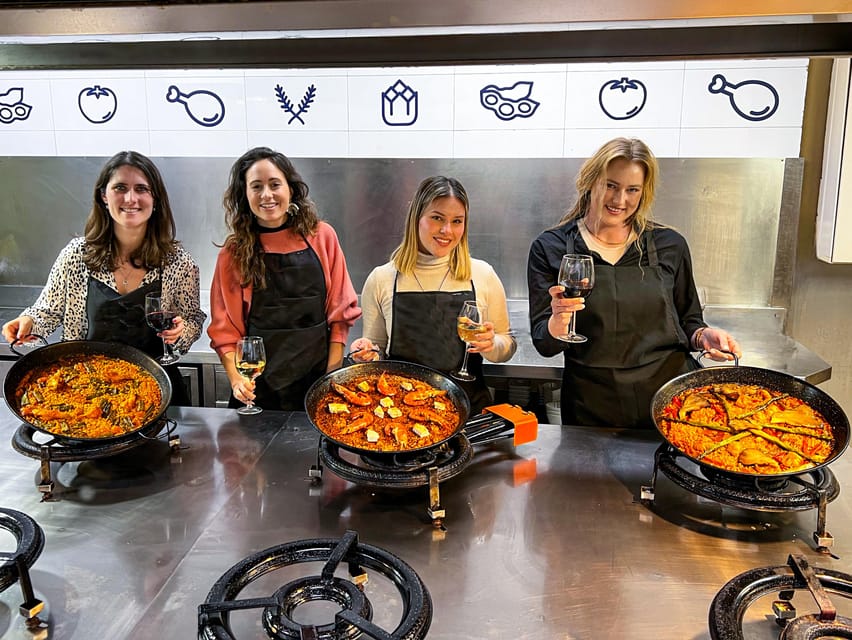
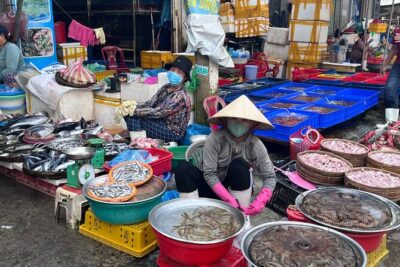
Central Market Valencia is where this experience earns its keep. If your shift includes it, you’ll stroll through Mercado Central Valencia with the chef, choosing ingredients that line up with the classic recipe. The idea is simple: paella is not only technique; it’s also ingredients. Get the basics right, and the cooking lessons click faster.
What you learn on the market side is more than a grocery list. Guides (including people like Daniel and Victor in different sessions) use the market walk to explain the meaning of paella in Valencia and to talk about local products you should recognize. That’s a big deal if you’ve ever bought a spice or seafood mix at home and wondered why the result tasted nothing like what you remembered.
Now the key logistical consideration: Central Market Valencia is closed on Sundays and in the evenings. That means some departures won’t include the market visit and will be shorter (3 hours instead of 4). If your main goal is the full market-to-kitchen arc, aim for a morning shift from Monday to Saturday when the market stop is included.
One more “real life” note from experiences shared: if the market is crowded (for example during holidays), the market portion can feel a bit shorter than on a calm day. Still useful, just more compact.
In the paella kitchen: how the class actually teaches (not just performs)
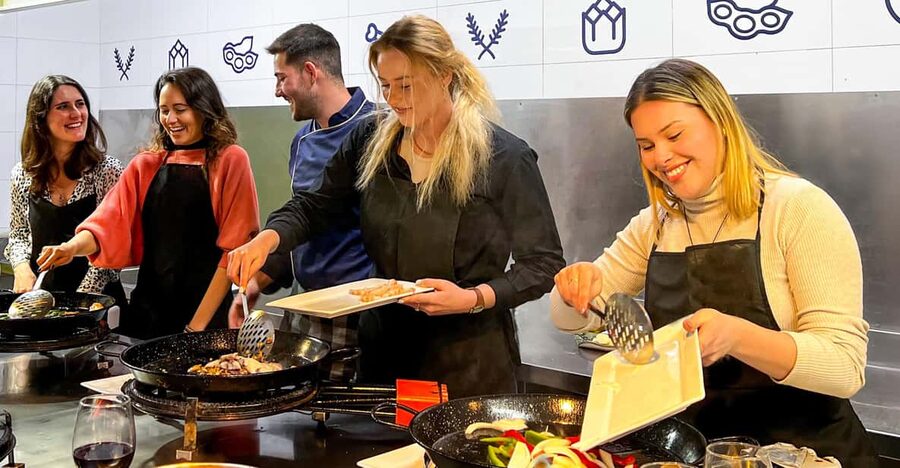
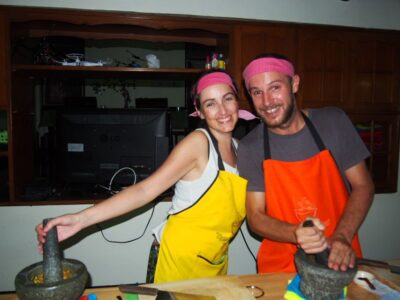
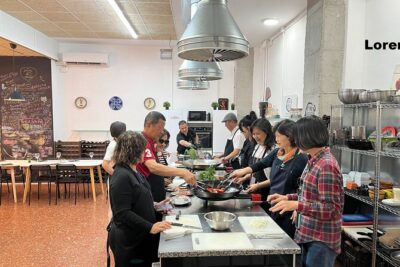
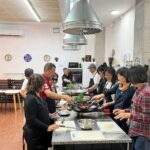
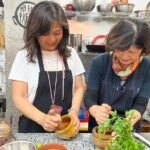
Once you’re at the kitchen, the tone changes to active learning. Each person gets a cooking station, and stations are set for groups of 1–3 people. That matters because paella is hands-on. You can’t truly learn it from the sidelines.
The chefs lead with a step-by-step approach, and several instructors get singled out in reviews for explaining both technique and the reason behind it. Daniel, for example, is praised for teaching the history and the difference between traditional Paella Valenciana and seafood versions. Reyes is highlighted for making the steps feel doable even for people who don’t cook much. Victor is noted for checking in while people cook so everyone keeps moving at the right pace.
So what are you really practicing?
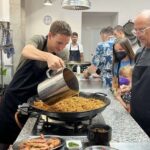
You’re learning how to work the pan and timing the key phases of the dish, not just throwing ingredients together. The goal is that you leave with something you can repeat at home. A detail that shows up in reviews is the importance of socarrat—that toasted bottom layer many people chase. Hearing it explained in a way you can actually apply is what turns paella from a mystery into a skill.
Also, the class format makes it social without turning chaotic. A bunch of reviewers mention meeting new people during the cooking process, then continuing the conversation after the meal. That usually means the team keeps the kitchen flow organized while still letting you talk and ask questions.
While you cook: wine, tapas, and pacing your appetite
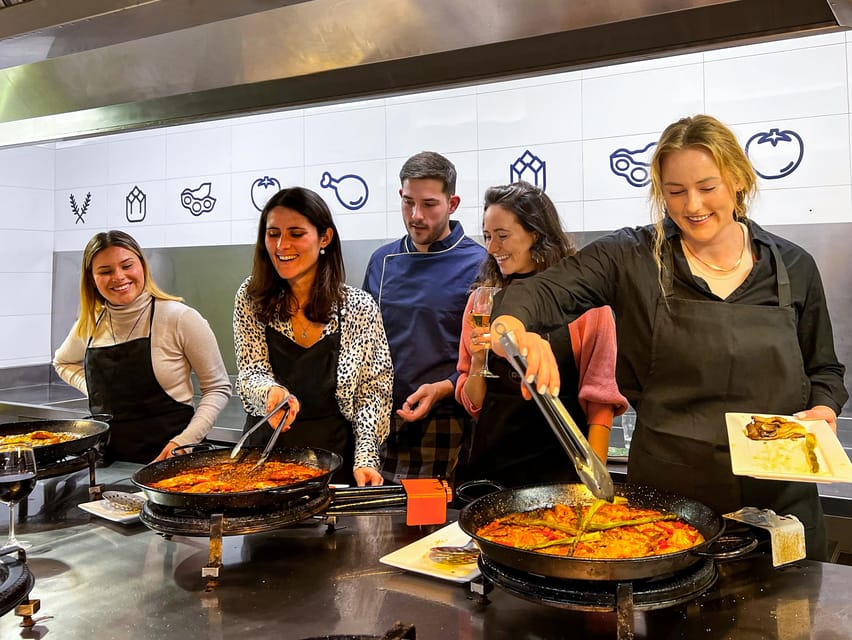
One of the nicest surprises here is that the food and drink don’t wait until you’re done. As you cook, you’re paired with local tapas and beverages, often including wine and variations like Cava and local white and red. Some sessions also include dessert-focused pairings such as Mistella or dessert wine.
This is practical, not just fun. Small bites keep your energy steady while you’re learning a process that takes attention. And the wine pairing element helps you understand why Valencian meals often feel like a sequence, not a single plate.
Guides like Sofia and hosts like Julia (in some sessions) get praised for keeping the flow friendly—topping up glasses, serving tapas while you work, and making sure everyone feels comfortable. You’re not expected to be a fearless cook; you’re expected to learn.
One thing I’d highlight: because you’re drinking during prep, the class keeps a steady rhythm. It’s not a heavy drinking party, but it is a “slow down, cook, eat, sip” kind of evening. If you prefer quiet, zero-noise tours, you might find it lively. If you like chatting while you learn, it’s a perfect fit.
Your finished paella and the meal that follows
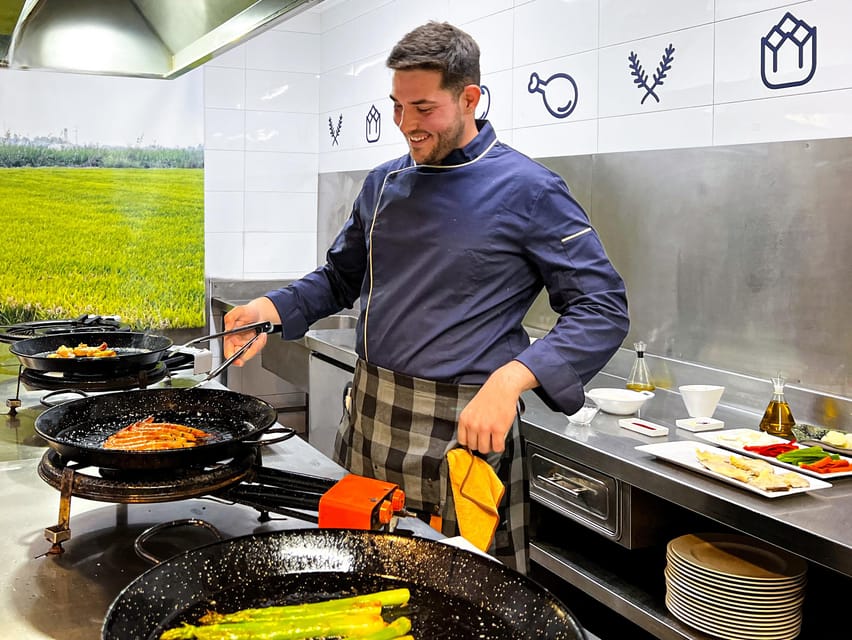
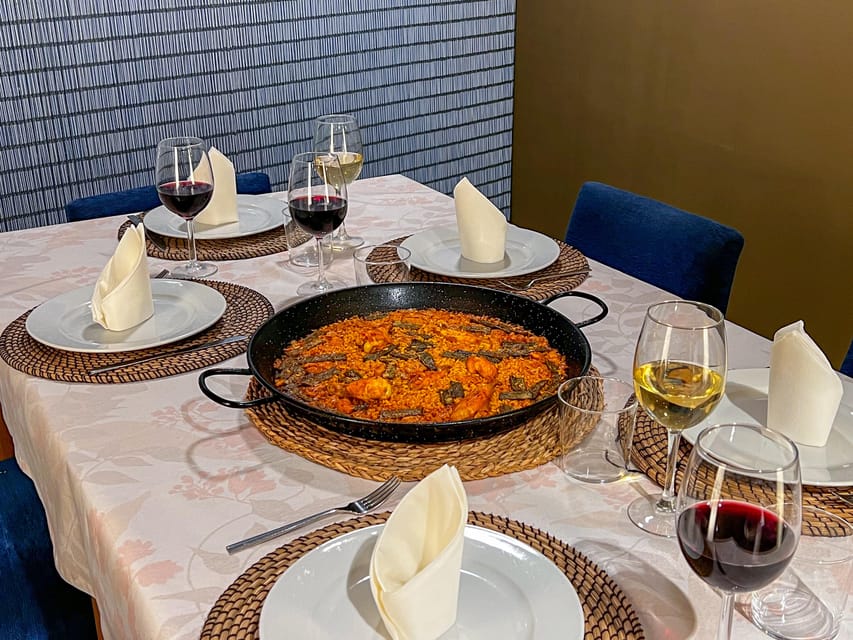
After the cooking, you sit down and eat your own paella—plus more tapas and wine. This is the part that makes the day feel worth the price. It’s not just a lesson; it’s a real meal experience where your work ends up on the table.
The dining setup is designed to feel like you’re sharing a table with people you just met. Reviews repeatedly mention the group dynamic: people chatting, comparing how their paella turned out, and enjoying the meal together. That matters if you’re traveling solo or you want an activity where you actually talk to others.
Dessert closes things out with a sweet treat. And it often feels like a proper Valencian meal ending: savory work in the kitchen, social time at the table, then something sweet to finish.
If you’re worried about portion size: multiple reviews describe the serving as substantial and the experience as a full food event, not a snack-sized demo.
Price and what you get for $82 (and what you should plan for)
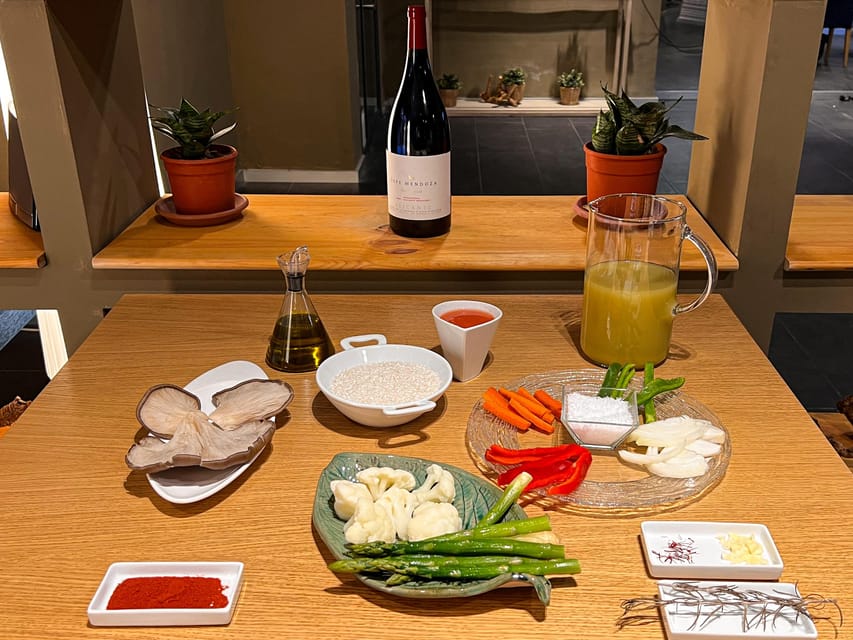
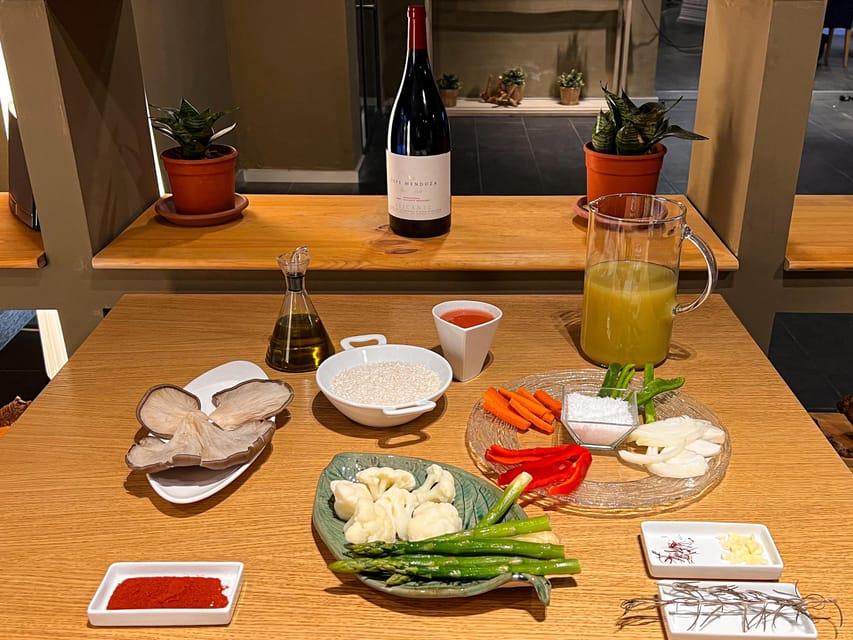
At $82 per person for 4 hours, this isn’t a budget class—but it’s also not just paying for a cooking demo. Your money is covering a professional chef-led course, cooking stations and materials, ingredients, and a food-and-drink meal that includes tapas, paella, wine, and dessert.
Here’s the value math I’d do in your head:
- If you tried to recreate this day on your own, you’d pay for market ingredients, kitchen lessons or cooking space, and then you’d still want drinks and tapas afterward.
- This package bundles all of that, with coaching so you don’t waste time or ingredients getting stuck.
What’s not included is also clearly manageable: additional purchases aren’t included. So if you fall in love with something at the market, you can buy it separately—but it’s on you. Also, the market is only part of certain shifts, so check your timing if the market visit is a main goal.
Overall, I’d call this a good value for people who want more than a single meal out. You’re buying knowledge you can repeat, plus the full meal experience.
Who this experience suits best in Valencia
This class is a great match for:
- Beginners who want a clear process instead of random cooking tips
- Food-first travelers who like markets and regional traditions more than museum hours
- Couples and groups who want an activity that naturally creates conversation
- Solo travelers who want a social setup without needing to plan introductions
From the way the experience is described, the team also adapts well. One review specifically calls out that alternative options were available for someone who was pregnant, which suggests they take needs seriously and work to keep the experience comfortable.
If you don’t like cooking at all, you might find it too hands-on. But if you’re the type who wants to learn why paella behaves the way it does, you’ll get a lot out of this.
Should you book it? My practical take
If you want a classic Valencian paella experience with an ingredient hunt and a proper meal finish, I’d book this. The combination is the selling point: market context + chef-led instruction + you eating what you made with wine and tapas. That’s the rare format where you leave with both a story and a skill.
One decision point: pick your timing carefully. If the market stop matters to you, choose a schedule where Central Market Valencia is open and included. If you’re okay with skipping the market, the shorter shifts can still be a great paella lesson and meal.
Quick checklist before you go:
- Plan to eat well. This is not a light snack tour.
- Wear shoes you can stand in. Kitchens and markets both involve walking.
- Ask your chef what made the difference in your pan—people remember those details later when they try again at home.
FAQ
FAQ
How long is the paella cooking class experience?
It runs for 4 hours. Some shifts that do not include the Central Market visit are 3 hours instead.
Is the Mercado Central Valencia tour included on every shift?
No. Central Market Valencia is included only for morning shifts Monday to Saturday. Evening and Sunday shifts won’t include the market visit.
What’s included in the $82 price?
The experience includes a live paella cooking class with a chef, all cooking materials and ingredients, local tapas, paella, wines, and dessert.
What language is the instruction in?
The class is taught in English.
Is this activity wheelchair accessible?
Yes, it is wheelchair accessible.
Can I cancel and get a full refund?
Yes. Free cancellation is available up to 24 hours in advance for a full refund.