REVIEW · VALENCIA
Valencian paella cooking class, tapas and visit to Ruzafa market.
Book on Viator →Operated by My First Paella · Bookable on Viator
Paella gets real when you buy and cook it. This 3.5-hour Valencia class pairs a walk through Mercado de Ruzafa with a hands-on cooking session, plus tapas and a sangria-making workshop led by local chefs. I especially like the step-by-step way you learn authentic Valencian paella (chicken and rabbit) rather than just watching it get made. I also like that you start by shopping for fresh ingredients, so what you cook actually connects to what Valencia sells and values. One thing to consider: you will do some prep work, including tougher bits like grinding saffron, so wear comfortable shoes and don’t plan a light, quiet afternoon.
You also get a full meal flow, not just a recipe. After the market, you move to the kitchen area, enjoy tapas with sangria (and other drinks), cook together, then sit down to eat paella with tomato salad, wines, fruit, cake, sweet wine, and coffee. With a max group size of 20 (often split into smaller cooking teams), the vibe is social, loud in a fun way, and built around people talking while they cook.
In This Review
- Key things that make this class worth your time
- Entering Valencia through Mercado de Ruzafa
- San Valero meet-up and the quick walk to the kitchen
- Tapas, sangria workshop, and the pre-cooking food reality
- Hands-on Valencian paella: chicken and rabbit, done the right way
- Eating your paella: tomato salad, wines, sweet wine, and cake
- Price and value: what $78.60 really buys in Valencia
- Timing, group energy, and what to bring
- Who should book this paella class, and who might not love it
- Should you book this Valencia paella experience?
- FAQ
- Where does the experience start?
- Is the tour offered in English?
- How long does the class last?
- How big is the group?
- Do you visit Mercado de Ruzafa?
- Do you cook the paella yourself?
- What food and drinks are included?
- Can children join, and is cancellation free?
Key things that make this class worth your time
- Ruzafa Market first: you shop for paella essentials and get context on local food culture.
- Sangria workshop + tapas: you snack and drink while learning, not after you’re done.
- Authentic paella style: the lesson focuses on the classic Valencian version with chicken and rabbit.
- Small-group format: up to 20 people, with smaller sub-groups so you can actually participate.
- You eat what you cook: paella and sides land at the table, not just in theory.
- Big “food value” package: wines, sangria, salad, dessert, fruit, and coffee are included.
Entering Valencia through Mercado de Ruzafa
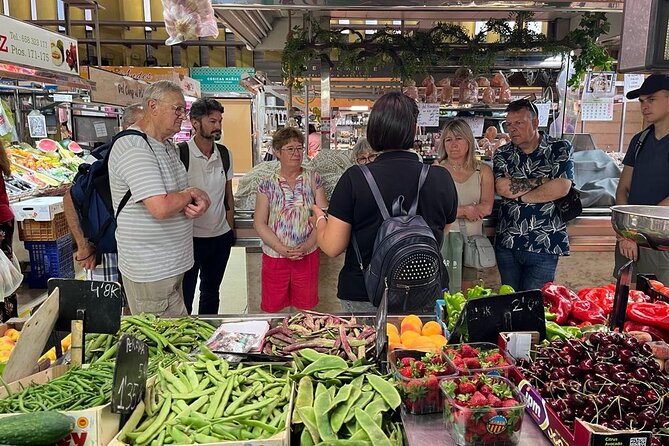
If you want to understand paella, start with the market. The class meets at Parroquia de San Valero (Carrer del Pare Perera, 6) and then you head to Mercado de Ruzafa together. This first stop matters because paella is built on choices: fresh ingredients, the right proportions, and a kitchen rhythm that depends on timing and heat.
At the market, you don’t just stroll. You’re guided through what to look for and why those ingredients are the base of a good Valencian paella, with the origin of paella and local customs added along the way. It also sets you up mentally for cooking: you’ll recognize what you bought and what you’re about to use, so the class feels practical instead of like a demo.
One of the smartest parts here is that the market visit turns the lesson into something repeatable. When you get home, you can recreate the logic, not just the steps—how you choose rice, seafood vs. other options (this class focuses on chicken and rabbit), and how local kitchens think about flavor balance.
You can also read our reviews of more tours and experiences in Valencia.
San Valero meet-up and the quick walk to the kitchen
After the market visit, you make a short walk—about 8 minutes—to the cooking kitchen. That means the schedule stays tight. You’re not spending half your afternoon in transit; you’re moving from food culture to food action.
Be aware of what the meeting point really is. You’re starting outside at the church area, then the group gets organized before you go into the cooking space. In practice, that means you should arrive a little early, take a moment to find the group leader, and get settled before everyone heads out.
Group size is capped at 20, which keeps it personal enough for questions and team participation. Multiple guides may help run things, and names that come up often in people’s notes are Jose and Ana—both praised for keeping the energy high and explanations clear while still letting you work.
Tapas, sangria workshop, and the pre-cooking food reality
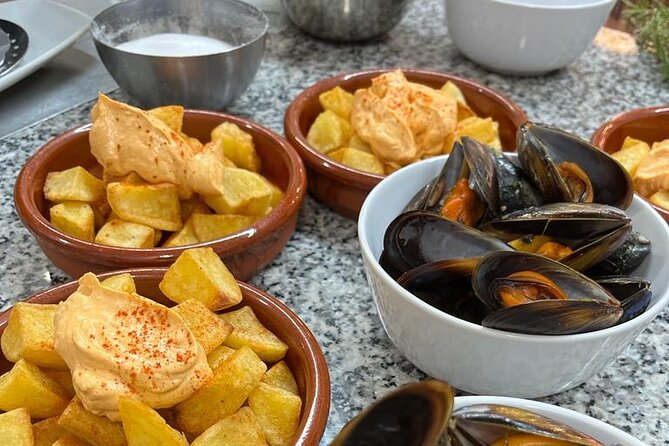
Right after the walk to the kitchen, the class turns into a social food moment. There’s a sangria workshop, and while that’s happening, you also get tapas and drinks—sangria, beer, and water are mentioned as included.
This is more than free time with alcohol. The tapas stage is basically a reset: you loosen up, meet other people, and learn the pacing of the class before the paella gets serious. Several people highlight the laughs and the steady flow of drinks, and that’s not just a party factor—it helps explain why the lesson works for mixed groups. Cooking can be intimidating; the “snack and sip” phase lowers the pressure.
If you’re the type who likes to understand a process, you’ll probably enjoy the way the chef breaks down the paella step by step. But even if you don’t consider yourself a cook, the tapas + sangria part makes it feel like you’re joining a local lunch flow rather than attending a performance.
Practical tip: come hungry. Even though paella is the headline, the class feeds you along the way: tapas at the start and then a full sit-down meal after cooking. One note from past participants is blunt: go with an empty stomach.
Hands-on Valencian paella: chicken and rabbit, done the right way
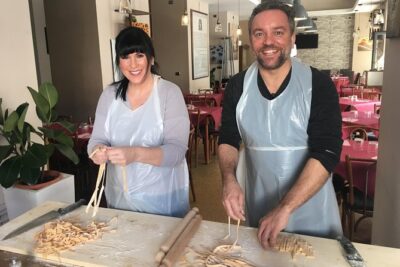
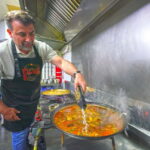
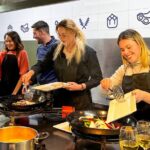
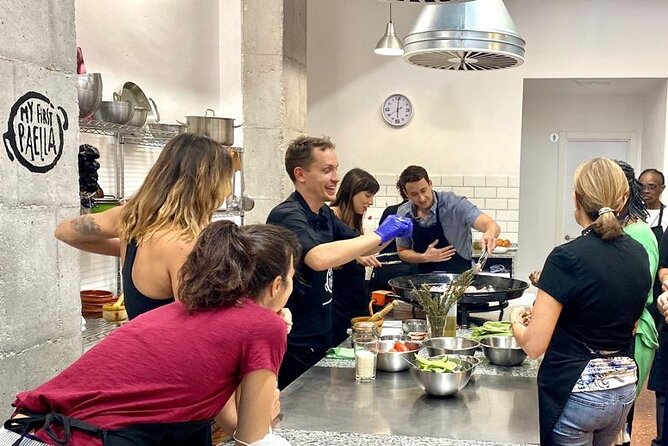
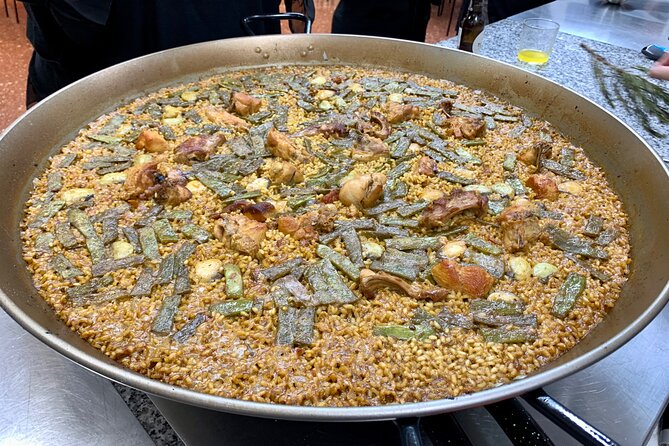
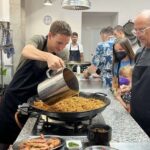
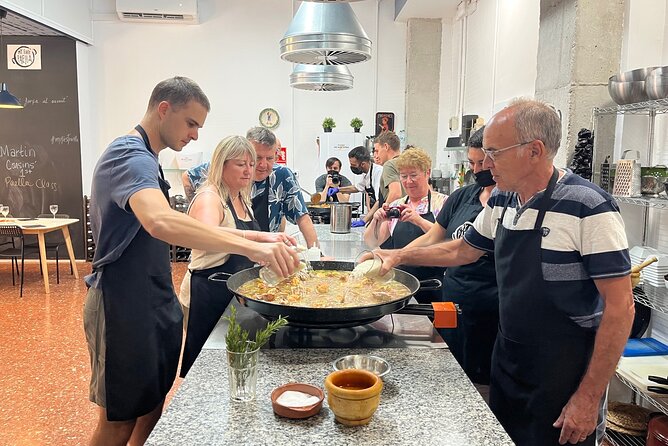
Now for the part you’re really paying for: the cooking. The chef explains how to prepare the authentic Valencian paella, and this class is set up so you do real tasks—not just stand and watch.
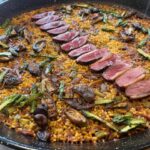
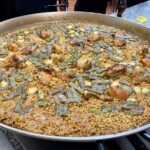
The paella is specifically the classic style using chicken and rabbit, which is a key detail for authenticity. You’ll learn how the ingredients come together and how the process works in order—so you can make it again later instead of guessing at proportions.
A few hands-on moments get mentioned by people who’ve done it:
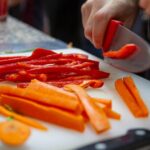
- You may be assigned smaller jobs that still matter, like handling salt.
- You might get involved in prep like grinding saffron, which can feel harder than it sounds.
That last one is worth planning for. If you want a very gentle activity, this may surprise you. The class is interactive, and you’ll be standing at workstations long enough to feel like you did something.
The best advantage of a hands-on class is feedback. You’re not just receiving instructions; you’re applying them while a chef is right there. People praise the instructors for staying attentive and organized, and for splitting tasks so everyone participates. That’s a big deal when the group is international—different comfort levels, different languages, different cooking backgrounds. A good setup prevents the common problem where only a few people end up working.
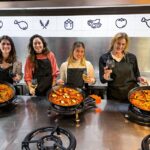
When the paella is finished, you get a chance to admire what you made before you eat. And yes, that means photo time tends to happen naturally—paella looks like food, not like a science experiment.
Eating your paella: tomato salad, wines, sweet wine, and cake
Cooking is one half. The other half is eating, and this class doesn’t treat the meal like an afterthought.
After everyone sits down, the paella is served with:
- Valencian tomato salad
- Valencia wines
- Seasonal fruit
- Typical Valencian sponge cake
- Sweet wine
- Coffee
That lineup is smart because it mirrors a typical Valencian finish: fresh salad to balance richness, fruit for lightness, cake for comfort, then coffee to close it out. The sweet wine and fortified-style option (mistela is specifically mentioned as part of what’s included) rounds out the meal without feeling random. It’s dessert-adjacent, not just a sugary add-on.
If you’re thinking about value, this is where it shows. Many cooking classes charge a premium and then give you a small tasting. Here, you’re fed. You’re also drinking during the experience, with sangria and wine included, which changes the whole feel of the afternoon.
Price and value: what $78.60 really buys in Valencia
At $78.60 per person for about 3 hours 30 minutes, this isn’t a cheap snack class. But it’s also not overpriced when you look at what’s bundled together.
You’re paying for:
- Market guidance and fresh product selection at Mercado de Ruzafa
- A sangria-making workshop
- Tapas and multiple included drinks (sangria, beer, water)
- Hands-on instruction for authentic Valencian paella (chicken and rabbit)
- A full meal with sides, fruit, cake, sweet wine, and coffee
In other words, your money goes toward the experience design: chef-led instruction, ingredient planning, and a finished meal that you actually consume. If you love food, this tends to land in the sweet spot between a cooking class and a food tour.
A small-group cap of 20 also matters. More intimate groups usually mean better attention, more participation, and fewer awkward pauses where only a couple people can help.
Timing, group energy, and what to bring
You start at 11:00 am, and the whole flow is built around that late-morning to early-afternoon lunch rhythm. That timing is useful because you’ll finish before dinner plans, but you won’t feel rushed like an early morning tour.
Based on the activity style, here’s what you’ll want:
- Comfortable shoes for the walk and standing during cooking
- An appetite (you’ll get tapas, then paella, then dessert)
- A flexible mindset for hands-on tasks, including spice work
Energy levels tend to run high. People mention incredible energy and lots of laughs, often attributed to the hosts’ style and the mix of cooking + drinks. If you prefer silent, controlled experiences, this may feel too social. If you like warmth and conversation while you learn, it’s a strong match.
Also note: children must be accompanied by an adult, which helps you gauge whether it’s a family-friendly pick for your situation.
Who should book this paella class, and who might not love it
This works especially well if you:
- Want an authentic paella skill you can repeat at home
- Like food culture that starts in a real market, not a curated tasting room
- Enjoy meeting other travelers in a group activity where everyone eats together
- Care about hands-on cooking, not just tasting
It may be less ideal if you:
- Want a low-effort activity with minimal prep work
- Prefer a quiet, sit-still workshop
- Don’t want to participate in tasks like saffron grinding
It’s also ideal for solo travelers who want a built-in social setting. The meal and drinks create a natural conversation loop, and people often describe it as inclusive, not corporate.
Should you book this Valencia paella experience?
If your goal is to leave Valencia with more than photos, book it. The combination of market shopping, sangria workshop, and hands-on cooking is a practical trio. You get context for ingredients, a clear cooking sequence for authentic Valencian paella, and a full lunch to end the class on a high note.
I’d especially recommend it if you’re the type who actually wants to cook at home later. This class is designed to teach the method, not just the story.
If you’re trying to decide between a paella class and a straight food tour, choose this one when you want skills plus a meal. If you’re mainly after a relaxed stroll and a quick bite, look elsewhere—this is meant to be active.
FAQ
Where does the experience start?
It starts at Parroquia de San Valero on Carrer del Pare Perera, 6 in Valencia.
Is the tour offered in English?
Yes. The experience is offered in English.
How long does the class last?
It runs for about 3 hours 30 minutes.
How big is the group?
The activity has a maximum of 20 travelers.
Do you visit Mercado de Ruzafa?
Yes. You meet up and go together to Mercado de Ruzafa, where you buy the fresh products you’ll need for paella.
Do you cook the paella yourself?
Yes. The chef explains step by step and the class is hands-on, with tasks so participants can take part in the cooking.
What food and drinks are included?
You get tapas, sangria (plus beer and water), then paella with Valencian tomato salad, along with Valencia wines, seasonal fruit, Valencian sponge cake, sweet wine, and coffee.
Can children join, and is cancellation free?
Children must be accompanied by an adult. Cancellation is free up to 24 hours before the experience start time for a full refund.