REVIEW · TOKYO
Small-Group Wagyu Beef and 7 Japanese Dishes Tokyo Cooking Class
Book on Viator →Operated by Cooking Sun · Bookable on Viator
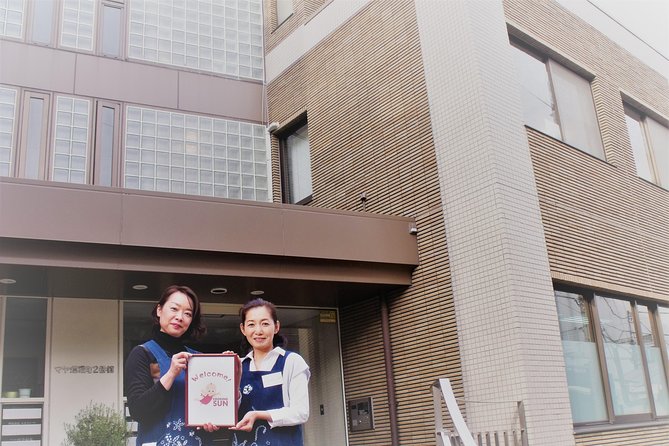
Tokyos kitchen energy comes to you fast. This small-group wagyu beef cooking class is hands-on, ingredient-driven, and built around the kaiseki-style flow of Japanese meals. I especially like the small group max of 8 (no one gets ignored) and the focus on dashi-making as the flavor foundation. One thing to consider: the Cooking Sun studio can be a bit tricky to locate at first, even with mapping apps.
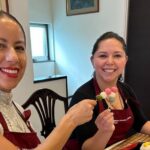
Why it’s worth your time is simple: you cook a real course lunch, not just a single dish demo. Instructors like Aya and Hidemi keep the vibe relaxed and practical, and they explain techniques in clear English. You’re learning how Japanese home cooks think—taste, season, cut, present—so you can actually recreate the results back home.
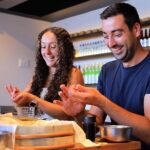
You’ll be in a room where you’re chopping, mixing, searing, and assembling your way toward a full meal. The session runs about 3 hours, and you’ll leave with recipes and a new set of go-to skills for Japanese cooking.
In This Review
- Key highlights worth showing up for
- Cooking Sun Tokyo: how this class works in real life
- The dashi start: the flavor blueprint you’ll reuse
- Up to eight dishes: what you’ll cook from appetizers to dessert
- Wagyu sukiyaki and the course-lunch rhythm
- Small-group coaching: why the lessons stick
- Ingredients, recipes, and what you can actually cook later
- Meal time: where it becomes more than a cooking demo
- Value check: $72.96 for a full-course, hands-on Tokyo morning
- Practical tips so you don’t waste your morning
- Who this cooking class is best for
- Should you book the Small-Group Wagyu Beef and 7 Japanese Dishes class?
- FAQ
- How many people are in the class?
- How long is the Tokyo Cooking Sun wagyu cooking class?
- What time does the class start?
- Is the class hands-on or mostly watching?
- What’s included in the price?
- Do you offer vegetarian options?
- What should I know about dietary requirements?
- Where do I meet for the class?
- What’s the cancellation policy?
Key highlights worth showing up for
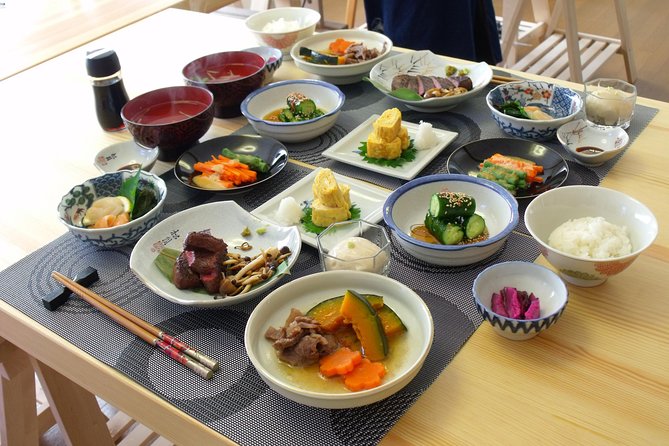
- Dashi first, always: You start with Japanese soup stock, then use that base across multiple dishes.
- Wagyu focused, kaiseki inspired: You cook a tender Wagyu main (often sukiyaki) as part of a full-course lunch.
- Up to eight dishes in one morning: You’ll work through an appetizer-to-dessert rhythm in a short 3-hour window.
- English-speaking local instructors with names and patience: Aya and Hidemi are among the instructors praised for clear coaching.
- Finish with the meal: You sit down to eat what you made, paired with sake and green tea.
Cooking Sun Tokyo: how this class works in real life
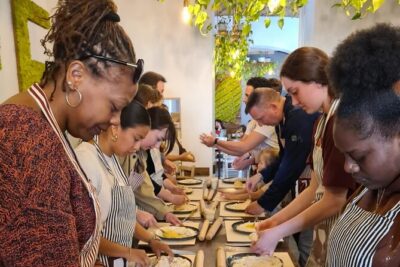
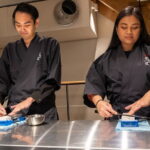
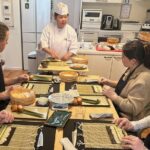
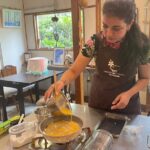
This is a studio-based class at Cooking Sun Tokyo in Shinanomachi, Shinjuku City. You meet there (no hotel pickup), and the session starts at 9:30 am. With a maximum of eight people, you’re not watching from the sidelines. The format is built to keep you busy: the instructors guide, correct, and help you move quickly without rushing you out the door.
You also get the practical stuff that makes cooking classes feel worth it. Ingredients and supplies are provided, plus an apron and a towel rental. That matters in Tokyo, where it’s easy to arrive with the wrong shoes or forget you’ll still need basic gear.
You can also read our reviews of more tours and experiences in Tokyo.

The dashi start: the flavor blueprint you’ll reuse
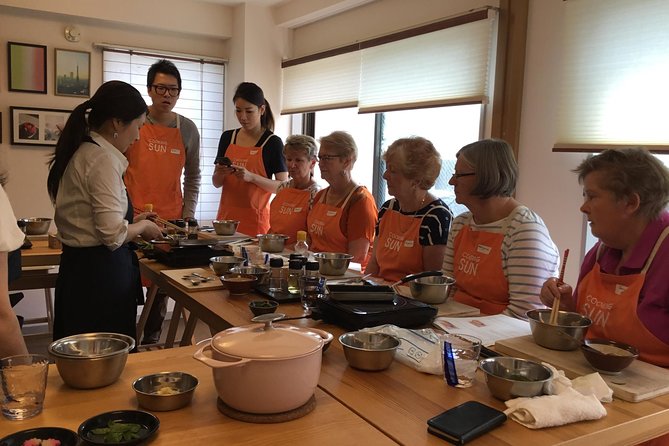
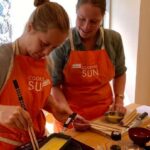
Every class begins with dashi-making, which is the fundamental soup stock of Japanese cooking. Dashi is one of those things you can’t fully fake from memory, because it’s about balance—strength, clarity, and timing. Here’s the benefit for you: once you learn the base approach, you stop treating Japanese flavors like a mystery.
In class, you’ll also get explanations of typical Japanese seasonings that show up again and again. That’s not “extra trivia.” It’s a shortcut to cooking confidently later. When you understand what seasoning is doing, you can adjust without guessing.
Dashi also shows up repeatedly in the meal. One reason people love this class is that you make it first, then see how that base supports multiple dishes, instead of using it once and moving on.
Up to eight dishes: what you’ll cook from appetizers to dessert
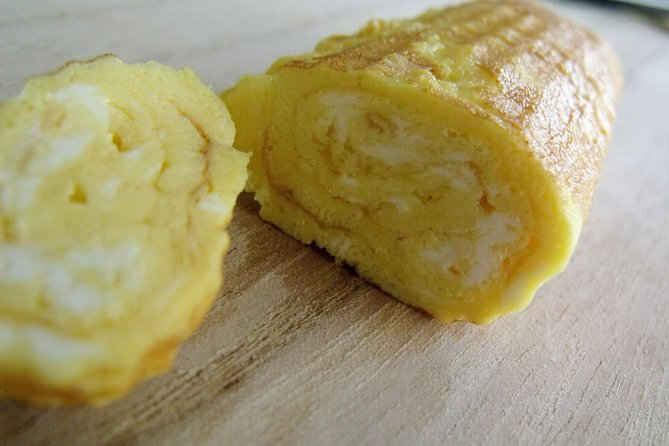
This is described as a kaiseki ryouri (haute-cuisine style) cookery class, but you’re not dealing with a stuffy restaurant lesson. It’s more like a structured home-cooking masterclass: cut thoughtfully, season intentionally, then plate nicely.
What you can count on:
- A full-course feel, moving from appetizers through the main and toward dessert.
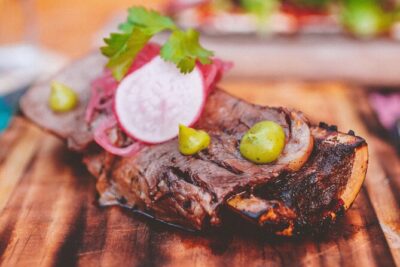
- A Wagyu beef dish as the featured centerpiece.
- Japanese vegetables and traditional seasonings throughout.
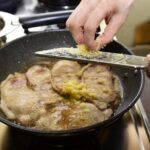
One specific wagyu highlight that comes up often is sukiyaki with Wagyu beef. You’re aiming for tender, flavorful results without turning the meal into a complicated mess.
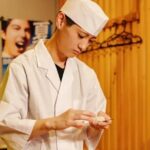
A realistic note from the cooking style: while you’ll be hands-on for a lot of prep like chopping and mixing dressings, some items may be handled by the kitchen team ahead of time. That’s not a downgrade. It’s how they keep the class on schedule and make sure your big “moment” foods still come out right.
Wagyu sukiyaki and the course-lunch rhythm
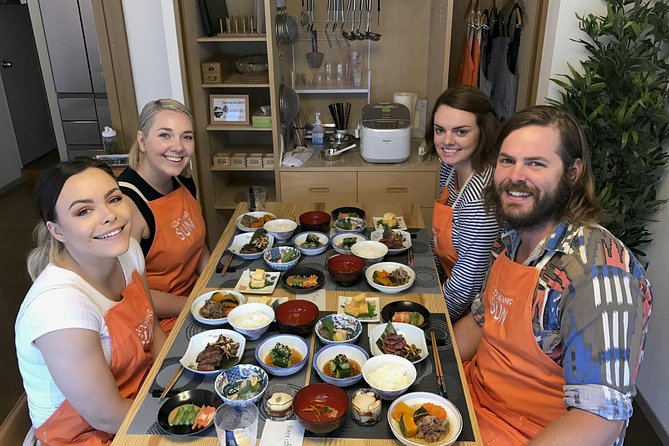
The Wagyu part is the main event. Wagyu is famous for its flavor and texture, but the key here is technique—how you cook it as part of a broader meal. In a class like this, the wagyu doesn’t sit alone. It’s balanced by dashi-based flavors, vegetable sides, and traditional seasonings.
The course-lunch rhythm is also a big reason this class feels more valuable than a one-dish workshop. You learn presentation too—how Japanese cooks think about portioning and visual order. Even if you’re not trying to plate like a chef at home, the habits you build here make your everyday meals look more put-together and taste more coherent.
Small-group coaching: why the lessons stick
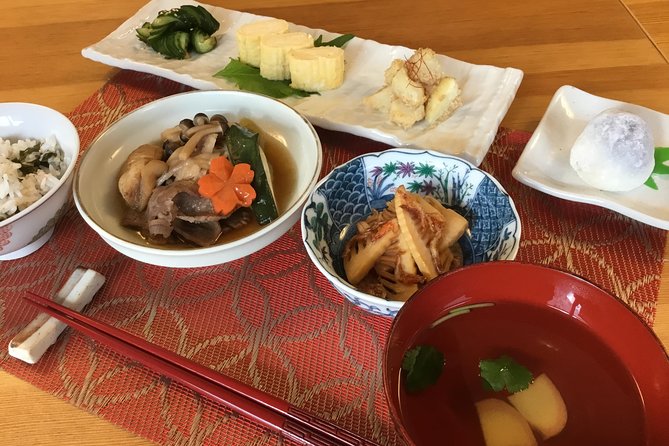
With a max of eight, you get real feedback, not general advice. That shows up in how instructors teach: they explain steps clearly, then adjust as you go. Instructors such as Aya and Hidemi are repeatedly praised for being friendly and approachable, plus there are mentions of other English-speaking instructors like Kaori, Megumi, and Yoko.
You’ll get the kind of support that helps even if your Japanese cooking experience is close to zero. Multiple people highlight that the class works for beginners, mainly because the instructors keep the pace understandable and the tasks manageable.
The class also has a homey atmosphere. That matters because you’re spending about three hours in one shared work zone, and you want that zone to feel calm, not tense.


Ingredients, recipes, and what you can actually cook later
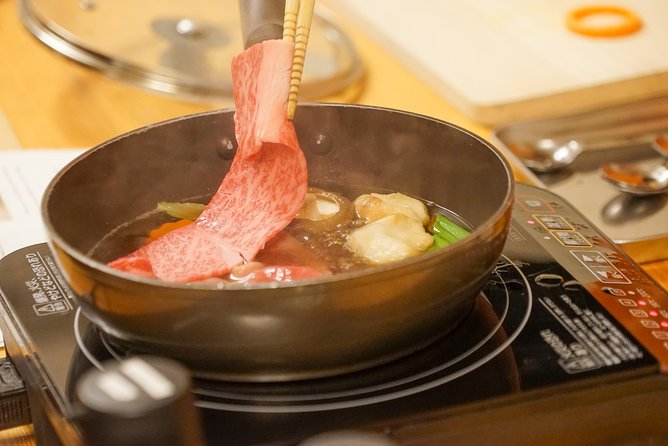
At the end of the session, you’re not just full—you’re equipped. The class includes recipes, and since ingredients are provided in advance, you learn what to buy and how to use it, not just what to aim for.
Here’s why that’s practical: Japanese cooking is about repeatable building blocks. Dashi is one. Seasoning blends and simple sauce logic are another. Once you understand those patterns from this class, it gets easier to recreate dishes like sukiyaki at home without turning the whole thing into a research project.
Also, because you cook multiple dishes in one session, you get variety in techniques. That gives you more “entry points” into Japanese cuisine. If one dish doesn’t click for you, another one will.
Meal time: where it becomes more than a cooking demo
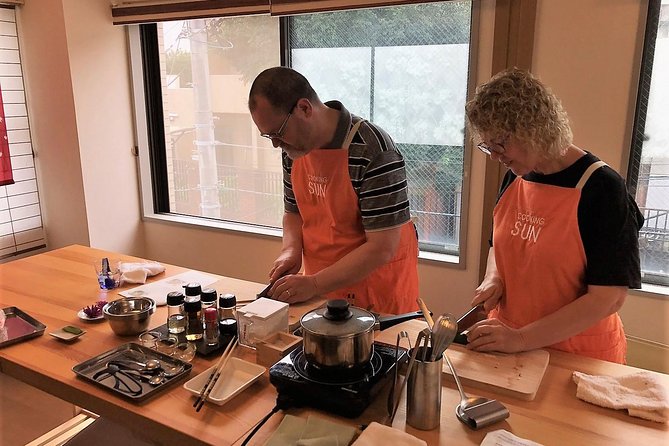
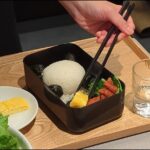
After cooking, you sit down to feast on what you made. You’ll eat with sake and green tea. That last part is useful, not decorative. Eating what you cooked immediately reinforces flavor balance, doneness, and seasoning choices.
It ends with the traditional start-to-meal phrase, Itadadakimasu. It’s a small cultural touch, but it also frames the experience as real Japanese dining practice, not just food prep.
Value check: $72.96 for a full-course, hands-on Tokyo morning
At $72.96 per person, this isn’t cheap in the way a street food tasting is cheap. But it’s also not overpriced for what you get. You’re paying for:
- a small group teaching setup (max 8)
- an English-speaking local instructor
- ingredients and supplies
- apron and towel
- recipes to take home
- a meal with sake and green tea
The “value” angle isn’t only quantity of food. It’s the teaching-to-results ratio. In about 3 hours, you learn the dashi foundation, practice multiple steps, and end with a full lunch you didn’t have to order. If you’ve ever regretted spending on a cooking class where you barely touched anything, this format is the opposite.
If you’re a serious hobby cook, the dashi and sauce logic will feel especially worth it. If you’re a casual foodie, the wagyu centerpiece and course variety still deliver.
Practical tips so you don’t waste your morning
- Arrive a little early to get oriented. The studio can be hard to find at first, so give yourself buffer time.
- Wear comfortable shoes. You’ll be standing and working for most of the class.
- If you have dietary needs, say so at booking. The class mentions a vegetarian option, and instructors are described as accommodating when people share allergies in advance.
- Plan for hands-on work, not just watching. Expect chopping, mixing, and active assembly. Some elements may be handled by the team ahead of time so the class stays within the 3-hour flow.
- Bring your curiosity about technique. This class rewards attention to small steps—cut size, season timing, and how dashi is used.
Who this cooking class is best for
I think this fits best if you want a Tokyo activity that teaches you something you can use again. It’s ideal for:
- Couples and small groups who want an interactive morning
- Food-focused travelers who like learning the “why” behind Japanese flavor
- Beginner cooks who want structured guidance in English
- Anyone who wants wagyu, but in a context that shows how Japanese meals are built
If your idea of fun is only street snacks and wandering, this might feel more structured than you want. But if you want a hands-on Japanese lunch lesson, this class hits the sweet spot.
Should you book the Small-Group Wagyu Beef and 7 Japanese Dishes class?
Yes, if you want the best kind of souvenir: skills you’ll use. This class gives you the dashi foundation, hands-on cooking across multiple dishes, and a course-lunch you can taste right away. The small group size, with instructors like Aya and Hidemi, is a real quality signal.
Book it even if you’re not a strong cook. The teaching style is set up for clear steps and approachable coaching. Just do one thing before you go: check the studio location early, because the building can be tricky to spot.
If you’re excited by wagyu and want it paired with Japanese home cooking logic (not just beef on its own), this is a strong pick for a Tokyo morning.
FAQ
How many people are in the class?
The class is small group, with a maximum of 8 people.
How long is the Tokyo Cooking Sun wagyu cooking class?
It runs for about 3 hours.
What time does the class start?
The start time is 9:30 am.
Is the class hands-on or mostly watching?
It’s designed so you’re actively cooking. You’ll prepare multiple dishes with instructor guidance.
What’s included in the price?
Included are the local cooking instructor, recipes, ingredients, and apron and towel rental.
Do you offer vegetarian options?
Yes. A vegetarian option is available if you advise at booking.
What should I know about dietary requirements?
You should advise any specific dietary requirements at time of booking.
Where do I meet for the class?
You meet at Cooking Sun Tokyo, 18-39 Shinanomachi, Shinjuku City, Tokyo 160-0016, Japan. The activity ends back at the meeting point.
What’s the cancellation policy?
You can cancel for free up to 24 hours in advance for a full refund. Within 24 hours, refunds aren’t available.