REVIEW · TOKYO
Tokyo Washoku 4-hour Cooking Class: From Market to Table
Book on Viator →Operated by MagicalTrip Inc. · Bookable on Viator
Tokyo tastes better when you shop first. This small-group 4-hour washoku class takes you from a local supermarket near Iriya Station to a cooking studio, where you cook Japanese comfort food from scratch. I especially like the market-to-table format and the chance to practice real knife and cooking techniques.
My other favorite part is that you leave with recipe handouts you can actually use at home. One thing to consider: the tour can’t guarantee allergy-free cooking, and substitutions aren’t always possible, so you’ll want to plan carefully if you have serious allergies.
In This Review
- Key points to know before you go
- A 10am meet and a supermarket lesson that saves you later
- Market shopping near Iriya Station: how to pick ingredients like a local
- Cooking studio basics: hands-on time in a space that actually works
- Knife and technique training: the stuff you’ll use for years
- The menu: sushi rolls, miso soup, rolled egg, and grilled eggplant
- Eating your results with sake and other drink pairings
- What you get to take home: recipes you can recreate
- Price and value: $79.59 for skills, ingredients, and a real meal
- Who should book this cooking class (and who might skip it)
- Should you book Tokyo Washoku: Market to Table?
- FAQ
- What dishes will I cook during the class?
- Is the class vegetarian or vegan friendly?
- Do I get recipes to take home?
- How many people are in the group?
- Where does the tour start and end?
- If I have an allergy, can you guarantee the food is allergy-free?
Key points to know before you go
- Local supermarket start: You learn what to buy and how to pick ingredients, not just what to cook.
- Hands-on knife practice: You cut and cook along with your guide, including core Japanese prep techniques.
- Several dishes from scratch: You’ll make items like maki sushi, miso soup, and rolled egg dishes, plus more.
- You can ask questions live: The guide adjusts explanations as you cook, so it feels personal even in a group.
- Sake or drink pairings at the meal: You’ll taste and experiment while you eat what you made.
- Small group size: Capped at 7 travelers, which keeps the pace friendly.
A 10am meet and a supermarket lesson that saves you later
The experience starts at FamilyMart (2-chōme-1-10 Shitaya, Taito City) at 10:00am, and you keep the momentum right away. You’re near public transportation, and you’ll use a mobile ticket, so once you find the meeting spot, the rest is straightforward.
What makes this start work is that it teaches ingredient thinking while you’re still walking and shopping. Instead of being told what to buy, you learn how to spot quality in the moment, which is the difference between cooking Japanese food someday and cooking it well.
You can also read our reviews of more tours and experiences in Tokyo.

Market shopping near Iriya Station: how to pick ingredients like a local
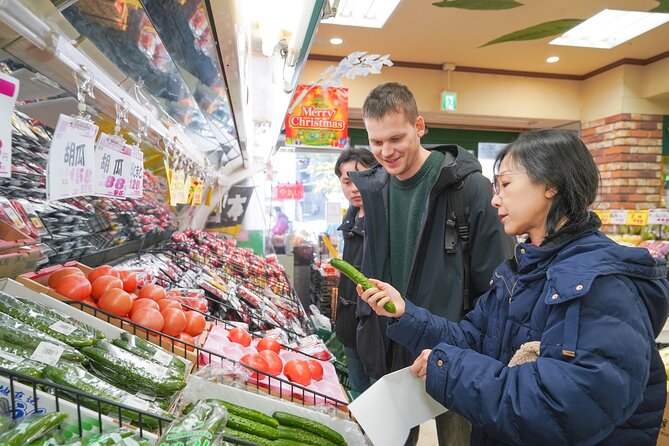
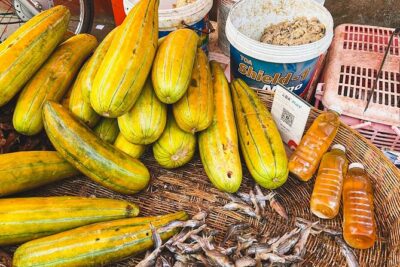
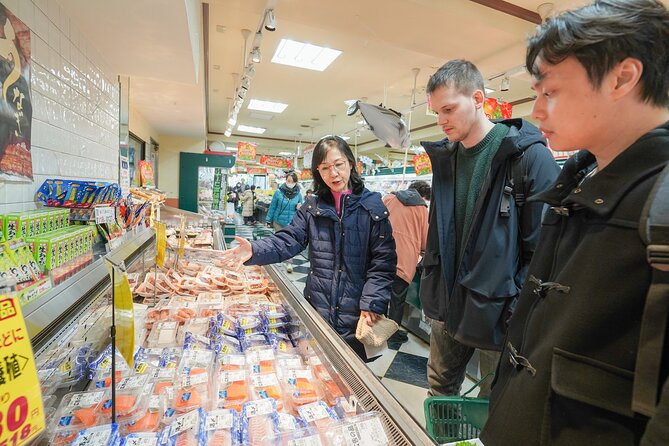
You’ll head to a local supermarket with your guide, and the goal is simple: choose ingredients you can actually recognize later when you shop on your own. Expect tips on how to select items like fish, vegetables, eggs, and seasoning staples so your food tastes right even when you’re not in Japan anymore.
This part is also great for your budget brain. A lot of Japanese cooking can be done with common pantry items, but only if you understand what matters and what doesn’t. You get to ask questions in real time, and the guide can point out differences you’d otherwise miss, like texture, freshness, and how ingredients behave in cooking.
If you’re vegetarian or vegan, that’s built into the experience, but timing matters. You need to tell the operator at least one day before the tour about your dietary request or allergies, since day-of changes can’t be accommodated.
Cooking studio basics: hands-on time in a space that actually works
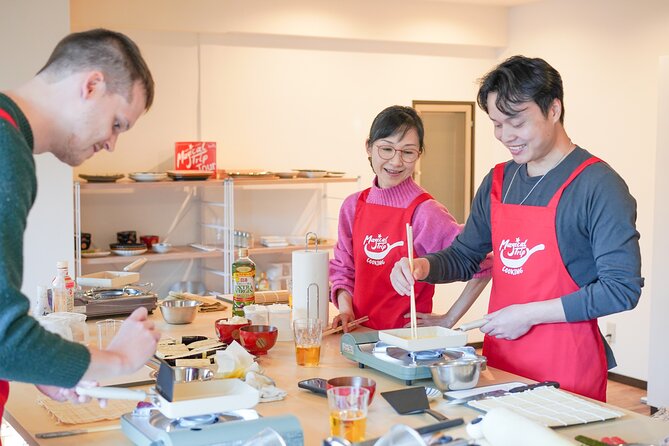
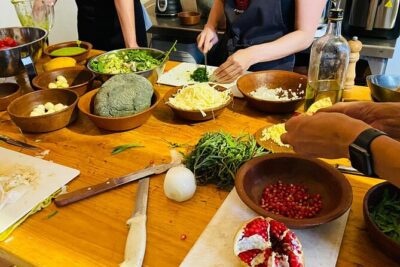
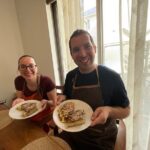
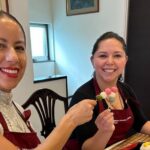
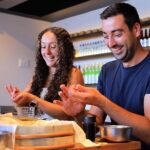
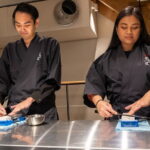
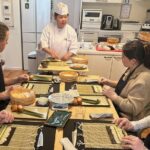
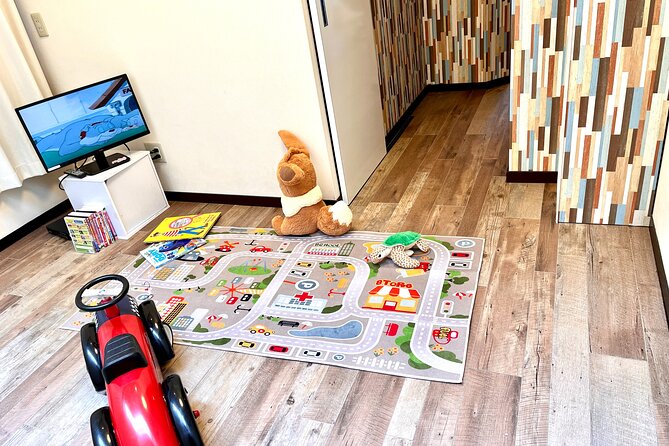
After shopping, you move to a dedicated cooking studio where the teaching and cooking happen. The studio setup matters, because this is a hands-on class, not a sit-and-watch demo. You’ll cook together with the group, with enough room to work without constantly bumping elbows.
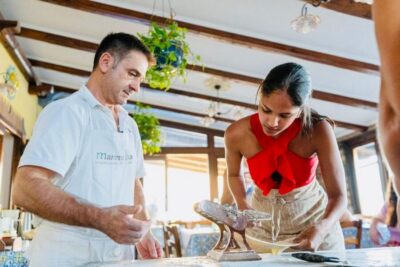
Instructors often keep things step-by-step, and that’s key if you’re new to Japanese cooking or knife work. Also, because the group is capped at 7, you’re more likely to get personal feedback when your cuts or cooking method need adjustment.
Weather can play a role, since this activity requires good conditions. If your schedule is tight and Tokyo weather turns extreme, you’ll want a backup plan for the day you pick.
Knife and technique training: the stuff you’ll use for years
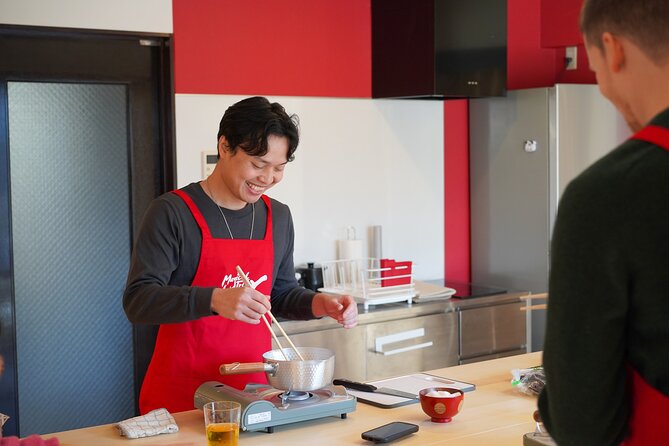
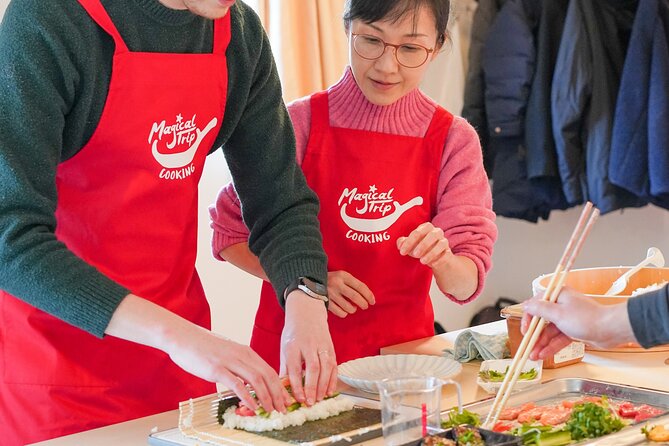
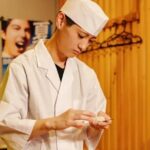
The class focuses on traditional washoku techniques, and it’s not just about following steps. You’ll practice the cutting methods that shape how food cooks and how it holds together—especially for rolled and sliced items.
Knife skills can feel intimidating in photos. Here, the class approach is practical: you learn what to do and why it matters in the final dish, like how uniform cuts help with even cooking. When you do the work yourself, the technique sticks faster than it would from any recipe card alone.
Don’t worry if you’re a beginner. The format is built for questions during the cooking, so you can clarify right when you need it. You can also adjust based on your pace, which is helpful if you’re traveling with different comfort levels in the kitchen.
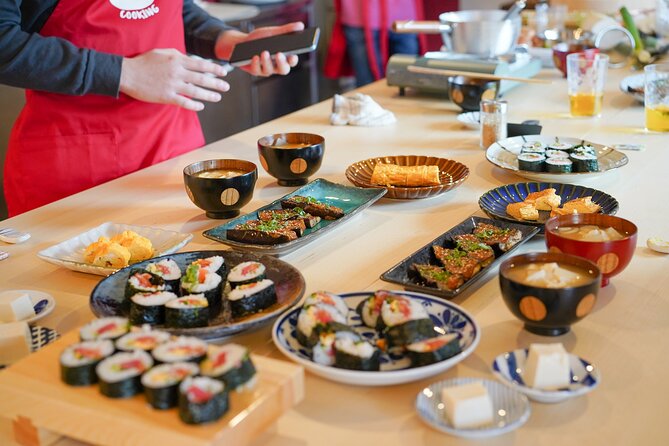
The menu: sushi rolls, miso soup, rolled egg, and grilled eggplant
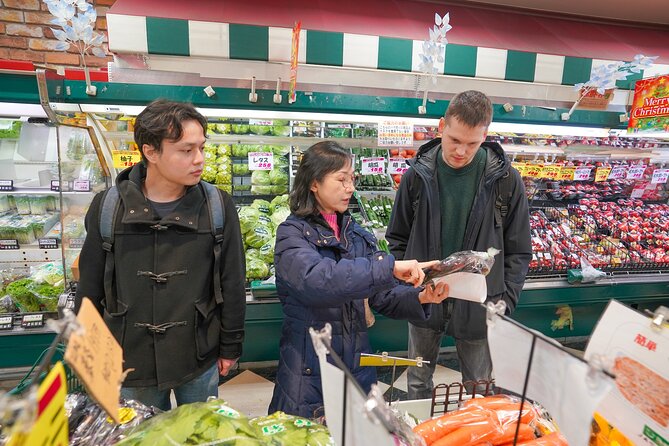
You’ll cook multiple dishes from scratch, including classic Japanese home-style favorites. The exact set can vary, but you should expect a mix of savory, comforting, and fun-to-make items.
Here’s what’s specifically named in the experience description:
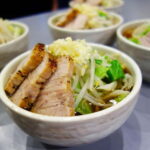
- Maki sushi (sushi rolls): You’ll learn assembly and rolling so your roll holds together instead of turning into a sad pile.
- Miso soup: You’ll practice key flavor-building steps and learn what makes the soup taste balanced.
- Dashimaki tamago (rolled omelet): This is a great technique dish because it teaches gentle cooking and rolling.
- Egg rolls: You’ll learn how the filling and wrapper approach work together.
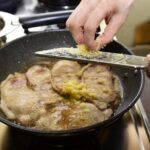
- Nasu dengaku (grilled eggplant skewers): You’ll make a dish with strong flavor and a satisfying texture contrast.
Egg situations get special handling. If you can’t eat eggs, your selection is reduced from four types to three. That’s a helpful detail to know before you book, especially if you’re managing an intolerance rather than a mild preference.
If you’re wondering whether you’ll end up full: you will. You’re cooking and then eating what you make as a group, and the meal is part of the class flow, not an afterthought.

Eating your results with sake and other drink pairings
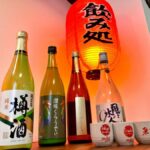
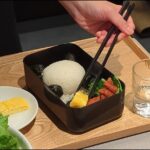
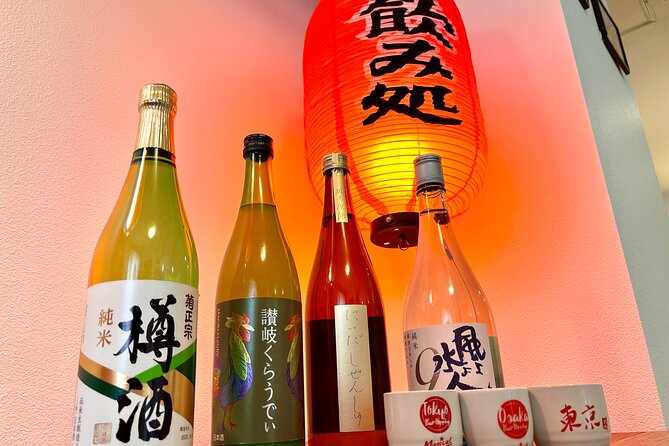
This is one of the most enjoyable parts of the experience because it turns technique into flavor you can taste right away. The class includes a chance to experiment with sake or other drink pairings with the dishes you cooked.
Even if you don’t drink alcohol, it’s still valuable because pairings help you notice differences in saltiness, sweetness, and richness. That’s the kind of understanding that makes your future cooking more accurate, especially with miso-based dishes and egg-forward recipes like dashimaki tamago.
You’ll eat together in the studio, which keeps the mood relaxed. It’s also where you can ask follow-up questions, since your guide is right there and your hands are now done with the cooking.
What you get to take home: recipes you can recreate
You’ll receive recipes for the dishes, and that’s a big part of the value. Cooking classes are fun in the moment, but the best ones set you up for repeat success.
These take-home recipes are especially useful for sushi rolls, miso soup, and rolled omelet techniques, because those dishes depend on method, not just ingredients. You can compare your results later to what you learned, then tweak based on how your kitchen equipment behaves.
If you’re the type who plans meals and wants reliable outcomes, this is where the class pays off. You get the foundation to cook washoku-style dishes without needing to translate a complicated recipe the first time.
Price and value: $79.59 for skills, ingredients, and a real meal
$79.59 for a 4-hour class can feel like a splurge—until you break down what’s included.
You’re paying for:
- supermarket shopping with guidance on ingredient quality
- hands-on cooking instruction with traditional techniques
- multiple dishes made and eaten during the session
- take-home recipes
- small group size (up to 7), which supports better coaching
- sake or other pairing options tied to the meal
In Tokyo, you can easily spend more than that eating out at restaurants if you want a full meal plus drinks. Here, you’re doing the cooking, which turns the food into a skill-building experience.
For most people, the value is highest if you want to learn method, not just taste food. If you’re already comfortable cooking Japanese food at home, you’ll still likely appreciate the ingredient selection tips and technique reminders.
Who should book this cooking class (and who might skip it)
This tour fits best if you want a hands-on Tokyo experience that goes beyond sightseeing. It’s also a strong choice if you like practical learning, since you’re shopping, cutting, cooking, and eating all in one session.
It’s a smart fit for:
- first-timers to Japanese cuisine who want the core dishes
- travelers who enjoy markets and want to learn what to buy
- couples or small groups who want a shared activity
- families with teens who can participate at their own comfort level (the pace is designed for group cooking)
You might choose something else if:
- you have complex allergies and need strict allergy-free handling (the class can’t guarantee this)
- you’re very time-pressed and only want a quick taste rather than a skill session
- you’re expecting restaurant-style cooking with no hands-on work (this is the opposite)
One extra tip: when you’re done, you may want to visit Kappabashi Dougu Street on your own. It’s an easy add-on if you want to turn your new knife interest into a souvenir that actually gets used.
Should you book Tokyo Washoku: Market to Table?
I think you should book if you want a 4-hour Tokyo experience that feels like real life in Japan: buying ingredients, practicing technique, and then eating a meal you made yourself. The supermarket start is the kind of detail that makes the class more useful at home, not just entertaining in the moment.
If you’re careful with allergies, message your needs at least one day in advance and understand that allergy-free cannot be guaranteed. If you’re good with that reality, this is a high-satisfaction class because it combines shopping skills, cooking practice, and a full sit-down meal without turning it into a lecture.
FAQ
What dishes will I cook during the class?
The experience includes making traditional dishes such as makisushi (rolled sushi), miso soup, dashimaki tamago (rolled omelet), egg rolls, and nasu dengaku (grilled eggplant skewers), along with additional Japanese cooking you’ll do during the session.
Is the class vegetarian or vegan friendly?
Yes. Vegan and vegetarian guests are welcome, and the operator arranges ingredients and the cooking process. You should inform them of dietary requests or allergies at least one day before the tour.
Do I get recipes to take home?
Yes. You’ll receive recipes for the dishes you cook so you can recreate them after your trip.
How many people are in the group?
The class has a maximum of 7 travelers, so it stays small and you can ask questions while you cook.
Where does the tour start and end?
You start at FamilyMart (2-chōme-1-10 Shitaya, Taito City, Tokyo) at 10:00am. The activity ends back at the meeting point.
If I have an allergy, can you guarantee the food is allergy-free?
No. The operator cannot guarantee allergy-free cooking because the food is prepared in kitchens that do not belong to the operator, and substitutions may not always be possible. Be sure to inform them at least one day before the tour about your allergies.