REVIEW · TBILISI
Small-Group Khinkali and Khachapuri Cooking Class in Tbilisi
Book on Viator →Operated by Discover local wine and food · Bookable on Viator
Watching dumpling folding become a skill is strangely satisfying, and this class pairs hands-on cooking lessons with a proper Georgian tasting. I like the small-group vibe (with a stated cap of 6) and the way you get to make both khinkali and Imeretian khachapuri instead of only watching. One thing to consider: it’s taught in the restaurant hall, not in the kitchen, so some cooking steps happen out of sight.
In This Review
- Downtown meal energy with real instruction
- Key Things to Know Before You Go
- A Downtown Georgian Dumpling-and-Bread Workshop
- Restaurant-Hall Setup: What You Do vs. What Happens Offstage
- Price and Value for a Real Georgian Meal at $27.50
- The Included Tasting Spread: Wine, Cheese, Salad, Then Your Own Plates
- Step-by-Step Khinkali: Filling, Dough Lessons, and the Cinch Fold
- Imeretian Khachapuri: A Cheese Bread You Can Actually Recreate
- Meet Your Host: Instructors Like Vladimir, Artem, and Seva
- Group Size Reality in High Season
- Timing and What the 2 Hours Feels Like
- Where It Starts: St.Bunny31 on Griboedov Street
- Who Should Book This Class (and Who Might Skip It)
- Should You Book This Khinkali and Khachapuri Class?
- FAQ
- Where does the class meet?
- How long is the cooking class?
- Is the class held in the kitchen?
- How many people are in the group?
- What’s included with the class?
- What dishes do I learn to make?
- Can I get a full refund if I cancel?
Downtown meal energy with real instruction
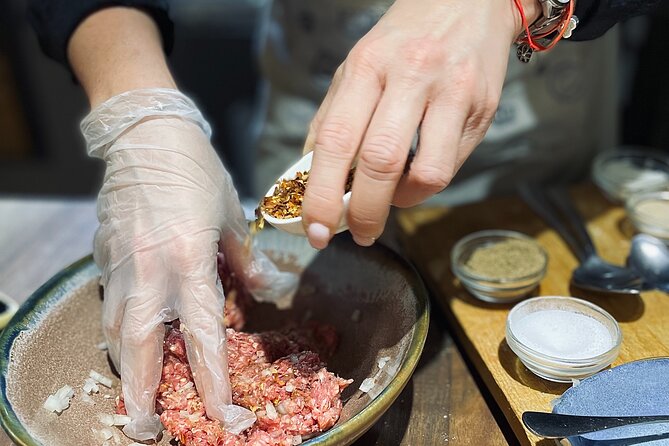
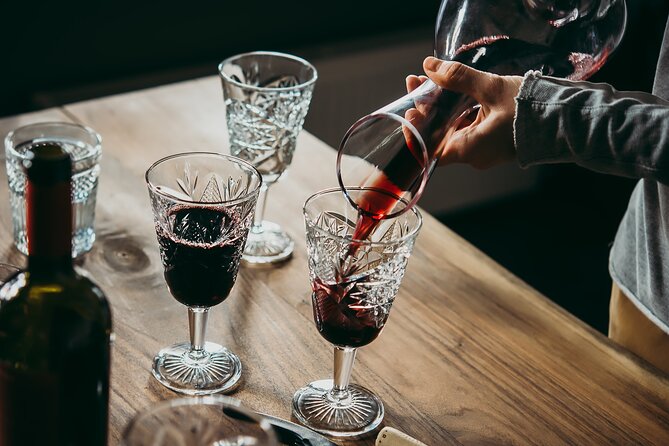
You’ll get Georgian wine, a vegetable salad, and a plate of farm cheeses while the chef guides dough and filling prep. I also like that the host turns the session into something social—stories, humor, and practical tips while you shape the dumplings. The possible drawback is pacing: on busy days, a few people have reported larger-than-expected groups and longer waits, so if you’re super time-sensitive, keep a little buffer in your afternoon.
Key Things to Know Before You Go
- Small-group structure: Designed for up to 6 travelers, which makes it easier to get help while folding.
- Restaurant-hall format: Not held in the kitchen, so you do key prep and shaping steps while some cooking happens behind closed doors.
- Real Georgian pairings: Wine plus salad and cheeses show up early, then your freshly prepared khinkali and khachapuri land as the meal.
- Khinkali sculpting focus: You’re taught how to cinch and shape the dumpling properly, with stories and technique tips.
- Imeretian khachapuri practice: You learn dough and cheese bread steps with guidance you can repeat later.
- Recipes at the end: Many participants come away with instructions they can use at home.
You can also read our reviews of more tours and experiences in Tbilisi.

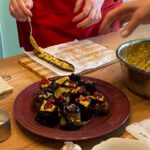
A Downtown Georgian Dumpling-and-Bread Workshop
If you’ve ever wanted to understand Georgian food beyond tasting it, this class is a fast route. You’ll spend about 2 hours in Tbilisi’s downtown area, and you’ll leave with the muscle memory of shaping khinkali and making a classic Imeretian khachapuri-style cheese bread.
The format matters. This isn’t a demo where you sit and watch until dinner arrives. You cook—stir, prepare, spread, fold, and shape—while an instructor walks you through what to do and why. That’s what makes it feel more like learning a craft than paying for a meal.
And the setting is practical. The workshop runs in a restaurant hall in the city center, so it’s easy to fit into a day of sightseeing without needing extra transport plans.
Restaurant-Hall Setup: What You Do vs. What Happens Offstage
One of the big details: the event is not held in the kitchen. For sanitary reasons, you won’t be invited into a working kitchen area. Instead, you learn and work at a table in the restaurant hall.
So what does that mean for your hands-on time?
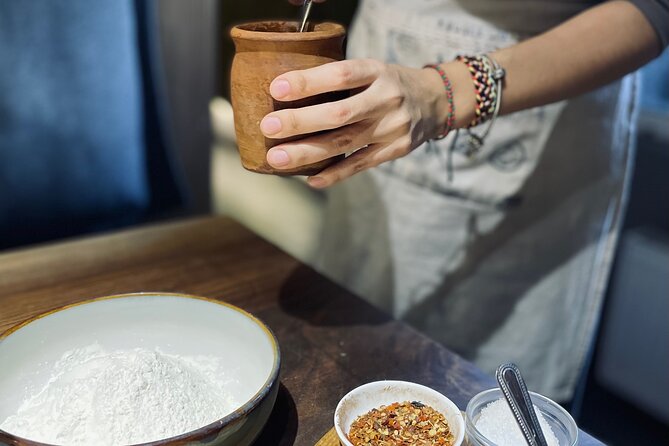
- You get step-by-step instruction as the chef explains khinkali dough basics and how to prepare filling.
- For khachapuri, you do more of the active prep: making the dough and preparing the filling/cheese readiness as directed.
- You learn how to sculpt khinkali—that cinched, folded look that makes it so recognizable.
- The “hot process” (actually cooking) happens offstage, and the finished food is brought out for you to eat.
In real terms, you’re still doing the core work that people love about these dishes: mixing, shaping, folding, and assembling. You just aren’t standing over a stove. If you’re the type who wants to control every minute of heat, that might feel limiting. If you want a guided way to succeed quickly, it’s ideal.
Price and Value for a Real Georgian Meal at $27.50
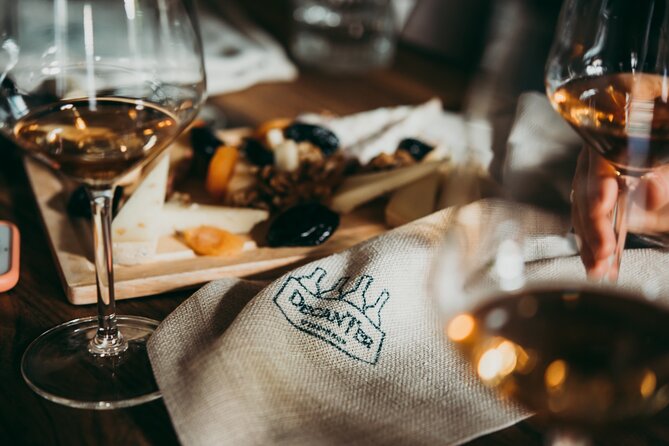
At $27.50 per person for about 2 hours, this can be excellent value—mainly because it isn’t only “instruction time.” It includes:
- Georgian wine
- Vegetable salad made with tomatoes
- Farm cheese
- The khinkali and khachapuri you help make
That’s a lot of food and drink wrapped into a short class. Even if you’re not a “chef at heart,” you’re essentially paying for a guided meal with structured prep and shaping.
One practical note: wine choices can vary. Some participants reported only red wine was offered on certain days. If you don’t drink red wine or want a strict preference, it’s smart to ask ahead when you book.
The Included Tasting Spread: Wine, Cheese, Salad, Then Your Own Plates
This class starts like a meal, not a lecture. Before the main cooking steps really get rolling, you’re treated to a mix of Georgian flavors:
- A glass of Georgian wine
- A vegetable salad built around unforgettable Georgian tomatoes
- A plate of farm cheeses
It’s a nice pacing trick. You’re not hungry while you’re learning technique. And the tasting helps you get a sense of the ingredients the dishes are built on.
Then, once your khinkali and khachapuri are ready, you get to eat what you made. That “we did it” satisfaction hits harder with dumplings and cheesy bread than with most cooking classes.
Also, one review specifically pointed out that there’s plenty of food for a meal. Come hungry—seriously.
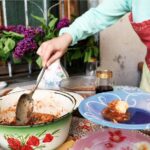
Step-by-Step Khinkali: Filling, Dough Lessons, and the Cinch Fold
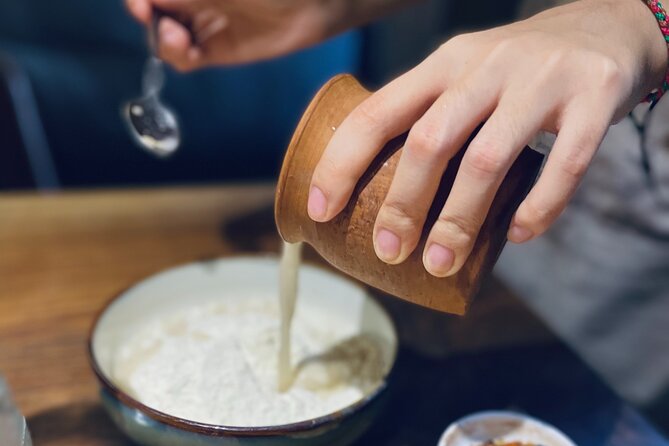
Khinkali is the star dumpling in this workshop, and the class centers on making it feel doable.
Here’s what you can expect:
- The cook explains the dough basics for khinkali.
- You learn how to prepare the filling—often with options like veal, cheese, or mushrooms (depending on what’s offered that day).
- Then you practice sculpting the khinkali into the traditional cinched shape.
The dumpling folding part is where the class becomes memorable. The chef tells stories while you work—technique subtleties, plus some historical and funny details about Tbilisi. That keeps the session light even when your hands feel awkward at first.
One more realistic thing: because you’re not in the kitchen, some dough or prep steps may be simplified or partially handled before you arrive. Still, you’re actively shaping and learning the important steps that make khinkali look and taste right.
If you’ve never made dumplings before, this is one of the more forgiving formats to start with.
Imeretian Khachapuri: A Cheese Bread You Can Actually Recreate
Khachapuri can feel intimidating because people associate it with a lot of oven drama. This class makes it more approachable.
You’ll focus on Imeretian khachapuri, a cheese-forward Georgian dish. The instructor explains what matters in the dough and filling, and you’ll do key parts of the prep yourself:
- Prepare the khachapuri dough
- Make the filling and get the cheese ready
- Spread and assemble your version so it reaches the right readiness
The best part is that you’re not only tasting a famous dish. You’re learning the workflow—the mixing, the assembly, and the logic behind the ingredients.
A review also noted that recipes are shared at the end, which is useful if you want to bring this home and not just keep it as a happy memory.
Meet Your Host: Instructors Like Vladimir, Artem, and Seva
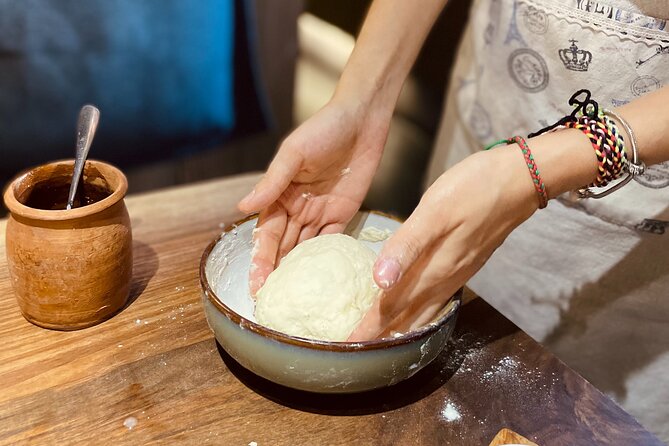
The teaching style is consistently praised. People mention instructors like Chef Vladimir, Artem, and Seva/Sewa as friendly, patient, and funny while they explain process and origins.
You can count on:
- Clear, step-by-step guidance
- Lots of room for questions
- A teaching pace that works for beginners
Even if you’re traveling solo, this helps. Instead of feeling like you’re being evaluated, you feel like you’re building a new party trick with the group.
Group Size Reality in High Season
The class is advertised with a maximum of 6 travelers, and that’s a big part of why it works well. In theory, small group means more attention while folding.
But a few reviews reported bigger groups on certain days—around 9 to 13—which can change the feel. When there are more people at tables, you can get more waiting time between steps, and it may limit how hands-on everyone is during each stage.
So here’s my practical advice: if small-group attention is your top priority, aim for a time slot that’s less likely to be peak crowd. And if you’re going with kids or you have a tight schedule, give yourself extra flexibility.
Timing and What the 2 Hours Feels Like
The experience is designed to last about 2 hours, and it ends back at the meeting point. In practice, cooking classes can stretch a bit depending on how the restaurant and cooking queue align.
One review noted delays and “dead moments” while staff brought items out. Another mentioned the total experience took longer when it included dining in a more extended format. That’s not guaranteed, but it’s worth knowing: the restaurant rhythm drives part of the timing since you’re not in a kitchen.
If you’re planning around another activity, treat this as a satisfying block rather than a clock-accurate appointment.
Where It Starts: St.Bunny31 on Griboedov Street
You meet at St.Bunny31 Griboedov St, Tbilisi, Georgia, and you finish back at the same meeting point.
This is a practical advantage for sightseeing: you’re in the downtown area, near public transportation, so it’s easier to fold into your day without complex logistics. Also, since it uses a mobile ticket, it’s straightforward—no paper tickets to hunt down.
Who Should Book This Class (and Who Might Skip It)
This cooking class is a great fit if you want:
- A hands-on Georgian food experience in a short time
- A way to meet other travelers in a social setting
- A guided path to learning khinkali and khachapuri without needing previous cooking skills
- A meal that’s included, not an add-on
It’s also worth considering if you’re traveling solo and want a structured activity where the chef keeps things moving.
I’d hesitate if you’re expecting full kitchen access or you specifically want to cook everything yourself from start to finish. Since it’s not held in the kitchen, the experience is more about guided prep and shaping than about controlling every cooking step.
Kids can work too—one family shared that they brought children (including a younger child) and found it easy to schedule.
Should You Book This Khinkali and Khachapuri Class?
I think it’s a strong booking when you want an authentic Georgian food lesson without a big time commitment. The included wine, cheeses, salad, and the dishes you help make push the value into “worth it” territory, especially at this price point.
Book it if:
- You want a beginner-friendly, guided cooking experience
- You care about learning the technique of khinkali folding and Imeretian khachapuri dough/assembly
- You’re happy with a restaurant-hall format (not kitchen access)
Skip or rethink it if:
- You want a strict, highly hands-on cooking experience where you personally control all heat stages
- You’re very sensitive to possible crowding on peak days
If you do book, go hungry, ask questions early, and don’t rush your first folds. The dumpling shape comes faster than you think once you get the rhythm.
FAQ
Where does the class meet?
You meet at St.Bunny31 Griboedov St, Tbilisi, Georgia, and the activity ends back at the meeting point.
How long is the cooking class?
It runs for about 2 hours (approx.).
Is the class held in the kitchen?
No. The master class takes place in the restaurant hall, not in the kitchen.
How many people are in the group?
The experience is designed as a small group with a maximum of 6 travelers.
What’s included with the class?
It includes Georgian wine, a vegetable salad made with tomatoes, farm cheeses, and the khinkali and khachapuri you prepare and eat.
What dishes do I learn to make?
You learn how to make and prepare khinkali and Imeretian khachapuri, including dough and filling preparation and practicing the khinkali shape.
Can I get a full refund if I cancel?
Yes. You can cancel up to 24 hours in advance for a full refund.