REVIEW · BOLOGNA
Bologna: Pasta and Tiramisu Cooking Class with Wine
Book on GetYourGuide →Operated by The Roman Food Tour · Bookable on GetYourGuide
Pasta class in Bologna beats museum days. I love the hands-on pasta dough coaching, with clear guidance on flours and the difference between pasta fresca and pasta secca.
I also love the sit-down Prosecco and wine meal at the end, so the food you make actually becomes lunch or dinner right away. One catch: the traditional recipes use gluten, dairy, and eggs, and cross contamination can’t be ruled out.
Quick note: If you’re hoping for a strict gluten-free, dairy-free, or vegan class, read the suitability details below before you book.
In This Review
- Key highlights at a glance
- A 3-hour cooking break in central Bologna
- Welcome Prosecco, aprons on, and real restaurant pacing
- Tiramisu from scratch: the sweet start that actually teaches you
- Fresh pasta dough in Bologna: flour, feel, and shaping
- What the pasta turns into: lunch or dinner you share
- Price and value: is $57 fair for 3 hours?
- Who this class is best for (and who should skip it)
- Dietary reality check
- Small details that make a big difference on the day
- Should you book? My take
- FAQ
- FAQ
- How long is the cooking class?
- What is the price per person?
- Where does the experience take place?
- Do I get Prosecco and wine?
- What dishes will I learn to make?
- Is lunch or dinner included?
- Is the instructor English-speaking?
- Are dietary substitutions available?
- Is this suitable for vegans or people with gluten or lactose intolerance?
- What should I bring and wear?
- What is the cancellation policy?
- What age is it suitable for?
Key highlights at a glance
- English instruction with step-by-step guidance you can actually follow
- Welcome Prosecco to start things off on the right note
- Tiramisu first, then fresh pasta dough, so you do both the sweet and the savory
- Flour and texture lessons, including pasta fresca vs pasta secca
- Wine with your meal, then you sit together and eat what you made
- Traditional ingredients used, so some dietary needs won’t fit this workshop
A 3-hour cooking break in central Bologna
This is a classic Bologna food reset: you trade walking time for hands-on cooking in a real restaurant setting. In about 3 hours, you go from ingredients to finished pasta and tiramisu, then you eat them together with wine.
The big advantage is that you’re not just watching. You’re learning the mechanics—how dough should feel, how dessert should set up, and how to shape pasta so it cooks well. That kind of practical knowledge sticks.
You can also read our reviews of more tours and experiences in Bologna.

Welcome Prosecco, aprons on, and real restaurant pacing
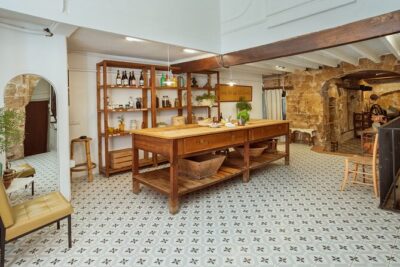
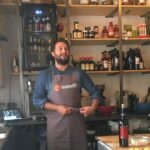
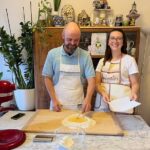
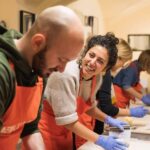
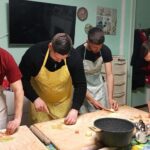
You start in the restaurant with a welcome glass of Prosecco. After you arrive, you wash your hands, put on an apron, and get right into the workflow. The setup matters: it feels like you’re joining the rhythm of a working kitchen and dining room, not doing a staged demo.
Instruction is in English, and the tone is friendly and relaxed. Guides like Luca, Al (Aladin), Steven, and Peter are specifically noted for being personable and for keeping the group moving—repeat instructions when needed, check in with people who are unsure, and keep the energy light.
Practical tip: wear comfortable clothes. You’ll be standing, mixing, and working with your hands more than you might expect.
Tiramisu from scratch: the sweet start that actually teaches you
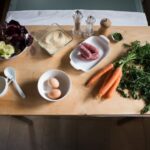
Your first task is tiramisu. You’ll make it from the ground up, not from a shortcut box mix. Along the way, you learn why it’s so iconic and what techniques make it taste right—things like timing, texture, and how the components come together.
This part is great for first-timers because it gives you quick wins. It also sets up a common reason to take this class: you’ll be able to explain to friends back home why your tiramisu doesn’t taste like dessert soup.
You also get to sample what you prepare during the class, so you’re not cooking in theory.
Fresh pasta dough in Bologna: flour, feel, and shaping
After tiramisu, you move to pasta. This is the heart of the class for most people, and it’s where you learn the skills you’ll reuse.
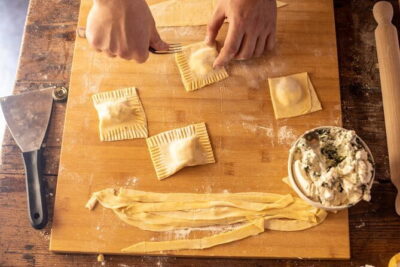
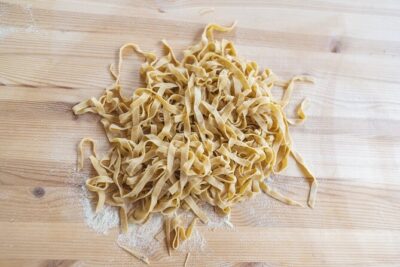
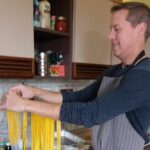
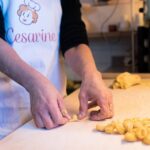
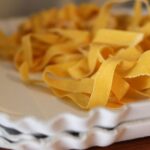
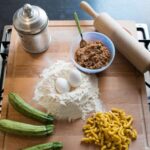
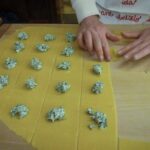
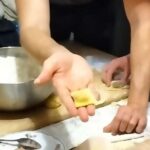
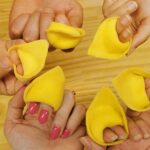
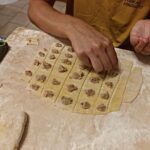
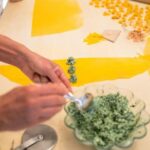
The instructor focuses on pasta dough and the differences between pasta fresca and pasta secca. You’ll learn about flour choices and how they affect the dough. Then it’s hands-on: you roll, cut, and shape your pasta with step-by-step coaching.
Why this matters: pasta making often sounds intimidating, but the lessons here aim at the basics. You’re learning what to look for in the dough, not just the final shape.
Based on what you’ll do in class, I’d expect you to come away with at least a few confident moves: how to work the dough, how to cut/shape, and how to keep things from drying out while you’re still mid-process.
What the pasta turns into: lunch or dinner you share
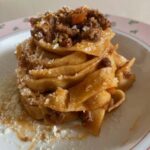
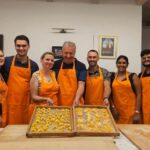
At the end, you sit together for lunch or dinner. You’ll eat the pasta and tiramisu you made, and your meal is paired with a glass of wine.
This is one of the best parts of the format. Cooking classes can end with a take-home bag and a quick nod goodbye. Here, you cook, then you actually share the result at the table. It’s also a social bonus: you’ll meet other people in the same stage of the trip—curious, hungry, and willing to laugh at flour mistakes.
One more thing I like: some instructors are known for offering extra tips about Bologna, including places to eat and grab coffee after the class. Even one good local recommendation can make the experience feel more grounded and useful.
Price and value: is $57 fair for 3 hours?
At $57 per person for a 3-hour workshop, the value comes from what’s included, not just the cooking.
You get:
- a welcome Prosecco
- a glass of wine with your meal
- a pasta and tiramisu class
- lunch or dinner
- time with an English-speaking instructor
- the food you make (plus sampling during the class)
So you’re basically paying for an organized meal experience with real instruction. If you were to replicate this on your own—flour, eggs/dairy ingredients, dessert components, wine, and paying for a teacher—you’d likely spend more than one simple meal.
Also, the learning component is compact. Three hours is long enough to do two dishes properly, but short enough to fit into a standard Bologna schedule without eating your whole day.
Who this class is best for (and who should skip it)
This workshop is a good fit if you:
- want a hands-on Bologna activity that ends with a real meal
- like cooking with a guide rather than winging it from a recipe
- enjoy wine with lunch or dinner
- want a confidence boost to cook pasta at home later
It’s also a fun choice for couples and groups, and it works well for people who are new to cooking. The instruction style is described as relaxed and clear, with plenty of help for those who have never made pasta before.
Now the important part: suitability and dietary limits.
Dietary reality check
The workshop notes that the traditional recipe includes gluten, dairy, and eggs, and they can offer substitutions for allergies or preferences but can’t guarantee 100% free of cross contamination.
And the class is not suitable for:
- vegans
- people with food allergies
- people with gluten intolerance
- people with lactose intolerance
- children under 3 years
- babies under 1 year
So even if vegetarian or other dietary options are listed as available, the operator’s “not suitable” list is strict. If you have gluten or lactose intolerance, or any food allergy, treat this as a no-go unless you confirm details directly with the provider in advance.
Small details that make a big difference on the day
Here’s how to set yourself up for a smoother experience.
Come hungry, not starving. You’ll eat what you make for lunch or dinner, plus you’re sampling during the class. Don’t plan a big meal right before—your interest will last longer if you have room to taste.
Expect to get hands-on. You’ll put on an apron and wash your hands, then work your dough and dessert components. Comfortable clothes help because you’ll be standing and mixing.
Use the questions opportunity. Instructors like Luca and Al/Aladin are described as upbeat and attentive. If you’re confused about dough texture or how to time tiramisu steps, that’s when to ask.
Plan for the social factor. Many groups are small or relaxed, and the shared meal makes it easy to talk with others. If you like meeting people while traveling, this is one of the better formats for it.
Should you book? My take
Book it if you want a practical Bologna food experience that teaches you how to make pasta and tiramisu, not just how to order them. At $57, with Prosecco, wine, and a full meal included, it’s a strong value for a short stay.
Don’t book if any of the following apply:
- you need a strict gluten-free or lactose-free meal
- you’re vegan
- you have food allergies and cannot risk cross contamination
If you’re in the flexible zone—comfortable with traditional ingredients and you like the idea of cooking plus eating together—this class is one of the best “use your time well” activities in Bologna.
FAQ
FAQ
How long is the cooking class?
The experience lasts 3 hours.
What is the price per person?
The price is $57 per person.
Where does the experience take place?
It takes place in central Bologna at a popular local restaurant.
Do I get Prosecco and wine?
Yes. You get a welcome glass of Prosecco, and you also get a glass of wine with your meal.
What dishes will I learn to make?
You’ll learn to make tiramisu and fresh pasta (including pasta dough, plus rolling/cutting/shaping guidance).
Is lunch or dinner included?
Yes. You’ll enjoy lunch or dinner together at the end of the class.
Is the instructor English-speaking?
Yes. The instructor speaks English.
Are dietary substitutions available?
The activity notes that substitutes may be offered for allergies or preferences, but the instruction focuses on the traditional recipe with gluten, dairy, and eggs, and cross contamination cannot be guaranteed.
Is this suitable for vegans or people with gluten or lactose intolerance?
No. It is listed as not suitable for vegans, people with gluten intolerance, and people with lactose intolerance.
What should I bring and wear?
Bring comfortable clothes.
What is the cancellation policy?
You can cancel up to 24 hours in advance for a full refund.
What age is it suitable for?
It’s not suitable for children under 3 years, and it’s also listed as not suitable for babies under 1 year.