REVIEW · BUENOS AIRES
Buenos Aires: Empanadas and Alfajores Guided Cooking Class
Book on GetYourGuide →Operated by BsAs Mio Turismo · Bookable on GetYourGuide
Empanadas teach Buenos Aires in three hours. I love the hands-on focus on the repulgue (that crimped seal) and the way you learn to pour and sip mate like a local, not a prop. One thing to consider: empanada fillings may repeat, so if you’re hoping for lots of different fillings in one session, you’ll want to ask.
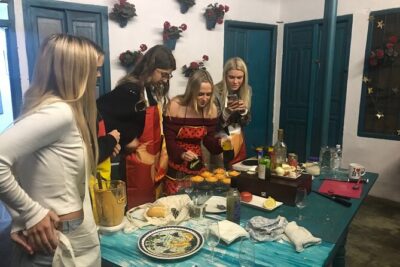
This class is built for real participation. It runs for about 3 hours with a small group (max 8) in a San Telmo home, led by hosts who’ve included Thomas, Sophia, and Maria. You’ll cook, snack as you go, and trade stories while you eat what you make—plus you’ll get the basics you need to recreate the results at home.
In This Review
- Key points before you go
- What You’ll Be Cooking in a Real San Telmo Home
- Empanada Dough, Fillings, and the Repulgue Seal
- Mate Service: The Argentine Tea Ritual You Actually Use
- Alfajores With Dulce de Leche: Where Cornstarch Changes Everything
- How the 3-Hour Structure Keeps You From Waiting Around
- Price and Value: Why $37 Can Be a Bargain
- Logistics That Matter (Without Making You Crazy)
- Who This Class Is Best For
- Should You Book This Buenos Aires Empanadas and Alfajores Class?
- FAQ
- How long is the Buenos Aires empanadas and alfajores cooking class?
- What do I make during the workshop?
- Does the price include mate and the meal?
- How big is the group?
- What languages are used during the class?
- Where is the meeting point?
Key points before you go
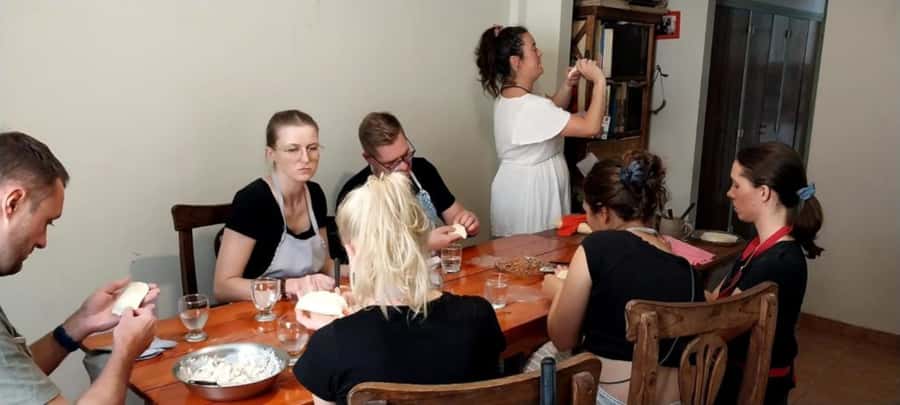
- Small-group, hands-on format: max 8 people, lots of time at the work stations
- Repulgue practice: you learn how to seal empanadas the classic way
- Mate ritual included: herb tea service is part of the lesson, not an afterthought
- Dulce de leche + cornstarch alfajores: you make the filling and cookies that define the treat
- Meat and vegetarian options: you can usually choose a veggie filling alongside a classic meat one
- Recipes afterward: many participants get instructions after the class, but it’s smart to confirm how you’ll receive them
What You’ll Be Cooking in a Real San Telmo Home
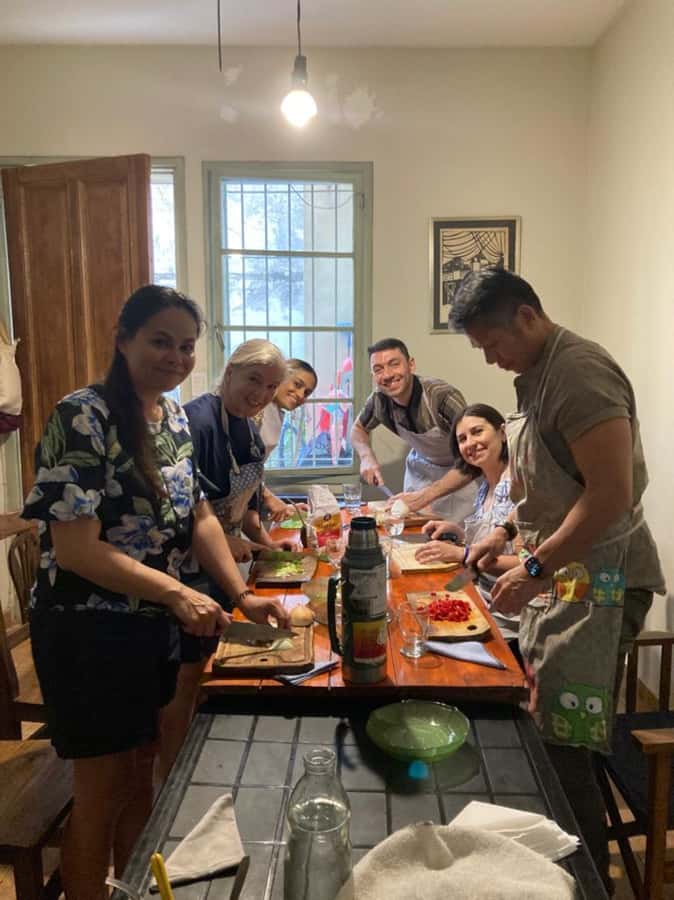
Buenos Aires food culture isn’t just about eating. This experience teaches you how the food is made, and that changes how you taste it afterward. You start in a real household setting in San Telmo, where you’re not watching from the sidelines. It’s more family kitchen than classroom.
You’ll work through two Argentine favorites:
- Empanadas: stuffed dough, sealed, then typically baked or fried (you’ll learn the approach used in the session)
- Alfajores: shortbread-like cookies built on cornstarch, filled with dulce de leche
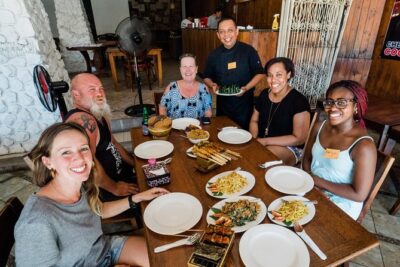
The included meal matters here. You’re not simply making food as a souvenir; you eat what you produce during the class. That’s a big part of why the workshop feels like dinner with a skill lesson folded in.
One practical note: the class language is Portuguese and English, so if you’re English-speaking, you should be set. The instructor is listed as Portuguese/English, and the hosts in past sessions have run the show in a friendly, explain-as-you-go way.
You can also read our reviews of more tours and experiences in Buenos Aires.

Empanada Dough, Fillings, and the Repulgue Seal
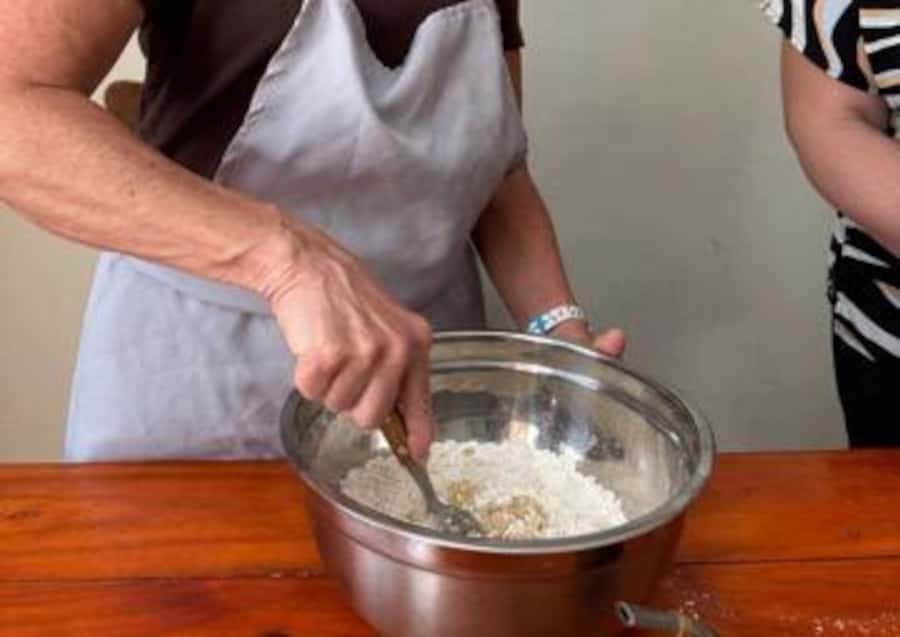
Empanadas are the star of the show, and the method is where you’ll notice the difference between a tourist version and a real one. In this class, you’ll learn step-by-step how to prepare the dough and fillings, then form and seal the empanadas properly.
The “repulgue” is the detail worth paying attention to. That crimped edge isn’t just decoration—it helps the filling stay put during cooking. When you learn that seal in person, you stop guessing at home later. It also gives you something you can actually practice. If you enjoy making dumplings, hand pies, or even pasta, this part clicks fast.
Fillings come in two flavors: you’ll make empanadas with classic options like meat, and you’ll also have vegetarian alternatives (the class content highlights a variety of fillings such as meat, ham and cheese, or vegetables). A common theme from feedback is that the instructions and pacing are good, but one downside shows up for some people: you might not get totally different empanada fillings across the whole class. If you’re hoping for variety like a tasting flight, it may be wise to ask what fillings you’ll be making when you book.
Timing tip: plan to stay focused during the shaping portion. Once your dough gets sticky or dry from waiting, you’ll work harder. Your host will guide you, but your best results come when you keep your hands moving during the build.
Mate Service: The Argentine Tea Ritual You Actually Use
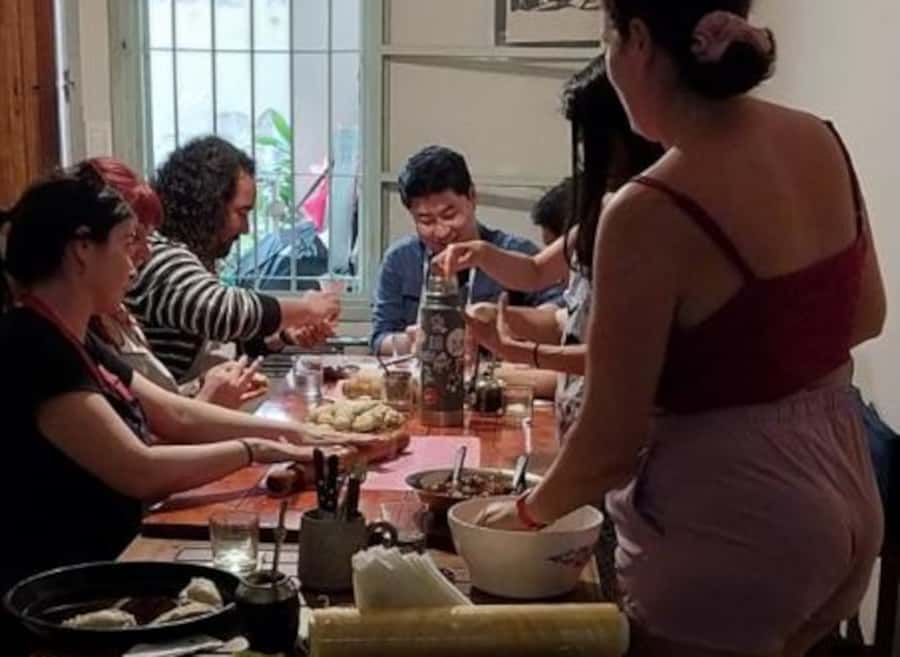
The mate moment is a big reason this class feels local instead of generic. You’ll learn the traditional method of preparing mate—an herbal tea ritual that’s part of daily life in Argentina.
This isn’t just a quick sip with a prop cup. The workshop includes mate, plus water, and you’ll get shown how it’s prepared and served. That matters because mate is one of those things where technique and timing shape the experience. You’ll also hear what makes it part of the culture while you’re still in the work mode of the kitchen.
If you’re the type who likes learning “how locals do it,” mate service will be one of your favorite parts. It also turns waiting time into something useful: while one group finishes a step, the mate ritual keeps things flowing and social.
Alfajores With Dulce de Leche: Where Cornstarch Changes Everything
Then you switch gears to alfajores, and this is where many people realize how different Argentine sweets can be from what they expected.
You’ll learn to make alfajores with the key building blocks:
- cornstarch-based cookies
- a creamy center made with dulce de leche
Alfajores sound simple until you get hands-on. In practice, the cookie texture and the assembly technique make or break the final result. You’ll learn how to prepare the cookies, then put them together with the filling so they hold their shape.
Since the class includes meal time, you’ll eat the alfajores you create, so you can judge the outcome right then and there. That’s ideal for learning: if something feels too soft or too dry, you can ask in the moment instead of trying to decode a mystery at home later.
How the 3-Hour Structure Keeps You From Waiting Around
A lot of cooking classes fail at one thing: they’re “hands-on” in the marketing, but you end up standing around. Here, the format is designed around active participation in a small group of up to 8.
That small size helps in two ways:
- You get closer coaching while you’re shaping dough and sealing edges
- Conversations stay real instead of drifting into background noise
You’ll work through ingredients prep, dough handling, filling, and final assembly. Hosts often keep energy high with humor and stories—something that comes through clearly in feedback about the atmosphere being warm and welcoming.
What you should keep in mind: some participants point out that instructions can be a touch less clear if you’re brand-new to cooking, so it helps to ask questions early. If you’re the cautious type, speak up right away when something feels confusing. These sessions tend to reward people who ask before they commit to a step.
Also note one comfort detail: you may eat from basic table setups (like napkins rather than formal plates). It’s not a deal-breaker, but if you hate messy finger food, you’ll want to embrace that empanadas are meant to be handled.
Price and Value: Why $37 Can Be a Bargain
At $37 per person for a roughly 3-hour workshop, the value comes from more than the finished desserts. You’re paying for:
- a small-group cooking environment
- guided technique (especially the seal and assembly steps)
- included ingredients, mate, water, and a meal
That combination is what keeps the price sensible. You’re not just buying food—you’re buying instruction, plus the social part of sharing the table afterward. Wine isn’t included, but it’s listed as available for purchase, which gives you an optional upgrade if that’s your style.
If you’re visiting Buenos Aires for a few days, this is also a strong rainy-day activity. You get a full evening plan that doesn’t depend on museum hours or weather, and you walk away with skills you can use again.
Logistics That Matter (Without Making You Crazy)
Meeting point is Paseo Colon 1355 in San Telmo. Plan to arrive at the class start time and ring the bell when you get there.
You’ll want to build in a little buffer time because Buenos Aires streets can feel slower than they look on a map—especially in San Telmo, where navigation and foot traffic can add minutes fast.
Other practical notes:
- The class is listed as wheelchair accessible
- The session is designed for small group participation
- You’ll likely be standing and working with your hands, so wear comfortable clothes and bring a calm mindset
One smart move: if recipes matter to you, confirm how you’ll receive them before the session ends. Some past participants have said it wasn’t straightforward to get the recipes later, even though recipe sharing is part of the experience. Ask your host directly about what you’ll get and how you’ll receive it.
Who This Class Is Best For
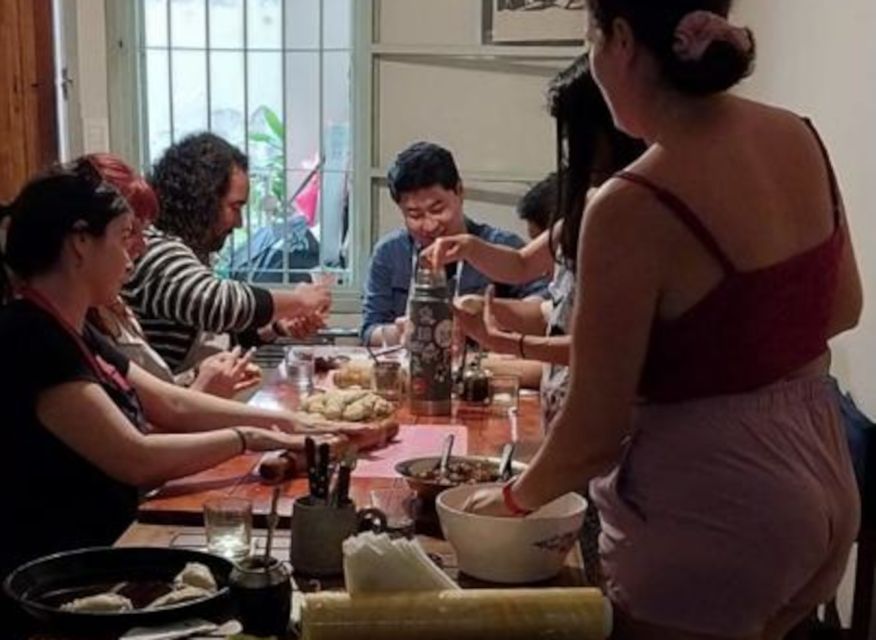
This is a great fit if you want Argentina through the kitchen, not through a lecture. It works especially well for:
- couples looking for an intimate activity
- solo travelers who want conversation at the table
- people who like learning a few real techniques they can repeat later
- families with teens, since the structure tends to keep everyone involved
It’s less ideal if you only want a quick snack. This is about making dough, shaping, and sealing—so you should expect to work a bit and pay attention.
Should You Book This Buenos Aires Empanadas and Alfajores Class?
I’d book it if you want a true Buenos Aires evening: real home-cooking energy, mate ritual, and hands-on technique that goes past tasting. The small-group size, the fact that you eat what you make, and the focus on signature details like the repulgue make the price feel fair.
Before you hit reserve, do two things:
- Ask what empanada fillings you’ll make so you know what variety to expect
- Confirm how you’ll get the recipes afterward if you care about recreating it at home
If those points check out, this workshop is one of the easiest ways to turn food into a real travel memory—one you’ll still feel when you make alfajores later.
FAQ
How long is the Buenos Aires empanadas and alfajores cooking class?
The class lasts 3 hours.
What do I make during the workshop?
You’ll learn to make empanadas and alfajores, including fillings with dulce de leche, plus preparing traditional mate.
Does the price include mate and the meal?
Yes. Mate, water, ingredients, and a meal are included.
How big is the group?
It’s a small group limited to 8 participants.
What languages are used during the class?
The instructor and class are offered in Portuguese and English.
Where is the meeting point?
Meet at Paseo Colon 1355 in San Telmo at the class start time, and ring the bell.