REVIEW · UBUD
PRIVATE Authentic Balinese Cooking Class in Ubud at Putu’s Home
Book on Viator →Operated by Traveling Spoon · Bookable on Viator
Cooking in a real Balinese family compound in Ubud. This private hands-on class with Putu turns a meal into a window on daily life, from the spices to the temple spaces your host explains. You’ll prepare a full Balinese spread together with her family in their own traditional home setting.
I love that the class is truly hands-on, not a demo, and that you use ingredients drawn from Putu’s own farm and rice-growing work. One possible consideration: the kitchen setup can be simple and outdoors, and it’s about 40 minutes from Ubud center, so plan your day with the travel time in mind.
In This Review
- Quick highlights
- Inside Putu’s ancestral compound: a cooking class that feels like a visit
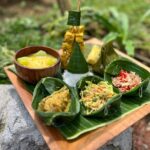
- Five Balinese dishes from scratch: fish, banana leaf parcels, curry and more
- The farm-to-spice lesson: rice fields, fruit, and traditional ingredients
- Balinese Hindu household details: temples, rooms, and the meaning behind it
- How the class timing really works with pickup and lunch/dinner
- What you eat after cooking: local alcohol, non-alcoholic drinks, and a real feast
- Price and value check: what $75 really buys you in Ubud
- Dietary needs and spice control: how flexible is it?
- Who should book Putu’s private Balinese cooking class in Ubud
- Should you book Putu’s Private Authentic Balinese Cooking Class in Ubud?
- FAQ
- What is the price per person?
- How long is the cooking class?
- Is pickup included?
- Do I choose lunch or dinner?
- What dishes will I cook?
- Is local alcohol included?
- Are vegetarian or vegan options available?
- What if someone in my group has allergies?
- Does this experience stay private for my group?
- Can I cancel for a full refund?
Quick highlights
- Private, family-run experience with Putu, her husband (Pasta), grandparents, and children involved
- Hands-on cooking of five dishes from scratch, with spice guidance so you can control heat
- Farm-to-plate ingredients including rice and seasonal fruits/produce from their property
- Balinese Hindu home temple context, with explanations of household layout and practices
- Lunch or dinner options that fit your schedule, plus included transport from Ubud
- Local alcohol (1–2 glasses) alongside non-alcoholic drinks with your meal
Inside Putu’s ancestral compound: a cooking class that feels like a visit
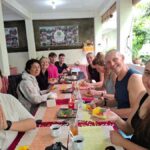
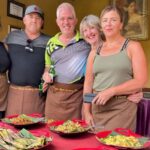
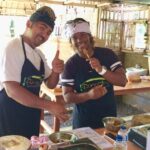
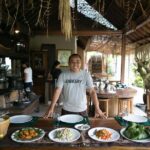
This is a private Balinese cooking class in Ubud that happens in Putu’s home in her ancestral village area. Instead of a classroom vibe, you’ll be folded into a working family space—welcome, instructions, cooking, then a meal together.
Why it matters for you: cooking here teaches flavors in context. You don’t just learn a recipe; you learn how Balinese households think about ingredients, ceremonies, and everyday rhythms. Putu shares that with humor and patience, which makes the cultural side feel natural rather than forced.
It also helps that you’re not squeezing in with strangers. This is only your group, so questions don’t get swallowed by the noise of a large tour setting.
You can also read our reviews of more tours and experiences in Ubud.
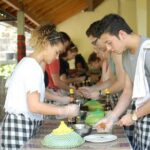
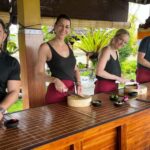
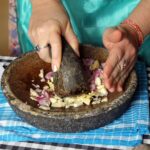
Five Balinese dishes from scratch: fish, banana leaf parcels, curry and more
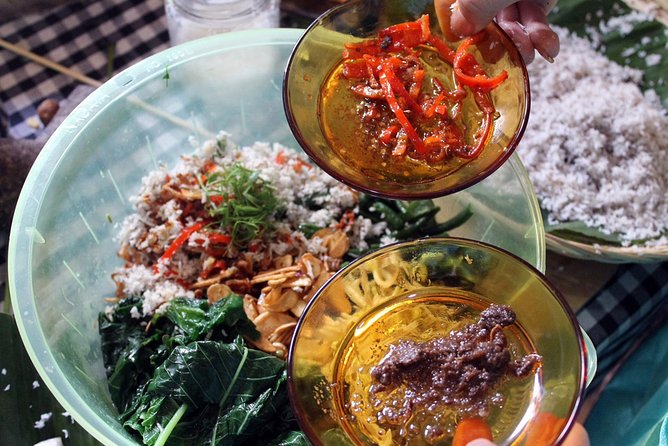
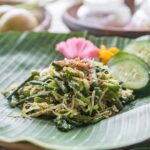
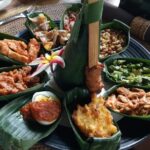
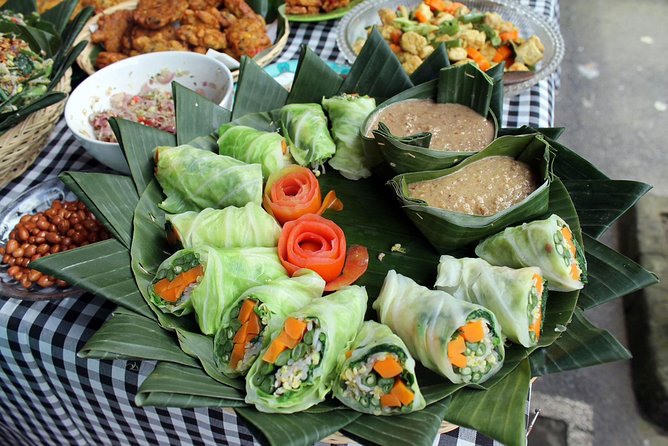
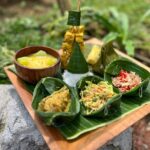
The class centers on making five authentic dishes together. You can expect things like grilled fish, banana leaf parcels, and curry, but the exact lineup may shift by season.
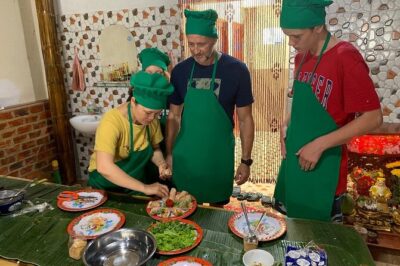
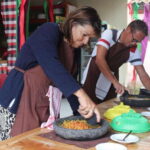
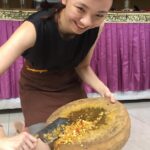
What I like about this structure is pacing. You’ll spend time at the cutting board, then at the mortar and grill, then at the stove—so you get multiple techniques, not just one “chop and stir” lesson. Reviews also point to traditional methods such as steaming rice over a wood-burning setup and grinding ingredients by hand for sauces or satay-style preparations.
A practical tip: tell Putu your spice comfort level early. People who have done this before mention she’s willing to help adjust heat so you can learn without turning your mouth into a battlefield.
The farm-to-spice lesson: rice fields, fruit, and traditional ingredients
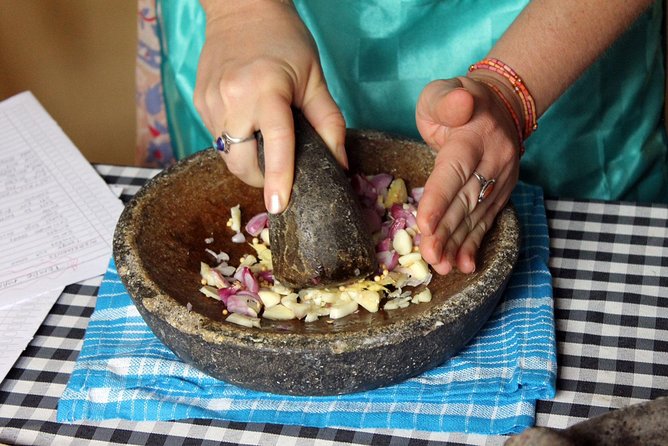
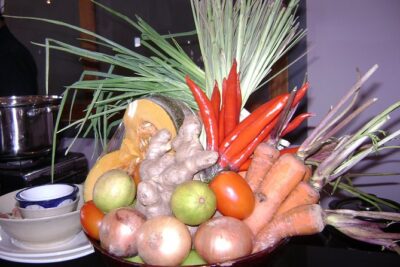
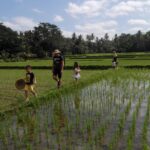
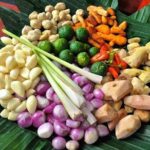
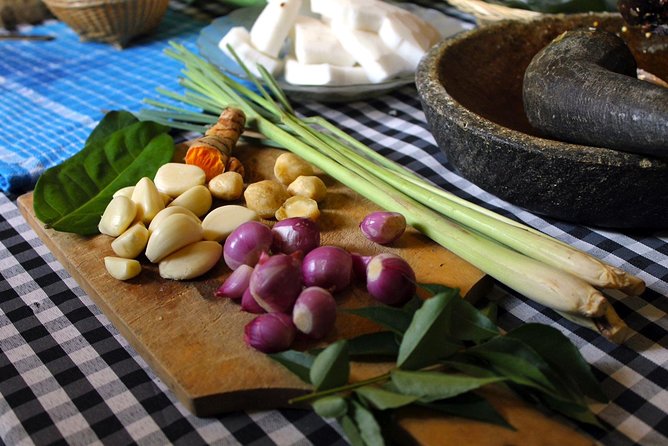
Food tastes different when it’s tied to where it comes from. Putu explains the spices she uses and how her family works with ingredients from their own farm—rice from her grandparents’ rice farming, plus seasonal produce grown in the compound area.
You’re not just shown plants. You’ll get a sense of which ingredients matter and why—like how specific spices are used for flavor and how some traditional Balinese ingredients are described as having healing properties. That adds a layer beyond taste, especially if you like understanding what you’re eating and why people trust certain methods.
From a value standpoint, this farm focus is a big part of what you pay for. A typical cooking class can be pretty “recipe-based.” This one anchors the recipes in the family’s actual food system.
Balinese Hindu household details: temples, rooms, and the meaning behind it
One of the best surprises here is how much you learn about a Balinese household. Putu walks you around the home compound and explains the sections of the family temple and living areas, including what they mean in everyday life.
This is where the class stops being only about food. You’ll hear context about Balinese Hinduism at the household scale—how spaces are used, why certain practices happen, and how the family view their surroundings. In at least some weeks, Putu also mentions ceremonies that are happening during your visit, so your lessons connect to real-time life.
If you’re the type of traveler who likes small, human details, this portion usually lands well. The family isn’t doing a performance. They’re explaining their home.
How the class timing really works with pickup and lunch/dinner
The experience runs about 3 hours total, with the cooking lesson itself lasting about 1.5 hours. You’ll also have time for a warm welcome, a tour of the compound and food areas, cooking, and then sitting down to eat everything you made.
You can choose lunch or dinner, which is great because Ubud days can be packed. Dinner bookings also get extra care around lighting and setup once it’s dark, so it’s not a “wait until night and fumble for tools” situation.
Pickup is offered from your Ubud hotel area with round-trip private transfers. One review note to file away: Putu’s pickup and drop-off coordination is often handled via WhatsApp, so it’s smart to have that app installed before you go.
Also note the distance. One review mentions the kitchen location is about 40 minutes from Ubud center, so don’t book a tight dinner reservation immediately after unless you like stress as an ingredient.
What you eat after cooking: local alcohol, non-alcoholic drinks, and a real feast
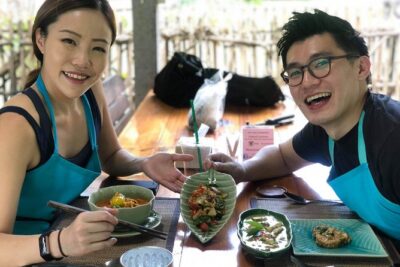
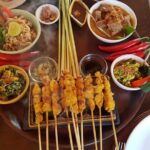
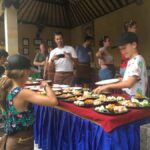
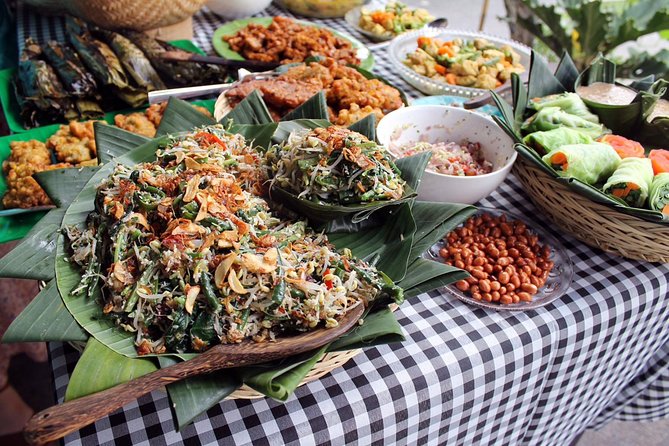
After you finish cooking, you eat a shared meal of everything you prepared. This is the payoff: you get to taste your work in a setting where the family expects you to slow down and enjoy.
Included with the meal is local alcohol (1–2 glasses), plus non-alcoholic beverages. If alcohol isn’t your thing, you can still enjoy the feast—just be clear about your preference ahead of time.
Menu variety can happen based on season. So if you’re chasing a specific dish, treat the overall “five-dish Balinese feast” as the main promise, not a guarantee of one exact recipe every single day.
A couple extra touches that show up in reviews: some people are sent home with leftovers and also receive a recipe book. That’s a nice souvenir that’s more useful than a magnet.
Price and value check: what $75 really buys you in Ubud
At $75 per person, the value mostly comes from three things you don’t always get at other cooking experiences:
1) Private, family-hosted instruction
You’re not sharing a cooktop with a dozen people. Your questions can get answered. Your spice level can get adjusted. Your dishes can be guided through step-by-step.
2) Transport and meal included from Ubud
The price includes round-trip transport from Ubud hotels, plus taxes, fees, and handling charges, and even gratuities. That’s a big deal in Bali where add-ons can quietly stack up.
3) A full meal worth of work
You’re making five dishes, then eating them, not watching your host do all the hard labor. The meal is part of the lesson.
One consideration for your budget planning: if you’re staying outside Ubud, there’s an extra transportation charge. So always check how far you are from the Ubud pickup area.
Dietary needs and spice control: how flexible is it?
If you have dietary restrictions, this is one of the more workable classes to consider. Putu offers vegetarian and vegan options, and you should advise any needs at booking.
For allergies or strong cooking preferences, the guidance is straightforward: tell Putu in advance. Since you’ll be cooking together, advance information helps keep the process smooth.
On spice, the class is practical. You’ll learn Balinese flavor building blocks, then adjust heat to your comfort level. Reviews mention you can work with your host so your food stays enjoyable, not just instructional.
Who should book Putu’s private Balinese cooking class in Ubud
Book this if you want a food experience that’s also cultural without feeling like homework. It’s a strong fit for people who:
- love hands-on cooking and don’t mind using tools and techniques up close
- want farm-connected ingredients and real household context
- prefer a private setup and clear, friendly instruction
- travel with family members of different ages (one review described a wide age range and said everyone stayed engaged)
Skip it if your main goal is quick, polished restaurant-style flavors with zero cultural context. This class gives you the story behind the meal, plus the temple-and-household explanations. If that’s not your interest, you may feel slightly “on the lesson track” more than you expected.
Also consider the kitchen environment. Expect something functional and home-based rather than ultra-modern. It’s part of the authenticity, but it’s worth knowing upfront if you’re picky about indoors-only cooking.
Should you book Putu’s Private Authentic Balinese Cooking Class in Ubud?
I think you should book it if you value a real meal, a real household, and a lesson you can actually repeat at home. The combination of farm-based ingredients, five-dish cooking, and cultural explanations tends to create the kind of trip memory that lasts longer than restaurant meals.
Do it especially if you’re visiting Ubud and want something that feels off the main drag—without sacrificing comfort. With pickup from Ubud, built-in transport, and a complete meal included, it’s also easier to plan than many “go here, find this, wait for that” experiences.
If you’re short on time, the trip length and the ride from central Ubud might feel like a trade-off. But if you can spare those hours, this class is one of the most direct ways to taste Balinese cooking while understanding the family behind it.
FAQ
What is the price per person?
The price is $75.00 per person.
How long is the cooking class?
The cooking lesson is about 1.5 hours, and the total experience is approximately 3 hours.
Is pickup included?
Pickup and round-trip private transfers are included from Ubud hotel locations. If you’re outside Ubud, there is an additional transportation charge.
Do I choose lunch or dinner?
Yes. You can choose between a lunch class or a dinner class to fit your schedule.
What dishes will I cook?
You’ll prepare five authentic Balinese dishes, such as grilled fish, banana leaf parcels, or curry. The exact menu can vary by season.
Is local alcohol included?
Yes. The meal includes local alcohol (1–2 glasses), along with non-alcoholic beverages.
Are vegetarian or vegan options available?
Yes. Vegetarian and vegan options are available if you advise the host when booking.
What if someone in my group has allergies?
You should tell the host at booking about allergies, dietary restrictions, or cooking preferences so the menu can be adjusted appropriately.
Does this experience stay private for my group?
Yes. It’s a private, personalized experience with only your group participating.
Can I cancel for a full refund?
Free cancellation is available up to 24 hours in advance for a full refund, based on local time.