REVIEW · UBUD
Ubud: Cooking Class with Transfers and Optional Market Visit
Book on GetYourGuide →Operated by Ubud Costume Dress · Bookable on GetYourGuide
Spice smells and food stories start fast in Ubud. I love the market tour on the morning option, because you learn what goes into the dishes before you cook. I also love the small group setup (up to 10), so your questions don’t get lost in the crowd. One watch-out: this is hands-on cooking, so expect real prep work like chopping and mixing spices, not just sitting back.
The whole experience runs about 2–3 hours, with an English live guide and an English audio guide. If you choose morning or afternoon, hotel pickup and drop-off in Ubud Center are included, and you’ll finish by eating the meal you helped make.
In This Review
- Key things you’ll notice right away
- Ubud Cooking Class for About $21: Real Value or Tourist Trap?
- Transfers and the Parking-Field Meeting Point
- Market Tour in Ubud (Morning Only): Picking Ingredients Like a Local
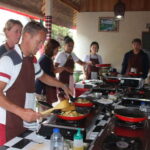
- The Cooking School Experience: Curries, Satay, and Dessert in One Session
- The Chefs and Teaching Style: From Eri to Made to Madi
- The Balinese Cultural Layer: Offerings, Religion, and Food Meaning
- Dinner at the Table: The Meal Is the Point
- Who This Class Suits Best (And Who Might Skip It)
- Sebali or Keliki Area Extra Fee: What to Plan For
- Should You Book This Ubud Cooking Class With Transfers and Market Time?
- FAQ
- Is the Ubud market visit included?
- How long is the cooking class?
- Does the price include transfers and a meal?
- How big is the group?
- Is there an extra fee for Sebali or Keliki?
- What languages are used?
Key things you’ll notice right away
- Market-first morning option: you choose ingredients with your guide before hitting the kitchen
- Small group energy: limited to 10 participants, so you stay involved
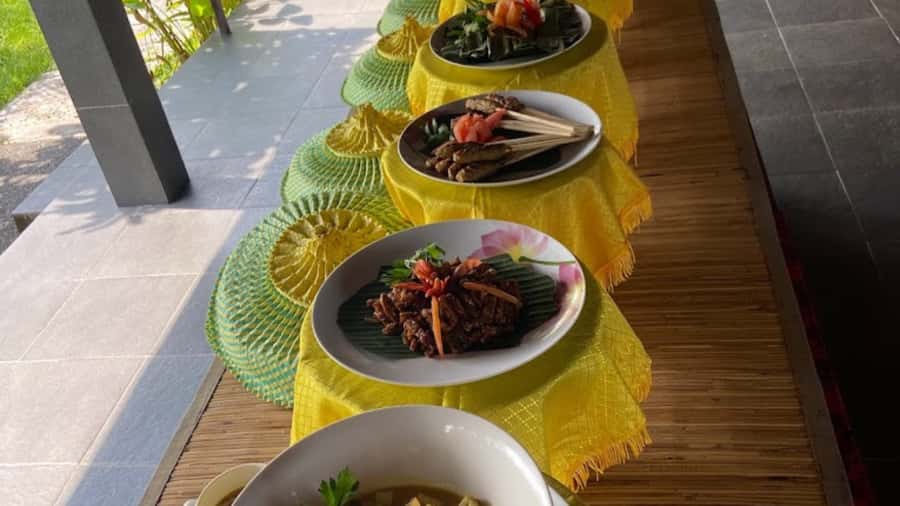
- Multiple dishes, not one recipe: you cook a full spread, usually including curries, satay, and dessert
- Hands-on techniques: spice blending, chopping, and cooking steps you can repeat at home
- Cultural context while you cook: dish meaning, offerings, and Balinese food traditions come up naturally
- A finished meal + certificate: you eat together at the end and get a completion certificate
Ubud Cooking Class for About $21: Real Value or Tourist Trap?
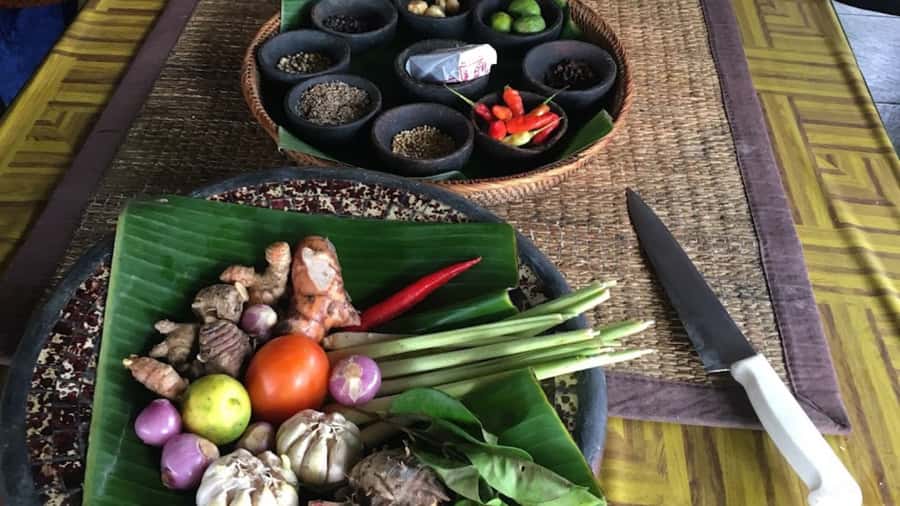
At around $21 per person, this class is priced like a budget-friendly activity, but it doesn’t feel skimpy. You’re not paying just for entertainment. You’re paying for a guided market (morning option), a cooking session, and a meal that’s part of the experience.
The value gets even better because the class is small. A group capped at 10 means you can actually learn the steps, not just wave from the edge of the kitchen. In many recent sessions, people came away feeling they cooked enough to remember the process and flavors, not just “tasted a few things.”
The other value point is that you’re guided by locals who connect food to everyday Balinese life. You’re making dishes like curry and satay, but you’re also hearing what ingredients represent and why certain steps matter. That’s what turns a cooking class into a short cultural lesson you can carry home in your head.
You can also read our reviews of more tours and experiences in Ubud.
Transfers and the Parking-Field Meeting Point
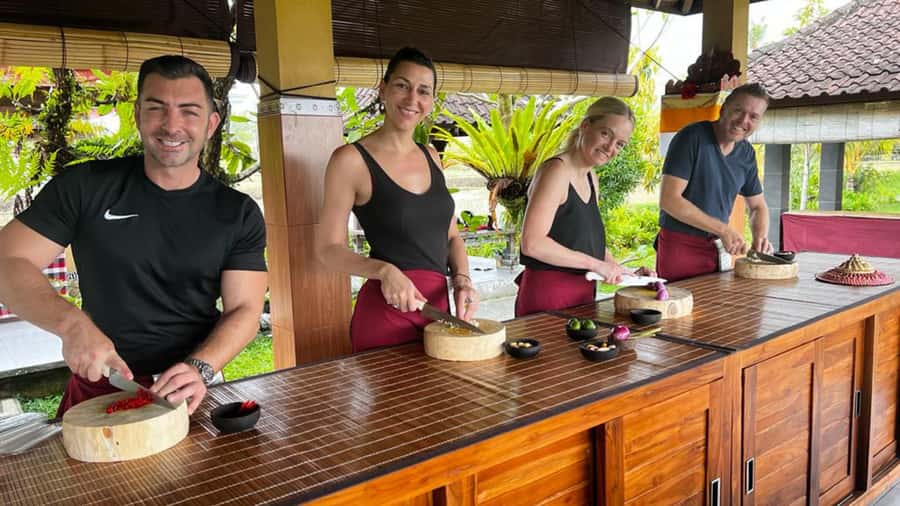
Ubud traffic can be its own boss, especially after dark. That’s why the meeting point can shift depending on the option you book. The provided meeting point is the Parking Field, specifically because night traffic is tough.
If you choose a morning or afternoon option, hotel pickup and drop-off at Ubud Center are included. Pickup is described as optional too, with instructions to wait in your hotel lobby. So if your hotel is outside the easy pickup zone, you may need to plan on meeting at the designated point.
Two practical tips:
- Confirm where your pickup actually happens based on your option time, not just your hotel name.
- If you plan to leave the class and explore more after, pick a time that avoids the worst traffic window for your route back.
Market Tour in Ubud (Morning Only): Picking Ingredients Like a Local
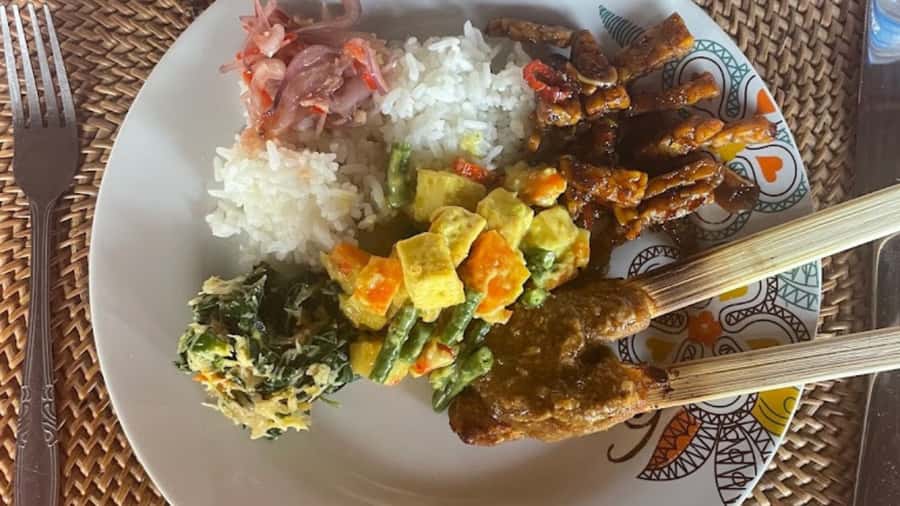
If you book the morning option, you get a market visit with your guide before cooking. This is one of the best parts of the experience because it changes how you cook later. Instead of following a recipe blindly, you learn what fresh produce and spices look like in real life.
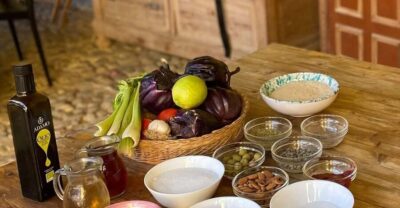
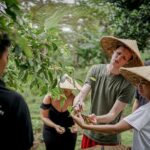
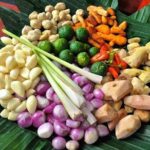
During the market stop, you’ll walk stalls with fruits, vegetables, herbs, and spices. Your guide helps you identify indigenous ingredients and explains how they show up in Balinese flavors. And you’ll get to choose what you’ll cook with, based on freshness.
A useful detail: personal expenses aren’t included. Markets can tempt you fast. If you want to buy snacks, fruit, or spice blends, bring a little extra cash and don’t assume it’s part of the $21 price.
Also note what the market visit trains your brain to do. You start noticing:
- which spices look and smell sharp versus mild
- how herbs are used as fragrance and flavor
- why some ingredients are staples in Balinese cooking
By the time you reach the kitchen, you’ll already understand why certain dishes taste the way they do.
The Cooking School Experience: Curries, Satay, and Dessert in One Session
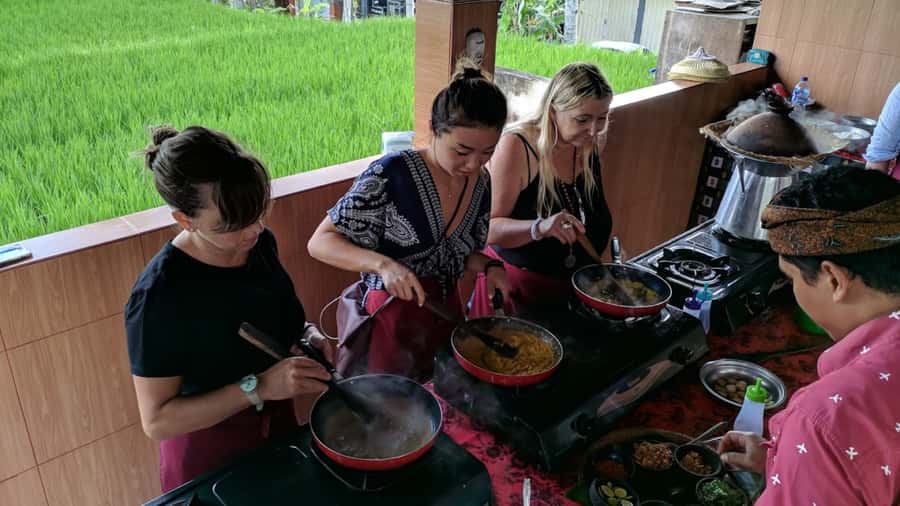
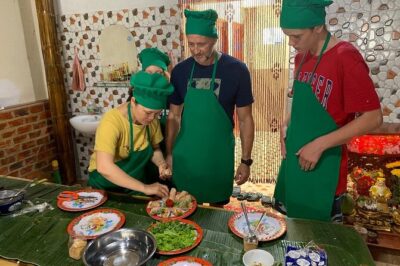
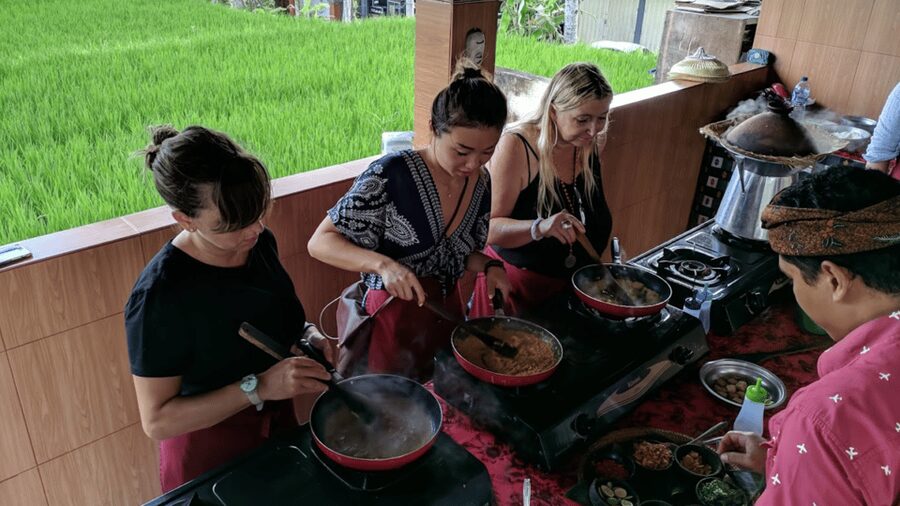
After the market (morning) or directly at the kitchen (other options), you’ll go to a cooking school with local chefs. The setup is designed for small-group participation, with lots of instruction while you work.
Most sessions focus on several classic Balinese dish styles:
- Fragrant curries: spice blending and cooking steps that build flavor
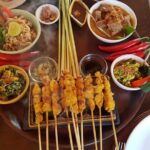
- Satay: savory skewered components and proper seasoning steps
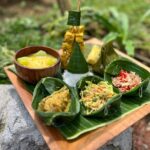
- Desserts: sweet finish items, with examples from recent classes including sweet tempeh and pancakes
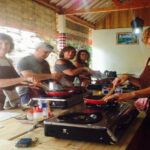
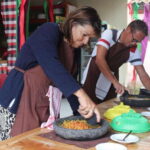
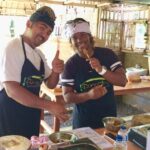
One thing I like about this format is the balance between teamwork and individual tasks. People reported that everyone gets involved, whether it’s chopping, mixing spices, or assisting with cooking steps. You’re not left waiting for the chef to do everything, and you’re not thrown into chaos either.
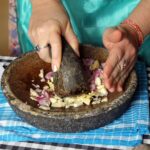
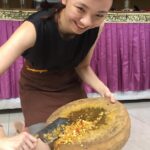
You’ll also learn techniques passed down through generations, especially around grinding, combining spices, and getting the right texture. Even if you’ve cooked before, the methods matter here because Balinese flavor comes from how ingredients are treated, not just what they are.
Language support is included:
- English live tour guide
- English audio guide
So if you’re the type who learns better with both listening and reference, this helps.
The Chefs and Teaching Style: From Eri to Made to Madi
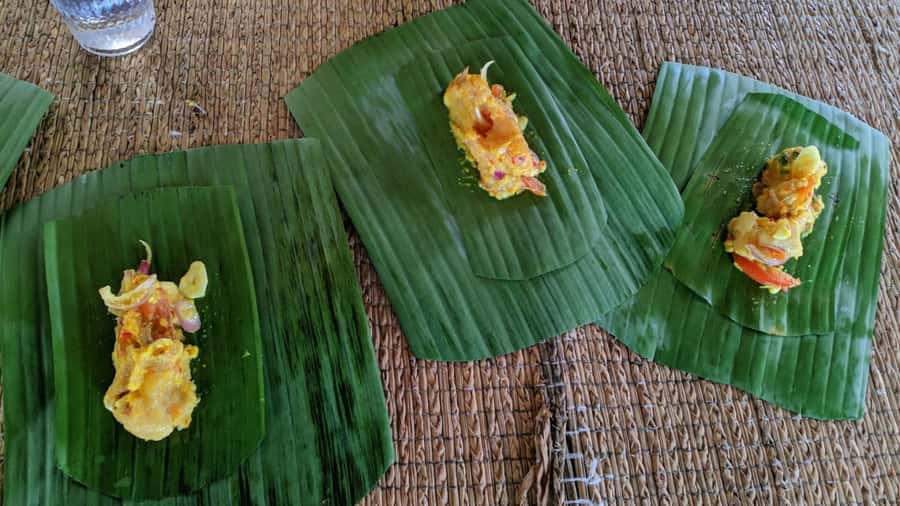
A lot of the positive feedback in recent bookings points to the teaching style and the chefs behind it. Names that came up include Eri, Made, and Madi, and people praised the way instruction stayed clear and patient while still moving at a good pace.
What that means for you: you’ll likely get guidance that matches the way most people actually learn. You don’t just get a recipe. You get the “why” behind steps, plus time to do it yourself.
Some classes also follow a family-house feel, with hosts welcoming you before moving into the cooking area. That’s not guaranteed for every session, but it’s part of what makes this feel more personal than a factory-style cooking demo.
The Balinese Cultural Layer: Offerings, Religion, and Food Meaning
This class isn’t only about taste. It’s about how Balinese food connects to belief, family life, and daily rituals.
In several recent sessions, people mentioned making a canang offering, with the guide explaining its cultural significance. Other bookings described an offering box tied to the Galungan festival, including how people create and use these offerings. Even if your session doesn’t include the exact same ritual item, you should expect the guide to connect cooking steps to local tradition.
You may also hear about:
- Balinese religion and why certain ingredients and food choices matter
- family and architecture around how people live
- traditions that shape cooking styles
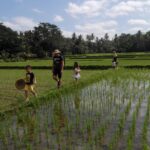
One review also mentioned a rice-focused stop, where the chef explained how rice is grown. If your option includes that kind of added context, you’ll get a bigger picture of where ingredients begin, not just how they end up on your plate.
Dinner at the Table: The Meal Is the Point
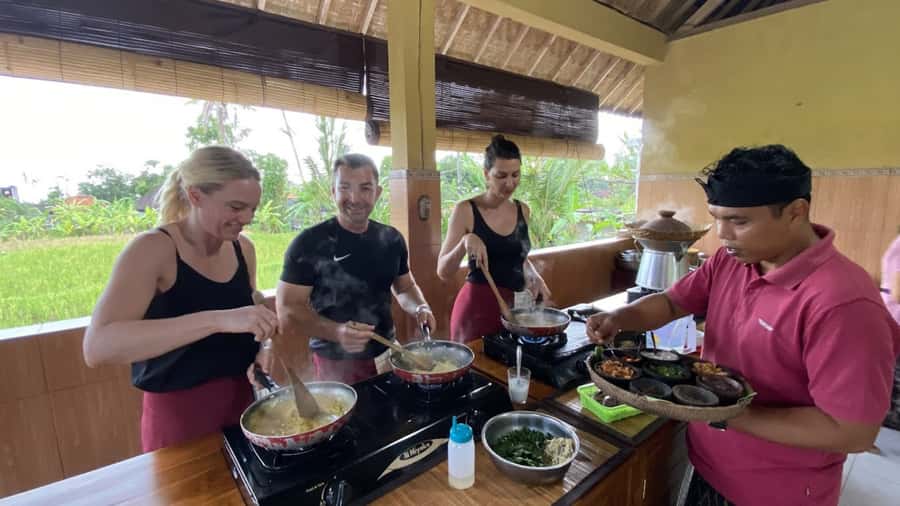
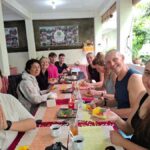
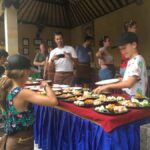
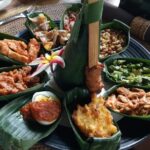
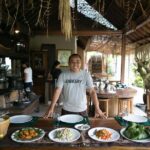
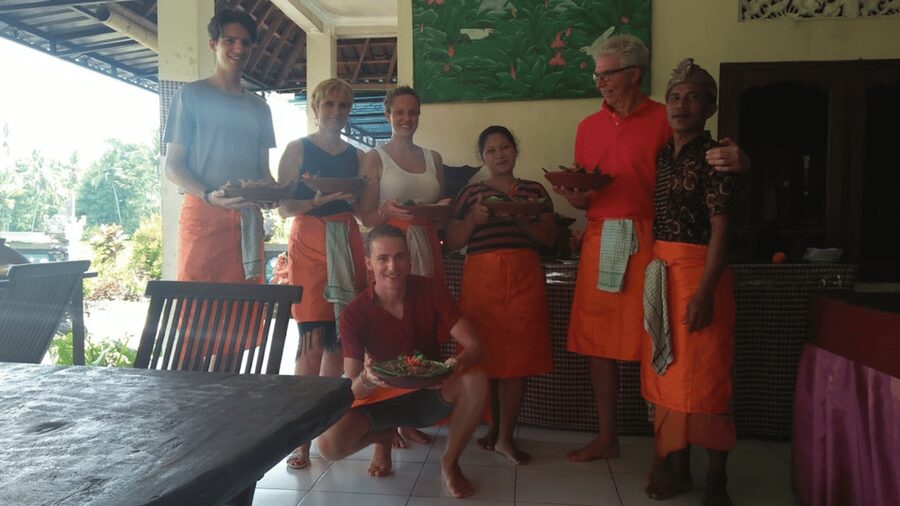
The best part, hands down, is that you eat what you cook. After finishing your dishes, you gather around the table and share the meal with your group.
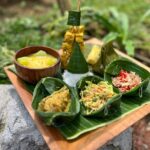
People described it as a feast with a buffet-style spread. And the dish count often lands around 10 dishes, depending on the flow that day. Even when you think you’re not a “cooking class” person, this is the moment that changes your mind. You’re sitting down with food you made from scratch, not something pre-plated by someone else.
Dessert is typically part of the meal too. From recent classes, sweet items included options like sweet tempeh and pancakes. If you’re craving a well-rounded finish, this class usually delivers.
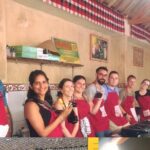
The social element also matters. You’ll share stories with other food lovers while you eat. With the small group size, conversation doesn’t feel forced, and you can compare notes on what you liked best and what you want to try again later.
Who This Class Suits Best (And Who Might Skip It)
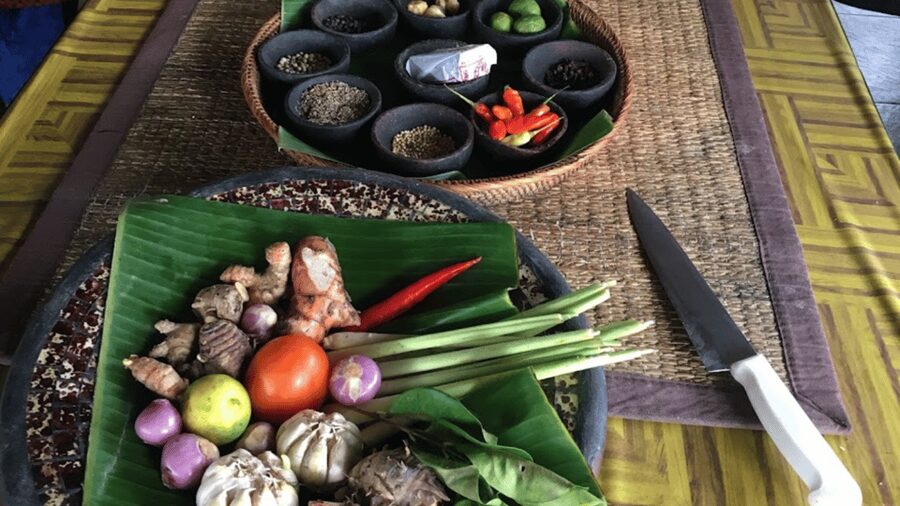
This works well if you:
- want an active experience in Ubud (not just sightseeing)
- enjoy learning ingredient basics, not just following steps
- like food that carries cultural meaning
- have dietary needs and want options explained during the class
Dietary support came up in recent bookings, including vegetarian alternatives and substitutions for certain ingredients. One person even noted options like rice flour for pancakes, showing the class can adapt when needed.
You might want a different plan if:
- you hate hands-on chopping and spice handling
- you want a purely observational experience
- you’re very short on time and can only fit in one quick activity
If your goal is quick photos and minimal effort, this may feel like work. But if your goal is to leave knowing how Balinese cooking really works, it’s a strong pick.
Sebali or Keliki Area Extra Fee: What to Plan For
There’s an added cost if you’re picked up from the Sebali or Keliki area. The information provided says it costs extra 50.000 per person.
This can matter if you’re staying outside central Ubud. Before you book, check your hotel location and confirm whether your pickup falls under Ubud Center or the Sebali/Keliki surcharge area. It’s the one pricing surprise you can actually plan around.
Should You Book This Ubud Cooking Class With Transfers and Market Time?
Book it if you want a short, high-satisfaction experience that mixes cooking with real cultural context. The small group size, the English guide support, and the fact that you eat the meal you made all point to a class that respects your time.
Choose the morning option if you want the extra layer of ingredient learning from the Ubud market. Choose the other option if you’d rather keep mornings free or your schedule is tight, while still getting the cooking and meal portion.
My decision rule is simple:
- If you’re hungry for hands-on Balinese cooking and want to understand why dishes taste the way they do, this is an easy yes.
- If you want a low-effort activity or hate prep work, pick something else.
FAQ
Is the Ubud market visit included?
Yes, the market tour is included if you select the morning option. It is not included on other options.
How long is the cooking class?
The duration is listed as 2–3 hours.
Does the price include transfers and a meal?
Hotel pickup and drop-off at Ubud Center are included for morning or afternoon options, and the meal is included as part of the experience.
How big is the group?
It’s a small group with a limit of 10 participants.
Is there an extra fee for Sebali or Keliki?
Yes. If the class requires pickup in the Sebali or Keliki area, there is an extra 50.000 per person.
What languages are used?
The live guide is in English, and the included audio guide is also in English.