REVIEW · MARRAKESH
Marrakech: Moroccan Cooking Class for vegetarians and vegan
Book on GetYourGuide →Operated by Cooking class with chef Fatima · Bookable on GetYourGuide
Tagines beat most cooking classes in Marrakech. This vegetarian and vegan Moroccan cooking class brings you to a chef’s private home in the Medina, where you learn by doing—not just watching.
I especially loved the spice education—you taste and learn what you’re smelling and why it matters in Moroccan food. I also liked that the class is hands-on all the way through, and then you eat what you cooked together with the chef’s family.
One thing to keep in mind: the meeting spot (next to Andalusia restaurant) can be tricky to find in the back-street maze, and some classes may be mixed with meat cooking in the same group—usually managed with separation, but it’s worth being clear about your needs.
In This Review
- Key things to look for
- The Medina start: meeting the chef next to Andalusia
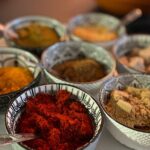
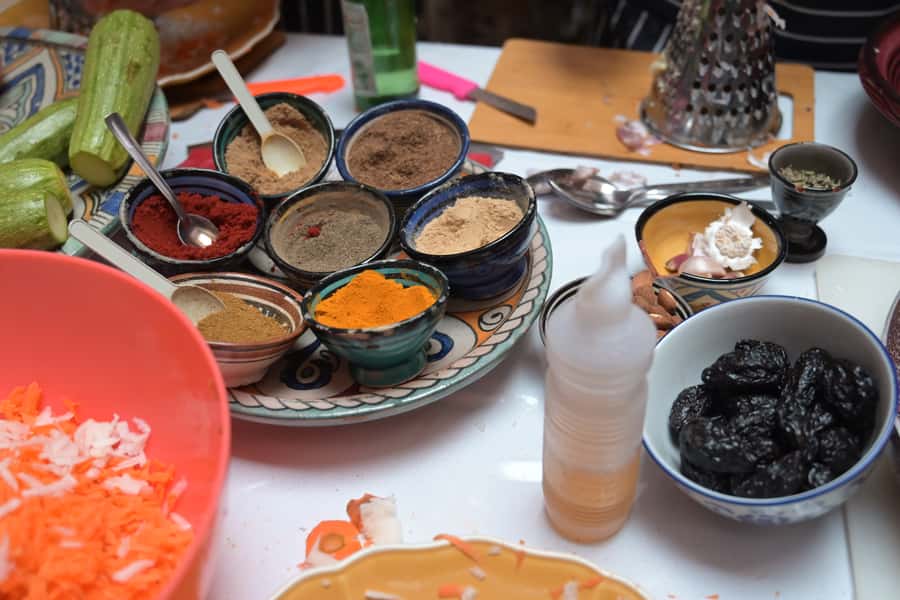
- First lesson: Moroccan spices you can actually recognize
- Cooking in a private Moroccan home: tea, family talk, and a terrace pace
- What you cook: starter, main, and dessert (vegetarian and vegan friendly)
- Starter options
- Main dish options
- Dessert
- Vegetarian and vegan reality check: how it’s handled during cooking and eating
- Souvenir value: recipe help and optional spice shopping
- The meal at the end: why it feels better than restaurant eating
- Price and time: is $30 for four hours good value?
- Logistics that matter: timing, language, and finding the door
- Who this class fits best (and who should double-check)
- My honest call: should you book this Moroccan cooking class?
- FAQ
- How long is the Moroccan cooking class?
- Where do I meet the chef?
- Is transport included?
- What kind of food will we cook?
- Is this class suitable for vegetarians and vegans?
- What languages are offered during the class?
- Do we eat what we cook?
- Are recipes provided after the class?
- What is the cancellation policy?
Key things to look for
- Spice-by-spice guidance so you can buy better blends in the souks
- Hands-on prep and cooking for starters, mains, and dessert
- Vegetarian and vegan accommodation handled during the lesson and on the plate
- A real family-home welcome with tea/coffee/juice and conversation
- You eat together at the end, with a serious feeling of I made this
The Medina start: meeting the chef next to Andalusia
This class starts in the Medina zone, at a practical meeting point: next to Andalusia restaurant. The chef meets you 30 minutes before the stated time, which is helpful in Marrakesh because street logic is more suggestions than rules.
In real life, you might need to slow down and plan on a little zig-zagging before you find the door. A couple of past participants described the meeting point as confusing even for taxi drivers, and one mentioned having to call for assistance to get through the final turns. My advice: if you’re on a tight schedule, give yourself buffer time and be ready to show the meeting pin to your driver or your phone map.
Once you’re located, you’re not left standing around. The chef leads you into the experience and sets expectations right away—menu suggestions first, then the ingredients talk, then cooking.
You can also read our reviews of more tours and experiences in Marrakesh.

First lesson: Moroccan spices you can actually recognize
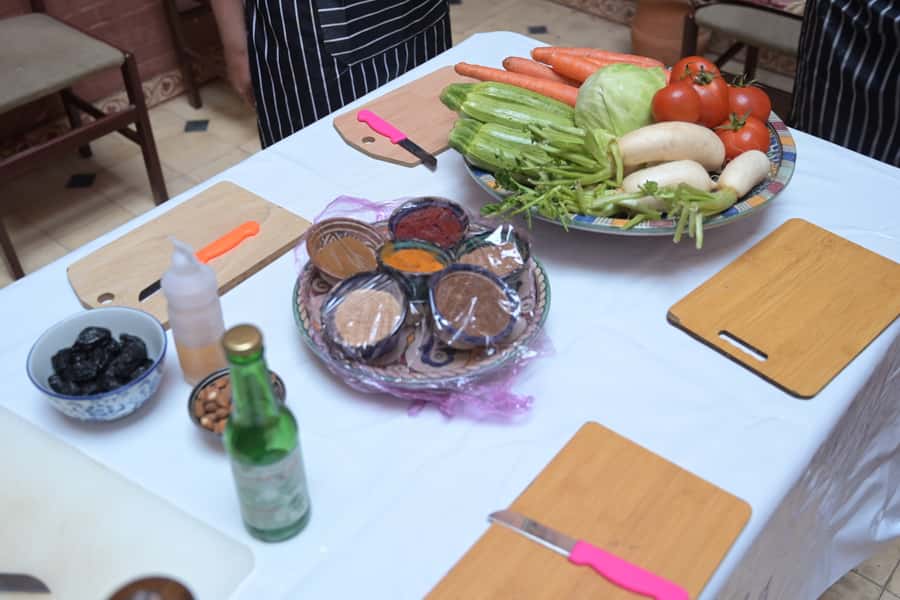
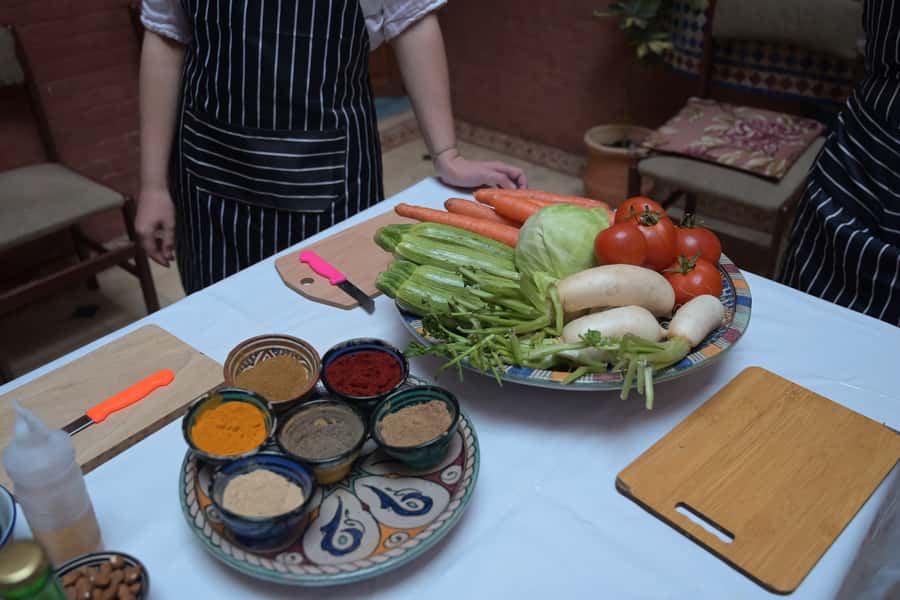
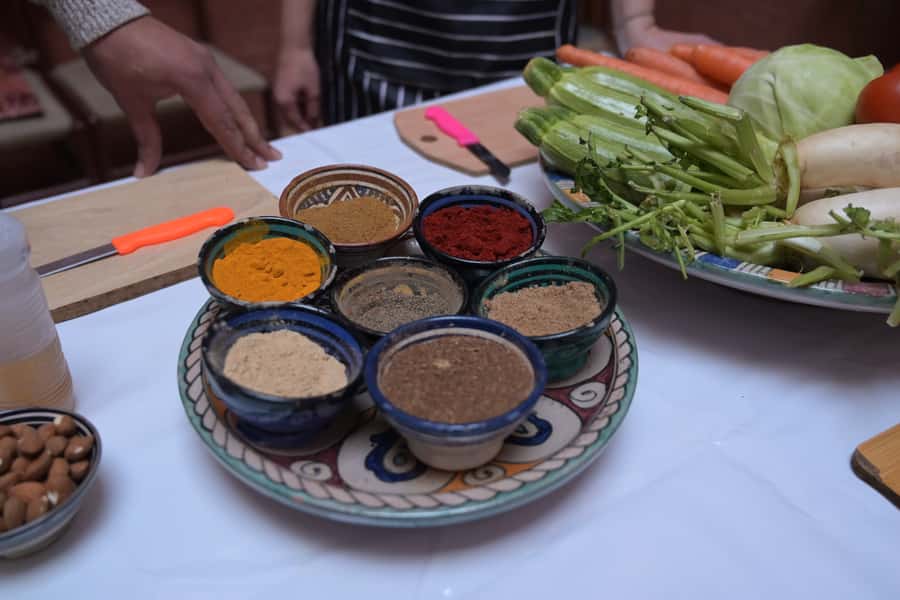
Before you step into chopping mode, you get a focused intro to Moroccan flavors. The chef explains the spices you’ll taste in the dishes and how they fit together. If you’ve ever eaten tagine and wondered why it tastes like Morocco but can’t name the components, this is the moment where it clicks.
What I like here is the connection to real shopping. You’re told what spices you can taste and how you might choose them if you want to buy blends from the souks. One strong review detail: the spices used were described as homemade mixes made by the host family, and that kind of origin story matters—you’re not just learning recipes, you’re learning flavor sources.
If you’re the type who wants to recreate the dishes later, pay attention to how the chef uses spice beyond just sprinkling. Even without a chemistry lecture, you learn what to look for in the aroma and what the mix is trying to do on the palate.
Cooking in a private Moroccan home: tea, family talk, and a terrace pace
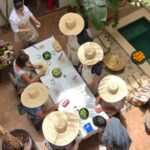
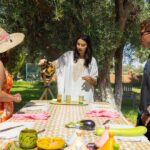
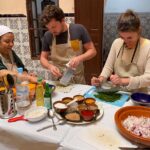
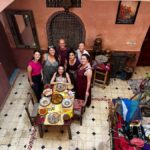
After the initial prep and ingredient explanation, you head to an authentic Moroccan house in the Medina. Past classes were described as feeling like being welcomed into a family home, not a rented demo kitchen.
You’ll be greeted with Moroccan tea, coffee, or juice, and then there’s open conversation with the chef’s family. This part is less about technique and more about context. You start to understand how food sits in everyday life: timing, portion style, and the calm way Moroccan hospitality shows up when the kitchen gets busy.
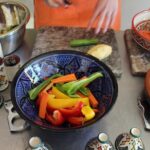
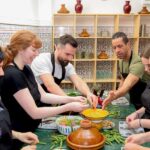
Cooking is typically done outdoors or semi-outdoors depending on the property layout—some participants specifically mentioned cooking on a rooftop patio/terrace setting. That matters because it changes the vibe. You’re not stuck in a windowless room; you’re in Marrakesh, with spice aromas drifting while you chop, stir, and learn.
What you cook: starter, main, and dessert (vegetarian and vegan friendly)
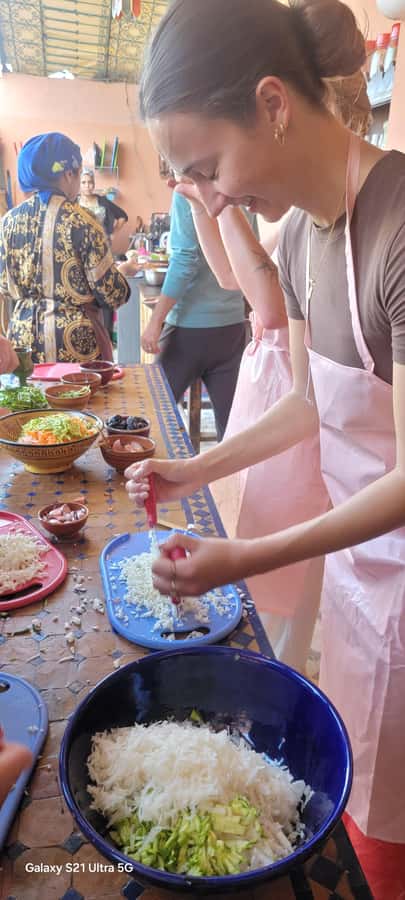
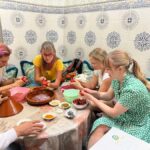
The class structure is clear and satisfying: starter, main dish, and dessert. You’ll get the ingredients and everything you need for the recipes. You can also take pictures if you want.
Starter options
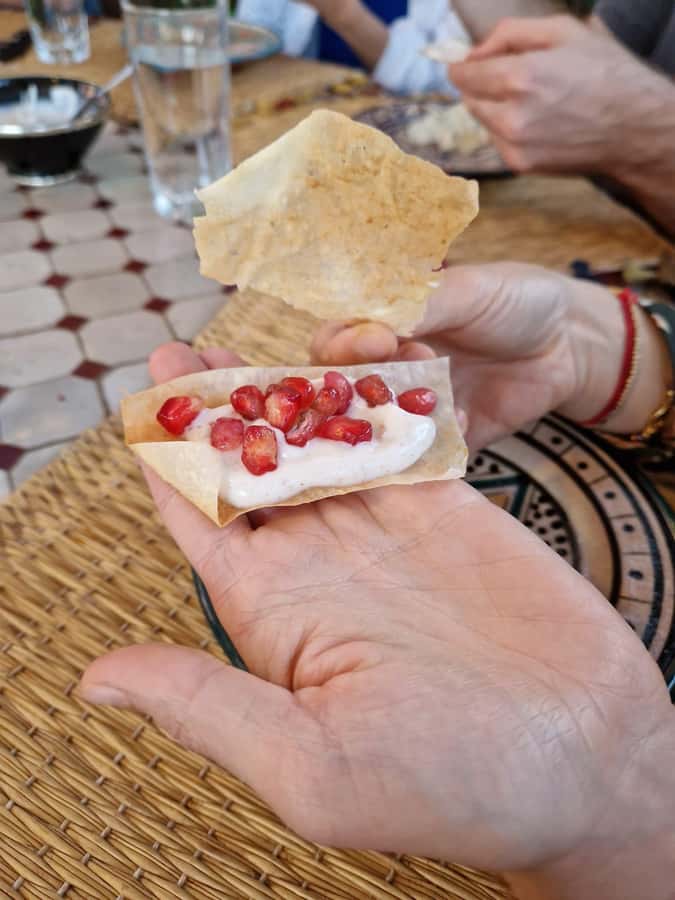
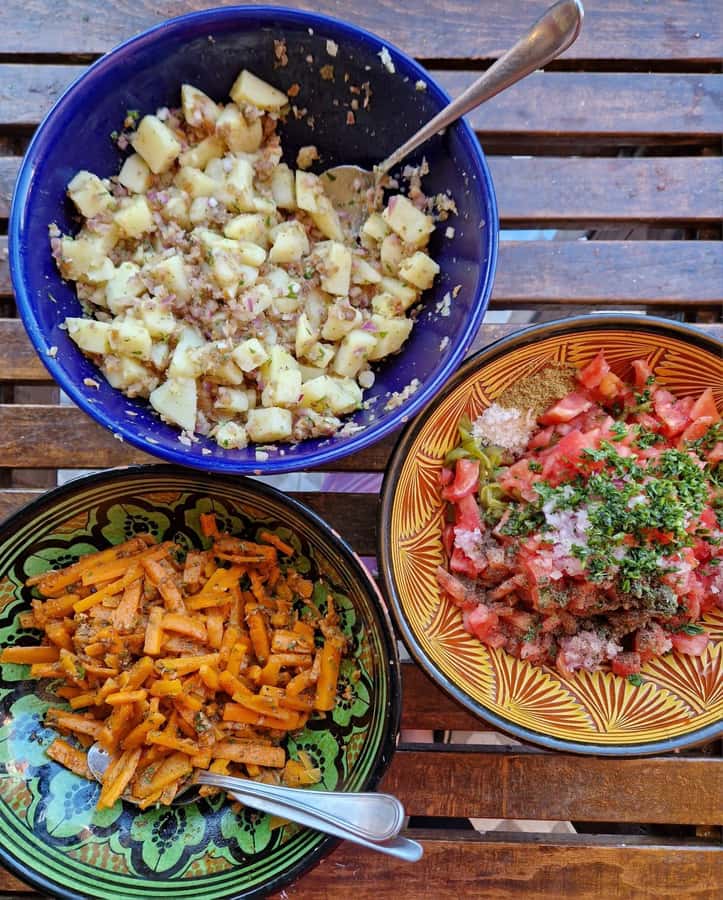
You might cook Moroccan salads or briwat (stuffed pastries). Even if you’re vegan, these can be approachable depending on how the chef handles egg, dairy, and fillings. The point is that you don’t just get one tiny taste—you work through an actual starter recipe.
Main dish options
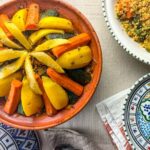
This is where Moroccan food really flexes. You might make a tajine, couscous, or dishes like tanjya (and multiple versions can vary by class and chef plan). Reviews mention veg tagines and side dishes, and also mention that when the group includes meat, separation is handled so vegans and vegetarians can focus without stress.
If you care about precision, don’t assume that one sentence about vegetarian means it’s automatically vegan. Ask what’s in the version you’ll be making. In at least one class, veg and vegan options were clearly kept as vegan aside from a separate chicken tajine cooked by others, which helped people stay confident about what they were eating.
Dessert
Dessert is included in the four-hour rhythm, and many participants loved the overall meal. That said, one person felt the dessert could have been better and described it as a bit basic. So if dessert is your main reason for booking, manage expectations: it’s part of the lesson, not always a showpiece.
Vegetarian and vegan reality check: how it’s handled during cooking and eating
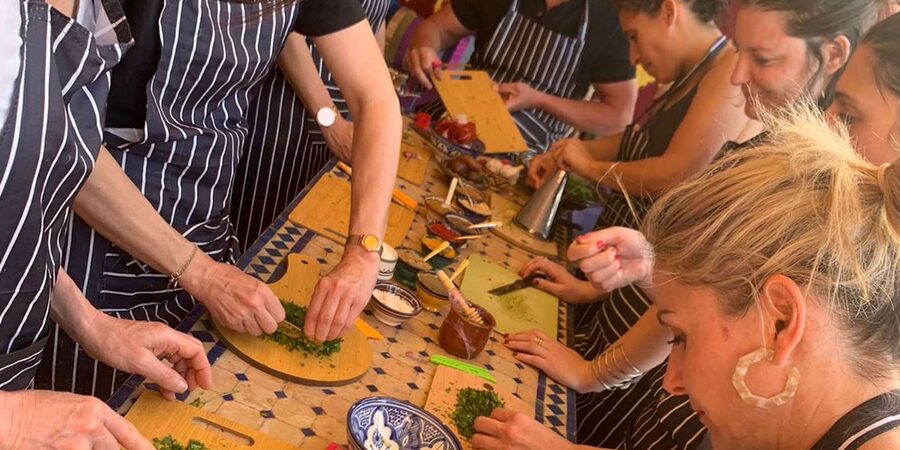
I’m glad this class explicitly says vegetarian and vegan should be no problem. And the reviews back that up with practical detail, not vague promises.
Here’s what you can expect based on the way it’s described:
- The chef is attentive to dietary restrictions and preferences.
- Vegan and vegetarian dishes can include a vegetable tajine plus multiple sides.
- In mixed groups, meat may be cooked in the same session, but veg is managed with separation so you can keep your focus.
- You’ll sit down and eat the meal together, with no leftovers mentioned in multiple comments—meaning you’re not just doing a class exercise.
One participant noted that a class can include both meat and veg preparations and that distance/separation was used so the vegetarian focus stayed intact. Another review said vegan participants were fully catered for with plenty of variety. My takeaway: this is a strong choice if you’re vegan or vegetarian, but you should still be specific when you arrive—your chef can adapt the menu and you’ll feel better for it.
Souvenir value: recipe help and optional spice shopping
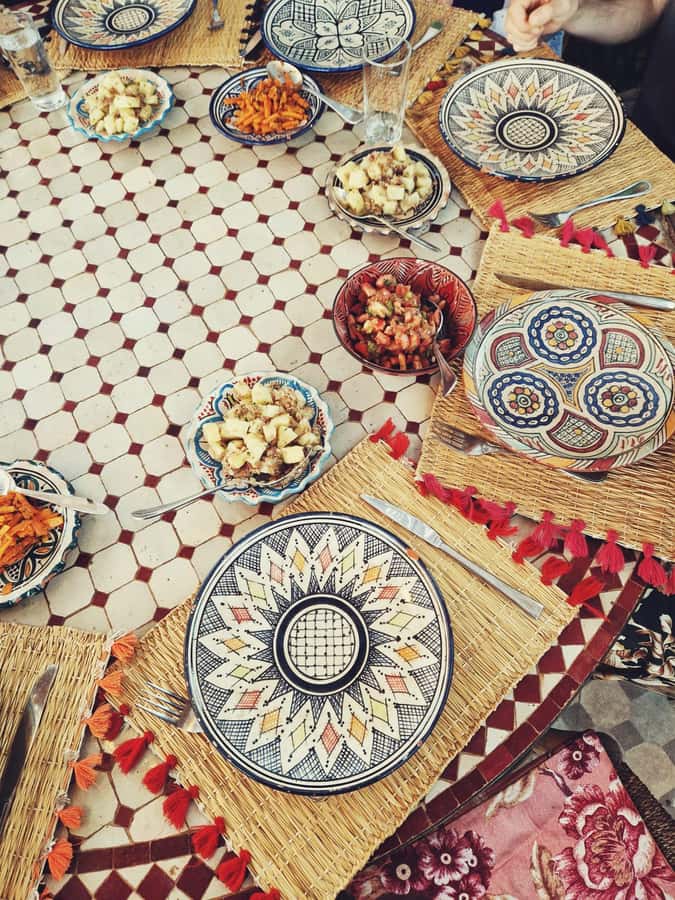
This class isn’t only about what you learn in the moment. Several past participants said the instructor sent recipes after the session (one mentioned WhatsApp with the recipes from class, plus extra). Even if you don’t get the same exact method every time, it’s a fair sign that you won’t leave empty-handed as soon as the cooking ends.
Another practical win: the host families may sell spices and related items at the end. One review mentioned buying tea, spices, and saffron from the hosts, and another mentioned fresh spices that the family makes. If you’re the type who likes bringing home flavor you can use, this is a smart add-on rather than random market browsing.
The meal at the end: why it feels better than restaurant eating
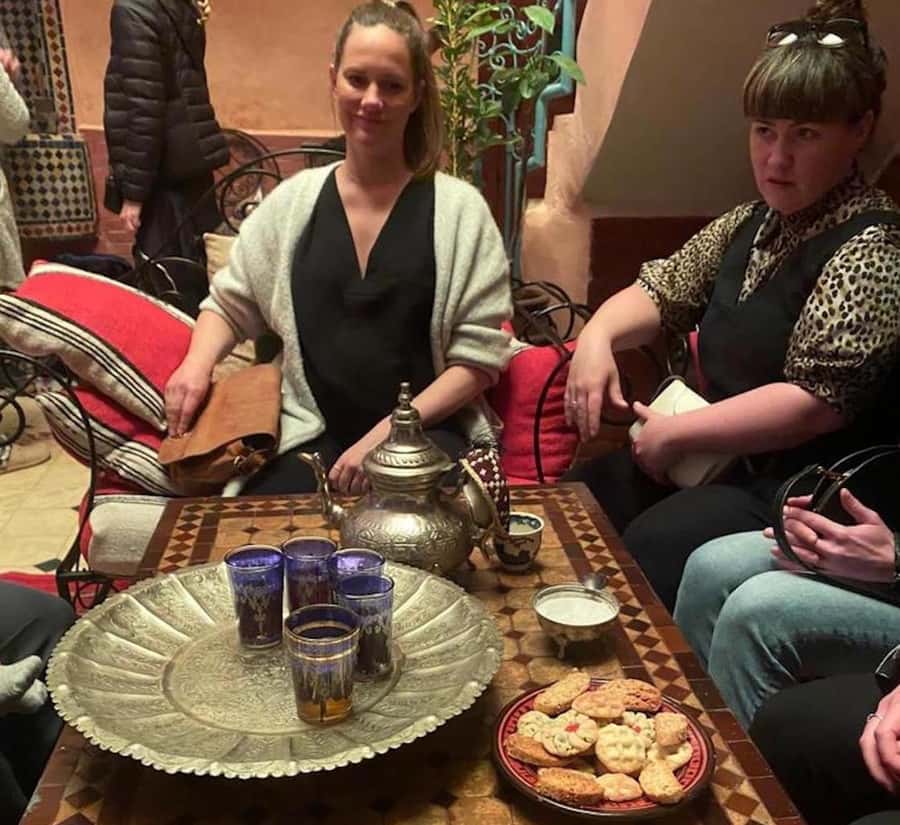
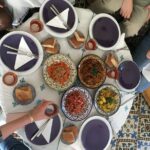
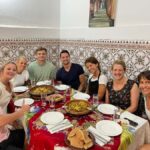
The best part of many cooking classes is often the food, but this one adds something extra: you share it as a group in the family setting.
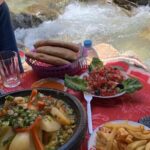
You’ll eat the meal you cooked, and people repeatedly described it as the best meal they had in Marrakesh. When you’ve made the spice choices, chopped the ingredients, and cooked the tajine/couscous course, the flavors land harder. You’re tasting with understanding instead of surprise.
Also, this tends to be a no-waste kind of meal. Multiple reviews said there were no leftovers, and one parent mentioned it as a highlight simply because they made it themselves.
Price and time: is $30 for four hours good value?
At $30 per person and a 4-hour duration, this class is priced in the “serious value” zone for Marrakesh experiences. Cooking classes often get short and rushed—90 minutes, one dish, quick tasting—then you’re back outside before you’ve built any confidence.
Here, the time budget supports real learning: explanation, spice education, starter, main, dessert, and then eating together. That’s the difference between learning a single recipe versus learning how Moroccan cooking thinks.
You should also factor in what’s included:
- drinks and cookies
- cooking lesson
- meal
And what’s not included:
- transport
If you’re already in the Medina area, the lack of transport cost is less painful. If you’re staying far out, add local transit or taxi time into your planning so you don’t pay more than you expected.
Logistics that matter: timing, language, and finding the door
The lesson is 4 hours, and the chef meets you 30 minutes before the timing at the meeting point. That’s a comfort feature in the maze of the Medina.
Language options are French and English, and an audio guide is listed as included for both English and French. In practice, reviews mention the instructors speaking English well (and at least one class being multi-lingual). If you want to ask lots of questions about ingredients, this language setup helps.
Photography is allowed if you want it, and one of the nice touches is that you’re not just learning—you’re making something you’ll want to remember.
One small caution: if you’re sensitive to comfort details like smoke, ask about the house rules when you arrive. There was a mention of smoking by a participant in at least one past session, and with kids around it felt off to that person. You can’t control other guests, but you can ask the host how they handle it.
Who this class fits best (and who should double-check)
This is a strong fit if:
- You’re vegan or vegetarian and want a Moroccan cooking experience that respects it.
- You want to learn spice logic, not just follow a recipe.
- You like family-run hospitality and conversation, not a scripted tour.
It might be worth double-checking if:
- You’re very strict about avoiding any meat-cooking smells in the room. The class can be mixed, and while separation is used, meat may be cooked by others in the same session.
- You care most about a fancy dessert. One review suggested dessert could be better, though the overall meal and learning were widely praised.
My honest call: should you book this Moroccan cooking class?
Yes, you should book it if you want more than a quick cooking demo. The hands-on pace, the spice education, and the chance to eat your own food in a real family-home setting make it feel like a cultural moment, not just a meal ticket.
If you’re vegan, book with confidence—but do one thing: confirm how your chef will adapt the menu for you and whether the group is mixed that day. If you handle that up front, you’ll get the best version of the experience: a full four hours of learning, cooking, and eating, with flavors you can reproduce long after you leave Marrakesh.
FAQ
How long is the Moroccan cooking class?
The class lasts 4 hours.
Where do I meet the chef?
The meeting point is next to Andalusia restaurant.
Is transport included?
No, transport is not included.
What kind of food will we cook?
You’ll cook a starter, a main dish (like tajines or couscous/tanjya depending on the menu), and a Moroccan dessert.
Is this class suitable for vegetarians and vegans?
Yes. The activity is designed so that vegetarian and vegan needs won’t be a problem, and allergies were mentioned as also manageable in the experience descriptions.
What languages are offered during the class?
The instructor can work in French and English. An audio guide is also included in English and French.
Do we eat what we cook?
Yes. After cooking, you eat the meal together.
Are recipes provided after the class?
In at least one described session, the instructor sent the recipes by WhatsApp after the class. You can also ask at the start of your session what will be shared.
What is the cancellation policy?
You can cancel up to 24 hours in advance for a full refund.