REVIEW · MARRAKESH
Moroccan Cooking Workshop LAMAI CHEF
Book on Viator →Operated by LAMAI CHEF · Bookable on Viator
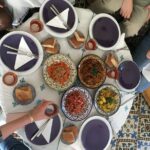
Spices set the tone fast in Marrakech. This Moroccan Cooking Workshop at LAMAI CHEF turns a classic meal into something you can actually repeat at home, starting with a spice-focused introduction and moving into practical cooking. You’re hosted in a superb residence setting, so it feels less like a demo and more like a real shared food moment in the city.
What I especially like is the combo of a spice presentation plus a mint tea ceremony with pastry. You don’t just get recipes; you get the logic behind flavors, including the idea that Morocco’s dishes were shaped by centuries of trade routes and spice caravans. The second big win is the hands-on menu: you’ll prep bread, make a chicken tagine with candied lemon and olives, tackle two Moroccan salads, and finish with pancakes drizzled with honey and almonds.
One consideration: you’re committing to a 3 hours 30 minutes block, and the full flow includes theory, cooking, tasting, and a closing graduation moment. If you’re trying to squeeze in tight sightseeing every minute, plan a looser morning or afternoon around it.
In This Review
- Key highlights to look for
- A Marrakech residence where cooking starts with spices
- Mint tea ceremony and the spice workshop, not just an intro
- Bread and chicken tagine: where technique becomes flavor
- Vegetarian Berber tagine demonstration: learning beyond one menu
- Two Moroccan salads, one cooked and one fresh
- Pancakes with honey and almonds: the sweet finish that sticks
- Tasting your work: lunch or dinner made from your dishes
- How long it really takes, and why the flow matters
- Pickup, private group, and the comfort factor
- Price and value: what $69.52 covers
- Who should take this Moroccan Cooking Workshop
- Quick planning tips for Marrakech timing
- Should you book this cooking workshop or skip it?
- FAQ
- What’s included in the Moroccan cooking workshop experience?
- How long does the workshop last?
- Is pickup available?
- Is this a private group activity?
- Where does the workshop start and end?
- When can I book and attend?
Key highlights to look for
- Spice workshop first: get the flavor map before you start cooking
- Mint tea ceremony + pastry: a Moroccan welcome that’s part of the lesson
- Bread, tagine, salads, and dessert: you’ll cook a full sequence, not random bites
- Vegetarian Berber tagine demonstration: you’ll learn techniques beyond the meat dish
- You eat what you make: lunch or dinner built from your own work
A Marrakech residence where cooking starts with spices
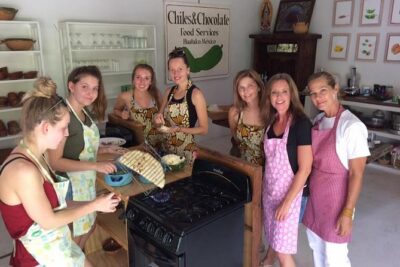
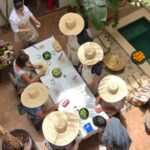
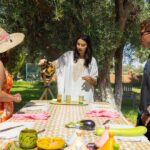
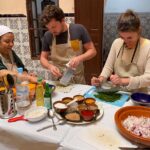
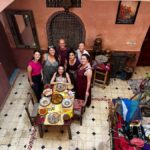
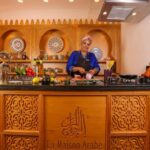
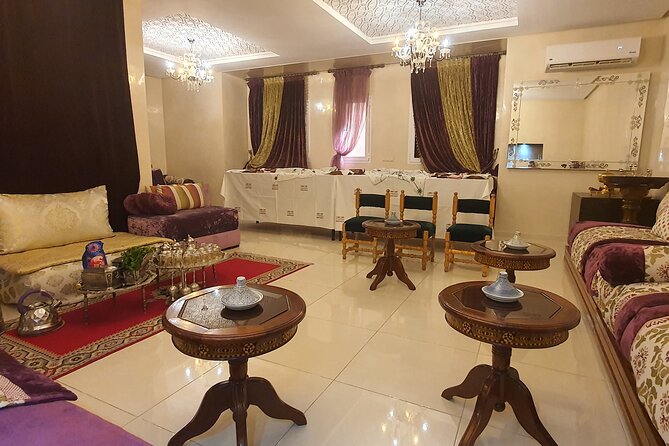
This class takes place in a cooking school set inside a lovely residence in Marrakech, which matters more than you might think. A comfortable setting keeps the pace friendly and makes it easier to focus on what you’re doing, especially when you’re chopping, mixing, frying, and trying to understand spice blends at the same time.
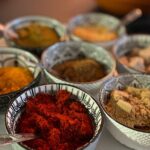
The workshop begins with an orientation to spices. The teaching frames Moroccan flavor as something shaped by geography and history: Morocco sits in the path of many caravan routes, so different spices and influences traveled through and left their mark. I like this approach because it’s not just romantic talk. It helps you taste with a purpose, so when you use spices later, you’re aiming for balance, not memorizing a list.
If you’ve ever eaten Moroccan food and thought, I want to understand why it tastes the way it does, this opening gives you a starting point. And if you’re new to Moroccan cooking entirely, it keeps things from feeling random.
You can also read our reviews of more tours and experiences in Marrakesh.

Mint tea ceremony and the spice workshop, not just an intro
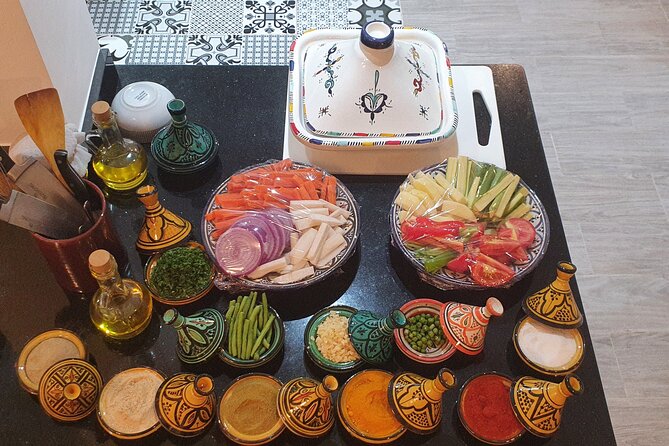
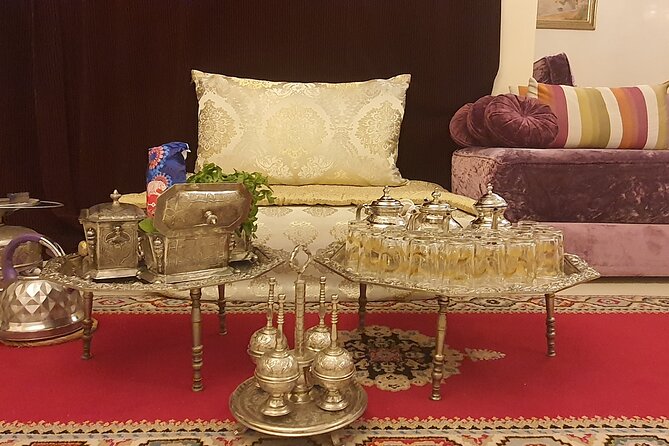
A lot of cooking classes start with a lecture you can’t connect to real food. Here, the early theory is paired with a mint tea ceremony and Moroccan pastry, plus a dedicated spice workshop. This structure is smart: tea and pastry slow you down just enough to pay attention, while the spices give you the tools to decode what’s next.
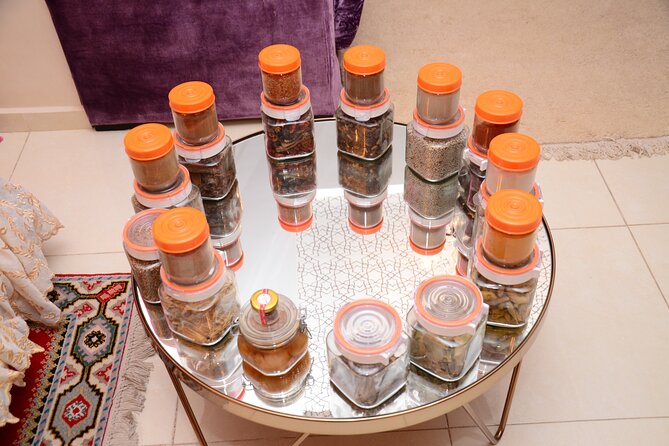
During the spice workshop, you’ll get the basic context for how traditional Moroccan ingredients come together. You’ll be learning the role of spices as part of everyday family cooking traditions, not as exotic stage props. That is the kind of detail that makes the rest of the workshop click.
Practical tip: if there’s a spice you especially like, use the moment when you’re tasting tea or pastry to notice what you’re smelling. Keep an eye out for how that aroma shows up later in sauces and tagines.
Bread and chicken tagine: where technique becomes flavor
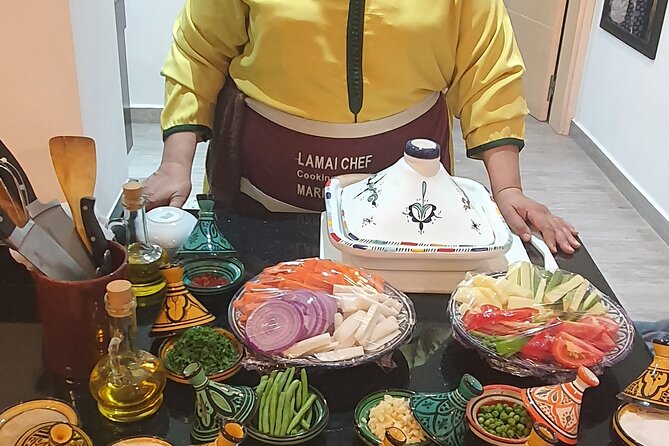
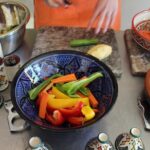
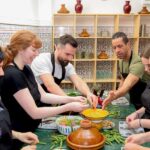
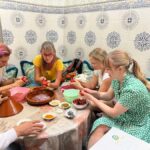
The practical cooking portion is where you stop watching and start making. You begin with bread preparation, which is a great foundation because it teaches you rhythm: mixing, shaping, and handling ingredients. Even if you don’t leave with a full bread mastery, you gain a feel for texture and timing.
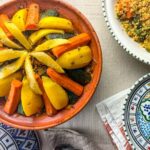
Then comes the star act: chicken tagine with candied lemon and olives, finished with Taliouine saffron. Tagine cooking is about gentleness and timing, so it’s not just seasoning. It’s building a sauce that clings, a flavor base that develops, and a combination that tastes sweet-salty in the most Moroccan way.
What I like about this dish choice is that it’s both classic and explainable. Candied lemon adds sweetness and depth. Olives bring salt and earth. Saffron adds perfume. When these show up together, the final taste is memorable, and you can understand it instead of guessing it.
If you tend to cook at home, this is the moment where you’ll likely think: okay, I can reproduce this. And that’s the real value of a workshop like this.
Vegetarian Berber tagine demonstration: learning beyond one menu
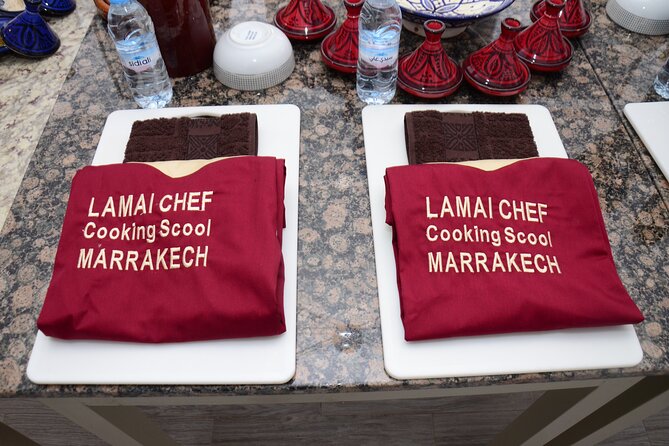
After the main tagine work, you’ll get a demonstration of a vegetarian Berber tagine. Even though it’s presented as a demo rather than fully hands-on in the way the chicken dish is, it still expands your understanding of Moroccan cooking.
This matters because the workshop’s goal is culinary variety rooted in family traditions. A vegetarian tagine teaches you how Moroccan flavors can work without the same ingredient load. You also get to see how techniques translate across dishes.
If you cook for mixed diets, this part is useful: you’ll walk away with ideas for how to build a satisfying Moroccan plate even when you skip meat.
Two Moroccan salads, one cooked and one fresh
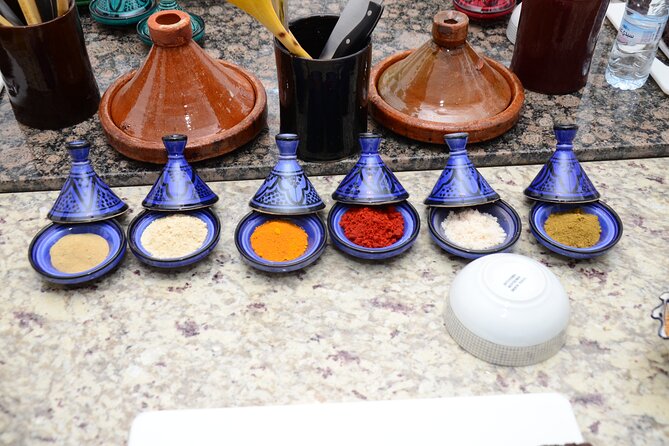
Moroccan meals often hinge on the sides, and here you prepare two Moroccan salads: one cooked and one fresh. This is a smart inclusion because it shows how Moroccan cuisine handles contrast. Cooked salad leans into warm spices and melded flavors. Fresh salad gives you brightness, crunch, and immediate herb-forward taste.
Even if you’re not the type to make salads at home, learning both styles helps you understand when to use heat and when to use freshness. It also helps you build a full plate at home, not just a single main dish.
If you’re photographing your meal, this is also the easiest part to style for pictures. Fresh salads tend to look vivid right away, while cooked salads develop richness over time.
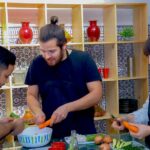
Pancakes with honey and almonds: the sweet finish that sticks
Dessert is not an afterthought here. You’ll prepare pancakes with honey and almonds, which is a comforting finish and a practical one. Moroccan sweets often rely on simple components—sweetener, nuts, and a batter-based base—so you can apply the idea elsewhere.
I like sweet endings like this because they connect the cooking session to a real eating moment. You’re not just learning savory technique. You’re learning how Moroccan hospitality finishes strong, with something warm and fragrant.
Tasting your work: lunch or dinner made from your dishes
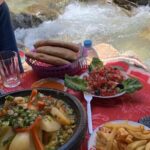
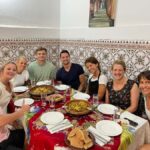
The tasting portion is built around what you prepared, served as lunch or dinner. That means you get a direct feedback loop. You make the salad, you cook the tagine, you plate everything, and then you taste it with fresh attention.
This is where a cooking workshop becomes more than entertainment. If something tastes too strong, you notice why. If something needs a different balance, you’ll remember the effect of each ingredient. And since the meal is tied to your own work, you’re more likely to retain what you learned.
If you’re the type who likes to eat well without spending time cooking afterward, this is a practical win. You don’t just learn the class and then go hunt for food.
How long it really takes, and why the flow matters
The workshop runs about 3 hours 30 minutes. That’s long enough to cover explanation, hands-on cooking, and a proper meal, without dragging forever.
The flow goes like this:
- a welcome and presentation around spices (plus mint tea ceremony and pastry)
- practical cooking with multiple dishes and demonstrations
- tasting as lunch or dinner
- a graduation ceremony to close out the experience
That closing moment may sound ceremonial, but it’s also a good pacing cue. It signals the end of active cooking, so you can relax and enjoy what you made instead of wondering when it’s all supposed to end.
Pickup, private group, and the comfort factor
If pickup is offered, it can make this easier than many cooking classes inside busy medinas. You avoid the guesswork of finding your way at the last minute, and it helps you arrive with less stress.
This is also a private tour/activity, meaning only your group participates. In practice, that often translates into more attention from the hosts and a more comfortable tempo—especially helpful if someone in your group likes to ask questions, or if you want a quieter experience than a larger group class.
You’ll also get a mobile ticket, and the meeting point is near public transportation, which is handy if you’re already moving around the city.
Price and value: what $69.52 covers
At $69.52 per person, the price makes sense when you look at what’s included. You’re paying for:
- instruction (spices plus cooking techniques)
- a full sequence of dishes (bread, tagine, salads, dessert)
- tastings that become lunch or dinner
- a structured experience in a residence setting
Many food experiences in Marrakech either focus on shopping, or they focus on a short tasting with no real cooking. Here you actually cook and then eat the results. That’s why the value holds up: it’s not just a meal; it’s a skill-building session with a payoff.
Also, if you book in advance, you can lock in a date more smoothly. The average booking window is about 28 days, which suggests it’s a popular slot during the season.
Who should take this Moroccan Cooking Workshop
This workshop is a great fit if you:
- want to learn Moroccan cooking in a clear, step-by-step format
- like the idea of starting with spices and building flavor logically
- want a meal outcome, not just a demonstration
- are traveling with someone who enjoys cooking or food culture
It’s also a solid choice for couples and families because the pace includes both structured instruction and lots of active making. Since it’s private, it can feel easier to manage than group classes.
If you’re short on time or only want a quick snack tour, you might find 3.5 hours a bit much. But if you’re planning a true food-focused morning or afternoon, it’s a strong use of time.
Quick planning tips for Marrakech timing
You can book it between 9:00 AM and 10:00 PM, Monday through Sunday. That wide window is useful because it lets you align the class with your energy and your other plans.
A practical strategy: schedule it when you’re least likely to be rushed. Cooking works best when you can pay attention. If you stack it right after a long day of walking, you’ll spend your energy trying to keep up instead of learning.
Wear comfortable shoes, since cooking workshops often require standing and moving around. Bring a good mood too. The atmosphere matters because you’ll be tasting and learning as you go.
Should you book this cooking workshop or skip it?
I think you should book if you want a hands-on Moroccan experience with real structure: spice context first, then cooking bread and tagine, then salads and dessert, then you eat what you made. The setup is designed for understanding, not just entertainment.
Skip it only if 3.5 hours feels too long for your schedule, or if you’re looking for a purely sightseeing experience instead of a food-and-skills workshop. Otherwise, this is exactly the kind of activity that turns Marrakech from something you see into something you can recreate.
FAQ
What’s included in the Moroccan cooking workshop experience?
You’ll get a spice presentation and spice workshop, a mint tea ceremony with Moroccan pastry, hands-on cooking including bread, chicken tagine with candied lemon and olives with Taliouine saffron, a vegetarian Berber tagine demonstration, preparation of two Moroccan salads (one cooked and one fresh), and pancakes with honey and almonds. The session ends with a tasting of what you prepared, served as lunch or dinner, plus a graduation ceremony.
How long does the workshop last?
The duration is about 3 hours 30 minutes.
Is pickup available?
Pickup is offered.
Is this a private group activity?
Yes. It’s a private tour/activity, and only your group will participate.
Where does the workshop start and end?
It starts at Lamai Chef Marrakech, 177 lot riad de palais, Marrakech 40150, Morocco, and it ends back at the meeting point.
When can I book and attend?
The workshop runs Monday through Sunday from 9:00 AM to 10:00 PM, and you’ll receive confirmation at the time of booking.