REVIEW · MARRAKESH
Moroccan Cooking Class with Market Visit and Meal
Book on Viator →Operated by Flavors Of Marrakech · Bookable on Viator
Spices meet hands-on cooking in Marrakech. This Morocco class mixes a market visit (for the 10:30 slot) with a chef-led session in a home-style kitchen, then finishes with you eating what you made. It is small-group and built for real participation, not just watching.
I like the way the experience connects ingredients to technique. You’ll pick produce and spices, including staples like Ras El Hanout, then use them right away. I also love the friendly, kitchen-focused teaching style, with hosts such as Fatiha and Fatima (and family help like Saida mentioned in reviews) making the whole thing feel calm and personal.
One consideration: the market visit is only for the morning 10:30 session. If you book the 5:30 dinner slot, you’ll still cook and eat, but you’ll miss that ingredient-shopping walk.
In This Review
- Key highlights you should care about
- Where You’ll Meet and Why the Setting Matters
- 10:30 Market vs 5:30 Dinner: Pick Your Best Fit
- Inside the Market Walk: The Ingredients Behind Moroccan Flavor
- The Home Kitchen Flow: How a 4-Hour Class Stays Manageable
- What You’ll Cook: Appetizers, Tagine, Salad-Style Sides, and Dessert
- Tagine, the star dish
- Appetizers and sides that make the table feel complete
- Dessert that you can actually recreate
- Vegetarian option
- Tasting Your Work: Tea, Coffee, and a 3-Course Meal
- The Step That Helps You Cook Later: Recipes You Can Actually Use
- Hosts, Group Energy, and What Makes It Feel Like Marrakech
- Price and Value: Is $52.34 Worth It?
- When to Book and How to Plan Your Day
- Should You Book This Moroccan Cooking Class?
- FAQ
- How long is the Moroccan cooking class in Marrakech?
- What time slots are available?
- Is there a market visit?
- How many people are in the group?
- What do I eat during the class?
- Do I get recipes to take home?
- Is there a vegetarian option?
- What is the cancellation window?
Key highlights you should care about
- Market stop that actually affects your meal: You shop for veggies and spices, then cook with them in the kitchen.
- Small group size (max 10): Easier hands-on coaching and more time at your station.
- Tagine plus multiple dishes: Appetizers, salad-style sides, and dessert-style sweets alongside the main tagine.
- Tea and coffee with a 3-course meal: You taste everything you make at the end.
- Take-home recipes: You leave with a way to repeat the dishes later.
- Home-kitchen comfort: Reviews point to a clean, spacious kitchen and relaxing common areas for breaks.
Where You’ll Meet and Why the Setting Matters

You start at Flavors of Marrakech on Rue Fatima Zahra in central Marrakech. That matters because you are not schlepping across town and starting hungry. The location also keeps the timing tight, since the whole experience runs about 4 hours.
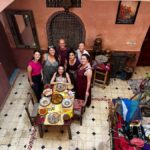
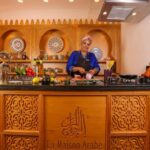
The vibe is meant to feel like a home kitchen: well-equipped, spacious enough to work comfortably, and cozy enough that people chat while they cook. Reviews also mention lovely dining and sitting areas, which is a nice touch when you want a short breather between steps.
You can also read our reviews of more tours and experiences in Marrakesh.


10:30 Market vs 5:30 Dinner: Pick Your Best Fit
This class comes in two versions. The morning slot starts at 10:30 am and includes the market visit, then lunch-style dining after cooking. The evening slot starts at 5:30 pm for dinner, and it does not include the market stop.
If you want the full Marrakech sensory experience—talking spices, choosing vegetables, asking what goes where—pick the 10:30. If you’re planning a packed day of sights and you want the cooking lesson with less scheduling pressure, the 5:30 dinner slot is the simpler choice.
Inside the Market Walk: The Ingredients Behind Moroccan Flavor
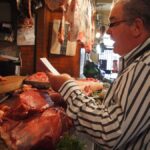
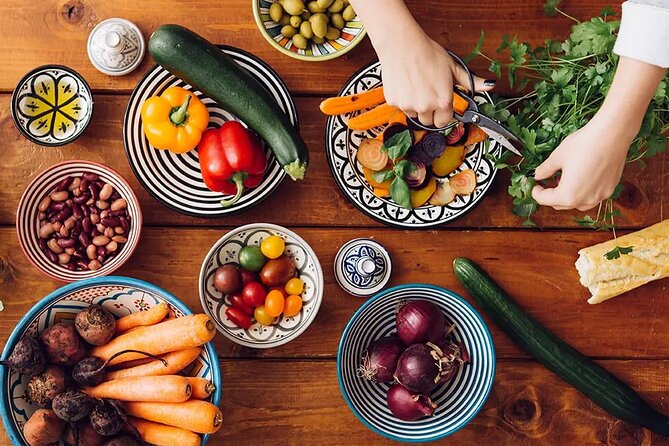
For the morning session, you go out with your guide to shop the market. This is where Moroccan cooking stops being abstract. When you pick vegetables and spices yourself, you start learning what each ingredient does, not just what it tastes like.
You’ll focus on common building blocks: aromatic spices and fresh produce. The class specifically calls out aromatics like Ras El Hanout, paprika, and cumin-like spices (spelled Cuim in the course description). Once you see and smell them up close, you get a clearer idea of how these blends create depth in tagine and salads.
A big practical benefit: you’re not trying to recreate Moroccan cooking using a vague spice mix you found later in a shop. You learn what you used and how you used it, and that makes your future cooking much more predictable.
The Home Kitchen Flow: How a 4-Hour Class Stays Manageable

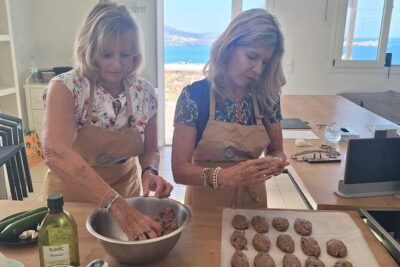
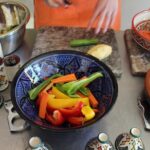
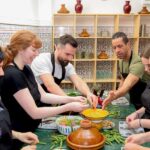
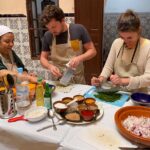
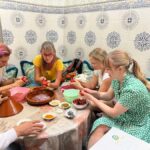
Back in the kitchen, the teaching style is built around participation. You’ll get step-by-step guidance on prep tasks like chopping and seasoning, then instruction on how to cook the dishes properly.
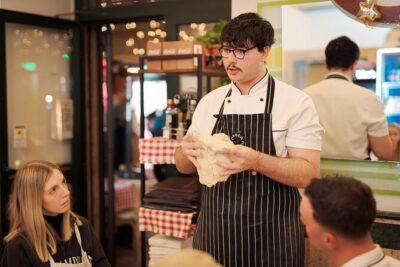
One small detail I think is smart: the class starts with tea. You settle in, you meet the people teaching, and the pace feels friendly instead of rushed. Reviews also describe hosts who keep things upbeat and organized, with instructors and kitchen helpers (including women in the kitchen) staying close to support you.
Because the group is capped at 10 people, it’s not the kind of class where you wait forever for attention. You get more chances to ask questions about timing, heat, and spice balance.
What You’ll Cook: Appetizers, Tagine, Salad-Style Sides, and Dessert
You’ll learn more than one dish. The course focuses on appetizers plus the popular Moroccan tagine, and it also includes extra items across the meal, often described as everything from salad to dessert.

Tagine, the star dish
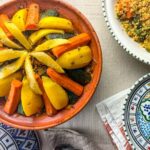
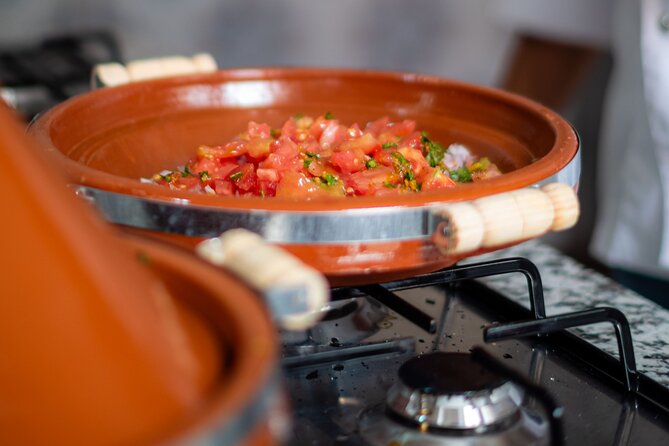
Tagine is the headline for a reason. It’s not only about flavor; it’s also about method—building taste gradually and letting ingredients work together. In this class, you get hands-on help, so you learn practical steps like how to layer flavors, when to add spices, and how to balance the overall profile.
Appetizers and sides that make the table feel complete
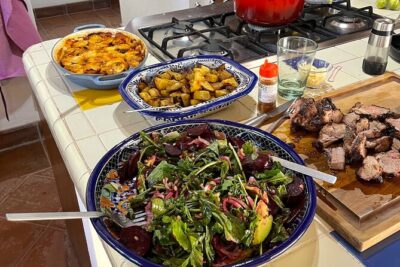
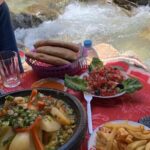
Moroccan meals often win by contrast: something fresh next to something rich, something spiced next to something sweet. The class includes an appetizer and salad-style dish in that spirit. Reviews specifically mention a classic Moroccan salad alongside tagine, which helps you understand how herbs and crunch play off slow-cooked flavor.
Dessert that you can actually recreate
Dessert is not always included in cooking classes, but this one does include it. Reviews call it decadent and made from scratch, which matters because Moroccan desserts tend to depend on ratios and timing. If you want the full “I can cook Moroccan at home” result, dessert is a big part of that.
Vegetarian option
There is also a mention of a vegetarian option. That’s a helpful detail if you prefer meatless cooking, and it also signals that the class can adapt around different eating preferences.
Tasting Your Work: Tea, Coffee, and a 3-Course Meal

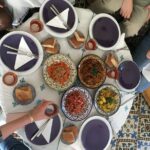
The best part is how you end the class. You don’t just leave with recipes. You get to eat what you cooked, and you taste in a setting meant for relaxing.
The meal is described as 3-course, and tea and coffee are included. That’s key for two reasons:
1) You get a clear sense of the finished flavor, texture, and seasoning balance.
2) It reduces guesswork when you repeat the recipes later.
Reviews mention people thinking the food was among the best they ate in Marrakech. That’s not guaranteed for every cooking class, but it lines up with the idea that you’re using quality ingredients and cooking with real guidance—not shortcuts.
The Step That Helps You Cook Later: Recipes You Can Actually Use
You get recipes to take home, which is where this class becomes more than a fun day. Cooking classes fail when the notes are vague. Here, the emphasis is on techniques—chopping, spicing, cooking steps—so the written recipes can work as a real reference.
A skill I think you’ll walk away with is spice handling. Once you understand how Ras El Hanout and paprika work in Moroccan cooking, you’ll stop treating them like a mystery powder. You’ll be able to adjust amounts and recognize when a dish needs more warmth versus more salt.
If you cook at home already, you’ll likely enjoy the confidence boost. If you are a beginner, you’ll still get practical steps because instructors work with you and keep the process structured.
Hosts, Group Energy, and What Makes It Feel Like Marrakech
The human element is a major reason people love this experience. Reviews repeatedly mention warmth and humor from the hosts, including Fatiha and Fatima. People also mention family support in the kitchen, including Saida, and the feeling that you’re treated like part of the kitchen team.
There’s also a social rhythm. You’ll work in a group, but you aren’t stuck in one corner watching. Reviews describe the market part as interactive, and the cooking part as team oriented, which usually means everyone participates in at least one key prep or cooking step.
Group energy matters, especially in Marrakech. If you’re visiting with friends or family, this kind of small-group class gives you a shared activity that feels local without needing you to know the language or the culinary jargon.
Price and Value: Is $52.34 Worth It?
At $52.34 per person, this sits in the “serious fun” range for Marrakech. The value comes from the combination, not one single feature.
Here’s what you’re paying for that you can compare:
- A market visit (morning slot only) where the ingredients are tied directly to your meal
- A hands-on cooking class with chef and instructor guidance in a real kitchen
- Multiple dishes (including tagine and dessert) so it’s not just one recipe lesson
- A 3-course meal with tea and coffee included
- Take-home recipes, so it’s not only consumption
If you add up a private guide market walk plus cooking instruction plus a proper sit-down meal, the numbers usually move much higher. With a small group cap at 10, you also get more coaching than the big-factory style classes.
Also, group discounts are mentioned, and that can make it a better deal if you have a small group of your own.
When to Book and How to Plan Your Day
Most people book this about 25 days in advance on average. That suggests it can fill up, especially for the morning market slot. If you want the market, I’d treat the 10:30 session as the one you plan around, since the evening won’t include that ingredient shopping walk.
In Marrakech, it’s smart to schedule cooking when you want to slow down. After a market and kitchen session, you’ll probably be glad you didn’t also stack another long activity. You’ll leave full and with recipes, so dinner logistics become easier.
You’ll also start and finish back at the meeting point. That keeps the day from turning into a maze.
Should You Book This Moroccan Cooking Class?
Book it if you want a hands-on Marrakech food experience that connects ingredients to technique. The market-to-kitchen structure is the big draw, and the class clearly aims at real participation, not just a show.
Skip it only if you already feel comfortable cooking tagine and Moroccan dishes at home and you’re only looking for a light snack. Also, if your schedule allows only the 5:30 dinner slot, know the market walk is not part of that option.
If you’re unsure, my practical recommendation is this: choose the 10:30 market slot when you can. You’ll get the extra ingredient context, and the market shopping piece tends to be the most memorable part of the day.
FAQ
How long is the Moroccan cooking class in Marrakech?
The experience lasts about 4 hours.
What time slots are available?
There are two sessions: 10:30 am (morning, with lunch) and 5:30 pm (evening, with dinner).
Is there a market visit?
Yes, but only for the 10:30 am morning session.
How many people are in the group?
The group size is capped at a maximum of 10 travelers.
What do I eat during the class?
You’ll cook and then enjoy a 3-course meal, with tea and coffee provided.
Do I get recipes to take home?
Yes. You can take the recipes with you after the class.
Is there a vegetarian option?
Yes, a vegetarian option is mentioned.
What is the cancellation window?
You can cancel for a full refund up to 24 hours before the experience starts. Within 24 hours, the amount paid is not refunded.