REVIEW · MARRAKESH
Marrakech: Moroccan Cooking Class with a Local Family
Book on GetYourGuide →Operated by Cooking class with chef Fatima · Bookable on GetYourGuide
A tagine lesson in a real family home. This Marrakech cooking class takes you into the Medina for a hands-on session with Chef Fatima (and her team), then ends with the meal you made together at the table. You’ll talk ingredients, learn how Moroccans cook day to day, and get guidance you can actually use later.
I love the focus on learning spices you’ll see (and buy) in the souks, not just mixing ingredients. I also love that you’re not parked on the sidelines: you cook the starter, the main dish (often tagine or couscous-style), and finish with a Moroccan dessert. One drawback to consider: if you were hoping for a big market tour as part of the afternoon, this format can feel more centered on cooking time.
In This Review
- Key highlights before you go
- Arriving at the Andalusia Restaurant and Stepping into the Medina
- Spice Lessons You Can Use the Same Day in the Souks
- The Menu: Starter, Tagine or Couscous, and Moroccan Dessert
- Hands-On Cooking That Keeps You Working, Not Watching
- Lunch You Earn: Eating with the Chef’s Family
- Is It Worth $33 for 4 Hours? Who It Suits Best
- Should you book this Marrakech Moroccan Cooking Class?
- FAQ
- What is the price and how long is the class?
- Where do I meet the chef?
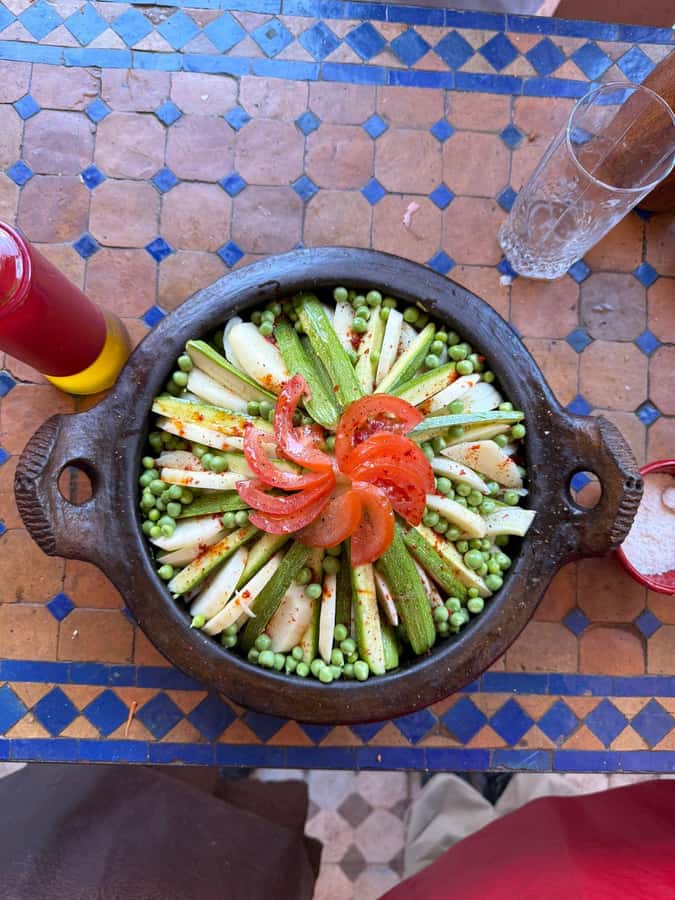
- What dishes will I cook?
- Can the class handle vegetarian, vegan, or allergy needs?
- Is transport included?
- What languages are used, and is it wheelchair accessible?
- Do I get recipes to take home, and can I cancel if plans change?
Key highlights before you go
- Chef-led, family-style atmosphere in an authentic house in the Medina
- Spice tasting and shopping tips so you know what to look for in the souks
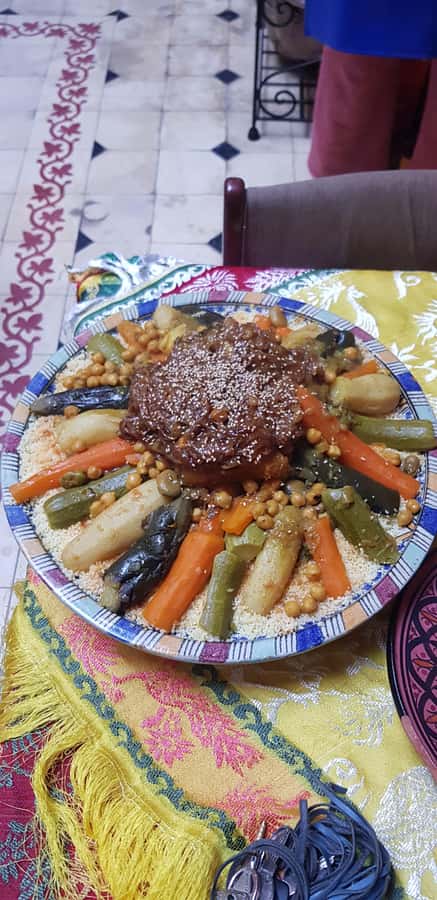
- Hands-on menu building: starter, main (tajine/couscous/tanjya), and dessert
- Dietary friendly: vegetarian, vegan, and allergies can be accommodated
- Take-home recipes sent after the class, so you can cook again at home
Arriving at the Andalusia Restaurant and Stepping into the Medina
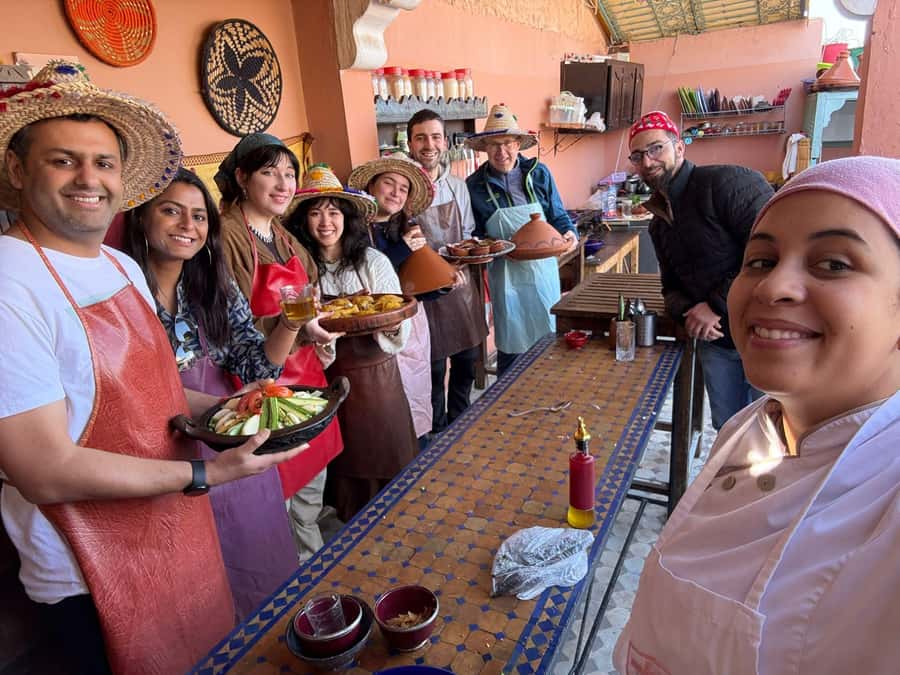
Your class starts with a simple meet-up: you’ll find the chef waiting in front of Andalusia Restaurant, next to Mohamed 5 highschool. It’s a practical setup because the Medina can be a maze, and having a clear landmark matters.
From there, you move into an authentic Moroccan house in the heart of the Medina. The tone shifts fast: you’re not just learning recipes, you’re seeing how a family kitchen works. You’ll be greeted with Moroccan tea, coffee, or juice, plus cookies, and you’ll get time to talk with the chef’s family. That chat piece is more than small talk. It helps you understand why certain flavors show up again and again in Moroccan cooking.
Packing tip: if you’re visiting in cooler months, wear something warm you can layer. A rooftop/terrace setting has come up in past experiences, and it’s the kind of chill that turns an enjoyable class into a slightly rushed one.
You can also read our reviews of more tours and experiences in Marrakesh.

Spice Lessons You Can Use the Same Day in the Souks
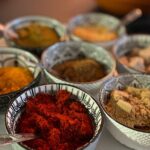
One of the best parts is the way the class handles spices. You’ll start by learning about the spices you’ll taste in Moroccan dishes, with enough explanation that shopping becomes smarter instead of guesswork. You’ll also understand what to choose if you want to buy spices in the souks—especially useful if you’ve ever bought a spice blend back home and wondered why it tastes different.
A big plus: the class encourages you to connect the flavor to the ingredient. Instead of remembering a random list, you’ll learn what’s happening in the dish when you add things like toasted spice profiles and warming aromatics. That makes a later tagine purchase (or spice shopping run) feel like progress, not spending money blindly.
Also, you’re not locked into buying anything. The point is education: you’ll get enough clarity to walk into souks with confidence—and not overpay out of confusion.
The Menu: Starter, Tagine or Couscous, and Moroccan Dessert
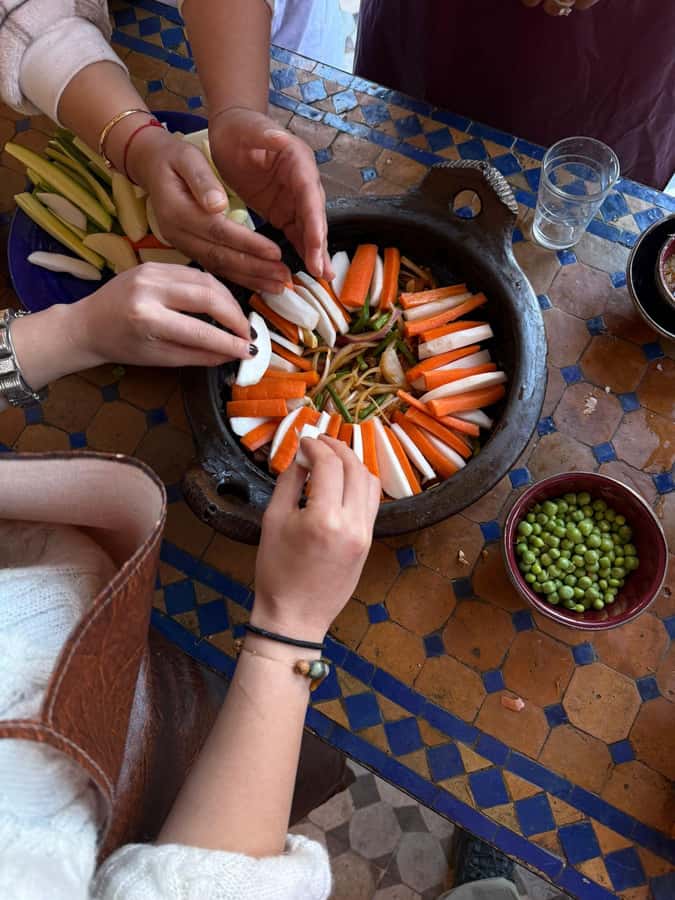
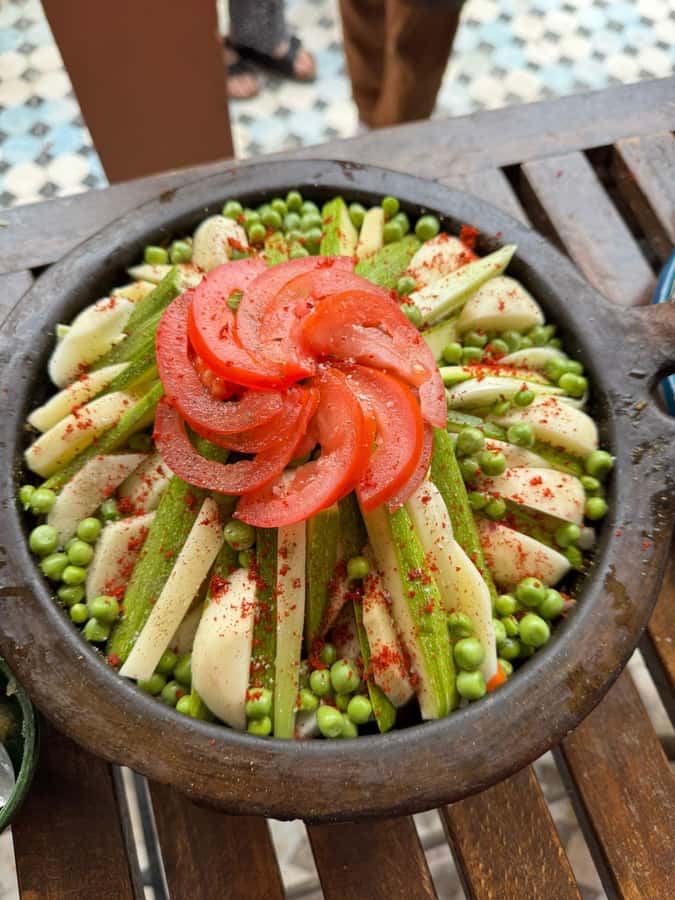
The menu is built around classics you can recognize, but you’ll learn them through hands-on work. Expect a starter such as Moroccan salads or briwat, then a main dish that might include tagine, couscous, or tanjya (the exact menu can vary), and finally a Moroccan dessert.
Here’s why that menu structure matters for you:
- You learn the logic of Moroccan cooking in stages. The starter teaches fresh, spiced contrast.
- The main dish shows the centerpiece technique—slow-simmered flavor for tagines, or the signature build for couscous-style dishes.
- Dessert rounds it out so you leave knowing how Moroccan meals actually finish, not just how they begin.
Even better, the class is designed so dietary needs don’t become a complication. If you’re vegetarian, vegan, or have allergies, this class is set up so you can still cook and eat without feeling like a “special case.”
You also get equipment and drinks as part of the experience, plus the meal you cook at the end. That means your time isn’t eaten up by shopping, planning, or sorting out what to bring.
Hands-On Cooking That Keeps You Working, Not Watching
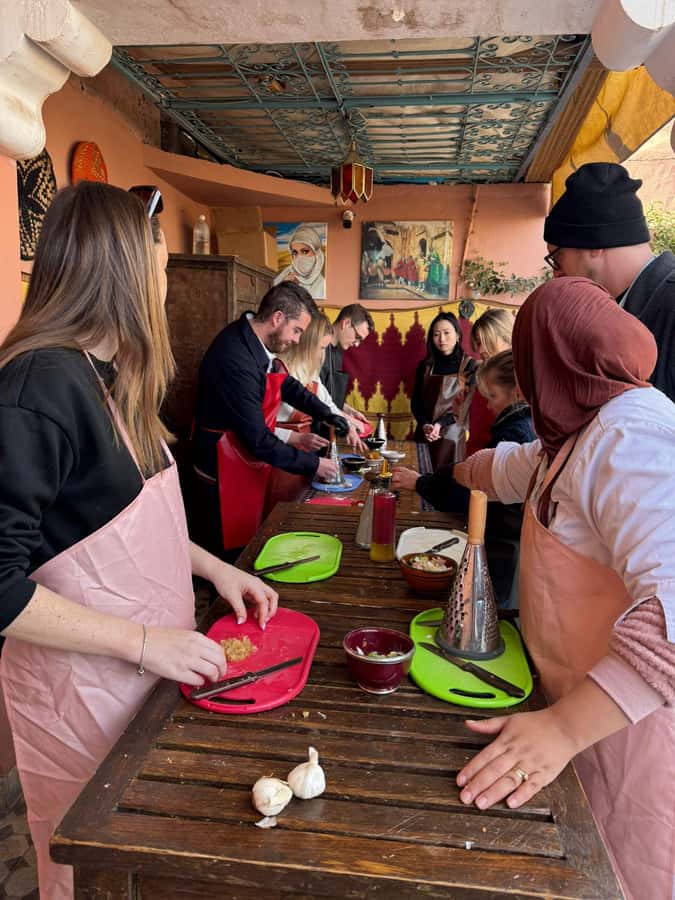
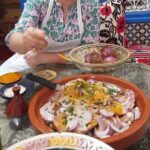
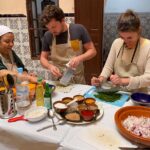
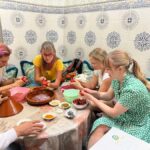
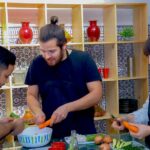
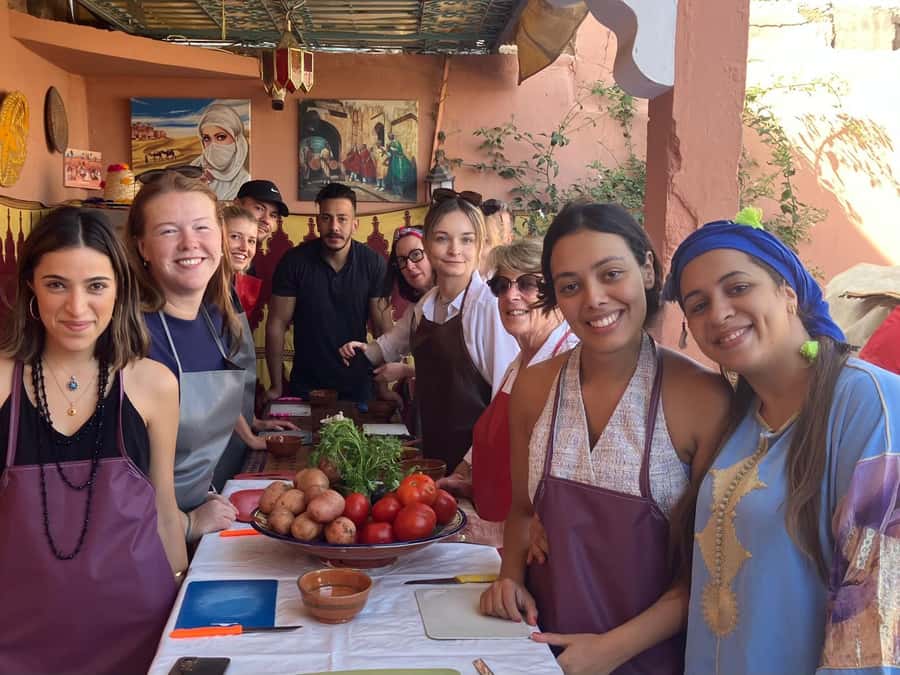
This is one of those classes where the format pushes you to participate. The chef’s teaching style is interactive, with a pace that works even if your group includes different ages and cooking levels. Multiple people highlight that everyone gets chances to prepare sides and join the main dish work, not just observe.
Knife skills come up too. If you like the idea of learning practical prep—chopping, portioning, and handling ingredients without feeling intimidated—you’ll likely enjoy the hands-on parts. One note from the experience flow: assisting staff may take care of certain prep steps in the background, and you’ll focus on learning key techniques rather than doing every task from scratch. That’s not a downgrade. It keeps the class moving while still giving you real responsibility.
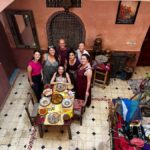
Group energy is also part of the appeal. When the class is in a small setting, you tend to get more direct help and clearer feedback. Past experiences have mentioned small groups (like around 10), which makes it easier for the chef to check your technique and keep you engaged.
If you’re traveling solo, this also works. You’re cooking with a mixed group, swapping Marrakech tips along the way, and learning in a way that doesn’t feel awkward or performative.
Lunch You Earn: Eating with the Chef’s Family
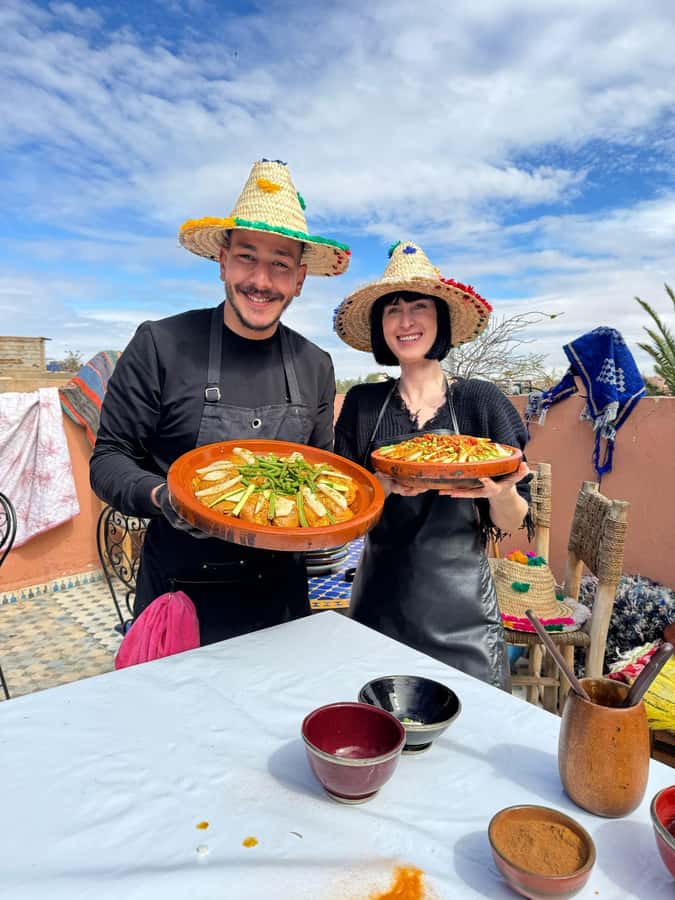
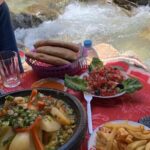
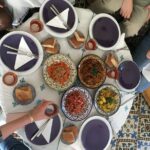
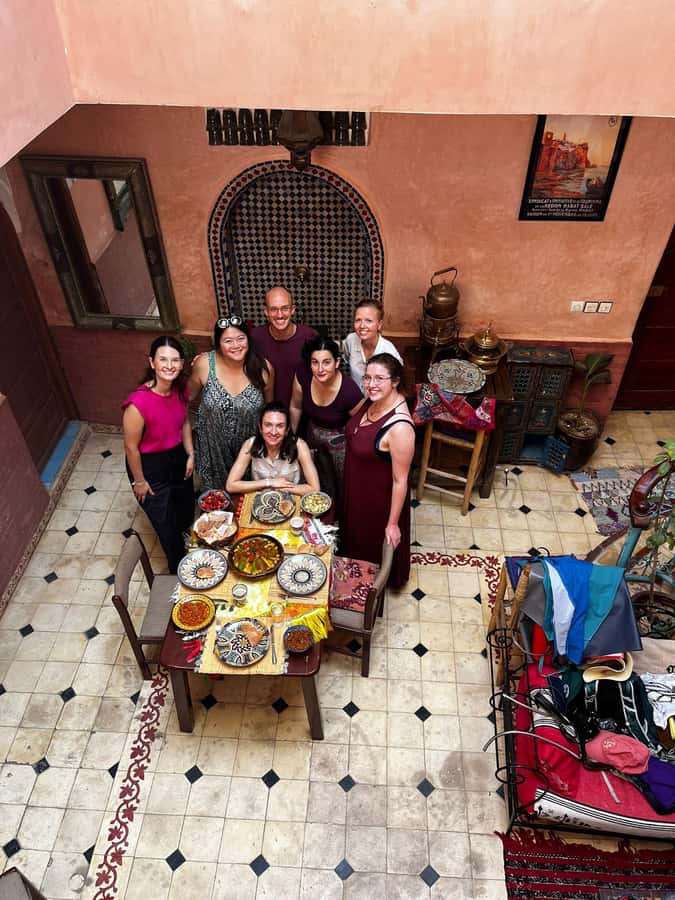
After the cooking, you eat the meal together with the family. This is the real payoff. You’re not leaving with photos and a vague memory of flavors—you’re eating what you made, while the chef’s household is still around to explain what you’re tasting.
That matters because Moroccan cuisine isn’t just about one spice. It’s about balance: sweet and savory, warm spices with fresh aromatics, and the way sides support the main dish. When you eat in the same environment where you cooked, the lesson locks in faster.
This meal has also been described as the best food people had in Marrakech. I wouldn’t treat that as a guarantee, but it matches the logic of the experience: hands-on cooking in a home setting usually beats most restaurant meals for sheer freshness and attention.
If you’re a foodie who likes food with a story, this is where it comes together. The class doesn’t just teach cooking steps; it gives cultural context through conversation at the table.
Is It Worth $33 for 4 Hours? Who It Suits Best
At $33 per person for a 4-hour cooking class, the value is strong if you want more than a simple meal. You’re paying for instruction, ingredients, equipment, drinks, and the meal itself. Transport is not included, so factor in getting to the meeting point near Andalusia Restaurant.
Where the money feels well spent:
- You get a full sequence: starter, main, dessert, plus eating what you made.
- You learn spices and ingredient choices you can reuse when you cook at home or shop in the souks.
- Dietary needs can be handled, which isn’t always true for cooking classes.
Who this suits best:
- Food lovers who want a real Moroccan cooking experience beyond a restaurant.
- Families and mixed groups who benefit from an interactive class format (including children).
- Anyone planning to buy a tajine or Moroccan spices soon, because you’ll learn how to pick and use ingredients.
Who might want to think twice:
- If your top goal is a big guided market tour, this class can feel more cooking-centered. You should go in expecting spice education and kitchen time, not a late-day souk adventure.
Should you book this Marrakech Moroccan Cooking Class?
If you want a practical, family-style Moroccan cooking experience, I’d book it. The class hits the sweet spot: hands-on cooking, clear spice guidance, and a real meal at the end. It’s also a good choice early in your trip if you plan to shop for spices, because you’ll know what to look for and how to use it.
FAQ
What is the price and how long is the class?
It costs $33 per person and lasts 4 hours.
Where do I meet the chef?
Meet at the front of Andalusia Restaurant, next to Mohamed 5 highschool.
What dishes will I cook?
You’ll cook a starter (Moroccan salads or briwat), a main dish (such as tajines, couscous, or tanjya), and a Moroccan dessert.
Can the class handle vegetarian, vegan, or allergy needs?
Yes. Vegetarian, vegan, and allergies won’t be a problem.
Is transport included?
No, transport is not included.
What languages are used, and is it wheelchair accessible?
The host or greeter speaks English, French, and Arabic, and the activity is wheelchair accessible.
Do I get recipes to take home, and can I cancel if plans change?
You get recipes at the end, and past experiences also mention receiving recipe material to use at home. You can cancel up to 24 hours in advance for a full refund, and there is a reserve now & pay later option.