REVIEW · KYOTO
Bento Box Cooking Class
Book on Viator →Operated by Cooking Sun · Bookable on Viator
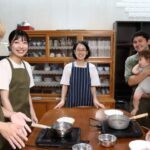
A lunch you build with your own hands. In Kyoto’s studio, you get hands-on guidance from an English-speaking instructor while master chefs show how bento techniques work. What I like most is how you finish by eating your own bento lunch, and you also take recipe copies home to repeat it later.
One thing to keep in mind: the menu can shift with the seasons. The cooking plan is adjusted every three months, so if you’re craving very specific items, be ready for a seasonal version rather than a fixed set.
In This Review
- Key takeaways before you go
- Kyoto Bento Box Cooking Class: What You’re Really Paying For
- Where Cooking Sun Kyoto Fits Into Your Day
- The Bento Box Lesson: Origins and Small-Detail Cooking Tips
- Watching the Chefs, Then Cooking: How the 3-Stage Flow Works
- What You’ll Cook: Miso Soup, Tempura, Egg Rolls, and Seasonal Variations
- Building Your Bento Lunch: Making It Pretty and Actually Practical
- Lunch Included: Eating Your Work Without the Stress
- Price and Value in Kyoto: Is $71.35 Worth It?
- Dietary Needs: How to Make the Class Work for You
- Who This Bento Box Class Is Best For (And Who It’s Not)
- Should You Book This Bento Box Cooking Class?
- FAQ
- How long is the Bento Box Cooking Class in Kyoto?
- What time does the class start?
- What’s included in the price?
- Do you cook specific dishes, or does the menu change?
- Is the class suitable for food allergies or dietary requirements?
- How many people are in a booking?
Key takeaways before you go
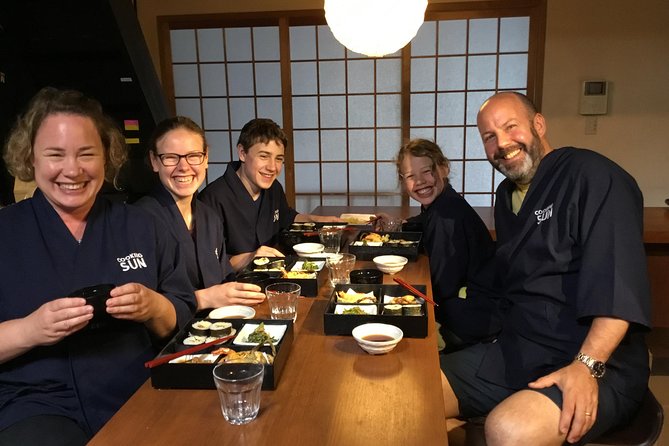
- Small group setup (max 8 per booking) means you’re not lost in a crowd.
- English-speaking instruction keeps you on track, even if your Japanese is limited.
- Seasonal menu changes every three months based on what’s available.
- You cook and then eat: lunch is included and comes from what you make.
- Recipes to take home so you can recreate your bento for friends and family.
- Food-allergy support if you tell them in advance and specify your needs at booking.
Kyoto Bento Box Cooking Class: What You’re Really Paying For
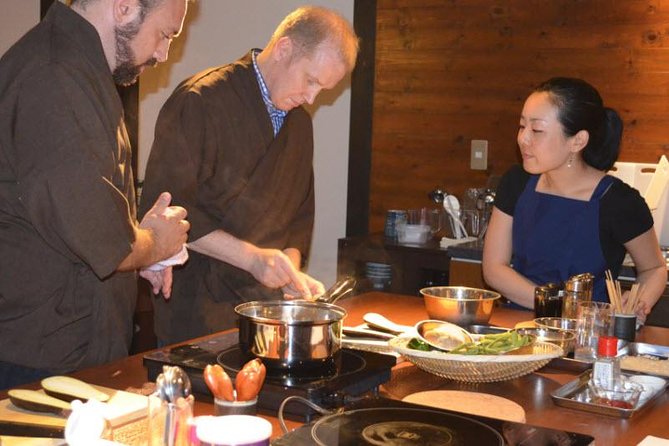
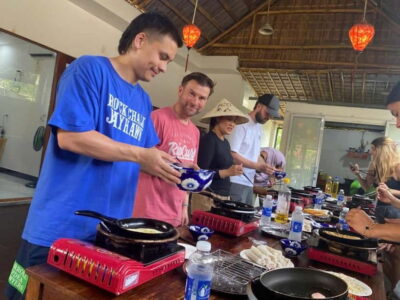
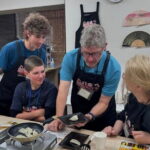
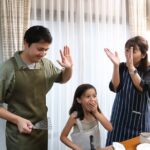
This is one of those Kyoto food experiences that makes sense even if your day is packed. You’re not on a bus all morning, and you’re not stuck watching from the sidelines. For about three hours, you learn a Japanese cooking rhythm: learn the idea, watch the key steps, then do it yourself—culminating in a satisfying lunch you made with your own hands.
At $71.35 per person, the value is in what’s bundled: lunch, ingredients, an apron, and an English-speaking instructor. On paper, that’s a straightforward price. In practice, it’s also a time-saver. Kyoto has a million ways to eat well. This class gives you a practical skill set so the next meal you cook at home feels personal, not like a souvenir you never use.
If you care about Japanese food beyond sushi—think everyday comfort and convenience meals—bento is a great place to start. It’s iconic for a reason: it’s balanced, portioned, and designed to travel. And in this class, you get the why behind the format, not just the how.
You can also read our reviews of more tours and experiences in Kyoto.
Where Cooking Sun Kyoto Fits Into Your Day
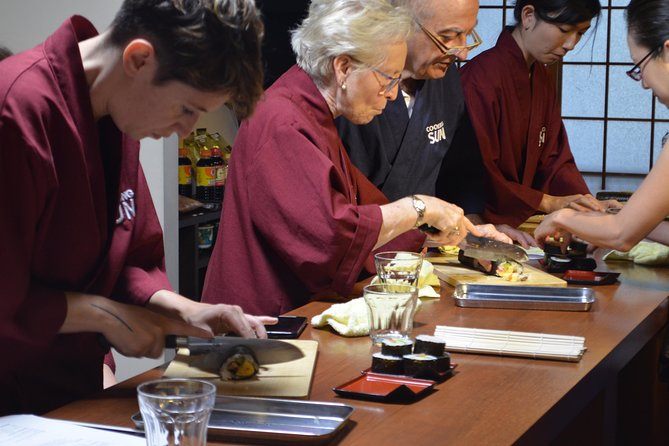
The class meets at Cooking Sun, located at 679 Funayachō, Shimogyo Ward, Kyoto, 600-8466. The session start time is 9:30am, and the activity ends back at the same meeting point.
That morning timing matters. You’ll get your cooking done early, eat lunch in a calm setting, and then have the rest of the day for temples, markets, or a slow wander. It’s also a good slot if you want food as an anchor rather than an afterthought.
You don’t need hotel pickup. If you’re using public transportation, this location is near transit, which keeps logistics easy. You’ll also use a mobile ticket, which is convenient if you’re already relying on your phone for everything.
One small reality check: you cook first, then eat. One of the most repeated practical tips is to not skip breakfast. Even if you think you can handle it, you’ll likely spend time standing, chopping, frying, rolling, and portioning. Your stomach will notice.
The Bento Box Lesson: Origins and Small-Detail Cooking Tips
Bento has a story that’s bigger than it sounds. Before the cooking ramps up, you’ll get background on where the concept comes from. The origins get traced back to the 13th century, when the Song Dynasty used the word bento as slang for anything convenient. That history sets up the theme of the day: bento isn’t only about taste; it’s about practical everyday eating.
You’ll also get technique-focused teaching from the instructor and chef-led demonstrations. The goal is not just to make food that tastes good once. The goal is to make it in a way you can understand and repeat—especially key flavor building steps and how sauces and seasonings behave.
From what I’ve seen people highlight, two types of tips tend to stick:
- dashi know-how, including how to approach it
- using different color soy sauces (and why they aren’t all interchangeable)
Even if your menu changes with the season, the training style stays the same: you learn what matters, not just which ingredients to follow.
Watching the Chefs, Then Cooking: How the 3-Stage Flow Works
This class runs in a very clear sequence, which is a big part of why it feels easy to follow.
First, you get context and a quick grounding in the bento idea: what makes a bento a bento, and how Japanese home cooks think about portioning and balance. Then you watch the master chef demonstrate the key techniques. Finally, you do the cooking with guidance from your class leader.
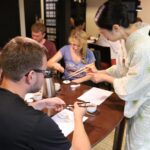
Because the group is kept small (maximum 8 per booking), you’re more likely to get help while you’re actively doing the work. That’s huge for bento, because a lot of the success comes from small technique points—timing, temperature, and handling.
Also, you won’t just make one dish. The course is designed to cover multiple bento components so your final box feels like a real Japanese lunch, not a single entrée on the side.
What You’ll Cook: Miso Soup, Tempura, Egg Rolls, and Seasonal Variations
You’ll create a bento from several staples. The exact menu can change because it’s adjusted every three months to use seasonal ingredients, but the class includes bento classics such as:
- miso soup
- tempura vegetables
- egg rolls
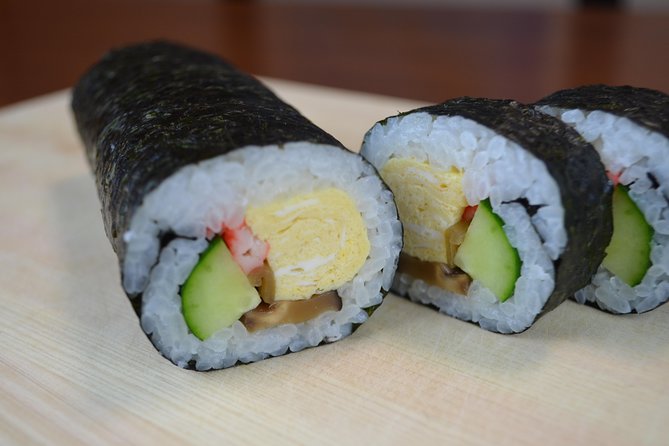
In many courses like this, you’ll also see rolled egg methods and rolled items become part of the practical skill set. Some people also mention learning sushi rolling techniques such as maki-style rolling, plus other common Japanese home-cooking dishes like teriyaki chicken and salad-style components that fit bento well.
Here’s how to think about it as a cook: don’t judge the class by whether you get every dish you hoped for. Judge it by whether you leave with repeatable methods. Tempura teaches you about batter consistency and frying timing. Egg preparations teach you about texture and control. Miso soup teaches balance and seasoning. And if rolling techniques show up in your specific menu, that’s the kind of skill you’ll actually use when you want to impress with homemade Japanese food.
A practical note: ingredients are provided, so you won’t be hunting specialty items in Kyoto markets. You also get an apron, which keeps things simple and safe while you work.


Building Your Bento Lunch: Making It Pretty and Actually Practical
The best bento boxes aren’t just cute. They’re built for function.
As you put your lunch together, you’ll learn why bento meals usually keep flavors organized. You’re not mixing everything into one pot. You’re arranging components so each bite has intention. That makes the meal feel balanced, and it also keeps textures from suffering.
When you pack your box, you’ll see why spacing matters and why you can’t treat bento like a random assortment. A good bento includes a mix of:
- something warm (like soup or something cooked fresh)
- something crisp or fried (like tempura components)
- something savory and bite-sized (like egg rolls or rolled items)
- fresh or lightly seasoned sides (often a salad-style component)
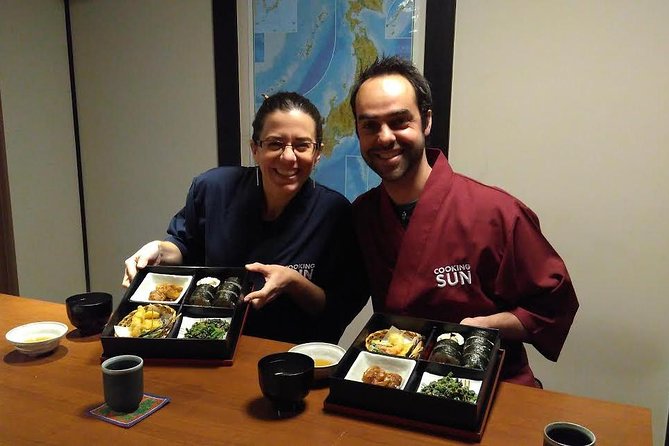
Then you get the best part: you eat what you made. You don’t have to wait for dinner. You sit down and enjoy your handmade bento with the other participants, and that’s where all the work pays off fast.
Lunch Included: Eating Your Work Without the Stress
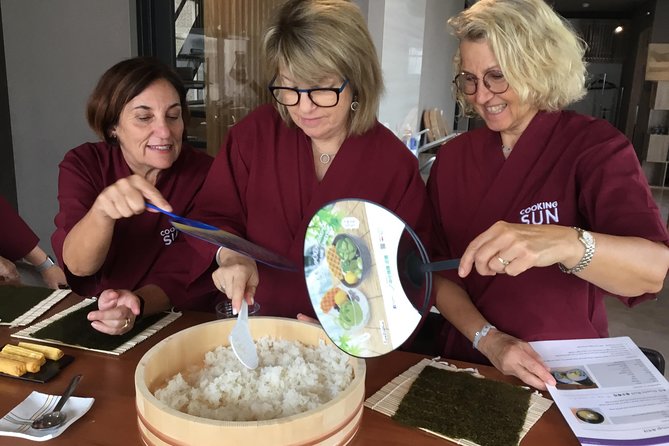
Lunch is included, and it’s part of the experience. When the class ends, you’ll stow your knife and apron and sit down to eat your bento.
This is a real advantage if you’re traveling. Many cooking classes leave you with food that’s finished but not very satisfying, because you’re too busy cleaning up or rushing to the next stop. Here, your meal is the finish line. And because the food is something you built and packed, you tend to notice the details: seasoning balance, how the components complement each other, and which steps you personally nailed.
Also, the recipes are provided at the end. That turns lunch from a one-time event into a plan for your next meal at home.
Price and Value in Kyoto: Is $71.35 Worth It?
For $71.35, you’re buying three things: instruction, ingredients, and the meal itself.
Let’s put that in practical terms. If you try to recreate bento at home with no instruction, you’ll likely spend money on specialty ingredients anyway. You might also waste time figuring out technique, like tempura batter consistency or how to handle rolled egg timing. This class compresses that learning into a few hours with real guidance.
Then there’s the convenience. Ingredients are included, so you can keep your Kyoto itinerary focused on sightseeing instead of grocery shopping. You also get an apron and a structured experience with an English-speaking instructor, which lowers the stress if you’re not confident with Japanese cooking terms.
Value is highest if you:
- want a hands-on skill, not just a meal
- have limited time in Kyoto
- like learning through doing
If you’re already an advanced Japanese cook who wants a deep, multi-day curriculum, you might find a three-hour format a little short. But if you’re building skills for home cooking, this is a strong deal.
Dietary Needs: How to Make the Class Work for You
The class asks you to advise specific dietary requirements at booking. That’s the right move, because it lets the team prepare with your needs in mind rather than scrambling on the day.
I also like that the experience is described as careful and helpful for people with food allergies. That doesn’t remove the need to communicate clearly, but it’s a good sign that you’ll be taken seriously.
If you have allergies or restrictions, send your details when you book and be specific about what you need to avoid.
Who This Bento Box Class Is Best For (And Who It’s Not)
This fits you if you want:
- a compact food activity in Kyoto that doesn’t eat the whole day
- hands-on cooking and chef demonstrations in an English-friendly format
- a bento meal you can actually replicate at home
- technique training like tempura methods and rolled food skills
It might not be your best pick if:
- you only want to eat and have zero interest in cooking
- you’re expecting a single, unchanging menu every time
- you want a full-on advanced course with advanced troubleshooting (this is beginner-friendly by design, and ingredients are prepped as part of making the class flow)
Should You Book This Bento Box Cooking Class?
Yes, if you want real skills and a satisfying Kyoto lunch in one tight morning session. The small group size, English-speaking instruction, hands-on approach, and recipe take-home combine into a practical value package. You’ll walk away with technique knowledge you can use, not just photos.
I’d especially book it if you’re the kind of traveler who likes to bring home a new “I can actually do this” dish. Bento is made to be repeated. And after learning how to build one properly, you’ll be more likely to cook it again instead of treating it as a one-off trip memory.
FAQ
How long is the Bento Box Cooking Class in Kyoto?
The class runs about 3 hours (approximately 3 to 3.5 hours).
What time does the class start?
The start time is 9:30am.
What’s included in the price?
Lunch, all ingredients for cooking, an English-speaking cooking instructor, and an apron are included.
Do you cook specific dishes, or does the menu change?
You’ll learn bento staples such as miso soup, tempura vegetables, and egg rolls. The menu may differ depending on when you take the course, and it’s adjusted every three months with seasonal ingredients.
Is the class suitable for food allergies or dietary requirements?
You should advise any dietary requirements at booking. The experience is noted as being careful and helpful for food allergies.
How many people are in a booking?
There is a maximum of 8 people per booking, and the tour/activity has a maximum of 8 travelers.