REVIEW · KYOTO
Kyoto: Afternoon Japanese Izakaya Cooking Class
Book on GetYourGuide →Operated by Cooking Sun · Bookable on GetYourGuide
Cooking with hands-on Japanese home dishes beats another museum stop. In this Kyoto afternoon izakaya cooking class, you cook in two rounds, chat with the chef while you cook and eat, and then walk away with the know-how to remake the food at home. Two things I especially like: you get clear, step-by-step guidance that helps even non-cooks finish confidently, and the whole experience feels friendly and well organized. One possible drawback: because it’s an active, timed kitchen format, the pace can feel a bit fast if you prefer slow, relaxed cooking.
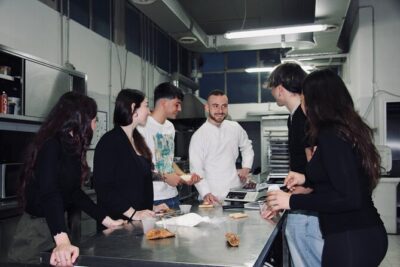
Meet at Cooking Sun in Shimogyo Ward and settle into an English-led session where you’ll use provided ingredients plus an apron and utensils. Depending on the exact menu that day, you may cook a small set of dishes, and some groups even report bigger menus (with dessert) and a chance to work on classic basics like dashi. You’ll also hear dish-specific stories from instructors, and some people specifically mentioned guides such as Thatcher, Yumi, and Yumiko by name—so the tone is often personable, not robotic.
If you have dietary needs, you’ll want to flag them when booking. Beyond that, the class is built for interaction: like real izakaya, you’re expected to talk while you’re eating and cooking, which is part of the charm for many people—but might not be your thing if you want quiet.
In This Review
- Key things to know before you go
- Kyoto Izakaya Cooking: Why This Afternoon Class Feels Like Local Life
- Finding Cooking Sun in Shimogyo Ward and Getting Ready
- Part One: Cooking 2–3 Dishes Together (Then Eating the Results)
- Part Two: Another 2–3 Dishes and a Second Round of Eating
- What You’ll Learn: Techniques, Ingredients, and the Stuff You Can Reuse
- The Social Side: Izakaya Culture Without the Guesswork
- How the Price Works for $67 (And When It’s a Smart Buy)
- A Realistic Look at the Pace and Who Should Book
- Should You Book the Kyoto Afternoon Izakaya Cooking Class?
- FAQ
- How long is the Kyoto Izakaya cooking class?
- How many dishes will I cook?
- Is the instructor in English?
- Where is the meeting point?
- What’s included in the price?
- What dietary needs should I tell them about?
- Is it possible to cancel?
- Do I have to pay upfront?
- Is the activity wheelchair accessible?
- Will the class feel more like cooking or eating?
Key things to know before you go
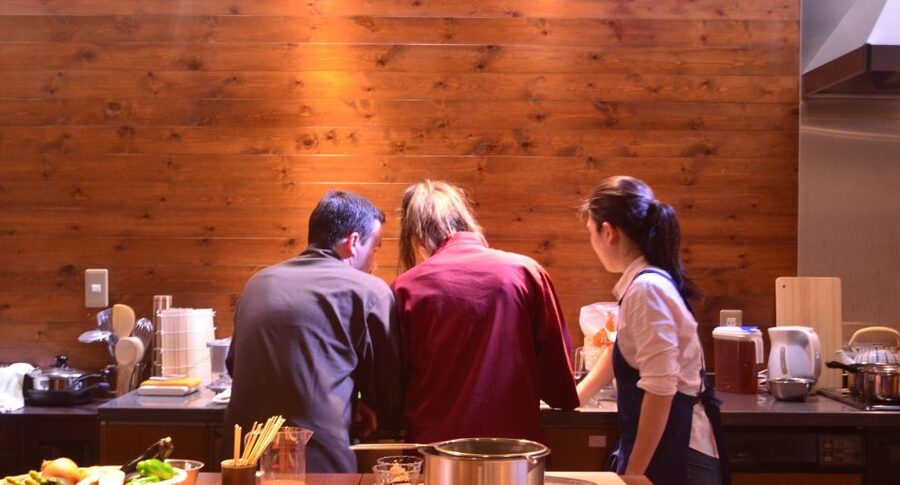
- Two cooking rounds, two eating moments: you’ll cook, eat, then return for another mini-session of cooking before finishing the meal.
- English-speaking instruction: you can follow the process without playing translator.
- Provided tools and apron: less shopping, fewer “what pan do I need?” questions.
- Recipes you can recreate at home: the final takeaway is more than a photo of your food.
- Real izakaya-style interaction: expect conversation with the chef during the meal.
- Good for beginners: instruction is designed to keep you moving and succeeding.
Kyoto Izakaya Cooking: Why This Afternoon Class Feels Like Local Life
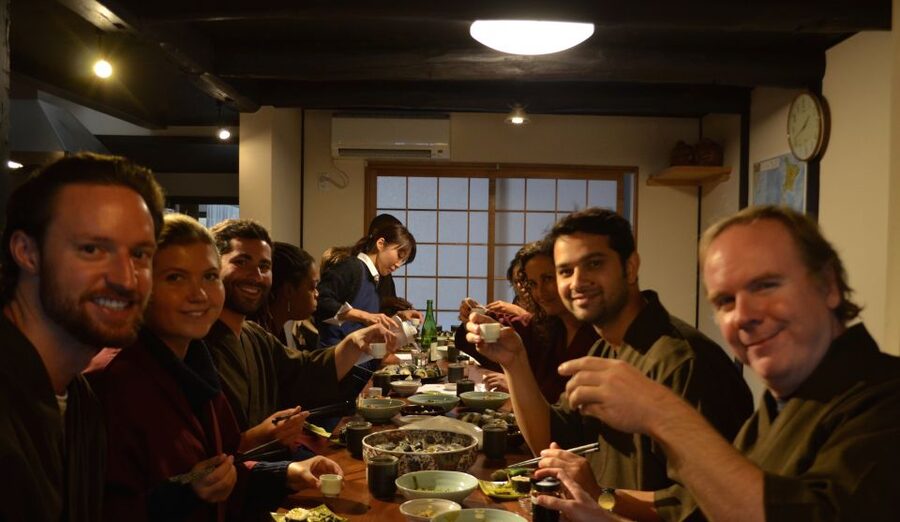
This class isn’t trying to be a fancy food show. It’s built around Japanese home dishes served in an izakaya rhythm: cook together, eat together, and ask questions as you go. That format matters because you’re learning the “why” behind flavors, not just copying a recipe card.
I also like the practical tilt. Many cooking classes give you vague technique tips. Here, the approach is more concrete: people repeatedly mention step-by-step instruction, clear pacing, and recipes that are usable later. Even if you don’t cook much at home, you’re more likely to leave with dishes you can actually repeat.
The other big win is tone. The overall feedback points to relaxed, genuine instructors and helpers who keep the atmosphere warm. If you’re the type who worries you’ll feel awkward cooking in front of strangers, this kind of setup tends to reduce that stress fast.
You can also read our reviews of more tours and experiences in Kyoto.
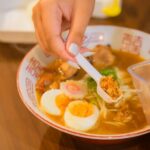
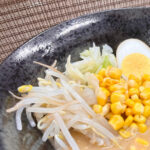
Finding Cooking Sun in Shimogyo Ward and Getting Ready
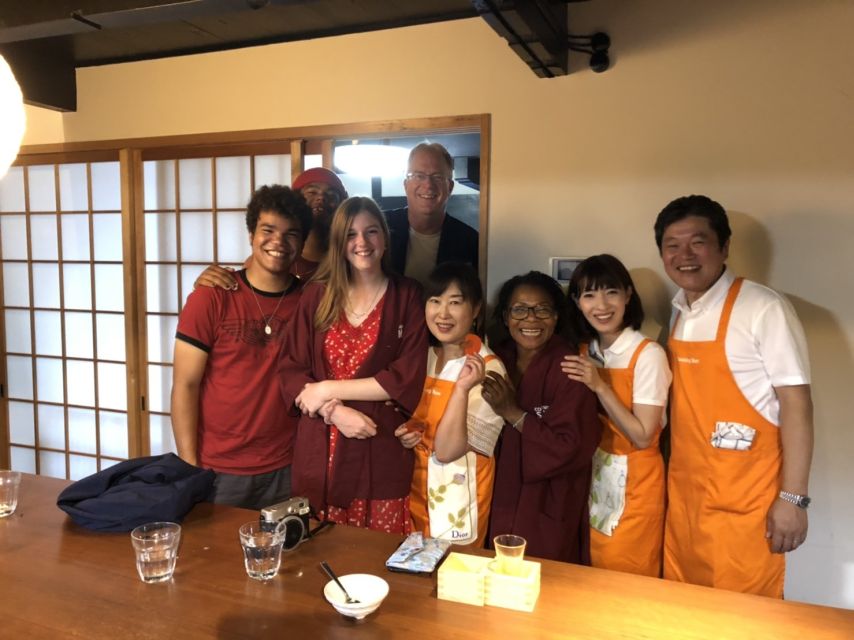
The meeting point is Cooking Sun, Funayacho, Shimogyo Ward, Kyoto (Kyoto 600-8466). Shimogyo Ward is a handy base area for reaching lots of central Kyoto sights, and this class gives you a break from walking and lineups.
Practical advice:
- Wear comfortable shoes. You’ll be standing and working at a kitchen station.
- Don’t overpack “cool traveler clothes.” Your outfit matters less than being able to move easily.
- If you’re sensitive to strong smells (fish sauce, soy, etc.), know that you’ll be in an active cooking space.
Your session is English-led, and you’ll receive an apron and utensils plus the ingredients. That means you can travel light. It also helps you focus: you’re not hunting for special kitchen gear while you’re already trying to learn techniques.
Part One: Cooking 2–3 Dishes Together (Then Eating the Results)
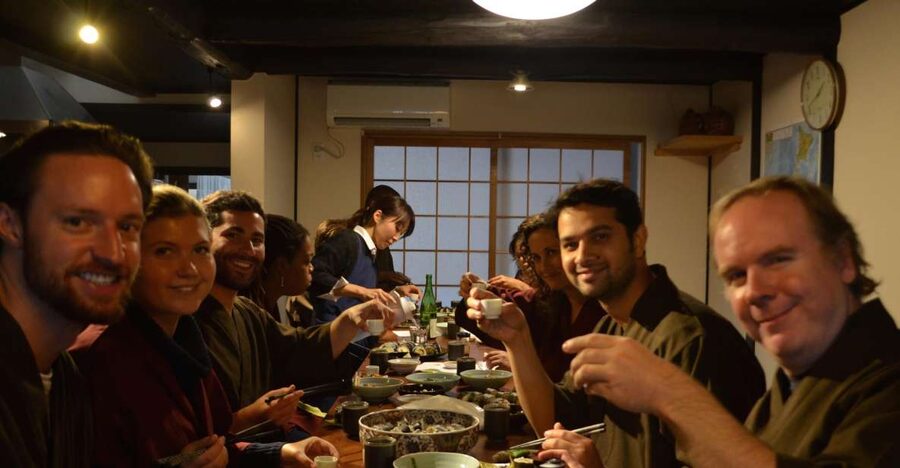
The class runs for 3 hours and is split into two main cooking-and-eating sections.
In Part One, you’ll cook 2 or 3 dishes with your chef. This is where you’ll learn the basic workflow—how ingredients come together, how the heat timing works, and how Japanese seasoning balances sweetness, salt, acidity, and umami. Several people called out that tasks feel manageable because instructions are very clear and structured.
This first round also includes your first meal. In other words, you’re not just prepping for later. You get immediate feedback: taste what you made, watch how the flavors should land, and learn adjustments while it’s still fresh.
A small but important detail: you’re expected to talk while cooking and eating. That means you’ll hear questions and explanations in real time, which is exactly how you build comfort with new flavors. People also specifically praised the quality of some dishes (including okonomiyaki on at least one menu), which suggests the class isn’t serving bland “practice food.”
Part Two: Another 2–3 Dishes and a Second Round of Eating
After the first meal, you return to the kitchen for the second part of cooking. This is the “repeat and refine” phase. If Part One introduces techniques, Part Two tends to lock them in—because you’re applying them again with different ingredients and textures.
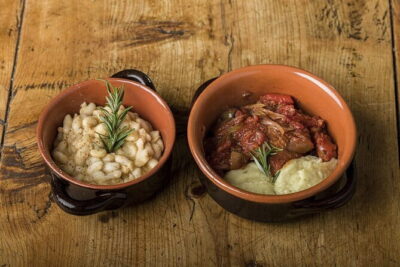
Then you eat again. That second eating moment matters more than it sounds. You’ll compare the dishes you made earlier and later, notice how seasoning changes across recipes, and understand how Japanese meals are often built as a set—not one big star dish.
Some people reported cooking more dishes than the basic 2–3 format, including dessert. The menu can vary, so don’t plan your day assuming the same exact lineup every time. But the teaching structure stays consistent: cook in rounds, eat what you make, and use recipes to recreate at home.
What You’ll Learn: Techniques, Ingredients, and the Stuff You Can Reuse
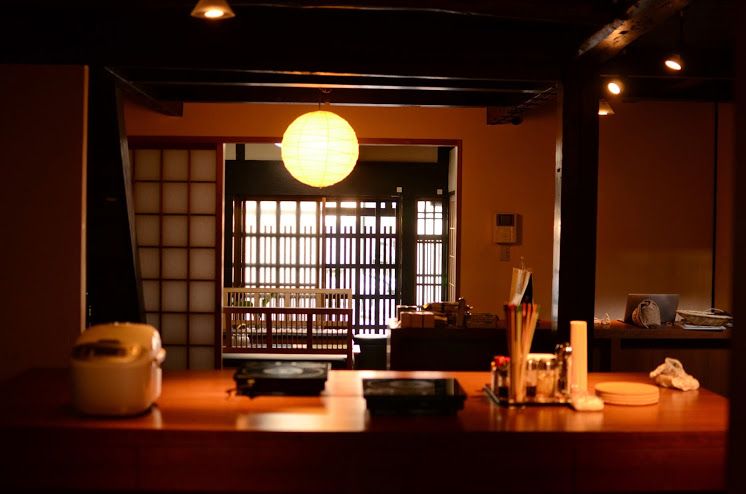
This is the part that makes the class valuable even after your trip is over.
Based on what people mention, you’re not just learning “which ingredient goes where.” You’re learning how Japanese kitchens think. A few examples pulled from the experience highlights and dish talk:
- You may work with staples tied to Japanese flavor building, like dashi (people specifically referenced making dashing broth).
- You can get familiar with home-dish cooking rhythms that don’t rely on fancy restaurant shortcuts.
- You’ll practice seasoning steps that help you understand why food tastes Japanese rather than simply salty-saucy.
And you don’t leave empty-handed. Many comments emphasize that you receive a well-documented recipe set, sometimes even described as a detailed recipe book. That takeaway is what turns this into a “skill” experience rather than a one-time snack session.
If you’re worried about cooking ability, good news: multiple people noted the class works for beginners because the flow is timed, guided, and designed so you don’t have to be a confident knife ninja. One person even mentioned having fun even as a non-cook, which is a strong sign the instruction style supports real-world skill levels.
Dietary note: the only “pre-work” you need is for your personal needs. If you’re vegetarian, gluten-sensitive, or have other requirements, you should tell the local supplier when booking. The class is designed to accommodate dietary requirements, but you’ll only get the right adjustments if you plan ahead.



The Social Side: Izakaya Culture Without the Guesswork
I like that the class teaches izakaya culture through action. You’re not just eating like a customer at a bar counter—you’re cooking and talking in that same casual, communal way.
That has two benefits for you:
- You ask questions naturally. If something doesn’t make sense, you can clarify on the spot.
- You learn small cultural cues around food. How dishes are prepared, how flavors balance, and how a meal is paced.
In several write-ups, people highlighted how friendly the instructors and staff were, and how the atmosphere stayed positive while still being focused on results. That balance is what you want in a class: you feel comfortable asking questions, and you still get real teaching.
How the Price Works for $67 (And When It’s a Smart Buy)
At $67 per person for 3 hours, this class falls into the “experience value” zone rather than “cheap activity.” The key question is: what do you take home?
Here’s what you’re paying for that justifies the cost:
- You get a guided, structured cooking session (not a self-tour).
- Ingredients are included, along with tools like an apron and utensils.
- You cook and eat multiple dishes in a proper meal flow.
- You receive recipes you can use later.
That last point is the quiet value booster. If you’re likely to cook at home even a few times a month, the recipes can pay back quickly. If you don’t cook much, you might still find it fun and memorable, but the long-term value drops a little.
Also, the class helps you avoid common Kyoto “food learning” pitfalls: ordering the wrong things, missing ingredient logic, or having no clue how to recreate what you liked. Here, you leave with the steps.
A Realistic Look at the Pace and Who Should Book
This class is hands-on and timed. That’s good, because it keeps you from standing around. It’s not as good if you want a slow, unstructured kitchen afternoon.
If you enjoy:
- cooking basics and flavor building,
- learning how Japanese dishes are made at home,
- trying multiple dishes in one sitting,
this class fits well.
You might want to reconsider if:
- you strongly prefer quiet activities,
- you’re looking for a passive food tasting only,
- you want total control over the menu (menus can vary).
The good news is that even people who cook rarely reported success, and many emphasized that the instruction is organized enough that you don’t have to guess your way through.
Should You Book the Kyoto Afternoon Izakaya Cooking Class?
I’d book it if you want a Kyoto experience that’s practical, social, and genuinely useful later. With English instruction, included ingredients and tools, and recipe takeaways, it’s the kind of activity that turns eating into learning—without requiring advanced skills.
I wouldn’t book it if you only want sightseeing and you dislike interactive cooking environments. Also, if you have dietary needs, treat the booking question seriously so the kitchen can adjust properly.
If you’re flexible and want a hands-on food afternoon in Kyoto that leaves you with both dinner and repeatable recipes, this is a strong choice.
FAQ
How long is the Kyoto Izakaya cooking class?
It lasts 3 hours.
How many dishes will I cook?
You’ll cook 2–3 dishes, and the class is structured as two cooking/eating parts. The overall experience includes cooking again after the first meal for additional dishes.
Is the instructor in English?
Yes, the instructor provides English instruction.
Where is the meeting point?
The meeting point is Cooking Sun, Funayacho, Shimogyo Ward, Kyoto 600-8466.
What’s included in the price?
The class includes the cooking session, ingredients, the dishes you cook (2–3), and an apron and utensils.
What dietary needs should I tell them about?
If you have any dietary requirements, you should let the local supplier know upon booking.
Is it possible to cancel?
Yes. You can cancel up to 24 hours in advance for a full refund.
Do I have to pay upfront?
No. You can reserve now and pay later.
Is the activity wheelchair accessible?
Yes, it is wheelchair accessible.
Will the class feel more like cooking or eating?
It’s both. You cook with a chef and then eat what you made, then you cook again and eat once more.